

Learn
CATEGORIES
- Beginner Gardening
- California Gardening
- Companion Planting
- Container Gardening
- Edible Gardening
- Fire-Wise Gardening
- Food Safety
- Garden Myth Buster
- Garden Planning
- Garden Question of the Week
- Gardening with Kids
- Getting Started
- Grow Guides
- Growing Guides
- Herbs
- How-To Guides
- Indoor Gardening
- Microclimates
- Microgreens and Indoor Growing
- Monthly Garden Checklist
- Nutrition
- Planning & Planting
- Plant Problems
- Seasonal Gardening
- Seasonal Planting
- Succulents
- This vs. That
- Water-Wise Gardening
- Wildlife and Pest Management
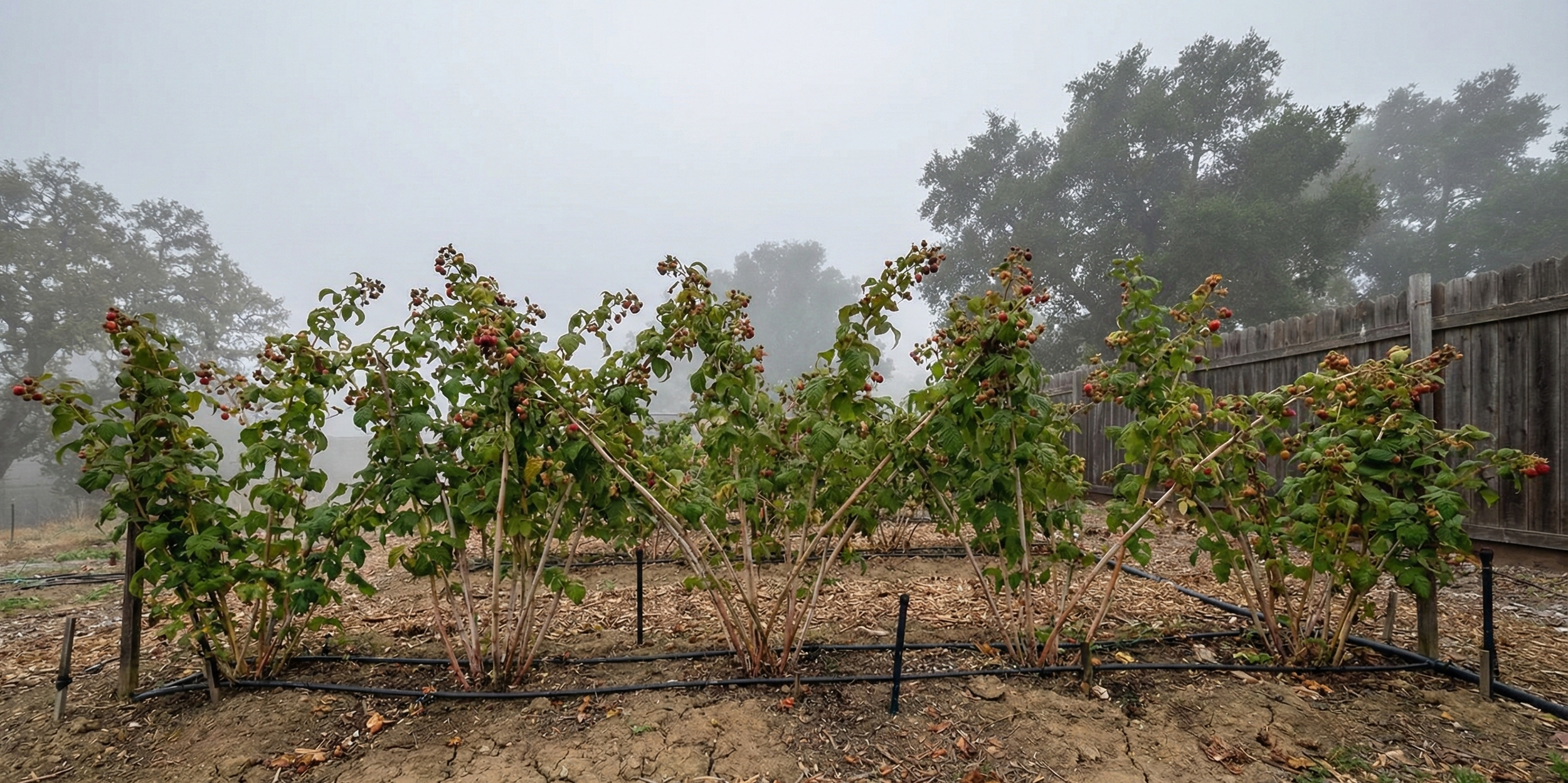
Raspberry Problems: Pests, Diseases, and Common Issues
Yellow leaves? No fruit? Mushy berries with tiny worms? This troubleshooting guide helps you diagnose and fix the most common raspberry problems in Santa Cruz County.
Garden Tools You Actually Need (And What You Don't)
You can start a productive vegetable garden with just seven basic tools. Here's what you actually need, what to skip, and where to buy quality tools in Santa Cruz County.
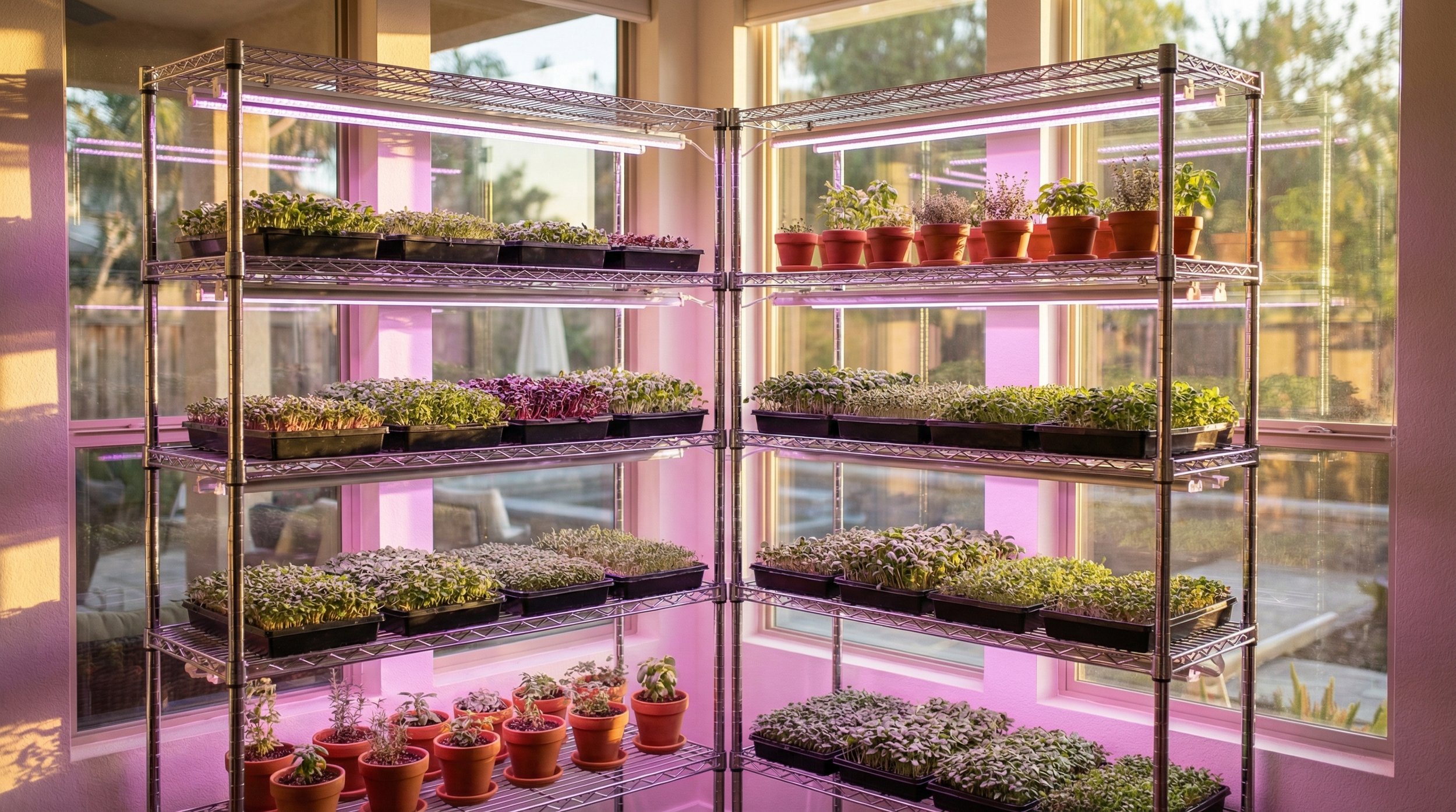
Year-Round Indoor Growing in California: Microgreens, Sprouts, and More
Integrate indoor growing with your California garden year-round. Monthly calendar for microgreens, sprouts, and windowsill herbs plus equipment guide.
What to Plant in Santa Cruz & the Bay Area in November
November is when Santa Cruz gardens shift into cool-season mode. Plant bare-root fruit trees, direct seed greens and peas, and clean up summer crops while rains start and temperatures drop.
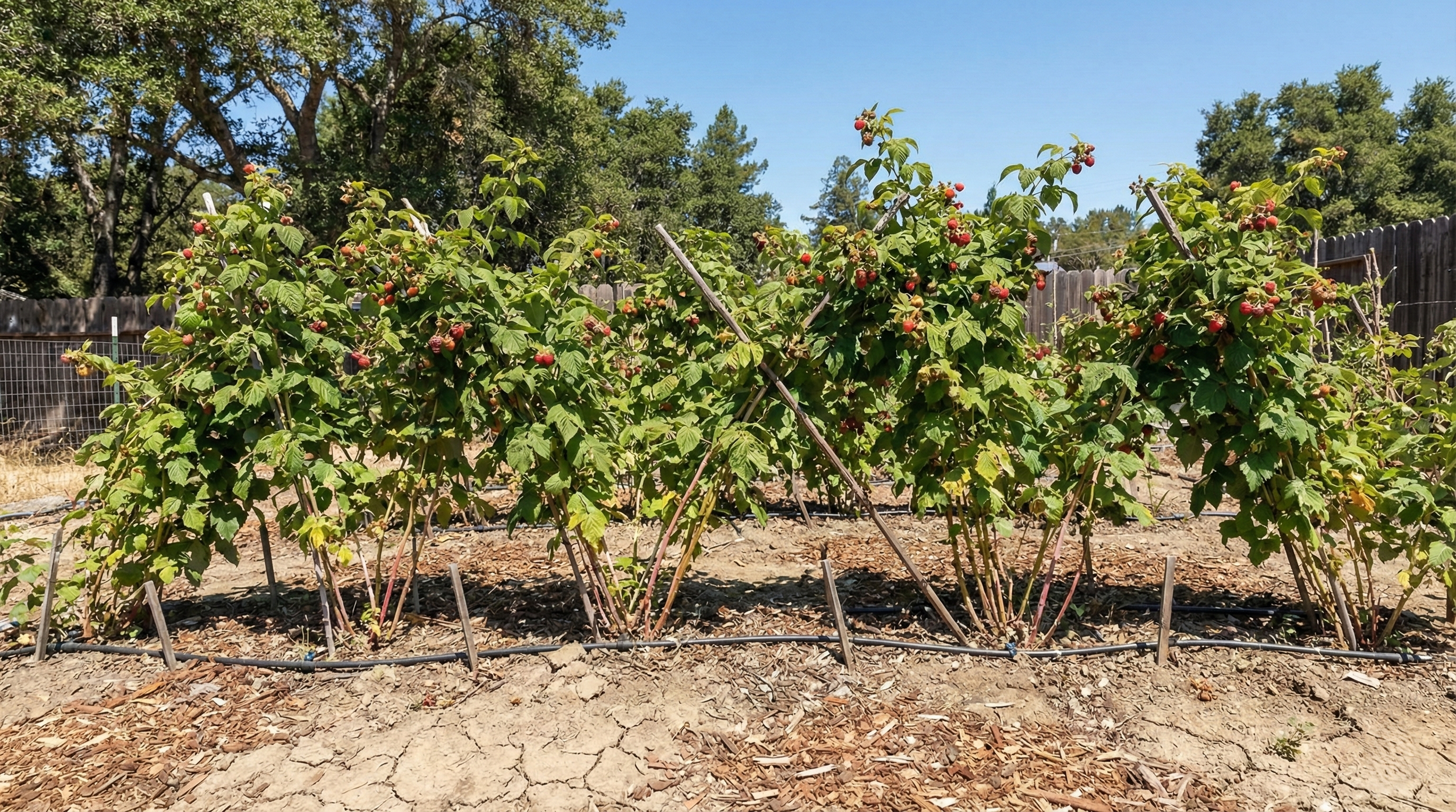
7 Raspberry Varieties That Thrive in Santa Cruz County
Not every raspberry that thrives in Oregon or the Midwest will be happy in Santa Cruz County. Our mild winters, cool summers, and pockets of inland heat favor certain primocane and low-chill varieties, while others struggle without enough winter cold or burn out in summer heat. This guide profiles 10+ raspberry varieties that perform well in coastal California, with notes on chill needs, flavor, best uses, and which microclimates suit each variety.
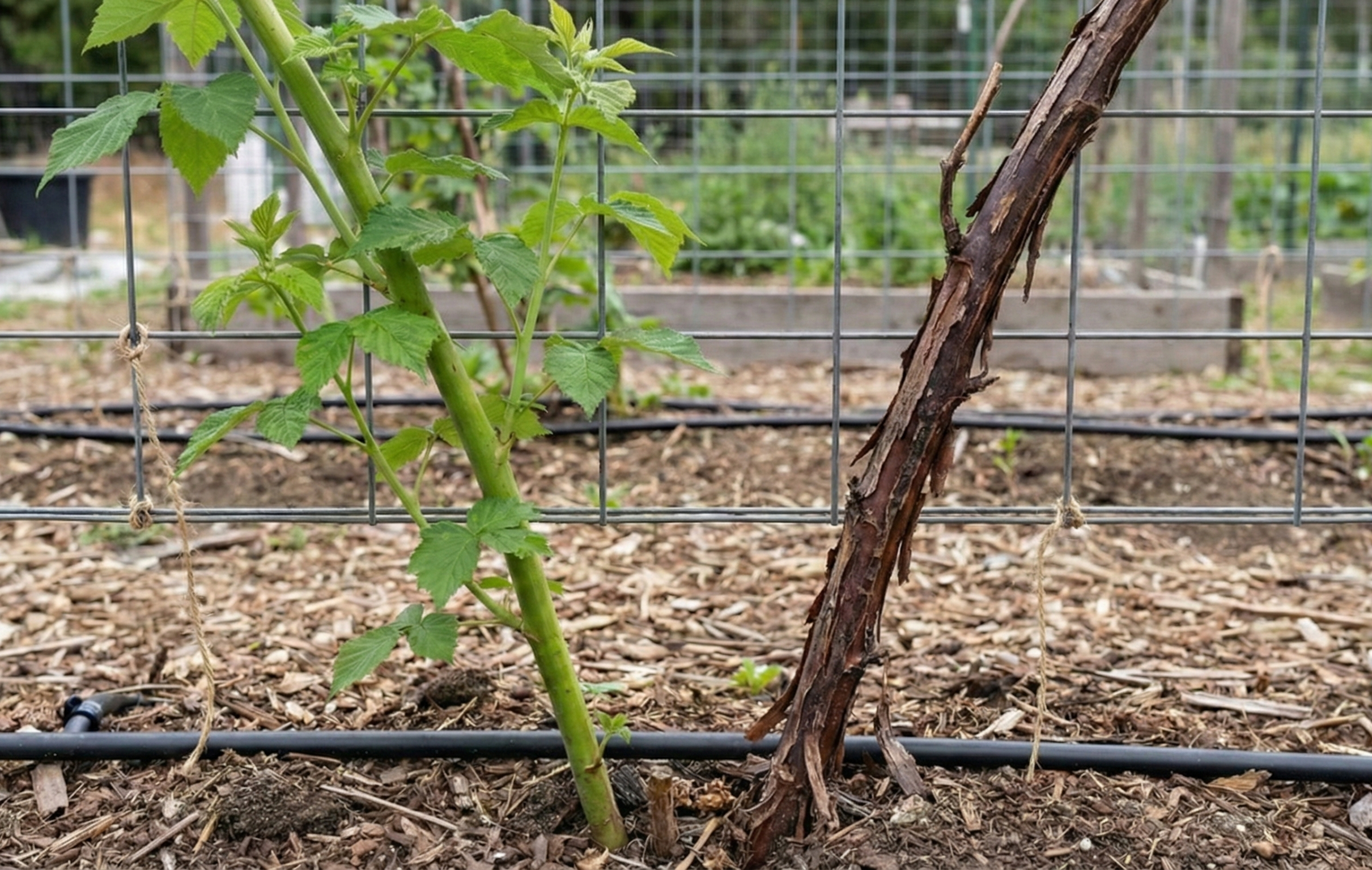
Primocane vs Floricane Raspberries: Which Should You Grow in California?
One of the most confusing aspects of growing raspberries is understanding primocane versus floricane types. This guide breaks down the cane lifecycle in plain English, explains why primocane (everbearing) raspberries are often the better choice for Santa Cruz County and coastal California, and helps you identify which type you're growing so you can prune correctly.
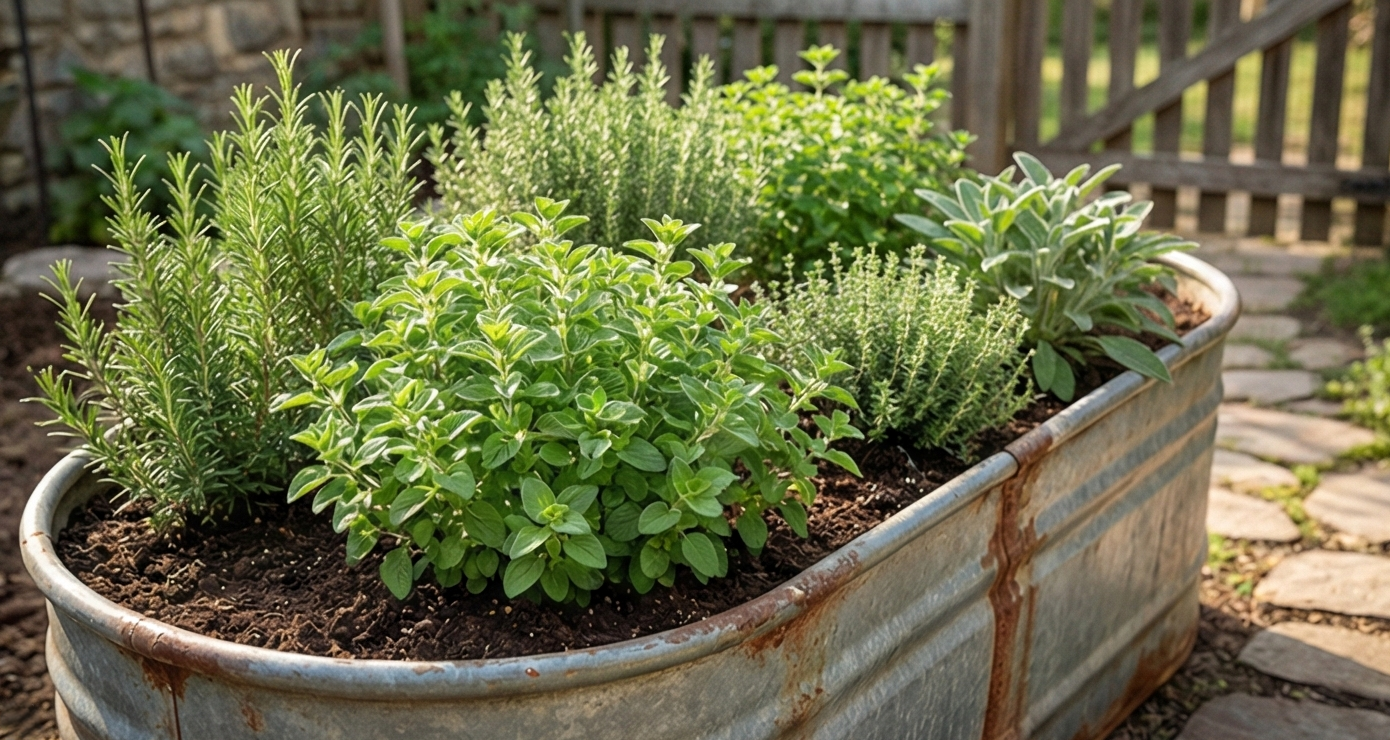
Growing Oregano in Santa Cruz: The Mediterranean Herb That Thrives Here
Oregano is one of the easiest and most rewarding herbs for Santa Cruz County gardens. This Mediterranean native thrives in our dry summers and mild winters, producing aromatic leaves that are far more flavorful than anything you can buy at the grocery store. Here's everything you need to know to grow oregano successfully in your garden.

10 California Native Plants for a Fire-Safe Garden
California natives can be both fire-wise and water-wise when chosen carefully. Learn which native plants work for defensible space, which to avoid near structures, and how to maintain them safely.

What to Plant in Santa Cruz & the Bay Area in October
October is garlic month in Santa Cruz County. Plant fava beans, cool-season greens, and peas while harvesting the last of summer's tomatoes. The transition season requires managing both.
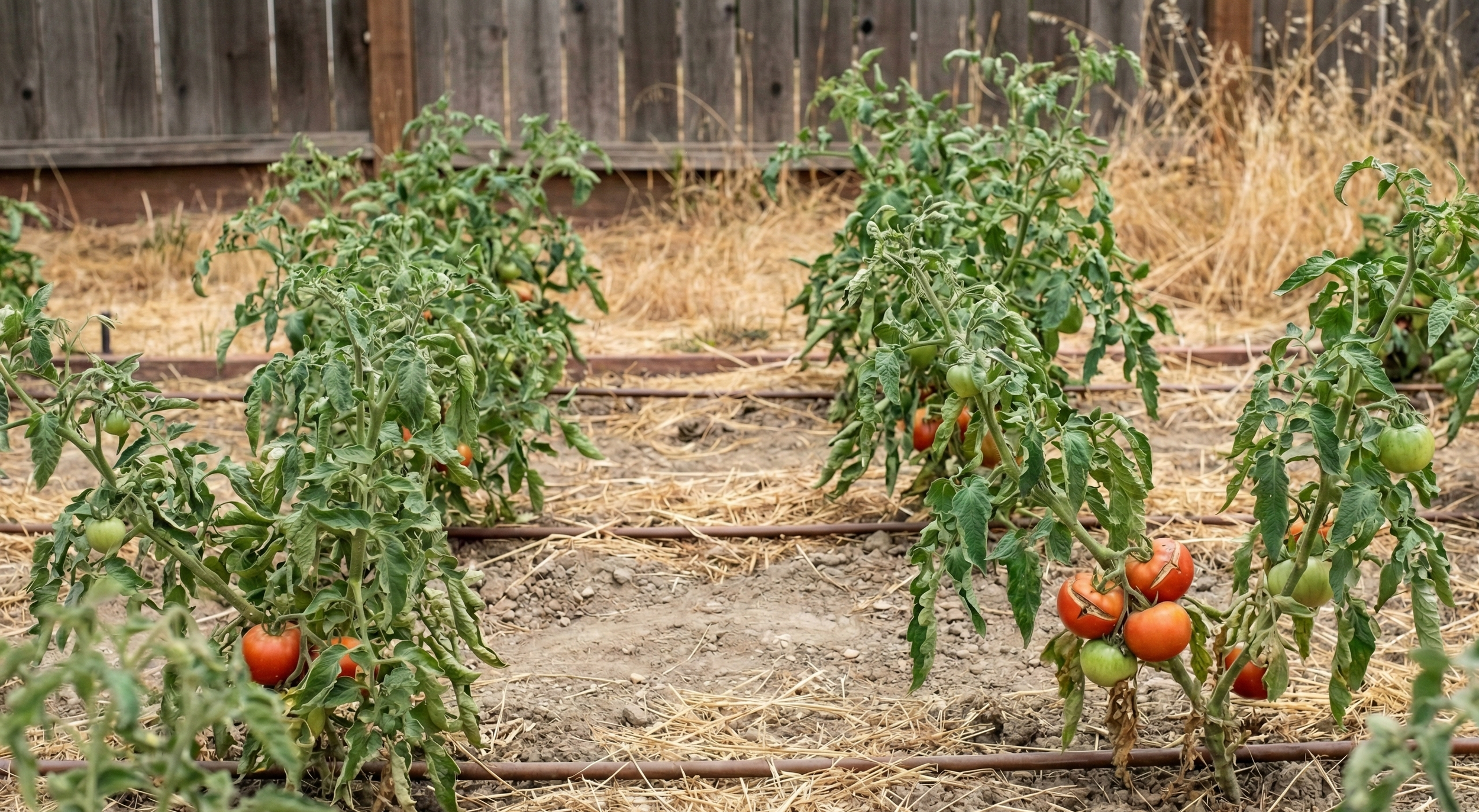
Extending Tomato Season in Santa Cruz County
Learn how to extend your tomato season in Santa Cruz County's foggy coastal climate. Variety selection, soil warming, protection, and late-season strategies.
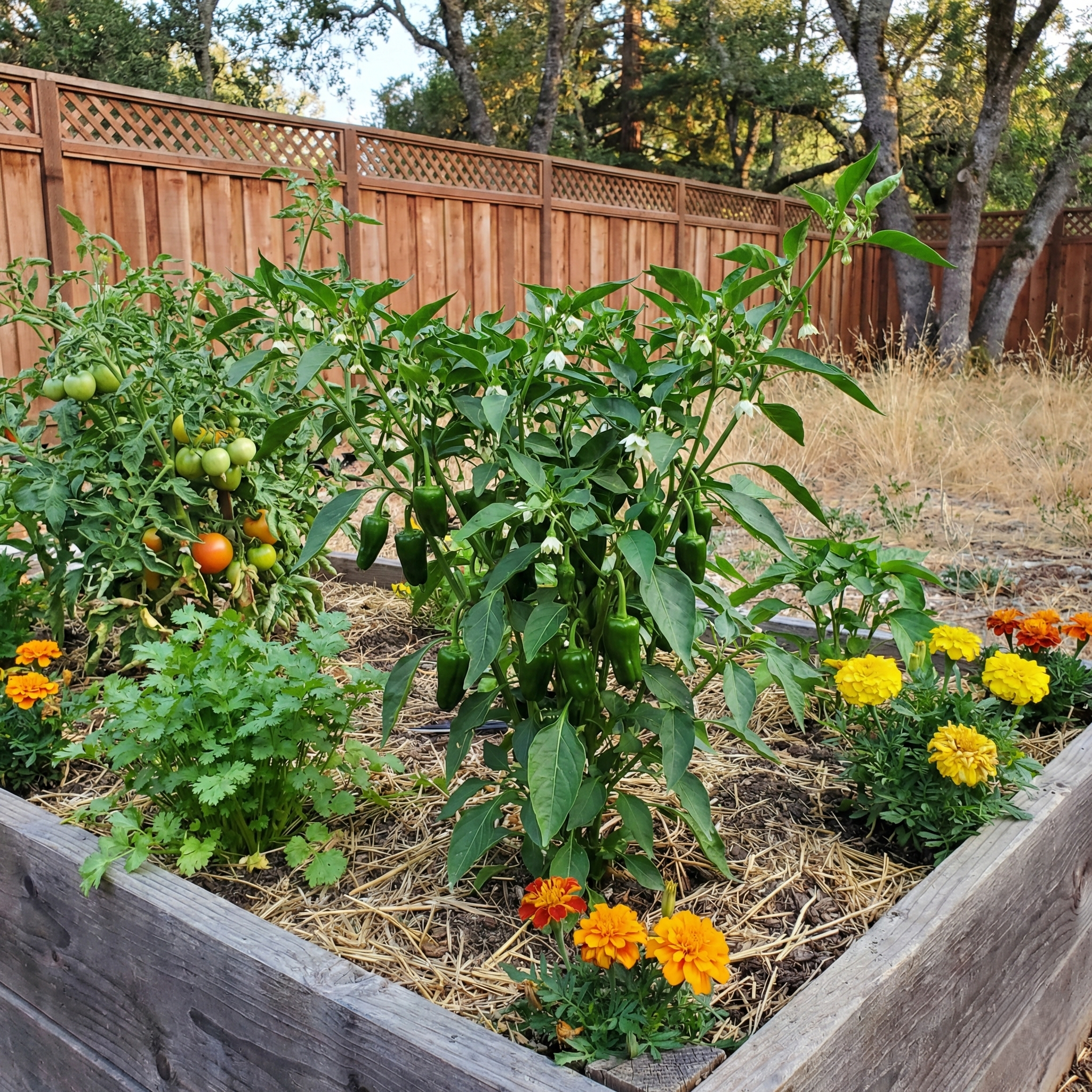
Growing Shishito & Padrón Peppers in Santa Cruz: The Perfect Peppers for Coastal Gardens
Shishito and padrón peppers are the rare warm-season crops that actually thrive in Santa Cruz County's cooler microclimates. These mild, thin-walled peppers produce prolifically, mature quickly, and taste incredible when blistered in a hot pan. Here's how to grow them in every Santa Cruz microclimate.

Succession Planting Carrots in Santa Cruz County: How to Harvest Fresh Carrots Year-Round
Learn succession planting for year-round carrots in Santa Cruz County. Planting schedules by microclimate, best varieties, and continuous harvest strategies.

Fire-Wise Maintenance: A Seasonal Checklist for Santa Cruz Gardeners
Fire-safe landscaping requires ongoing maintenance, not just one-time projects. This seasonal checklist breaks down defensible space tasks by month for Santa Cruz County's climate and fire season.
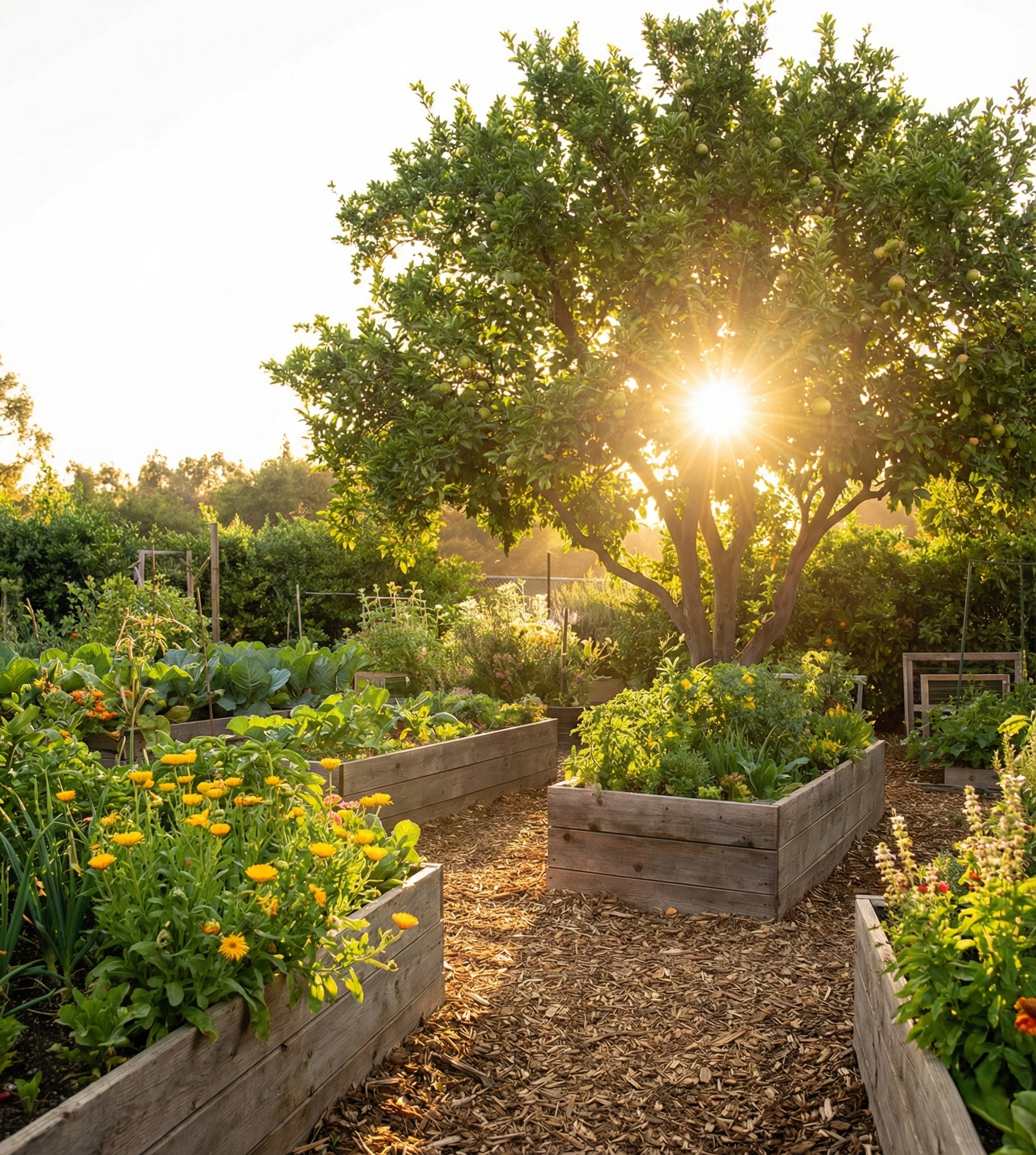
What to Plant in Santa Cruz & the Bay Area in September
September in Santa Cruz County is still summer. Temperatures hit 90s to 100s inland while tomatoes peak. Plant cool-season crops now for fall harvest, but don't pull productive summer plants yet.
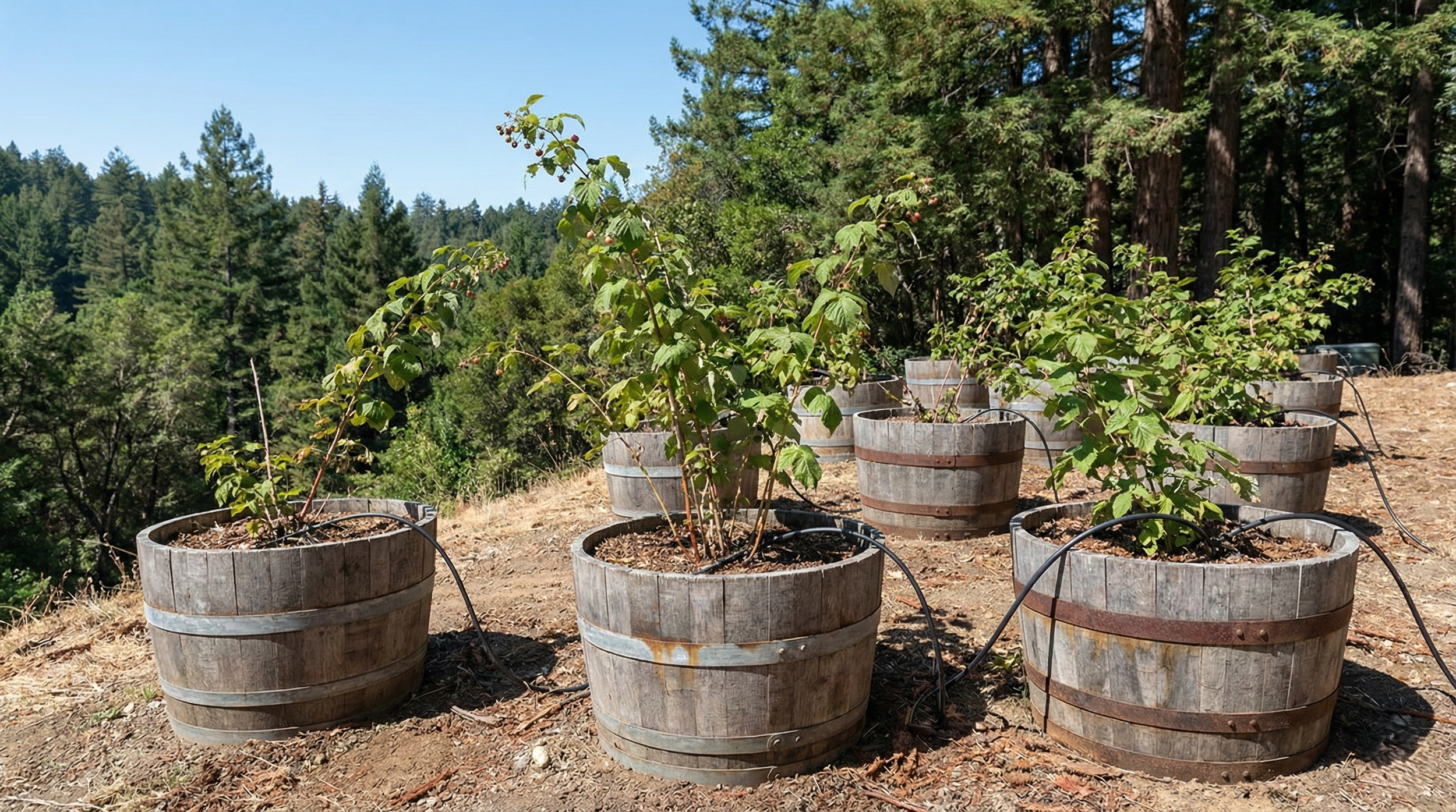
Growing Raspberries in Containers
If you garden on a deck, balcony, or tiny backyard, raspberries in containers can still deliver bowls of fresh fruit without letting canes run wild through your beds. Container growing also gives you more control over soil, water, and sun exposure, which is especially useful in Santa Cruz County's mix of foggy coasts and warm inland spots. This guide covers container selection, best varieties for pots, soil and planting, watering and feeding, pruning, and long-term care.
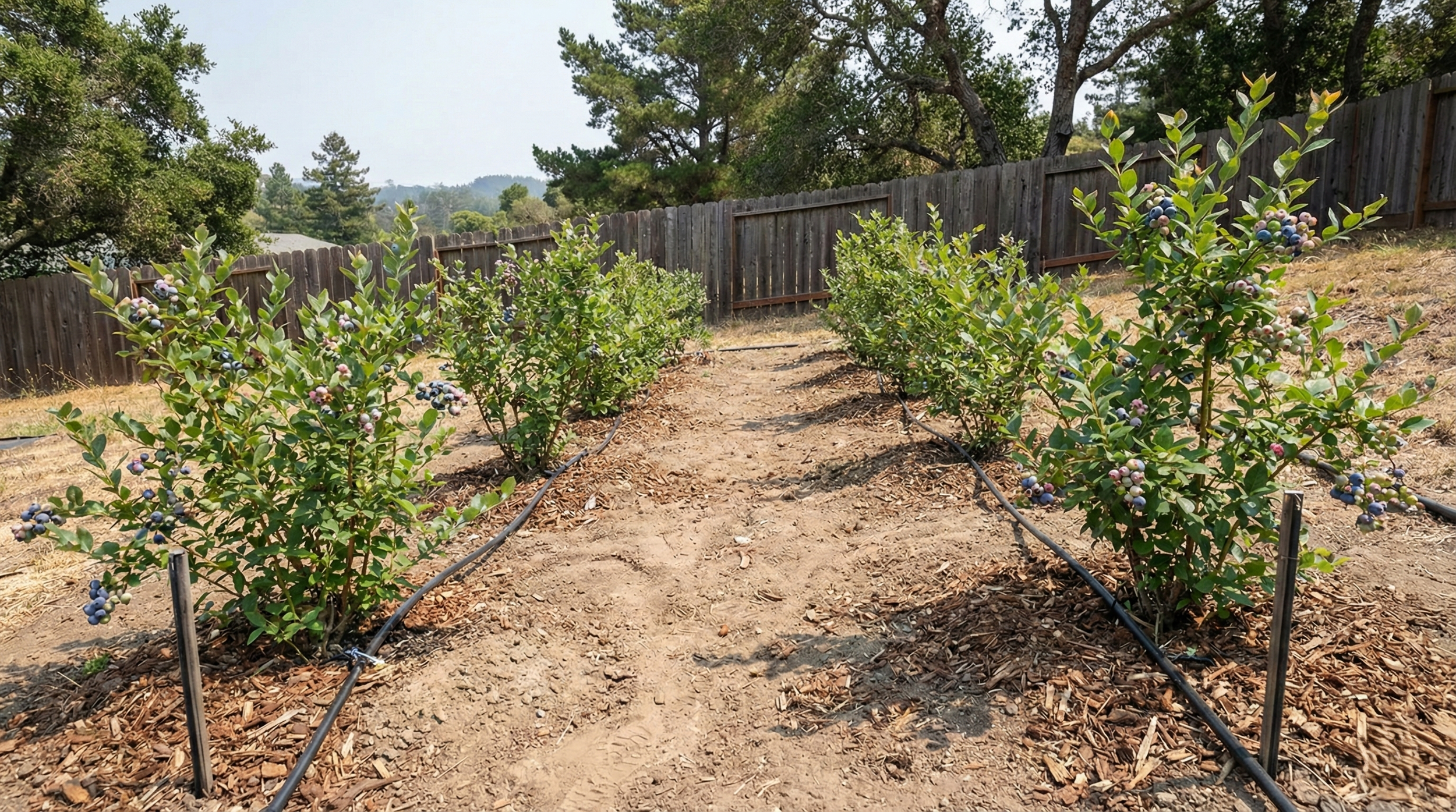
Growing Blueberries in Santa Cruz County: A Complete Guide
Learn how to grow blueberries in Santa Cruz County's coastal climate. Low-chill varieties, acidic soil tips, and local planting advice for abundant harvests.
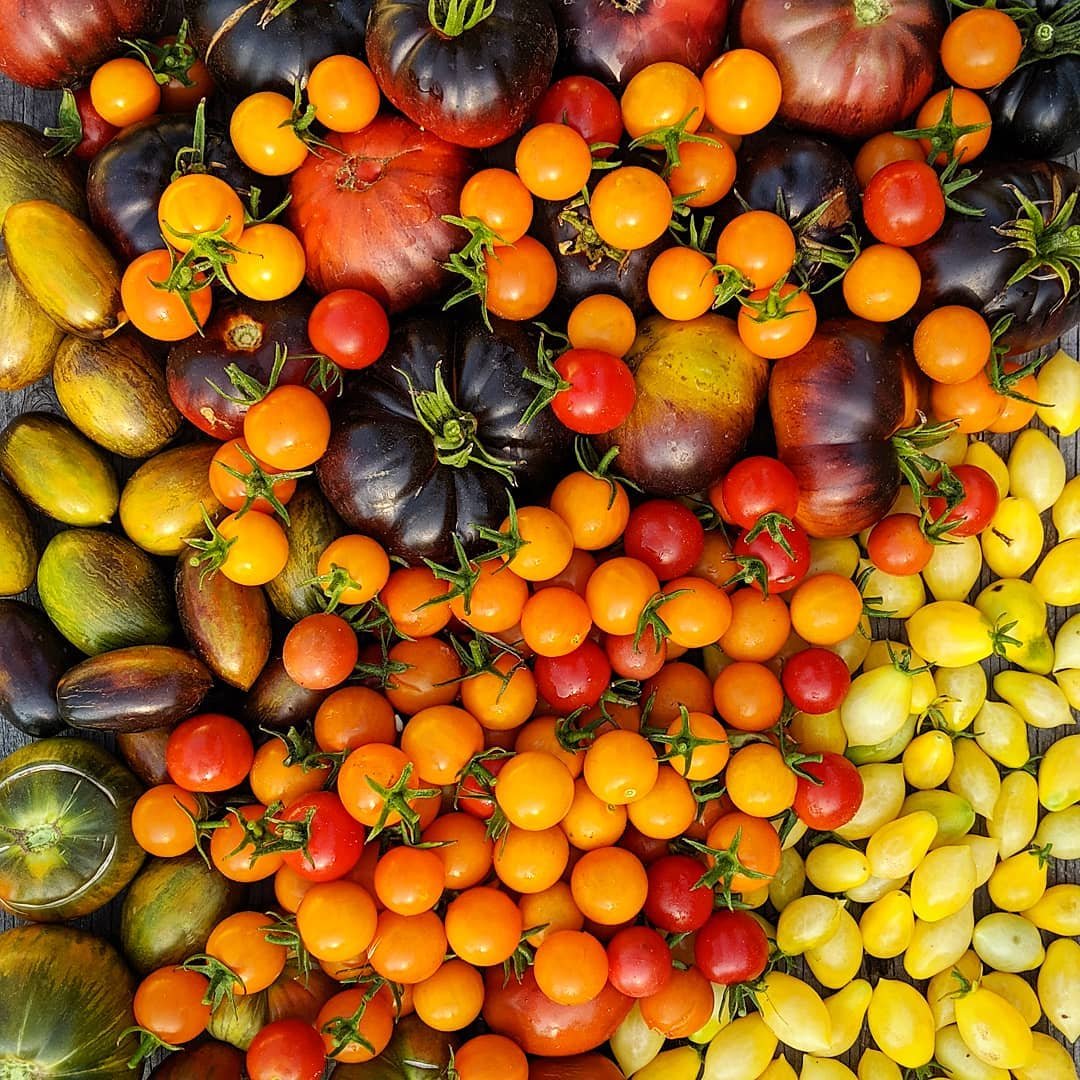
When and How to Harvest Tomatoes for Peak Flavor
Learn when to pick tomatoes for best flavor in Santa Cruz County. Ripeness stages, harvest techniques, and coastal climate strategies for home gardeners.
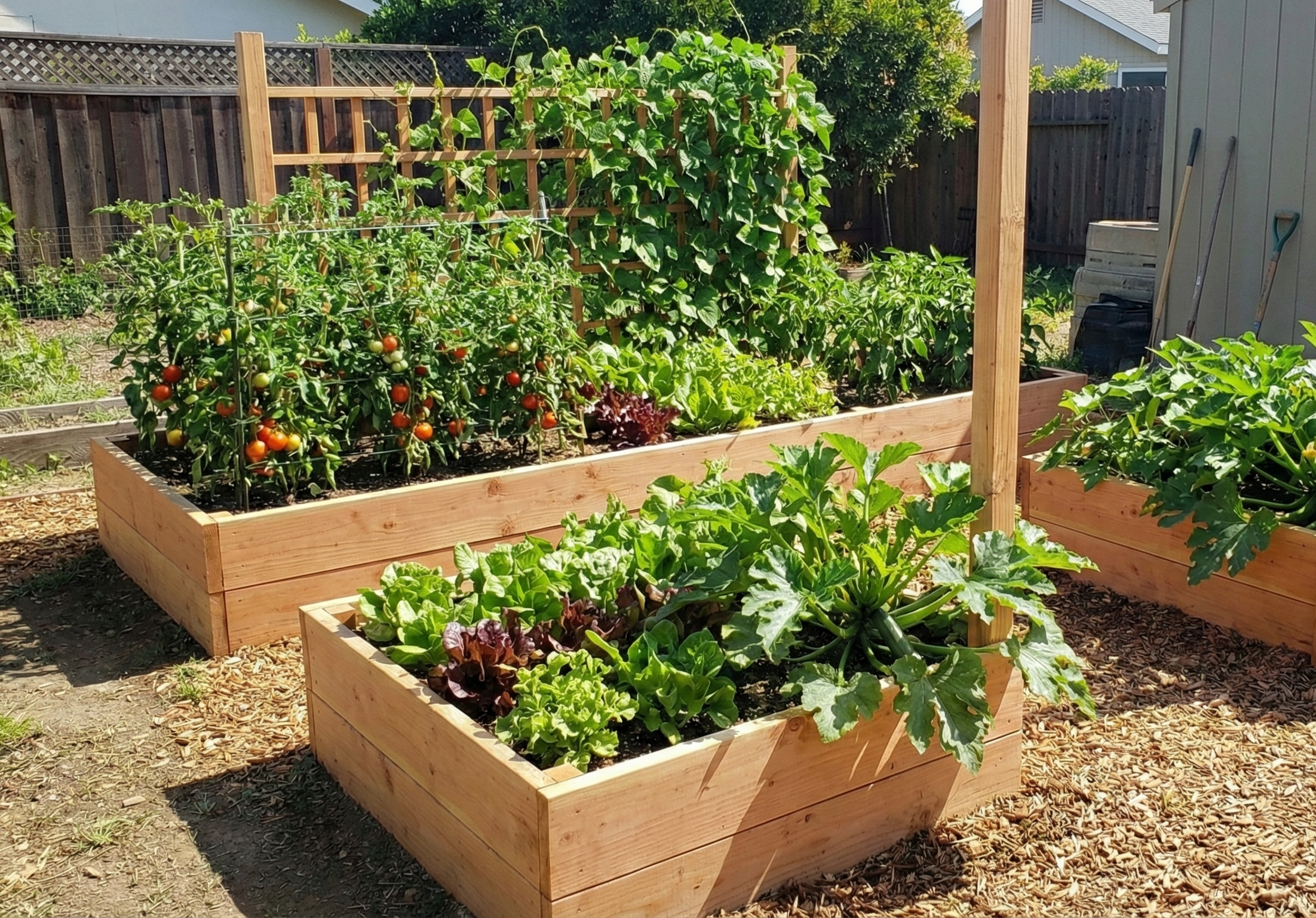
What to Plant in Santa Cruz & the Bay Area in August
August in Santa Cruz County is your last chance for many fall crops. Days are shortening fast. Transplant brassicas, seed greens and carrots while harvesting summer's peak tomato abundance.
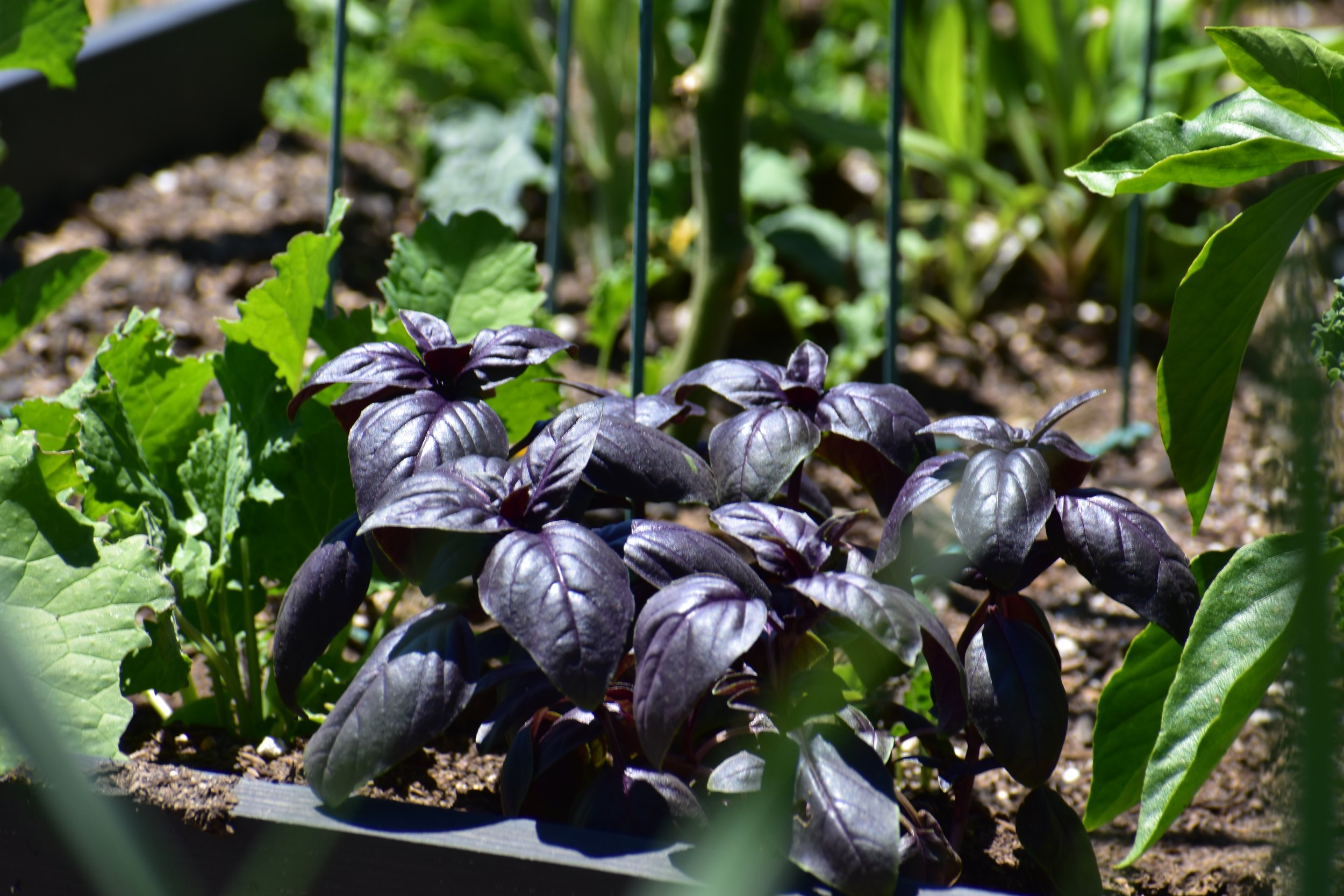
Growing Basil in Santa Cruz County: The Complete Guide
Basil thrives in Santa Cruz County's warm microclimates but struggles in coastal fog. Learn which varieties work where, when to plant, and how to grow bushier plants through proper pinching.
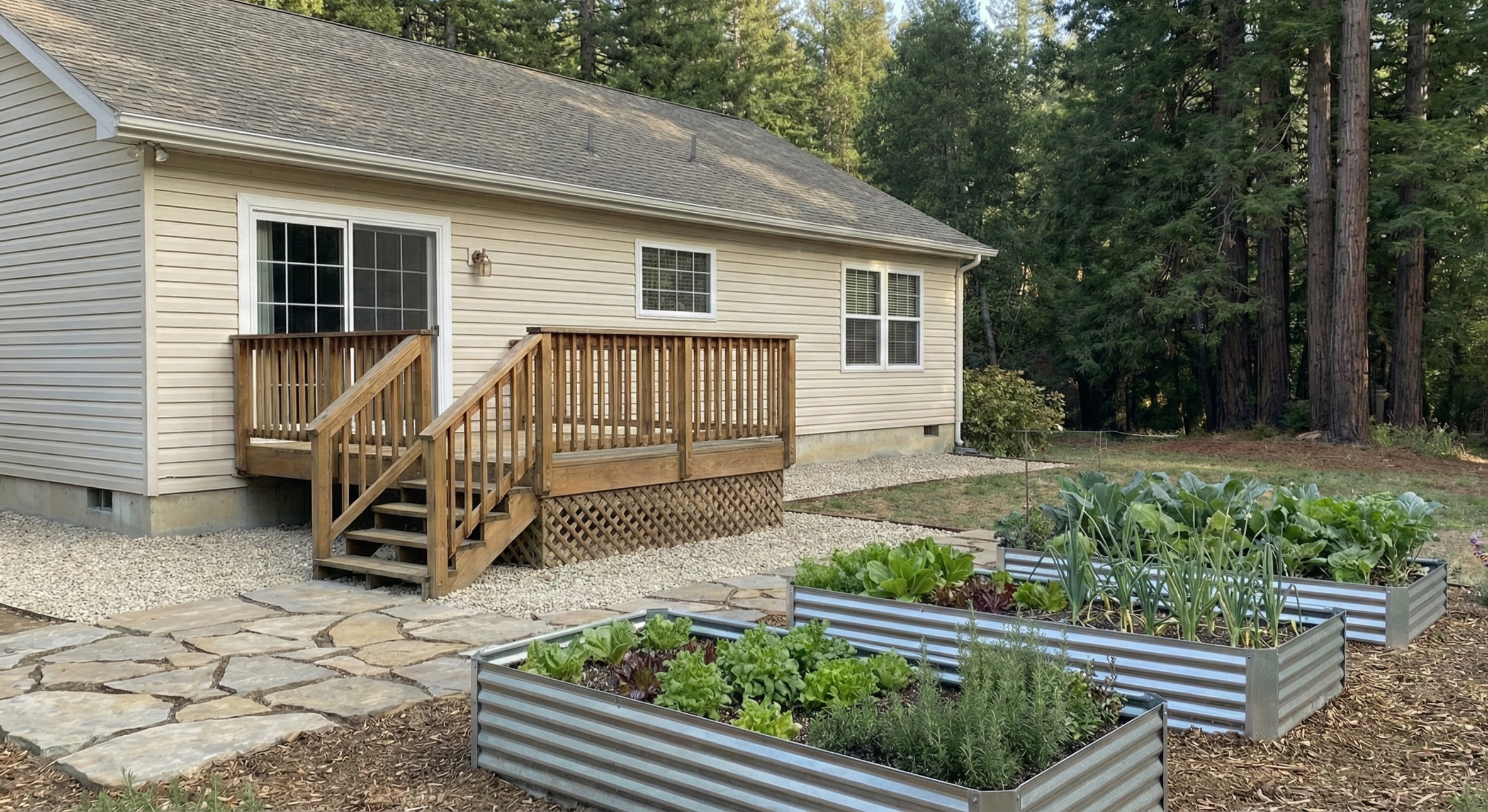
Fire-Wise Landscaping on a Budget
The most important fire-wise changes cost little or nothing. Clearing debris, maintaining what you have, and smart priorities matter more than expensive overhauls. Here's how to protect your home.