
What to Plant in Santa Cruz & the Bay Area in October

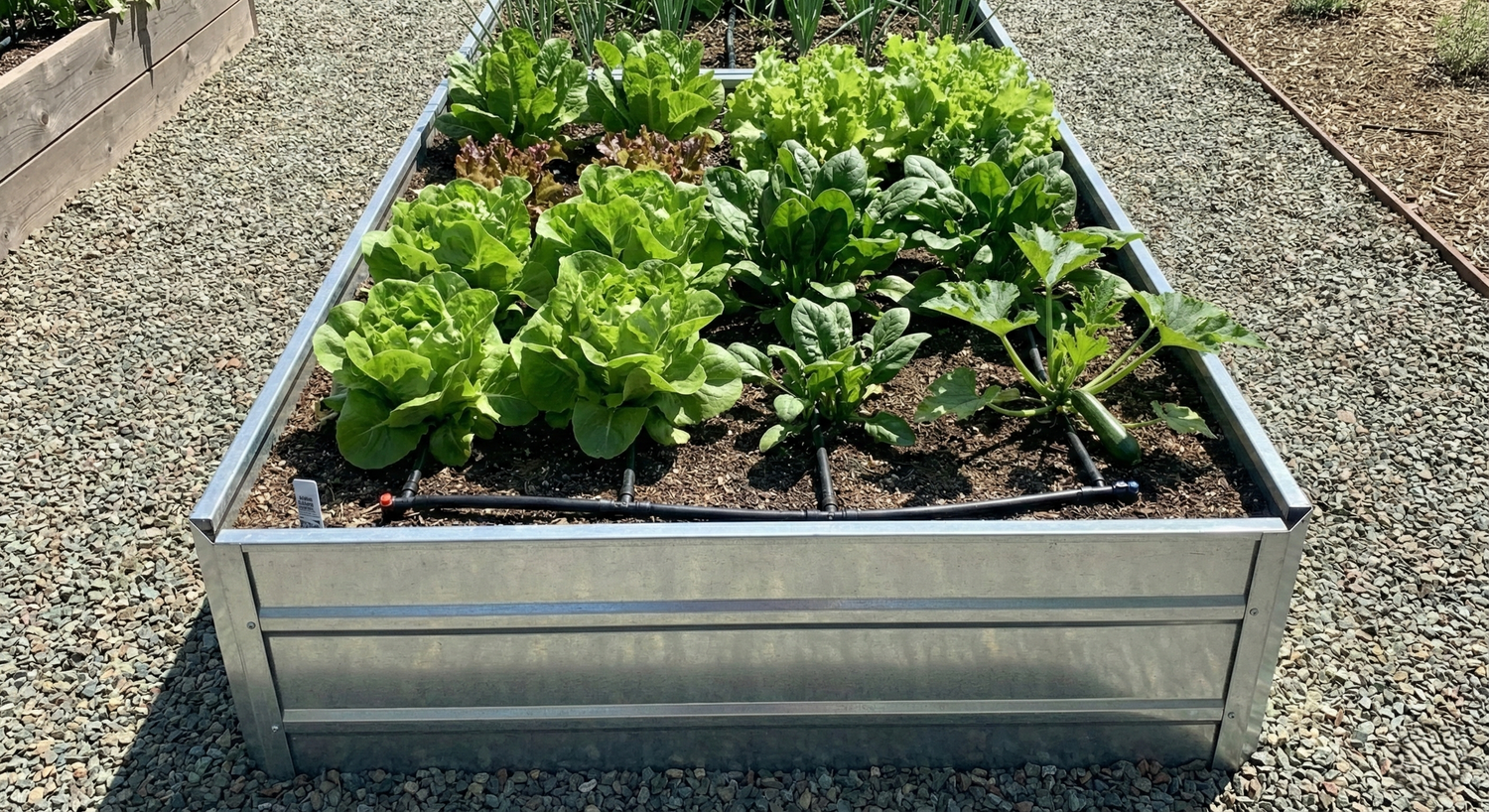
October in Santa Cruz County is when temperatures finally start to moderate, but it's still warm, not truly "fall" in most areas. We might see our first rain, or we might stay bone dry until November. Tomatoes are still producing in warm microclimates, and you're definitely not done with summer crops yet.
This is a critical planting month for garlic, cool-season greens, and fall crops, but it's also still harvest season for many summer vegetables.
What Does October Weather Actually Look Like in Santa Cruz?
October is the beginning of the transition, not the arrival of fall:
Sunny mountain areas (Boulder Creek ridges, Ben Lomond chaparral): Still hitting 80s to 90s many days, with occasional cooler stretches.
Under redwoods (Felton canyons, shaded areas): 70s to 80s, more stable temperatures.
Inland valleys (Scotts Valley, Soquel): High 70s to mid-80s.
Coastal (Aptos, Capitola, Santa Cruz): 60s to 70s, very pleasant.
Watsonville and Pajaro Valley: 70s to 80s, warm and agricultural.
We might get our first rain in October, but many years stay dry until November. Don't count on rain to water fall plantings. You're still irrigating.
What Should You Direct Seed in October?
Greens for Fall and Winter
Lettuce: All varieties germinate much more easily now than in September's heat. Plant a mix of leaf and head types for variety.
Arugula: Quick to germinate and grow. Will produce through winter in most microclimates.
Spinach: Bloomsdale Long Standing and Tyee are good cold-tolerant varieties.
Mustard greens: Fast-growing and cold-hardy. Red Giant adds color to winter salads.
Chard: Bright Lights or Fordhook Giant establish well now and produce through spring.
Mizuna: Mild Japanese green that handles cold weather well.
Asian greens: Bok choy, tatsoi, and pac choi thrive in cool fall conditions.
Mâche (corn salad): This cool-weather specialist actually prefers short days and cold temperatures.
Root Vegetables
Radishes: Quick 30-day varieties give you fast results. Cherry Belle and French Breakfast are reliable.
Turnips: Hakurei and Tokyo Cross are mild, sweet varieties perfect for fall planting.
Carrots: Early October is better than late. They need time to size up before winter slows growth.
Beets: Early October for best results. Detroit Dark Red and Chioggia are good choices.
Legumes
Peas: Snap and snow peas planted now will establish over winter and produce heavily in spring. Plant along a trellis.
Fava beans: This is THE month for favas. Plant now for spring harvest or use as a nitrogen-fixing cover crop.
Herbs
Cilantro: Finally won't bolt immediately. Cool weather is cilantro's favorite.
Parsley: Both flat-leaf and curly establish well in October.
Dill: Direct seed for fall harvest.
The Big One: Garlic
October is the traditional month for planting garlic in Santa Cruz County. Don't skip this one.
What Should You Transplant in October?
Lettuce: If you started indoors or bought nursery starts, transplant now for faster harvest than direct seeding.
Kale: Lacinato (dinosaur kale) and Red Russian are excellent fall varieties.
Collards: Heat-tolerant greens that also handle cold. Will produce for months.
Cabbage: Early October is okay; late October is pushing it for head formation.
Onions: From sets for spring and summer harvest. They'll establish roots over winter.
Strawberries: Still a good planting window, though September was ideal.
What Can You Harvest in October?
The overlap of summer and fall means abundant harvests:
Tomatoes: In warm microclimates (sunny mountain areas, Watsonville), absolutely still producing. Don't pull healthy plants.
Peppers: Slowing down but still going. Harvest before frost threatens.
Eggplant: May still have some in warm areas.
Late summer squash: If you succession planted, you may still be harvesting.
Beans: Late plantings are finishing up.
Fall greens: Lettuce, arugula, and spinach from August and September plantings are ready.
Brassicas: Broccoli, cauliflower, and kale from July and August are hitting their stride.
Root vegetables: Carrots, beets, and radishes from earlier plantings.
Chard: Continues producing through fall.
Pumpkins and winter squash: Prime harvest time. Cut stems, don't pull, and cure in the sun.
Apples and persimmons: Tree fruit season continues.
What Are the Most Important October Garden Tasks?
Plant garlic. Early to mid-October is ideal. This is your most important October task.
Plant fava beans for nitrogen fixing or spring harvest.
Direct seed greens, peas, and root vegetables for fall and winter harvest.
Continue harvesting summer crops. Many are still producing in warm microclimates.
Pull only spent crops. If tomatoes are still flowering and setting fruit, leave them alone.
Add compost to beds before planting fall crops. Work in 2 to 3 inches.
Continue watering. October is often still dry. Don't assume rain is coming. Our water-wise gardening guide covers efficient irrigation strategies.
Watch for first rains but don't count on them yet.
Plant cover crops (fava beans, crimson clover, winter rye) in truly empty beds.
Order bare-root trees for November through February planting. Popular varieties sell out.
Clean up fallen fruit and diseased plants to reduce pest and disease pressure next year.
How Do You Plant Garlic in October?
October is garlic month in Santa Cruz County. Here's everything you need to know:
When to Plant
Early to mid-October is traditional. Some gardeners in warm microclimates wait until late October or early November to avoid planting in summer-warm soil, which can cause cloves to rot.
What to Plant
Softneck varieties (like California Early, Inchelium Red, and Nootka Rose) are best for our mild climate. They store longer and are easier to braid.
Hardneck varieties can work but prefer colder winters than we typically get. They produce edible scapes in spring.
Buy seed garlic from local nurseries or reputable online suppliers. Grocery store garlic may be treated to prevent sprouting and often comes from climates very different from ours.
How to Plant
Break apart bulbs into individual cloves close to planting time. Choose the largest cloves for planting (eat the small ones).
Plant pointy end up, 2 inches deep, 4 to 6 inches apart in rows 12 inches apart.
Choose a bed that gets full sun. Garlic needs good light to develop large bulbs.
Mulch well with straw or leaves after planting to suppress weeds and retain moisture.
Water to establish, then water weekly if it doesn't rain. Garlic is surprisingly thirsty during its growing season.
When to Harvest
Next June or July, when the lower leaves turn brown but several green leaves remain at the top. Don't wait until all leaves are brown, or the bulb wrapper will deteriorate.
How Do Santa Cruz Microclimates Affect October Planting?
Coastal (Aptos, Capitola, Santa Cruz, Live Oak)
Perfect October planting weather with temperatures in the 60s to 70s. For more on how location shapes your garden, see our guide to Santa Cruz microclimates. Your tomatoes may be winding down, but gardeners inland are still in full production mode. Plant everything on this list. If we get October rains, you're set. If not, keep watering. Garlic and fava beans go in now without worry about soil being too warm.
San Lorenzo Valley Sunny Ridges (Boulder Creek, Ben Lomond, Scotts Valley Hills)
Still warm with temperatures in the 80s to 90s on hot days, but cooling. Your tomatoes are absolutely still producing and will continue into November. Don't pull them. Plant cool-season crops now and they'll establish well. October is when your big daily temperature swings moderate slightly.
If soil still feels warm, consider waiting until late October for garlic, or water the bed well before planting to cool it down.
San Lorenzo Valley Shaded Areas (Felton, Ben Lomond Canyons)
Temperatures in the 70s to 80s, cooler and more stable than sunny ridges. Excellent conditions for fall planting. Your shade is now an advantage because greens and brassicas love these conditions. You may retain more moisture than sunny areas, so watch for overwatering if rains start.
Inland Valleys (Scotts Valley, Soquel Hills)
High 70s to low 80s, still pleasant and warm. Good conditions for fall planting. Summer crops may still be producing. Plant everything on this list.
Watsonville and Pajaro Valley
Temperatures in the 70s to 80s, warm and agricultural. You have the longest season in the county. Your tomatoes will produce well into November in good years. Plant fall crops now and they'll thrive in your warm microclimate.
What Is the October Reality in Santa Cruz?
October feels like it should be fall, but it often isn't yet:
Temperatures are moderating but still warm in many microclimates. Summer crops (especially tomatoes) are often still producing in sunny areas. Cool-season plantings are establishing but growing slowly in the shorter days. Rain might start, but probably not until late month or November. You're still watering, though less than summer.
This is the "between" month. Not summer, not quite fall. Work with both seasons simultaneously.
Local Resources for October Gardening
Garlic and Seeds
Renee's Garden Seeds (based in Felton) carries garlic and cool-season vegetable seeds suited to our climate.
Mountain Feed & Farm Supply (9550 Highway 9, Ben Lomond) stocks seed garlic in fall along with cover crop seeds and supplies.
Peaceful Valley Farm Supply (ships to Santa Cruz) has excellent garlic selection and organic seeds.
Nurseries for Transplants
Sierra Azul Nursery (2660 E. Lake Avenue, Watsonville) carries fall vegetable starts and cover crop seeds.
San Lorenzo Garden Center (235 River Street, Santa Cruz) has seasonal vegetable transplants and garlic.
Scarborough Gardens (33 El Pueblo Road, Scotts Valley) stocks fall planting supplies.
Education
UC Master Gardeners of Monterey Bay offer fall workshops and can answer specific questions about October planting.
Where to get seeds: For varieties that do well in our climate, we like Seeds Now, a California company selling non-GMO, open-pollinated, and heirloom seed. (Affiliate link, see our disclosure.)
Frequently Asked Questions About October Gardening
Should I pull my tomato plants?
Only if they're diseased or truly done producing. In warm microclimates (sunny mountain areas, Watsonville), tomatoes can produce through October and into November. Check them. If they're flowering and setting fruit, leave them alone. Pull them when they stop producing or when frost threatens.
Is it too late to plant broccoli?
For transplants, early October is okay, but late October is pushing it. Broccoli needs warm fall days to develop heads before winter. If it's late October, focus on kale, collards, and greens instead. These crops don't need to form heads and will produce through winter.
Can I plant garlic if the soil is still warm?
Yes, but it's not ideal. Some gardeners in warm areas wait until late October or early November. Garlic cloves can rot in warm, dry soil. Wait for temperatures to moderate, water the bed well to cool it down, or wait for the first rain. Mulching after planting helps keep soil cooler.
What if it doesn't rain in October?
Many years, it doesn't. Keep watering. Our dry season often extends through October. Don't count on rain to water your fall plantings. Check soil moisture regularly and water as needed. November is when rain typically becomes more reliable.
Is October too late for fava beans?
No, October is actually the ideal month for fava beans in Santa Cruz County. They need cool weather to germinate and establish. Planted now, they'll grow steadily through winter and produce heavily in spring. You can also use them as a nitrogen-fixing cover crop by turning them under before they flower.
When exactly should I plant garlic?
Traditional timing is early to mid-October, but this can vary by microclimate. Coastal gardeners can plant anytime in October. Gardeners in warm sunny areas might wait until late October or early November. The key is soil temperature. If soil still feels summer-warm, wait a bit. Garlic needs vernalization (cold period) to form cloves, so don't plant too late.
What cover crops should I plant in October?
Fava beans are the best all-around cover crop for Santa Cruz County. They fix nitrogen, grow well in our mild winters, and produce edible beans if you don't turn them under. Crimson clover and winter field peas are also good options. Plant in any beds that will be empty through winter. For more on beneficial plant pairings, see our companion planting guide.
Can I still plant peas in October?
Yes, October is an excellent time to plant peas. Sugar snap and snow peas planted now will germinate in the cooling soil, establish root systems over winter, and produce heavily in spring. Plant along a trellis so support is ready when they need it. Choose a sunny spot for best production.
Free Gardening Resources
Seasonal Planting Calendar : Month-by-month planting guide for Santa Cruz County, including October's garlic and fava bean windows.
Vegetables by Season : Quick reference for which vegetables to plant in fall.
Know Your Microclimate Worksheet : Identify your specific growing conditions to time plantings correctly.
Seasonal Tasks Checklist : Track October tasks like garlic planting, cover crops, and fall bed prep.
How Do You Manage the Seasonal Overlap?
October is your last reliable planting month for many crops. After this, day length and temperatures drop enough that growth slows significantly.
Priority plantings: Garlic (don't skip this), fava beans, lettuce and greens for winter salads, and peas for spring harvest.
Don't rush to clear: Tomatoes if still producing, peppers if still producing, any summer crop that's healthy and fruiting.
October is about managing the overlap between seasons. Summer isn't over in many microclimates, and fall hasn't fully arrived. Work with both seasons simultaneously and you'll maximize your harvest from both.
