

What to Plant in Santa Cruz & the Bay Area in December
A few of the product links in this guide are affiliate links. If you buy through one, Ambitious Harvest may earn a small commission at no extra cost to you, which helps keep these guides free. We only point to gear we would use in our own Santa Cruz garden. As an Amazon Associate, we earn from qualifying purchases. Read our full disclosure.
December in Santa Cruz County is the garden's quiet month. Growth slows to a crawl, rain settles in, and most gardeners are focused on the holidays rather than planting.
But here's the secret: you can still plant in December. Not everything, and growth will be slow, but there are crops that thrive in our mild winter conditions. December is also one of the best months for planning next year's garden and investing in perennials that will produce for years.
Can You Plant a Garden in December in Santa Cruz?
December is not a major planting month. Days are short (winter solstice is December 21), temperatures are cool, and soil is often wet from rain. Seeds germinate slowly or not at all, and transplants just sit there.
But "mostly doesn't happen" is not the same as "can't happen."
What Vegetables Can I Plant in December in Santa Cruz?
Cold-Hardy Greens (Direct Seed)
Mâche (corn salad): This is its perfect season. Mâche actually prefers cold, short days and will germinate when little else will.
Arugula: Choose cold-hardy varieties. Germination will be slow but successful.
Spinach: Slow germination in December, but it works. Bloomsdale Long Standing handles cold well.
Claytonia (miner's lettuce): This native thrives in winter conditions and often self-seeds in Santa Cruz gardens.
Legumes (Direct Seed)
Peas: Snap and snow peas germinate slowly in December's cool soil, but they'll come up. Plant along a trellis and expect sprouts in 2 to 3 weeks rather than the usual 7 to 10 days.
Transplants (If You Can Find Them)
Lettuce: From nursery starts, not seed. Growth will be slow but steady.
Onions: From sets for spring harvest. They'll establish roots over winter.
Bare-Root Plants (Prime Time)
This is where December shines. Bare-root season runs December through February, and getting plants in the ground early gives them maximum time to establish before spring growth.
Fruit trees: Apples, pears, stone fruits (peaches, plums, apricots, cherries), figs, and citrus. Choose low-chill varieties suited to our mild winters.
Berries: Blueberries (they love our acidic soil), raspberries, blackberries, and strawberries.
Grapes: Both table and wine varieties establish well from bare-root.
Roses: December planting gives roses a full season to establish before summer heat.
Perennial vegetables: Artichokes from crowns (perfect for Santa Cruz County), rhubarb, and asparagus. These are multi-year investments that produce for decades.
What Can I Harvest from My Garden in December?
December's harvest comes from fall plantings and perennials:
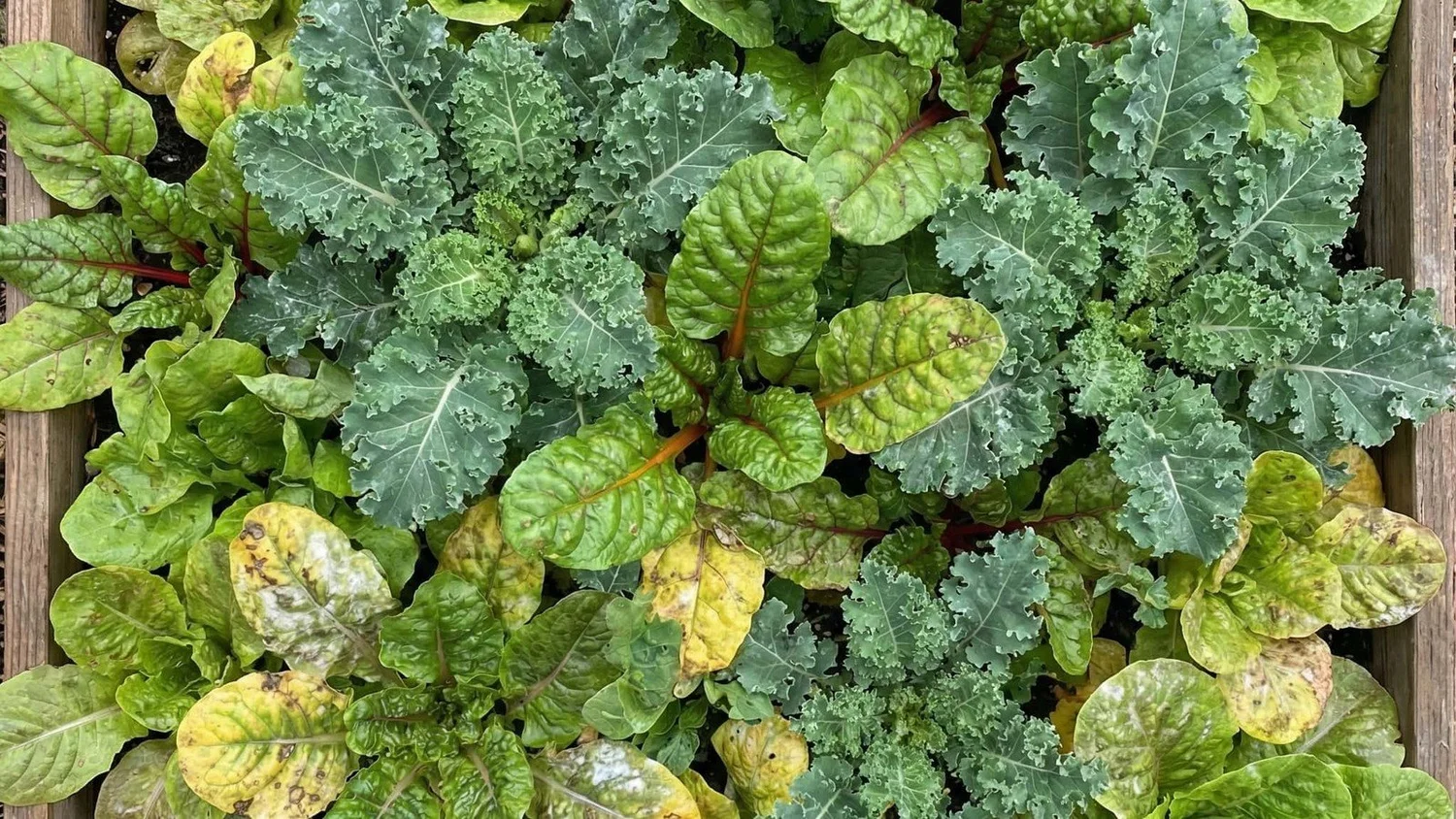
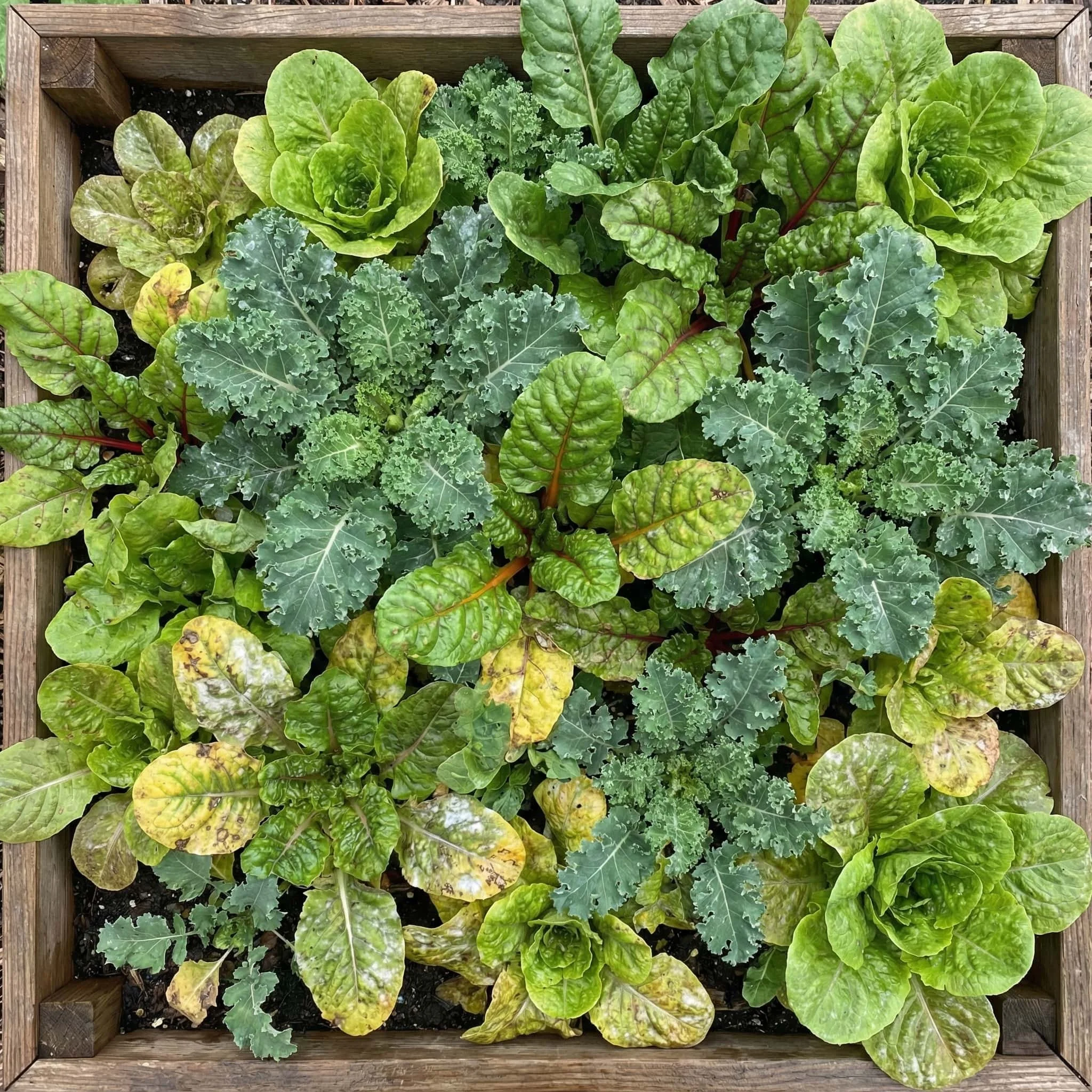
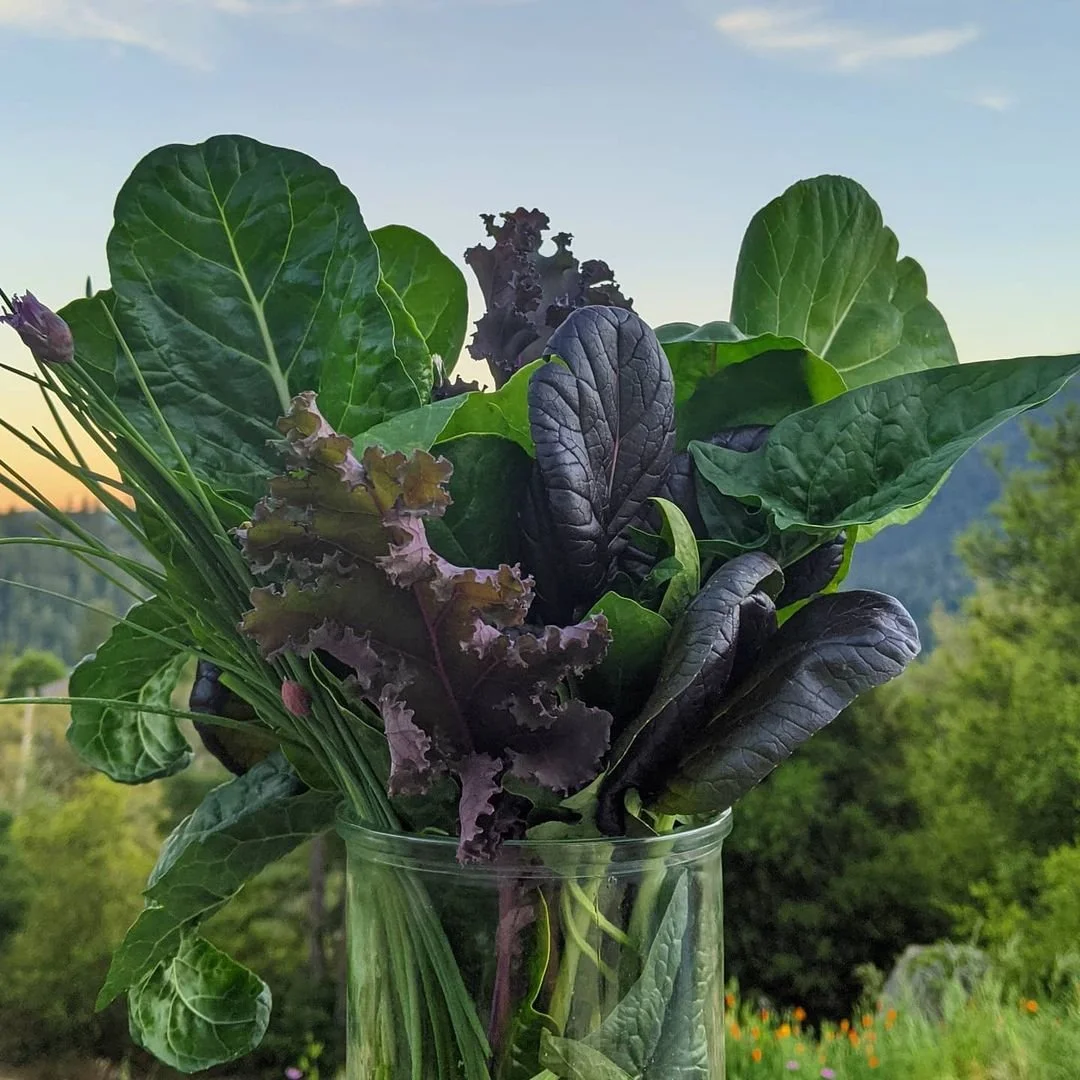
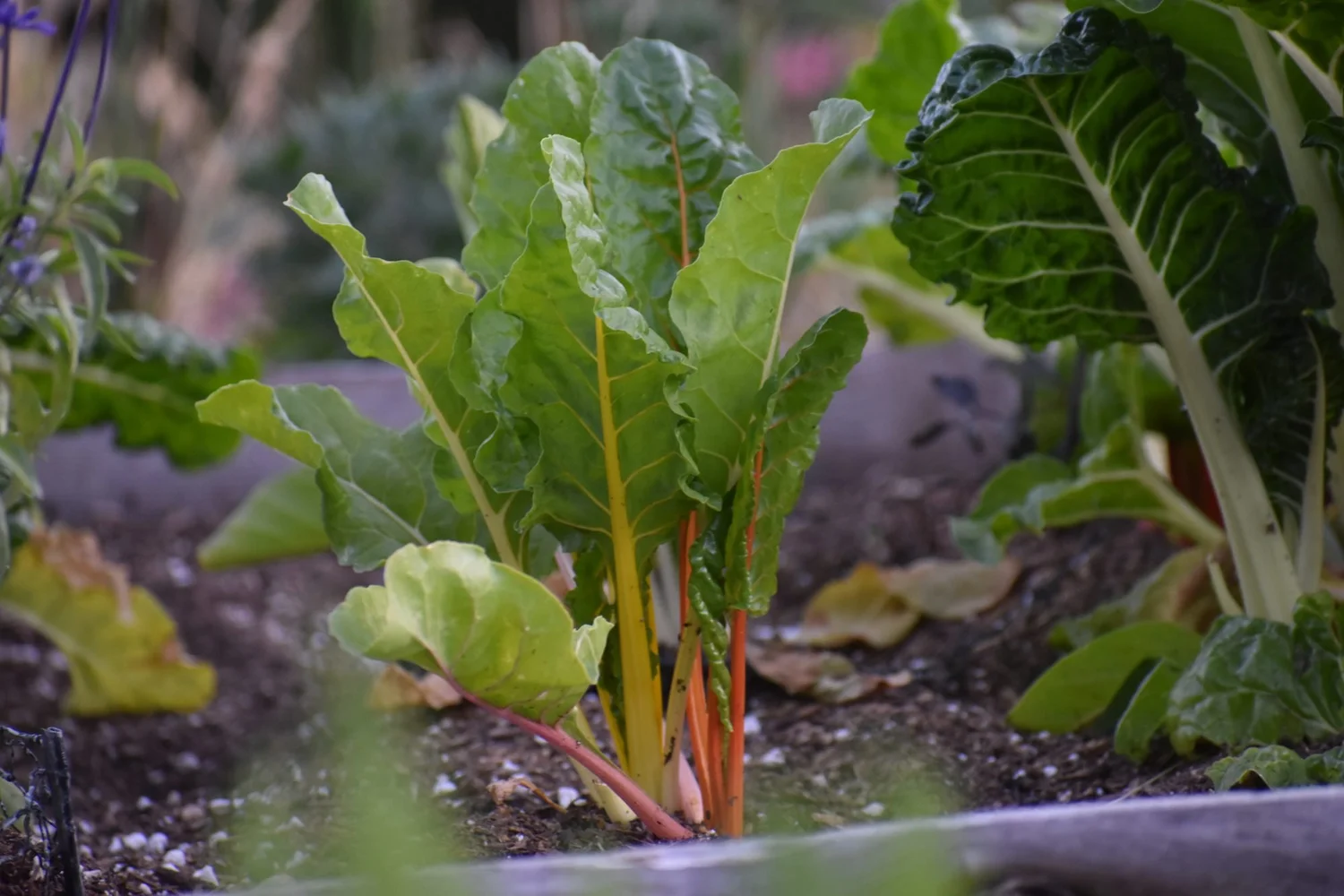
Greens: Lettuce, arugula, spinach, chard, and kale from fall plantings are at their sweetest after light frosts.
Brassicas: Broccoli, cauliflower, and Brussels sprouts planted in late summer are ready now.
Root vegetables: Carrots, beets, and radishes. Leave them in the ground and harvest as needed.
Alliums: Leeks are perfect for winter soups and stews.
Citrus: Peak season for lemons, oranges, and mandarins. Santa Cruz's mild coastal areas grow excellent citrus.
Herbs: Rosemary, sage, thyme, and parsley are harvestable year-round.
What Garden Tasks Should I Do in December?
Plant bare-root trees, berries, and perennials. This is the best month for it. Plants are fully dormant, cool wet weather helps roots establish, and you're investing in years of future harvests.
Mulch beds to protect soil from winter rains, prevent erosion, and add organic matter as mulch breaks down.
Prune fruit trees and berries while they're dormant. Remove dead, damaged, and crossing branches. Shape trees for better light penetration and air circulation.
Clean and organize tools and the garden shed. Sharpen shovels and pruners. Oil wooden handles. Take inventory of supplies.
Plan next year's garden on paper. Map beds, decide what to grow, research varieties suited to your microclimate.
Order seeds for spring planting. Heirloom tomato seeds sell out. Popular varieties from Renee's Garden and other suppliers go fast. Order in December to ensure availability.
Build or repair infrastructure. Raised beds, trellises, fencing, and irrigation systems are easier to work on when you're not actively growing.
Add compost to beds for spring planting. Winter rains help work it into the soil.
Harvest abundantly from fall plantings. Don't let greens and vegetables go to waste.
Start a garden journal for next year. Even basic notes about what worked and what didn't are valuable.
What Are Bare-Root Plants and Why Plant Them in December?
If there's one thing you should do in December, it's plant bare-root perennials. This is the best time of year for it.
Why December Is Ideal
Plants are fully dormant, which means minimal transplant shock. Cool, wet weather helps roots establish without stressing the plant. You're planting for years (or decades) of harvests. Selection is best early in bare-root season before popular varieties sell out.
What to Prioritize
Fruit trees suited to our climate: Low-chill varieties (300 to 500 chill hours) work best in Santa Cruz County. Look for Anna and Dorsett Golden apples, Santa Rosa plum, Blenheim apricot, and O'Henry peach.
Berries: Blueberries need acidic soil, which redwood areas naturally provide. Strawberries planted now establish over winter and produce heavily next spring. Raspberries and blackberries are low-maintenance producers.
Artichokes: Perfect for Santa Cruz County's mild winters. Plant crowns now for harvest next spring and for years after.
Asparagus: A 20-year investment. Plant crowns in December and wait patiently (light harvest in year 2, full harvest in year 3).
How Do Santa Cruz Microclimates Affect December Gardening?
Coastal (Aptos, Capitola, Santa Cruz, Live Oak)
Your mild temperatures (50s to 60s, rarely below 45°F) make December planting more feasible here than anywhere else in the county. For more on how location shapes your garden, see our guide to Santa Cruz microclimates. Direct seeding will be slow, but it works. Frost is very rare. You have the most stable winter temperatures in the county. Try direct seeding mâche, arugula, and peas if soil isn't waterlogged.
San Lorenzo Valley Sunny Ridges (Boulder Creek, Ben Lomond Sunny Exposures)
Watch for frost in low spots, but ridges often stay warmer (40s to 50s days, 30s to 40s nights). Skip direct seeding of greens unless you have a protected area with good sun. Focus on bare-root planting, which is excellent now. Your sunny microclimate advantage is less pronounced in December due to shorter days, but you still get decent sun exposure for establishing perennials.
San Lorenzo Valley Shaded Areas (Felton, Ben Lomond Canyons)
Soil may be too wet and cold (40s to 50s) for direct seeding annuals. Focus on planning and bare-root planting. Your shade means even less light during December's short days. This is a good time to plan, not plant annuals. Bare-root blueberries are an excellent choice since they love your acidic soil.
Inland Valleys (Scotts Valley, Soquel)
Similar to sunny mountain areas. Focus on bare-root planting and planning rather than direct seeding annuals. Temperatures vary by sun exposure. South-facing slopes are warmer.
Watsonville and Pajaro Valley
You're the warmest area in the county (50s to 60s), so December planting is most successful here. Try direct seeding cold-hardy greens. Bare-root planting is excellent. Your agricultural heritage means local nurseries understand what works in your microclimate.
How Do I Plan My Garden for Next Year?
Since planting is mostly on pause, December is the best month to plan next year's garden.
What to Plan
Map next year's garden beds. Use graph paper or a garden planning app. Note where you planted what this year so you can rotate crops.
Decide what to grow and where. Consider how much sun each bed gets, which crops you actually ate last year, and what you want to try new. Our companion planting guide can help you plan effective pairings.
Research varieties suited to your microclimate. Coastal gardeners need fog-tolerant tomatoes. Mountain gardeners can grow heat-lovers that struggle at the coast.
Order seeds. Heirloom tomatoes sell out. Popular varieties from specialty suppliers go fast. December orders ensure you get what you want.
Plan crop rotations. Don't plant tomatoes where you grew tomatoes last year. Rotate by plant family to reduce disease and pest pressure.
Sketch irrigation improvements. If you hand-watered all summer and it was exhausting, now is the time to plan drip irrigation. Our water-wise gardening guide covers efficient systems for every garden size.
List garden projects for the new year. New raised beds, better fencing, expanded growing space. Write it down.
Resources for Planning
Seed catalogs from Renee's Garden, Botanical Interests, and the Kitazawa brand, now carried by True Leaf Market, offer variety descriptions and planting guidance.
Last year's garden notes (if you kept them) remind you what worked and what didn't.
The Know Your Microclimate Worksheet (linked below) helps you understand your specific growing conditions.
Why Should You Start a Garden Journal in December?
If you don't already keep garden records, December is the perfect time to start. A garden journal is the best tool for improving your garden year after year.
What to Track
When you planted each crop and which variety. What thrived and what struggled. First and last harvest dates. Pest and disease problems and what you did about them. Weather observations like frost dates and unusual heat or cold. Microclimate notes about which beds get the most sun, where frost settles, and where soil stays wet. Ideas and plans for next year.
Even basic notes like "planted Early Girl tomatoes May 1, first harvest July 10, produced until October 15" are incredibly valuable when planning next year's garden.
Where Can You Find Local December Gardening Help?
Nurseries for Bare-Root Plants:
Sierra Azul Nursery (2660 E. Lake Avenue, Watsonville) carries an excellent selection of bare-root fruit trees, including low-chill varieties suited to our climate.
San Lorenzo Garden Center (235 River Street, Santa Cruz) stocks bare-root trees, berries, and roses in December and January.
Mountain Feed & Farm Supply (9550 Highway 9, Ben Lomond) carries fruit trees and has knowledgeable staff for San Lorenzo Valley growing conditions.
Seeds for Planning and Ordering:
Renee's Garden Seeds is based in Felton and specializes in varieties that thrive in our climate. Order early for best selection.
Kitazawa Seed Company offers Asian vegetable varieties perfect for our year-round growing season.
Education:
UC Master Gardeners of Monterey Bay offer winter workshops on fruit tree pruning and garden planning.
Where to get seeds: For varieties that do well in our climate, we like Seeds Now, a California company selling non-GMO, open-pollinated, and heirloom seed. (Affiliate link, see our disclosure.)
Frequently Asked Questions About December Gardening
Can I still plant lettuce in December?
From seed, germination will be very slow and may fail in cold, wet soil. From nursery transplants, yes, especially in coastal areas where temperatures stay mild. Look for starts at local nurseries and plant in your most protected spot. Growth will be slow but steady through winter.
I forgot to plant garlic in October. Can I plant it now?
It's too late for a good harvest. Garlic needs to experience cold temperatures (vernalization) to form cloves, but it also needs time to establish roots before deep winter. Garlic planted in December often produces small, poorly-formed bulbs. Mark your calendar for next October and don't miss the window.
Is it too late to plant bare-root fruit trees?
Not at all. December through February is bare-root season, and this is the perfect time. Planting early in the season gives trees maximum time to establish roots before spring growth begins. Shop now for the best variety selection.
When should I start seeds indoors for spring?
Not yet. Starting warm-season seeds (tomatoes, peppers, squash) too early results in leggy, weak seedlings. Wait until late January for peppers and mid-February for tomatoes. Starting too early is one of the most common seed-starting mistakes.
What should I do with my garden beds in December?
Add 2 to 3 inches of compost and cover with mulch. Winter rains will work the organic matter into the soil. If beds are empty, plant a cover crop like fava beans or crimson clover. These add nitrogen and organic matter while preventing erosion and weed growth.
Can I prune my fruit trees now?
Yes. December through February is the ideal time to prune deciduous fruit trees while they're dormant. Remove dead, damaged, and crossing branches. Open up the center for light and air circulation. Don't prune citrus now; wait until after the last frost in spring.
Why are my winter greens growing so slowly?
Short days and cool temperatures slow plant growth significantly in December. This is normal. Your greens aren't failing; they're just resting. Growth will pick up in February as days lengthen. In the meantime, harvest outer leaves and let plants continue growing slowly.
What's the best thing I can do for my garden in December?
Plant a bare-root fruit tree. For a few hours of work and modest cost, you're investing in 20 to 50 years of harvests. Choose a low-chill variety suited to Santa Cruz County, plant in well-amended soil, and water through dry periods next summer. It's the best return on investment in gardening.
Free Gardening Resources
Seasonal Planting Calendar : Month-by-month planting guide for Santa Cruz County, including December's limited but important planting windows.
Know Your Microclimate Worksheet : Identify your specific growing conditions to make better planting decisions year-round.
Seasonal Tasks Checklist : Track December tasks like bare-root planting, pruning, and garden planning.
Beginner Garden Setup Checklist : If you're planning a new garden for spring, start your preparation now.
Enjoy the Quiet Season
December is the garden's rest month. Not dormant (we don't do fully dormant in Santa Cruz County), but resting. Growth slows. The frantic pace of summer planting is months away.
This is a month to appreciate what's still growing, to harvest winter greens and citrus, to plan thoughtfully for next year, to invest in perennials that will produce for decades, and to enjoy the slower rhythm before spring's busy season begins.
Plant your bare-root trees. Order your seeds. Sketch your plans. And let the garden rest.
January brings the return of planting season. For now, December's gentle pace is its own kind of gift.
