


Growing Heritage Apples in the Santa Cruz Banana Belt
The Banana Belt's warmth is a gift for most crops, but apples have a quirk: they want cold. These warm, frost-free slopes bank fewer winter chill hours than the cooler valleys, so growing a heritage apple here is about matching the variety to the chill you actually get. Done righ
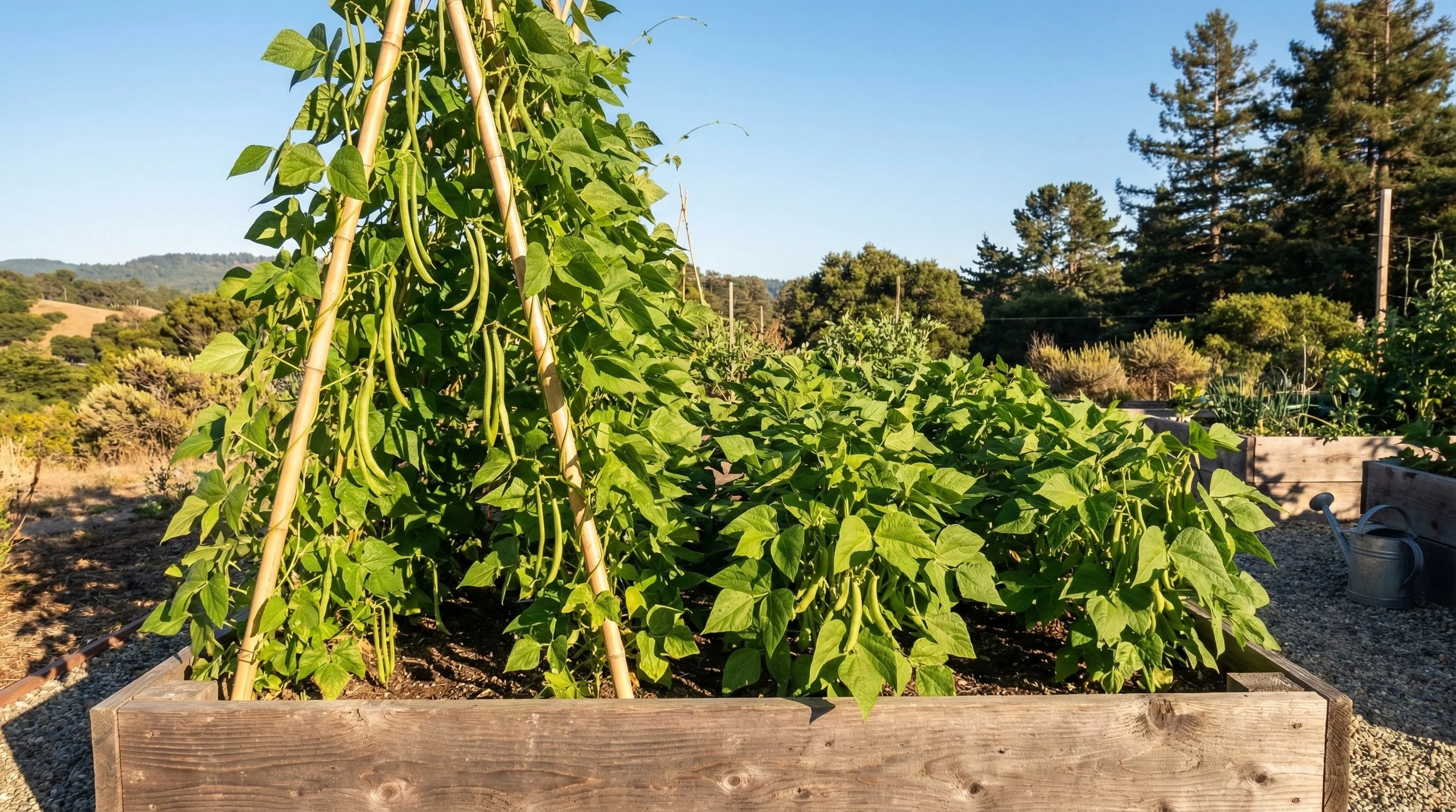
Pole Beans vs. Bush Beans: Which to Grow
Pole beans climb and produce for months. Bush beans stay compact and harvest all at once. Here is how to choose the right type for your garden.
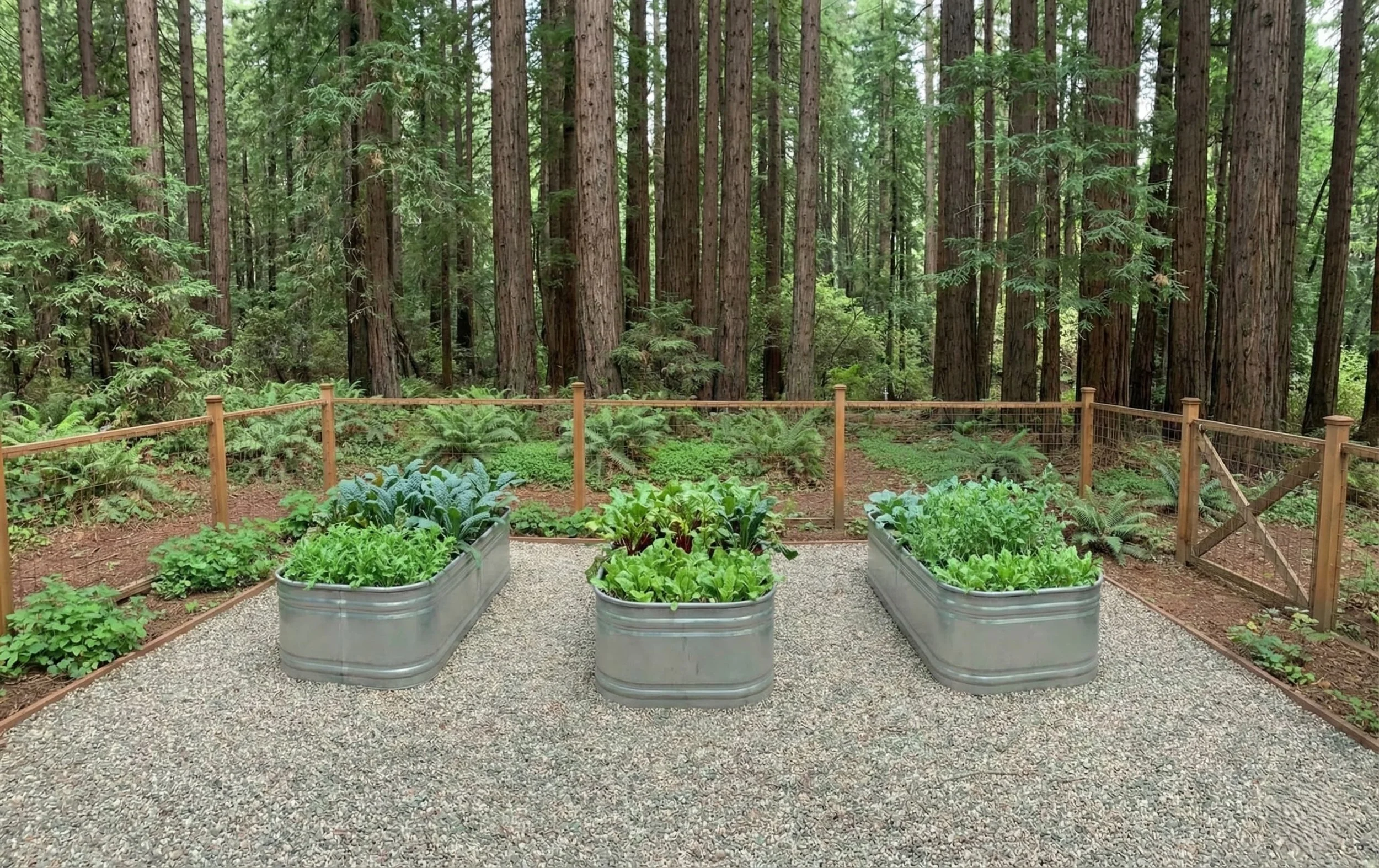
Growing Romaine Lettuce in the Coastal Fog Belt
If you garden in the immediate coastal band, the foggy strip through Santa Cruz, Capitola, the Aptos coast, and out toward Davenport, you have landed in the single best place in the county to grow lettuce. The cool, damp summers that frustrate tomato growers are exactly what a romaine wants.

Growing Sugar Snap and Snow Peas in Santa Cruz
Sugar snap and snow peas thrive in Santa Cruz County's cool seasons. Plant them in fall or late winter for sweet, crunchy harvests through spring.
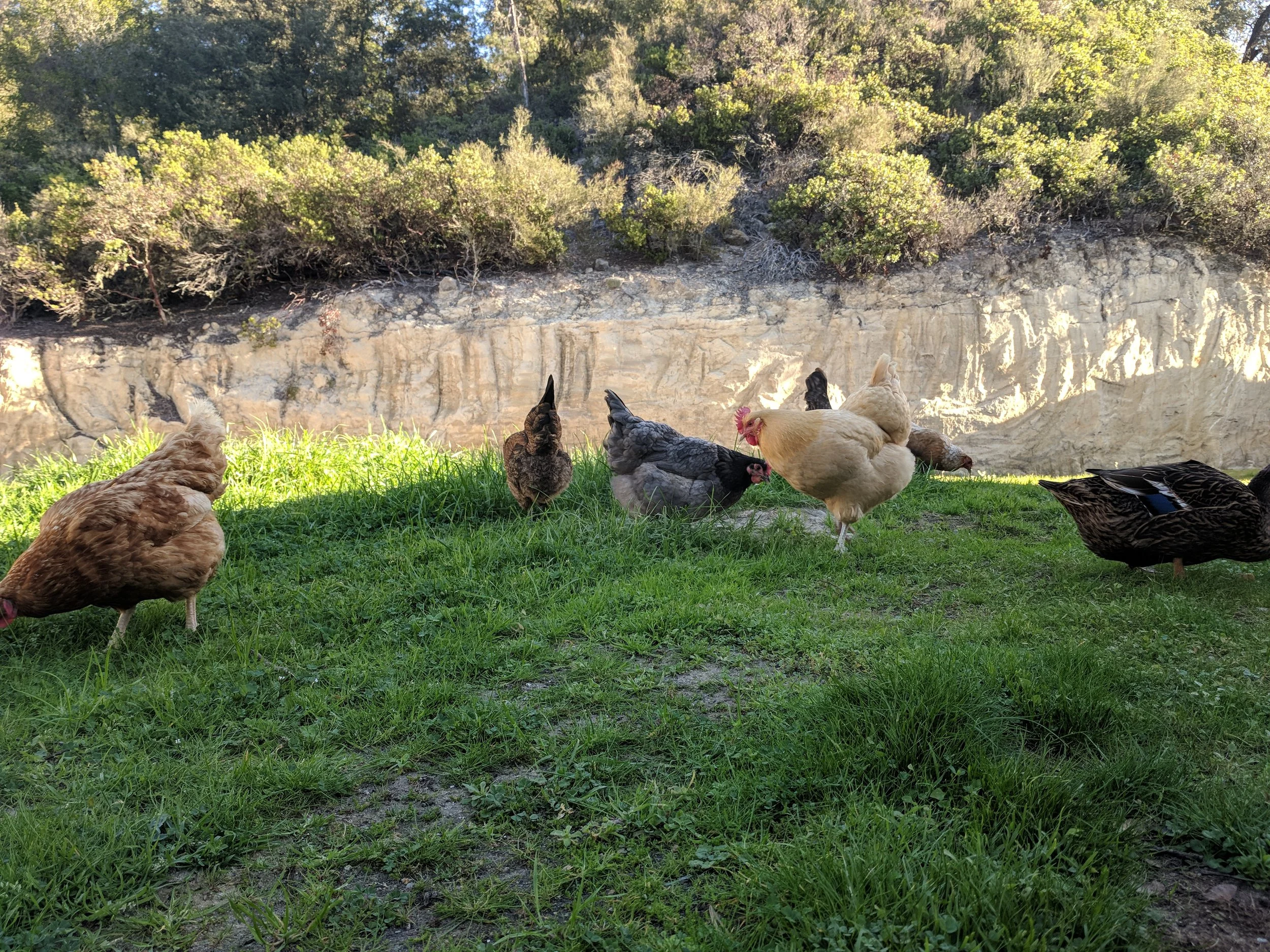
Are Ducks or Chickens Better for Slug and Snail Control?
Ducks beat chickens at slug and snail control, especially in foggy coastal gardens. Here is why, and how to manage their access to your beds.
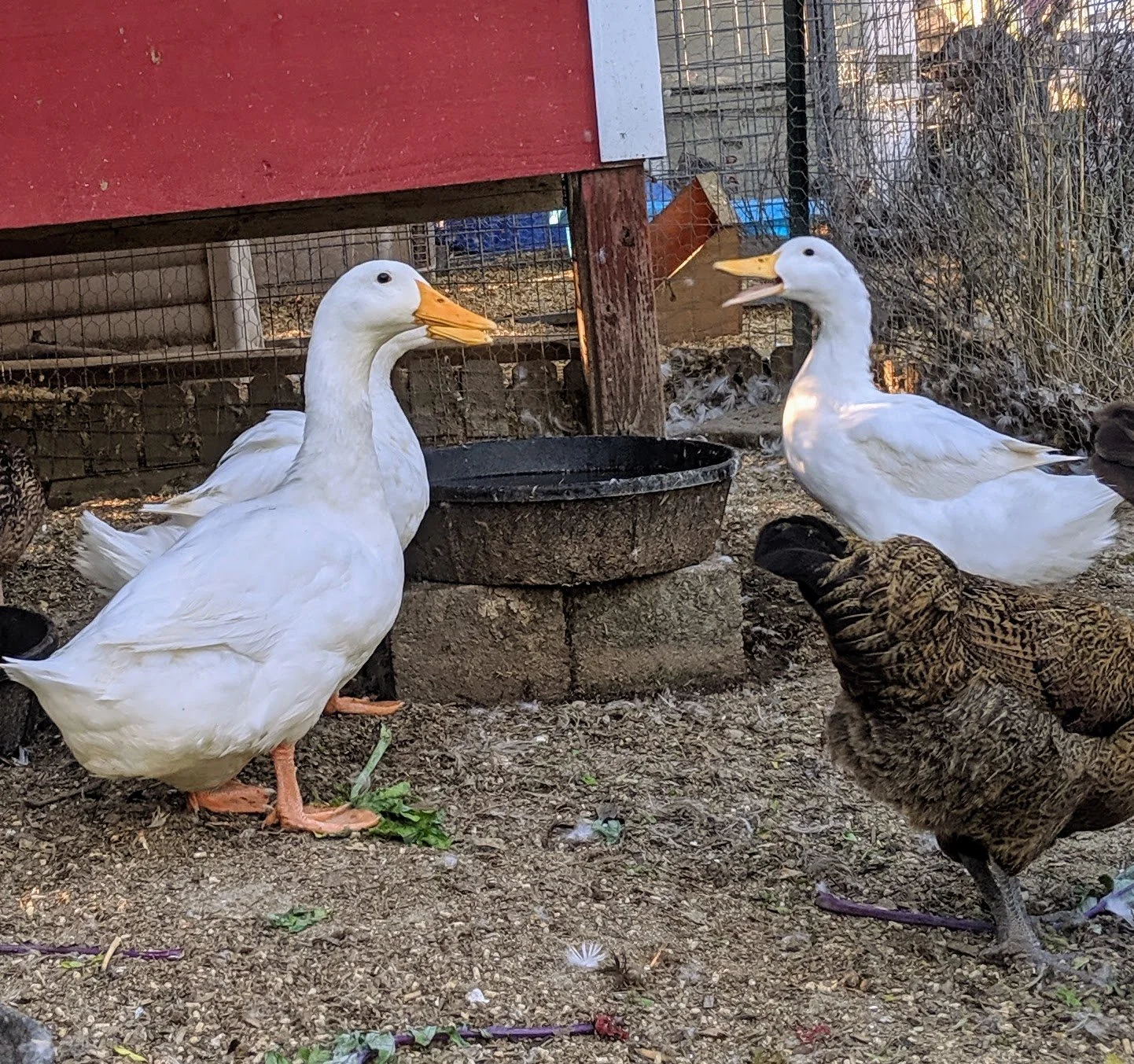
Why Do My Ducks Keep Splashing All the Water Out?
Ducks splash water because dabbling is a hardwired behavior. Learn practical water station designs that manage the mess in your Santa Cruz backyard.

Growing Grapes in the San Lorenzo Valley
The San Lorenzo Valley sits at the heart of one of California's most distinctive grape-growing landscapes. Above the summer fog line, on the sunny ridges that define the Santa Cruz Mountains, grapes are not just possible here. They are part of the region's identity.
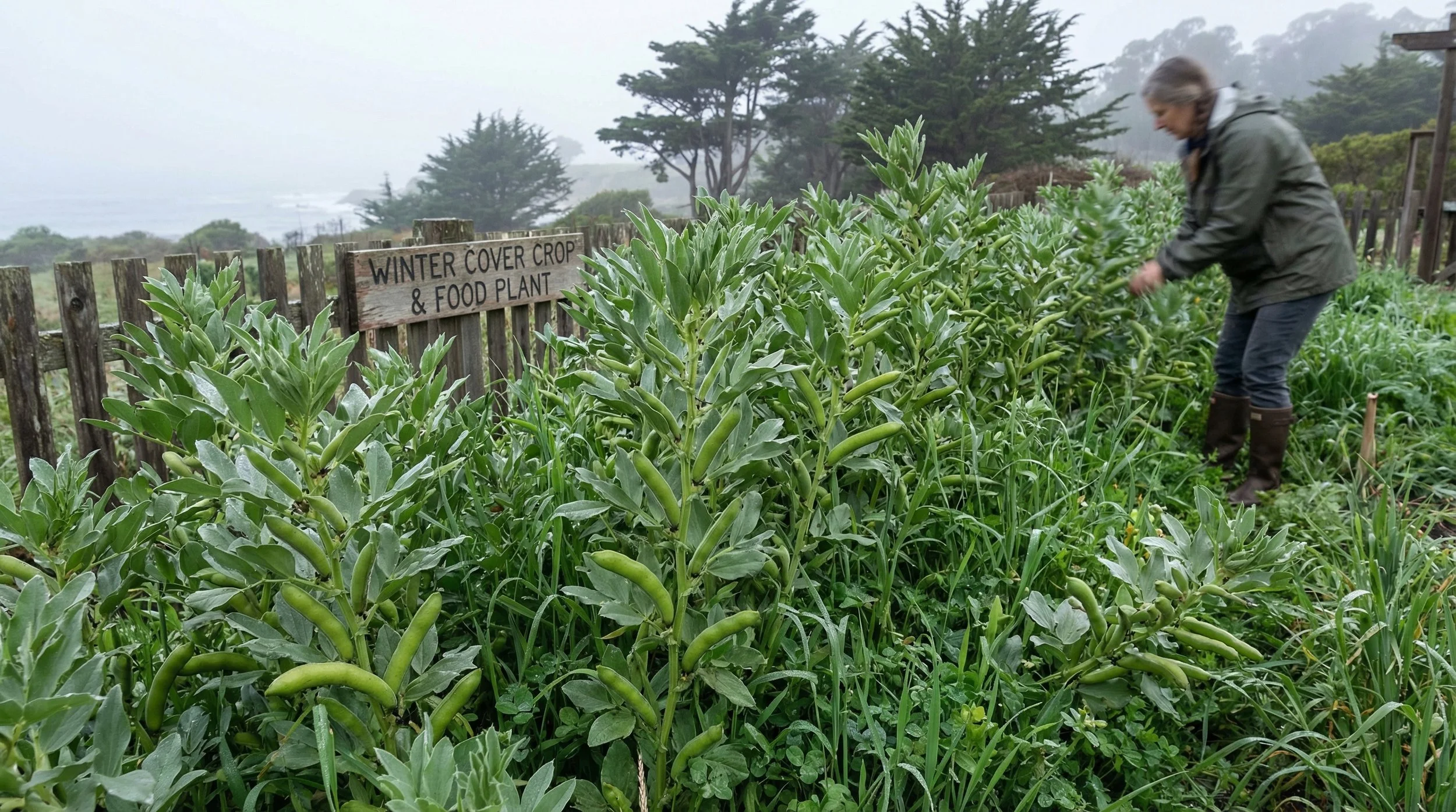
Growing Fava Beans: Winter Cover Crop and Food
Fava beans fix nitrogen, protect bare soil through winter, and produce a delicious harvest. They are the ultimate dual-purpose crop for Santa Cruz gardens.
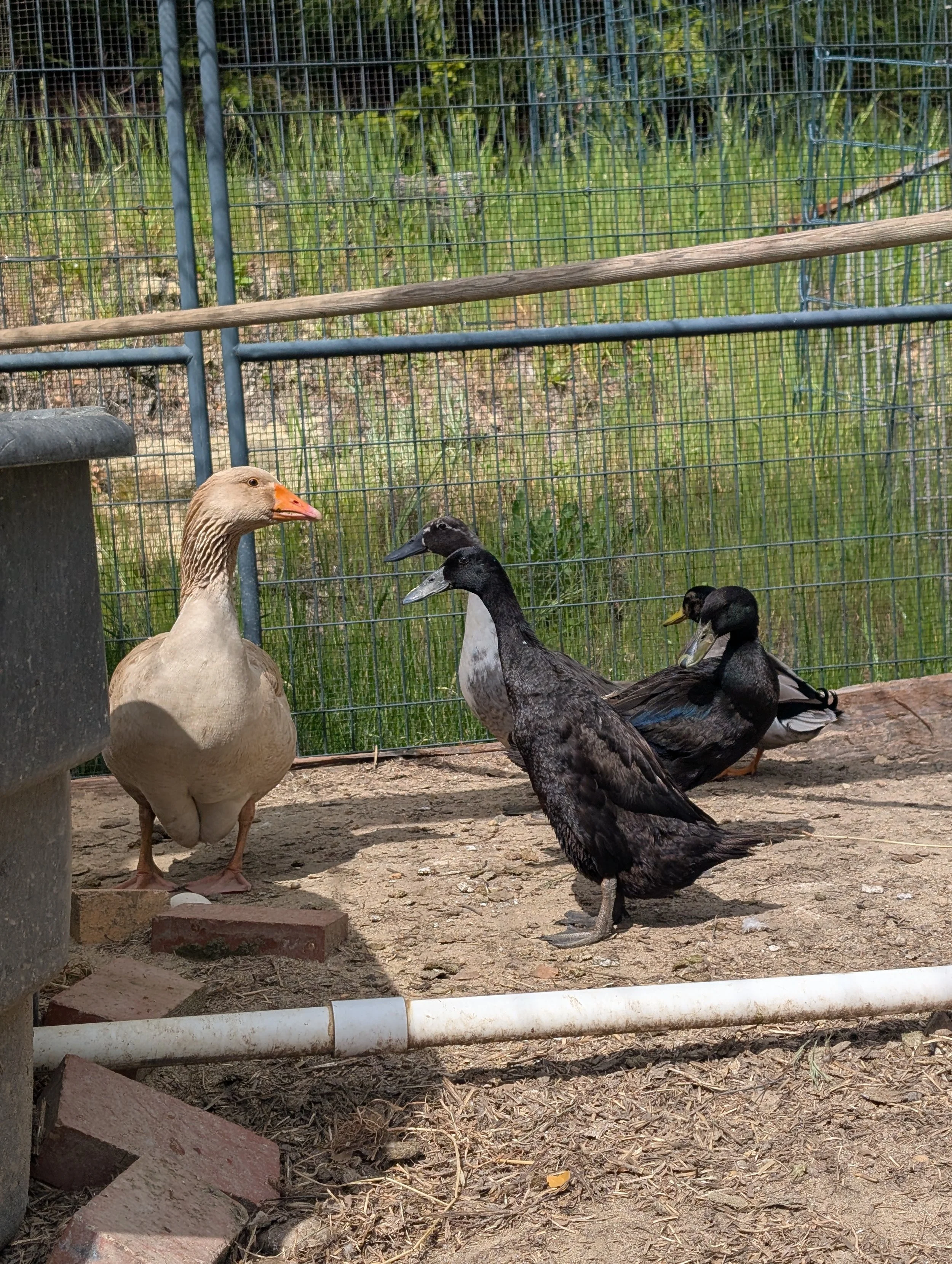
Keeping a Goose: What to Know About Single-Goose Flocks
What to expect keeping a single goose in a mixed flock, from Toulouse temperament and bonding behavior to the truth about guard geese in Santa Cruz County.
Growing Sugar Snap Peas in the Pajaro Valley
In Watsonville, Corralitos, and the south county ag land, the warmest microclimate in the county, sugar snap peas are best treated as a true winter crop. Sow in fall, harvest through winter and early spring, and finish before the heat.

Garden Prep: From Lawn to Garden
Transform your lawn into productive garden beds using the method that fits your timeline and effort level. Sheet mulching is ideal for most Santa Cruz gardens, building soil while killing grass.

Growing Mint in Santa Cruz: Tips for Containing This Vigorous Herb
Mint is one of the easiest herbs to grow in Santa Cruz County, perhaps too easy. This vigorous spreader can quickly escape its boundaries and colonize your entire garden if you're not careful. Here's how to enjoy abundant mint harvests while keeping this enthusiastic herb under control.
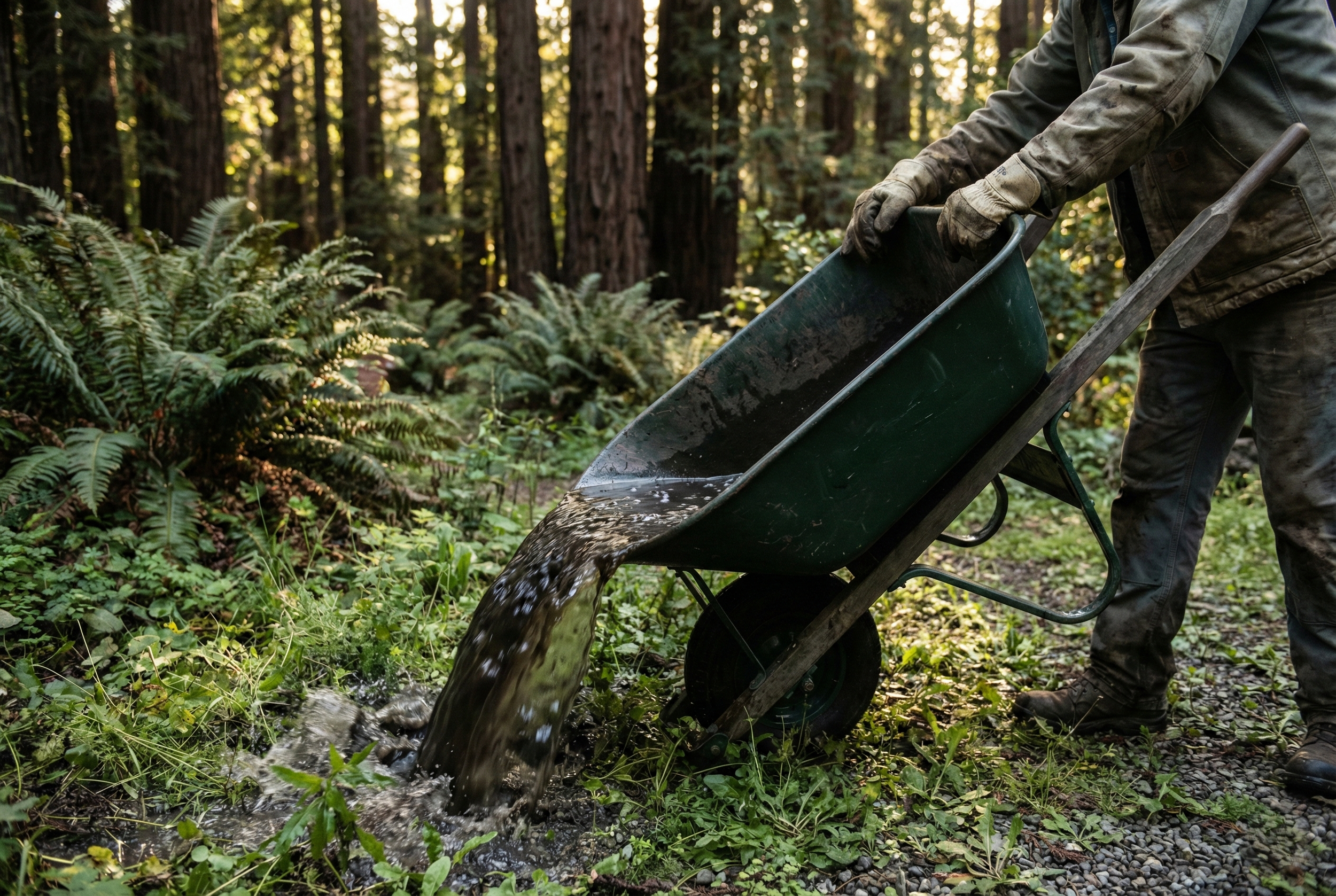
How to Eliminate Mosquitoes in Your Santa Cruz Garden
Mosquitoes aren't just annoying. With invasive Aedes aegypti now in Boulder Creek and other parts of Santa Cruz County, they're a health concern. The good news? Mosquito control is within your power. Learn to eliminate breeding sites, get free mosquito fish from Vector Control, use biological larvicides, and create habitat for natural predators like bats and dragonflies, all without harmful pesticides.
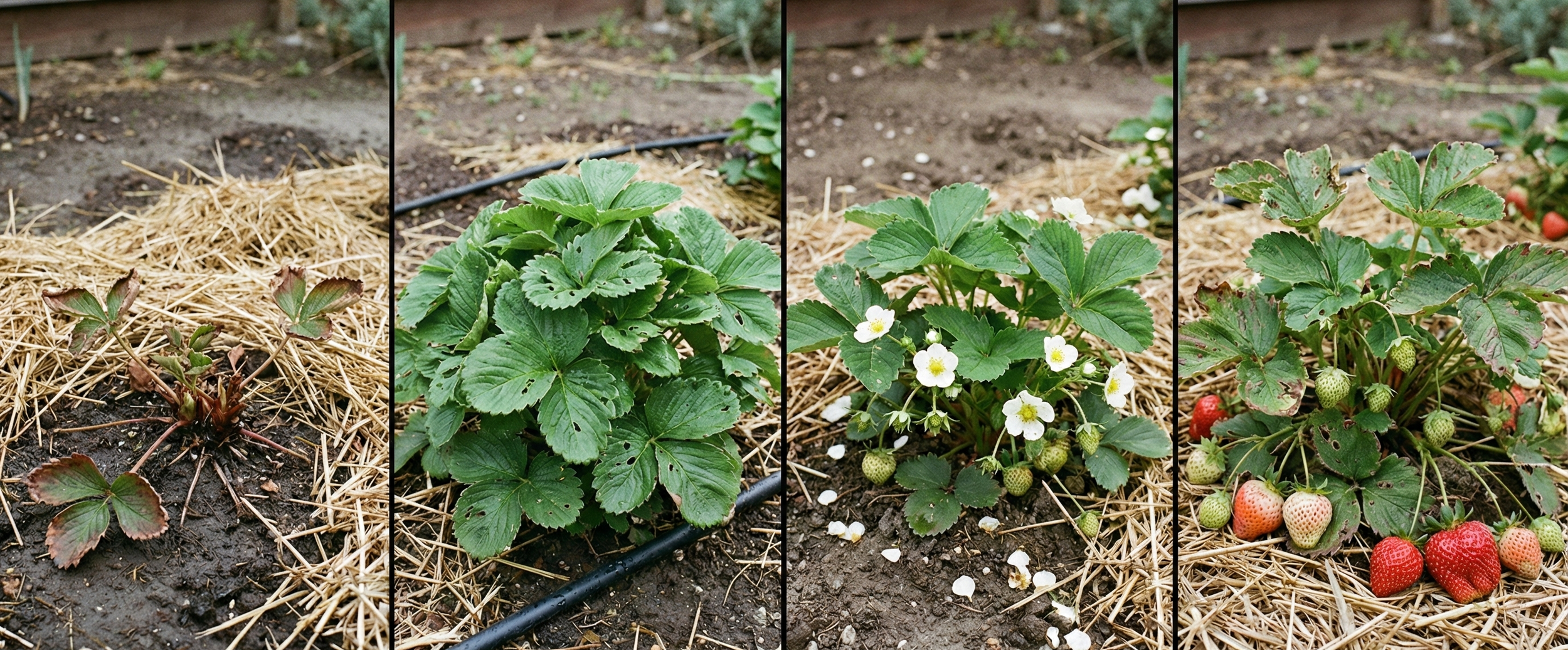
Understanding Strawberry Growth Stages in Your Santa Cruz Garden
Every strawberry plant moves through predictable growth stages, from winter dormancy through flowering, fruiting, and runner production. This guide explains each stage as it unfolds in Santa Cruz County gardens, including what to look for, what care each stage needs, and how timing varies by microclimate and variety type.

Succession Planting Beans for Continuous Harvest
One planting of bush beans lasts about three weeks. Succession planting every few weeks keeps fresh beans on the table from June through October.
Growing Romaine Lettuce in the Santa Cruz Banana Belt
If you garden in the county's warm sunny pocket, the hill belts above the fog around Soquel, Aptos, and the sunnier side of Santa Cruz, you can grow excellent romaine. The catch is the opposite of the tomato story: here you plant lettuce around the warm season rather than into it.
Growing Grapes in the Santa Cruz Coastal Fog Belt
Grapes and the coastal fog belt are a mismatch. The cool, damp mornings that make this stretch of Santa Cruz County so pleasant to live in are the same conditions that make grapes struggle. You can grow them, but you have to choose carefully and work with the climate, not
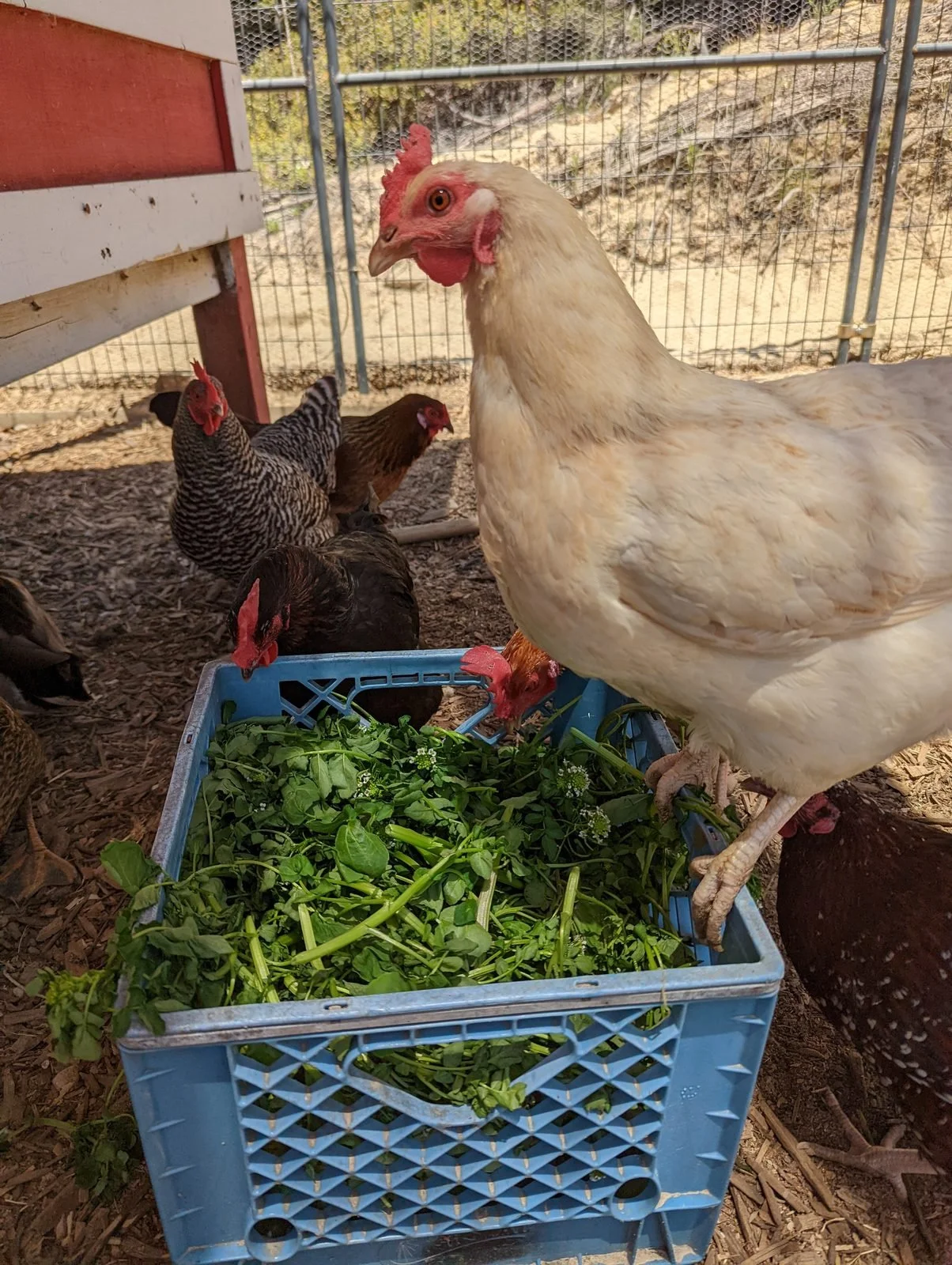
When Do Young Hens Start Laying Eggs?
Most pullets start laying around 18 to 22 weeks. Learn the signs, why first eggs look odd, and how Santa Cruz fog months can delay the first egg.
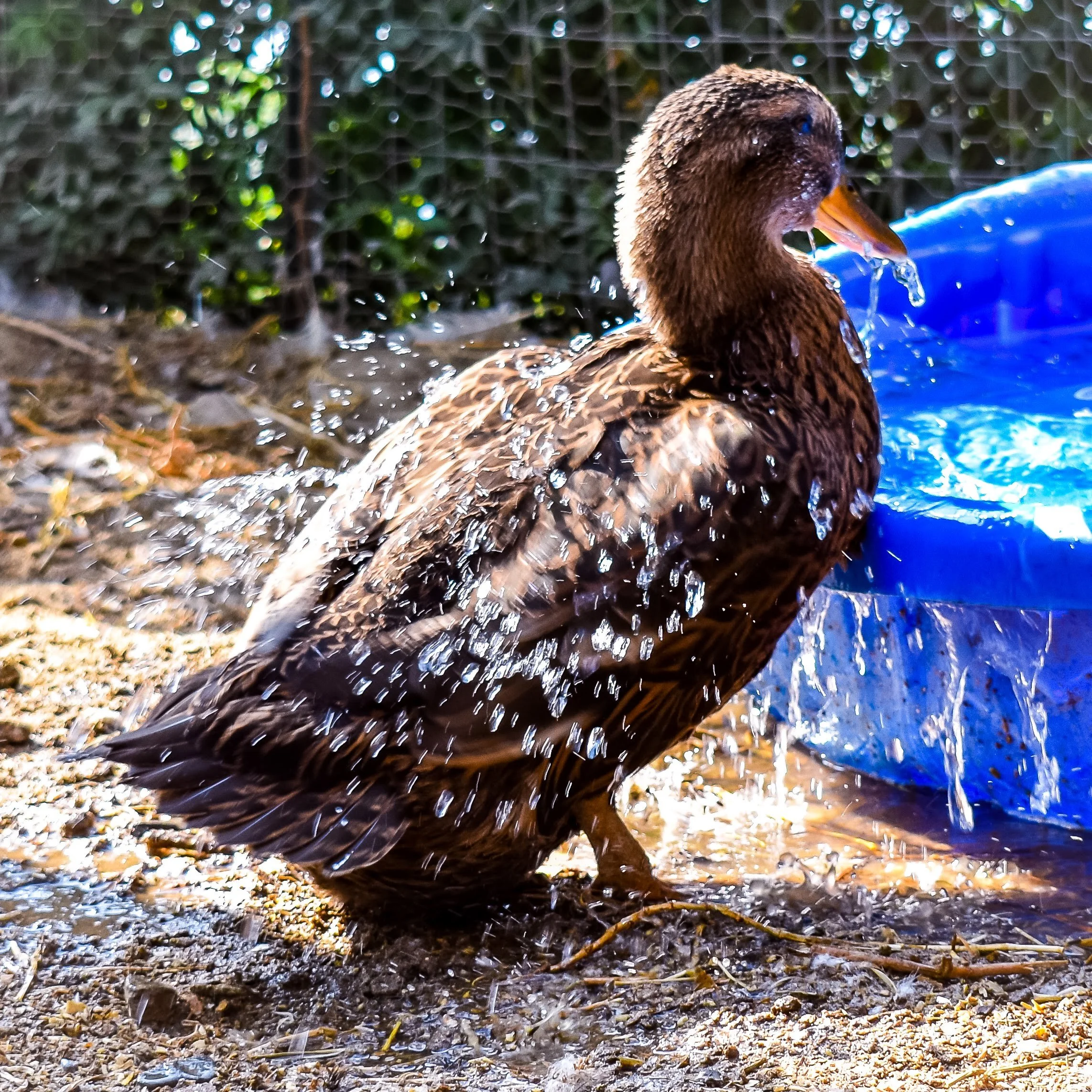
Do I Need a Pond for Backyard Ducks?
Backyard ducks do not need a pond, but they do need water deep enough to submerge their heads. Practical water setup options for Santa Cruz duck keepers.
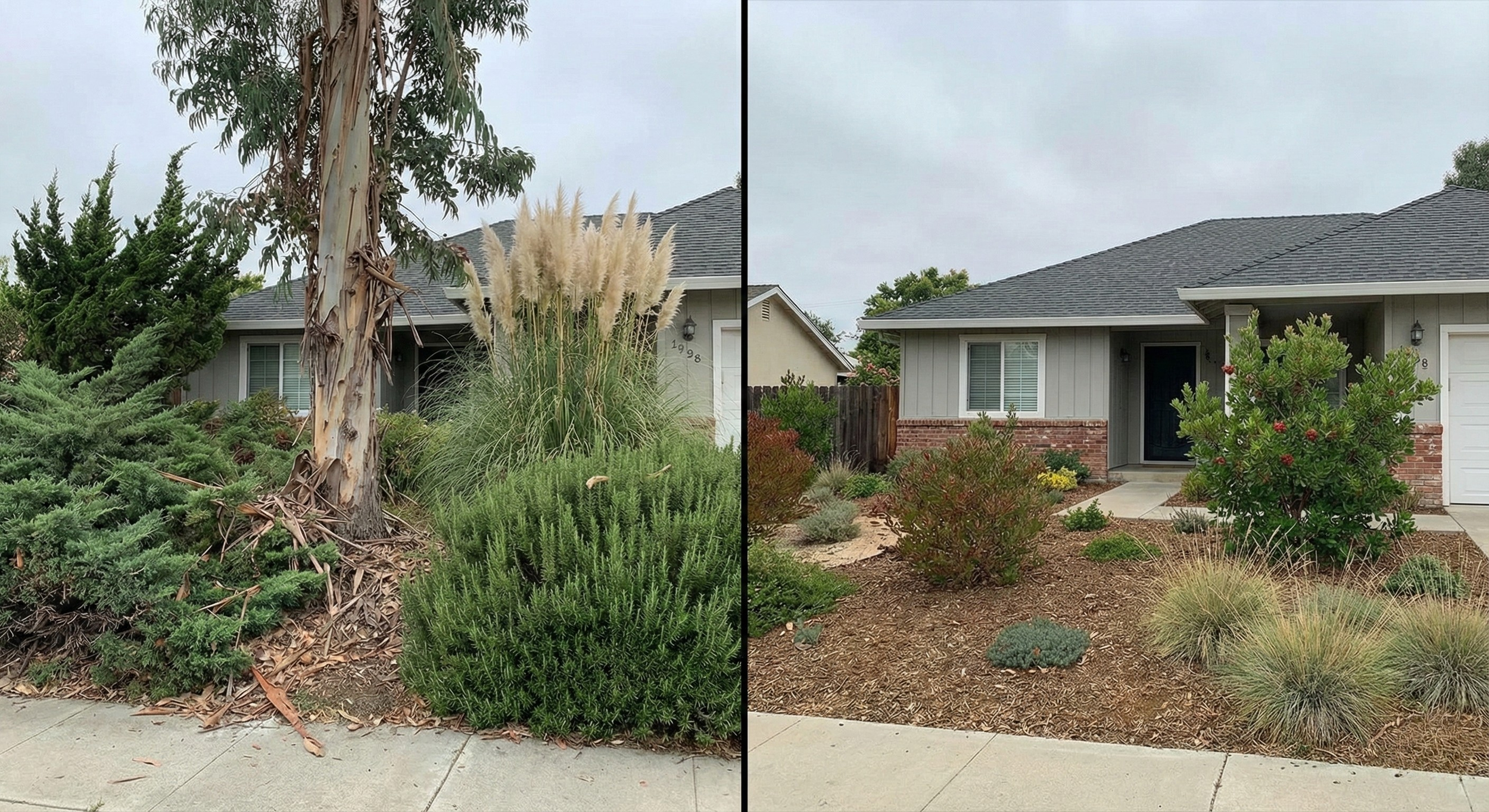
These Common Garden Plants Are a Fire Hazard Near Homes
Some of the most common landscaping plants in Santa Cruz County are also the most dangerous in fire season. Juniper, eucalyptus, cypress, and pampas grass create fire pathways to your home. Learn which plants to avoid or remove from your defensible space, especially in high-risk areas like Boulder Creek, Ben Lomond, Brookdale, and Felton. Knowing what NOT to plant is just as important as choosing fire-resistant alternatives.