

Why Do My Ducks Keep Splashing All the Water Out?
A few of the product links in this guide are affiliate links. If you buy through one, Ambitious Harvest may earn a small commission at no extra cost to you, which helps keep these guides free. We only point to gear we would use in our own Santa Cruz garden. As an Amazon Associate, we earn from qualifying purchases. Read our full disclosure.
Why Do My Ducks Keep Splashing All the Water Out?
Ducks splash water out because dabbling, dunking, and washing are hardwired behaviors, not bad habits you can train away. According to UC Davis Veterinary Medicine, domestic ducks retain the same water-related instincts as their wild ancestors, including using water to eat (they scoop food and wash it down with water), clean their bills, flush their nostrils, and preen their feathers. You cannot stop ducks from being ducks, but you can manage the mess.
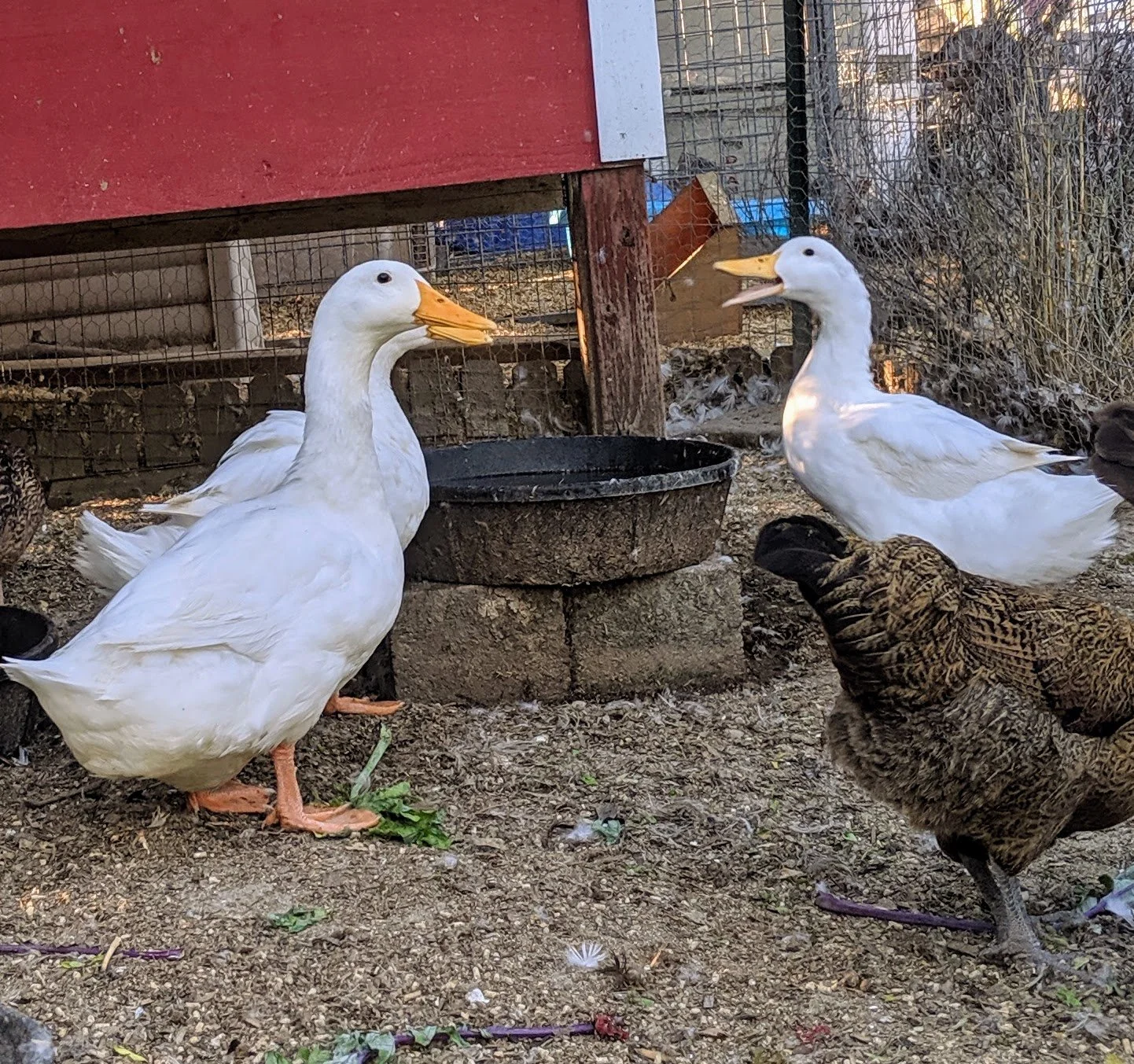
My Black Runner and Mallard in Boulder Creek empty a standard poultry waterer in about 20 minutes. They shove their entire heads in, fling water sideways while eating, and turn any container into a mud pit. After trying several setups, I have landed on a system that works: separate stations for drinking water and bathing water, placed on a gravel pad with drainage.
For drinking water, use a narrow, deep container that ducks can submerge their heads in but cannot climb into. A 5-gallon bucket with a vertical nipple waterer is one option, though ducks prefer open water. A better compromise is a deep, narrow trough (about 6 inches wide and 8 inches deep) that allows head dunking but is too narrow for full-body splashing. Place it on a wire-topped platform over a gravel-filled drain area so splashed water drains away from the run surface instead of creating mud.
For bathing, give them a designated splash zone. A kiddie pool or rubber stock tub placed on gravel or pea stone in a corner of the run lets them get their water time without turning the whole run into a swamp. I drain and refill our pond every two to three days. The dirty water goes straight onto the garden beds, which keeps things efficient and gives the vegetables a nitrogen boost.
Placement matters as much as the container. Keep all water stations as far from the coop as possible. Wet bedding is the fastest path to respiratory issues and bumblefoot in both ducks and chickens. If you keep a mixed flock, your chickens will appreciate having a separate, calmer water source that the ducks are not constantly churning.
During Santa Cruz's rainy season, the splashing problem compounds because the run is already wet. Consider covering your water stations with a small roof or tarp. This keeps rainwater from adding to the mess and keeps the drinking water cleaner between refills.
This week: Move your duck water station onto a gravel pad or pea stone area with good drainage. If you do not have gravel, even a few inches of coarse wood chips underneath will keep the area from becoming a mud pit.
Keep Reading
- Keeping Ducks in Your California Garden
- Do I Need a Pond for Backyard Ducks?
- Keeping a Mixed Flock: Chickens, Ducks, and Geese Together
Frequently Asked Questions
Why do my ducks splash so much water out of their containers?
Splashing is instinctive, not a bad habit. Dabbling, dunking, and washing are hardwired behaviors ducks use to eat, clean their bills, flush their nostrils, and groom their feathers.
Is there a waterer that splashes less?
Use a narrow, deep container, around 6 inches wide and 8 inches deep, that lets a duck submerge its head but not its whole body. A 5-gallon bucket with a nipple waterer also works, though ducks prefer open water for bathing.
How do I keep the duck area from turning to mud?
Set water stations on gravel or wood-chip pads with good drainage, and keep them away from the coop to avoid wet bedding, which can lead to respiratory issues and bumblefoot. Draining the bathing water onto garden beds every few days puts it to good use.
