

Growing Sugar Snap Peas in the Pajaro Valley
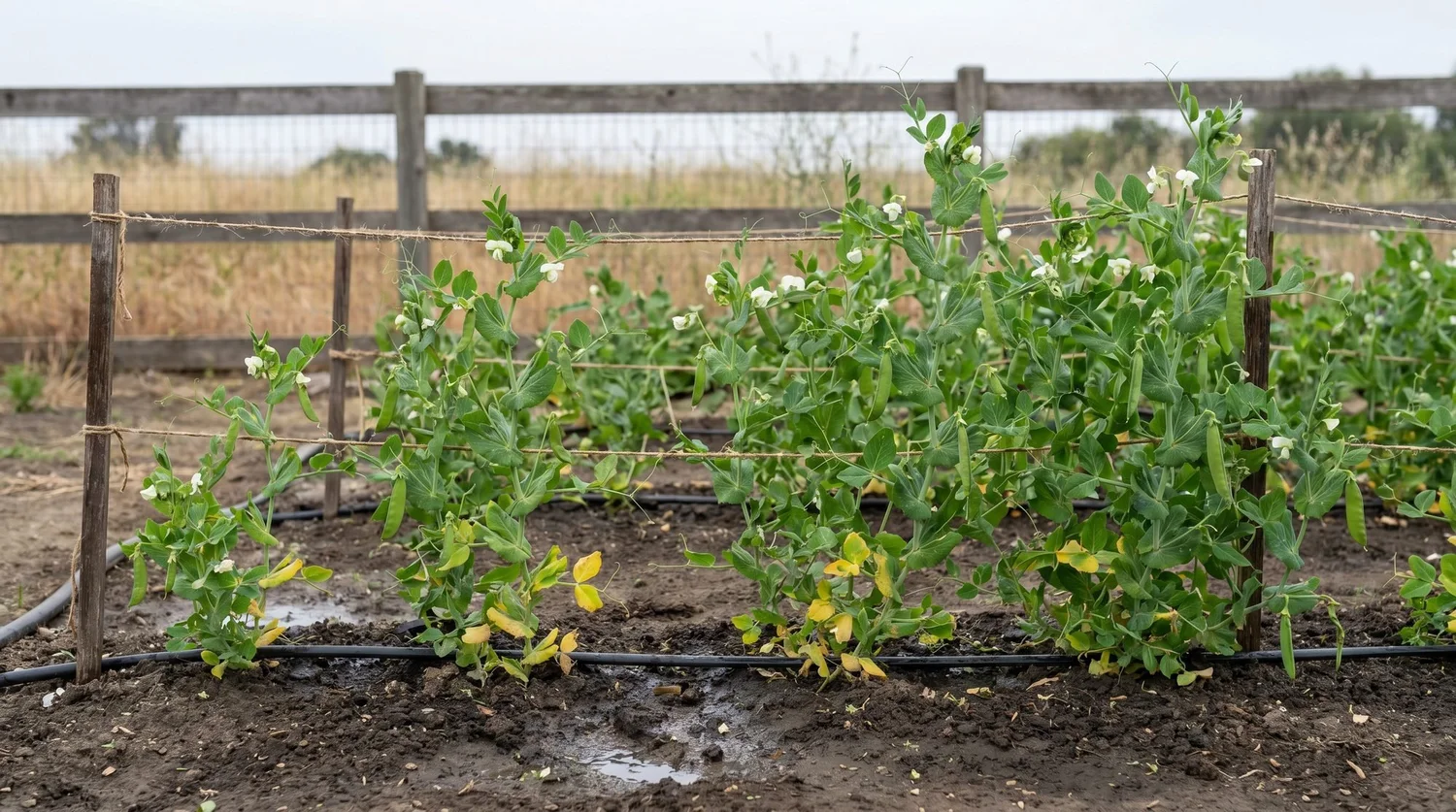
In Watsonville, Corralitos, and the south county ag land, the warmest microclimate in the county, sugar snap peas are best treated as a true winter crop. Sow in fall, harvest through winter and early spring, and finish before the heat.
Quick verdict: Good fit, with a narrower window. The Pajaro Valley's rich soil grows superb peas, but it is the county's warmest pocket and the fog burns off sooner, so the heat that ends pod set arrives earliest here. The move is to grow peas as a winter crop: sow in fall, crop through the cool months, and wrap up by mid-spring.
Why peas are a winter crop here
The Pajaro Valley is famous for produce because of its deep, fertile soil and its warmer, more inland-influenced climate. The fog that lingers all morning on the coast burns off sooner in Watsonville, so the valley banks more heat through the day and into the season. That is wonderful for warm-season crops and for getting big, vigorous pea vines fast, but it also means the warm spell that shuts down pea flowering arrives earlier and hits harder than it does up the coast. Spring is short for peas here. The reliable season is the cool half of the year, when the valley delivers mild days, rich soil, and a long stretch of productive weather.
When to plant in the Pajaro Valley
Frost reference: the inland valley floor and the low spots around Corralitos can drop colder on clear winter nights than the coast, settling into cold-air pockets, though hard freezes are still uncommon. A light frost will not hurt an established pea plant and can even sweeten the pods. Plan your dates around the warm end, not the cold end: get peas sown in fall so they crop before the valley heats up in spring. See vegetables that handle frost and cold nights.
Sun, water, and beating the heat
Sun: Through the cool months, give peas full sun for the strongest growth and sweetest pods. There is no heat penalty in winter here, so do not hold them back.
Water: The valley's rich soil holds moisture well, but warm, sunny afternoons pull it out faster than on the coast. Keep peas steadily watered through pod fill, since heat plus dry roots is what turns Pajaro Valley pods tough early. As spring warms, mulch to keep the root zone cool and stretch the harvest a little longer.
Microclimate notes
The Pajaro Valley's defining trait for peas is timing, not technique. Earlier-burning fog and more daytime heat mean the productive pea season ends sooner in spring than anywhere else in the county, so the calendar does more for you than any single trick. The flip side is a real advantage: the valley's deep, fertile ag soil grows lush, heavy-cropping pea vines with little fuss, and germination in still-warm fall soil is fast and even. Choose fast-maturing varieties for any late planting so the crop finishes before the heat. For the local context, read gardening in Watsonville and the Pajaro Valley and the Santa Cruz microclimates explainer.
Sugar snap variety traits
- Sweet, crisp edible pod eaten whole, the classic snacking pea.
- For a fall main crop, long-vining Super Sugar Snap uses the long cool season and crops heavily.
- For a late-winter or early-spring sowing racing the heat, choose fast bush types like Sugar Ann or Cascadia (about 56 to 60 days).
- In the valley's warmth, days to maturity matters most: the faster the variety, the more it crops before spring heat ends it.
Common pests in this zone
- Aphids: The most persistent valley pea pest, building quickly on warm spring growth. Rinse them off or rely on ladybugs and lacewings.
- Cucumber beetles and other ag-edge pests: common in this farming valley; keep beds clean and rotate where peas grow each year.
- Birds: heavy songbird pressure on fresh sprouts in open valley gardens. Net seedlings until established.
Common problems and fixes
- Crop ends abruptly in spring: the valley's early heat shutting down pod set. This is expected. Sow in fall so the bulk of your harvest lands in the cool months.
- Tough, starchy pods early: warm afternoons plus dry soil during pod fill. Keep water consistent and pick young and often.
- Leggy vines, few pods: over-rich soil and warmth can push leaf over fruit. Go easy on nitrogen, since peas fix their own.
Companion crops
In the valley's cool season, peas pair well with lettuce, spinach, carrots, and brassicas like broccoli and cabbage, all of which relish the same winter weather. As legumes, peas add nitrogen for the heavy feeders that follow in the warm season. Keep peas away from onions and garlic, which suppress their growth.
Harvesting
Pick sugar snaps when pods are plump, round, and still glossy, usually about a week after flowering. In the valley's bright winter days the harvest is generous and steady, so pick every couple of days to keep new flowers coming. As spring warms, harvest aggressively, because the window closes faster here than on the coast. The first warm, dry afternoons are your signal to bring in the rest of the crop before the pods toughen.
Local tip: Treat peas as a winter crop, not a spring one. Sow in October into warm, rich soil for fast germination, and let the long cool season do the work. Save your fast-maturing bush varieties for any January sowing so the crop finishes before the valley's early spring heat ends pod set. The calendar is your most powerful tool in the county's warmest microclimate.
Where to get seeds: For varieties that do well in our climate, we like Seeds Now, a California company selling non-GMO, open-pollinated, and heirloom seed. (Affiliate link, see our disclosure.)
Frequently asked questions
Why does my Pajaro Valley pea crop end so early in spring?
Because this is the county's warmest microclimate and the fog burns off sooner, the heat that stops pea flowering arrives earliest here. Sow in fall so your main harvest falls in the cool winter months instead.
Can I grow peas all winter in Watsonville?
Yes. A fall sowing crops right through the mild valley winter and into early spring. Light frost on cold valley nights does not harm established peas and can even sweeten the pods.
My valley peas grow huge but set few pods. Why?
The rich ag soil plus warmth can push leafy growth at the expense of fruit, especially if you add nitrogen. Peas fix their own nitrogen, so skip the high-nitrogen feed and let them fruit.
Which variety is best for the Pajaro Valley?
For a fall main crop, a long-vining type like Super Sugar Snap. For any late-winter planting that has to beat the spring heat, a fast bush variety like Sugar Ann finishes before pod set shuts down.
