

Are Ducks or Chickens Better for Slug and Snail Control?
Are Ducks or Chickens Better for Slug and Snail Control?
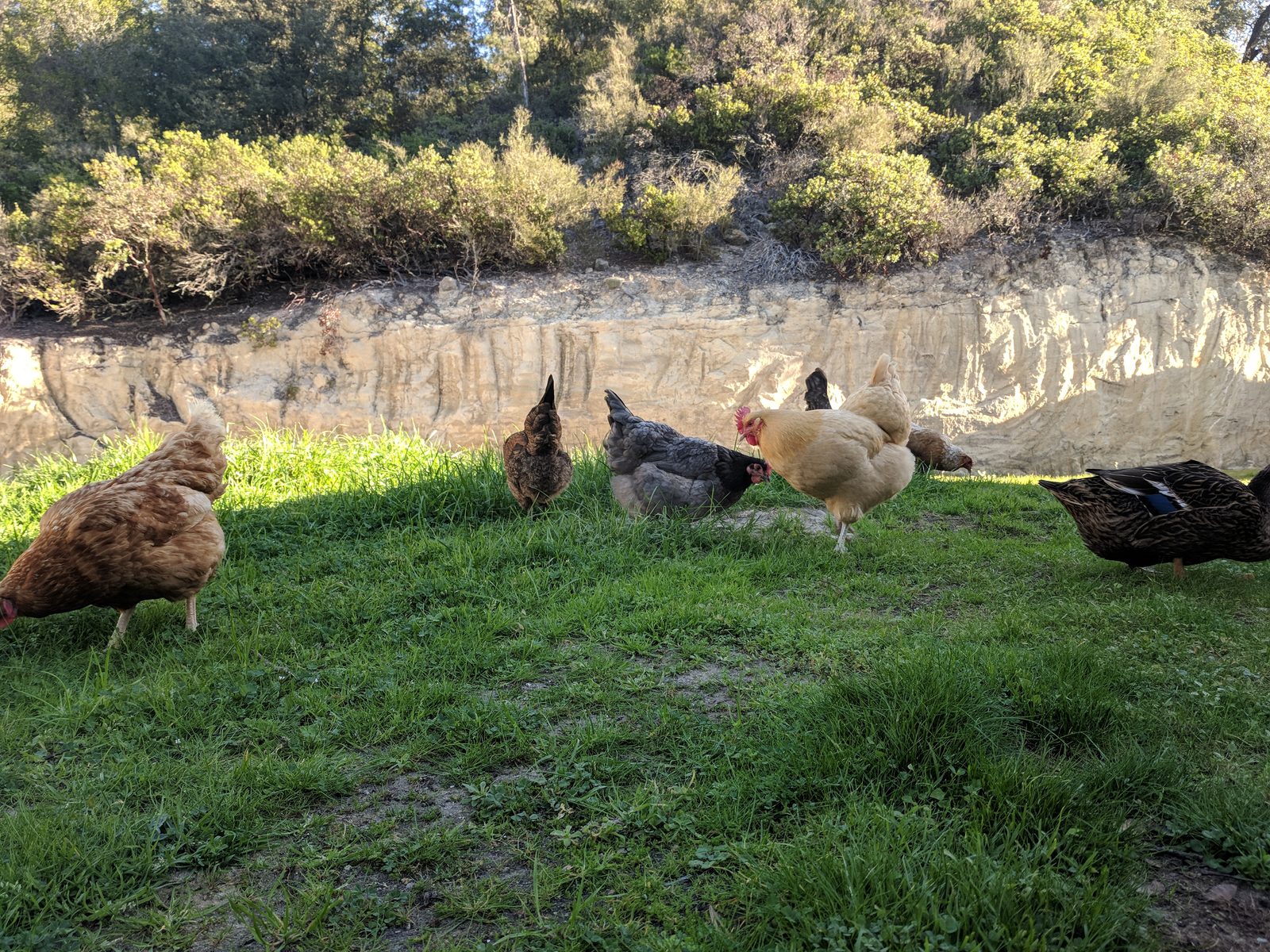
For slugs and snails, ducks are the better choice. They actively hunt mollusks, forage happily on damp mornings when slugs are out, and are far gentler on your plants and soil than chickens. The University of California's IPM program lists ducks among the natural predators of snails and slugs, and most gardeners find ducks will work a bed all day where chickens lose interest after a few bites. Chickens still earn their keep, but for ongoing slug and snail pressure, ducks win.
Why Ducks Are Built for the Job
A duck's flat bill is made for scooping soft, slow prey out of wet ground and mulch. Ducks genuinely relish slugs and snails and will patrol for them tirelessly. Just as useful, ducks forage best in exactly the conditions slugs love. On a drizzly or foggy morning, your ducks are out working the beds while the slugs are exposed and feeding.
Ducks are also kinder to the garden itself. They nibble and dabble rather than scratch, so they tend to leave established plants and soil structure alone. That makes them safer to let loose among growing crops than a flock of chickens.
Where Chickens Still Help
Chickens are not useless against pests. They will eat slugs and snails opportunistically, and their real strength is vigorous scratching. When chickens work a cleared or finished bed, they break up clumps of damp mulch and expose slug eggs and tiny juveniles hiding in the top inch or two of soil, along with grubs and earwigs. The tradeoff is damage: chickens uproot seedlings, dig craters, and will sample your vegetables. Save them for beds between plantings, not for active rows.
The Coastal Santa Cruz Angle
Our fog belt is paradise for slugs and snails. The cool, damp mornings that define coastal Santa Cruz County keep mollusks active far more of the year than in hotter inland gardens, so the pressure here is relentless. A small flock of ducks fits that climate beautifully, since they thrive in the same wet weather that drives slugs out into the open.
Managing Duck Access
Ducks need water to stay healthy and can puddle and muddy soft soil, so give them a shallow pool away from your beds and rotate where they forage. Fence off newly seeded rows until plants are established, and let ducks patrol pathways and bed edges in the meantime.
For the full picture, see our guide to flock-based natural pest control in a coastal Santa Cruz garden, our breakdown of chickens or ducks for a Santa Cruz backyard, and our notes on keeping ducks in your California garden.
Frequently Asked Questions
Will ducks damage my vegetable beds while they hunt slugs?
Ducks are far gentler than chickens because they nibble rather than scratch, but they are not harmless. Fence off newly seeded rows until plants are established, and let the ducks patrol pathways and bed edges instead of open soil. Rotating their foraging areas also prevents their webbed feet from turning damp ground into mud.
Can chickens help with slug control at all?
Yes, in the right setting. Chickens eat slugs and snails opportunistically, and their scratching is genuinely useful for exposing slug eggs and juveniles hiding in the soil. The trick is to turn them loose in cleared or finished beds between plantings, where their digging does cleanup work instead of destroying seedlings.
Do ducks need a pond to be effective slug hunters?
No pond required. Ducks do need water deep enough to dunk their heads and rinse their bills, and a simple tub or small kiddie pool covers that. Keep the water source away from your garden beds so the wet, trampled ground around it does not end up in your growing space.
