

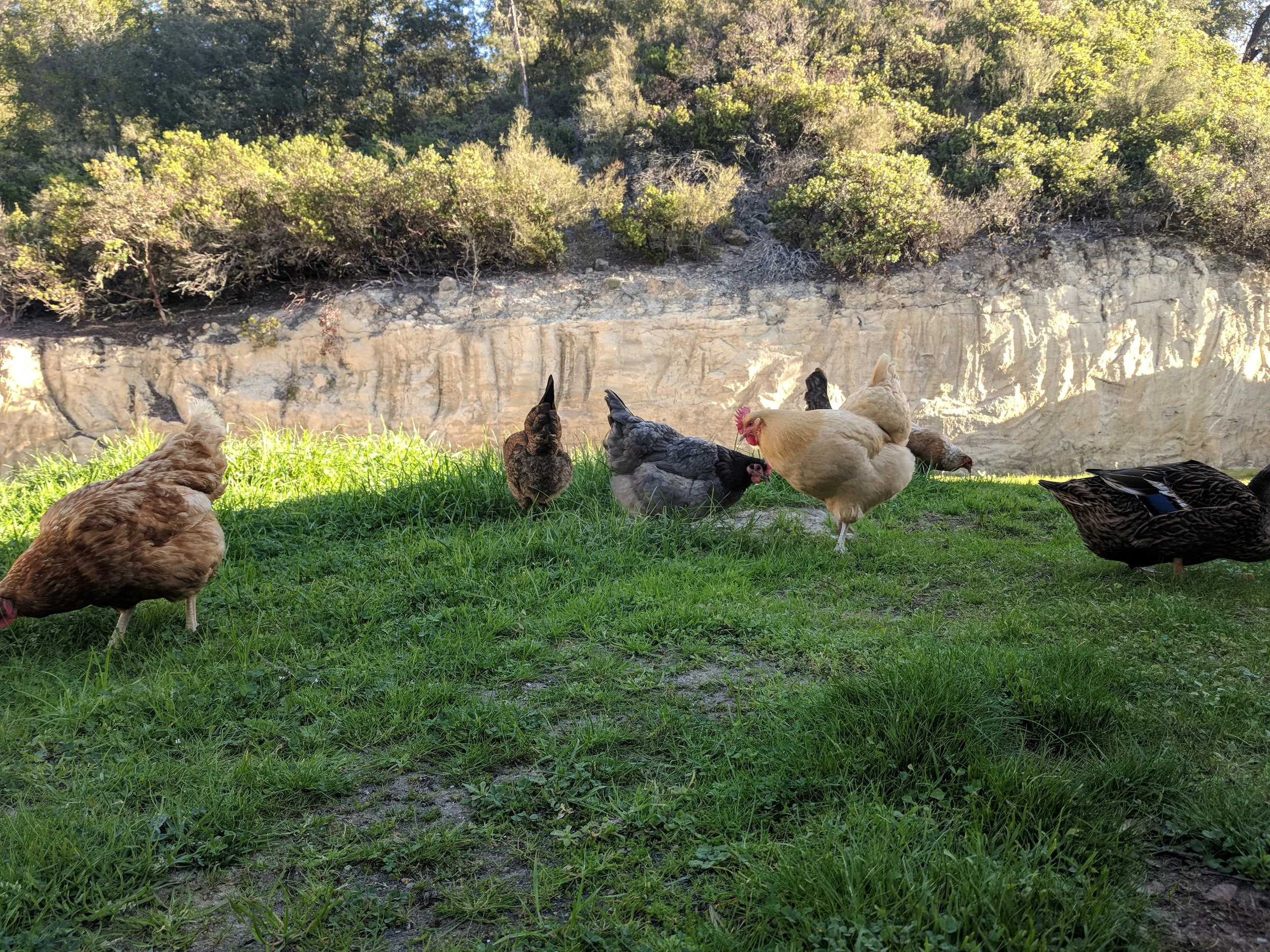
Are Ducks or Chickens Better for Slug and Snail Control?
Ducks beat chickens at slug and snail control, especially in foggy coastal gardens. Here is why, and how to manage their access to your beds.
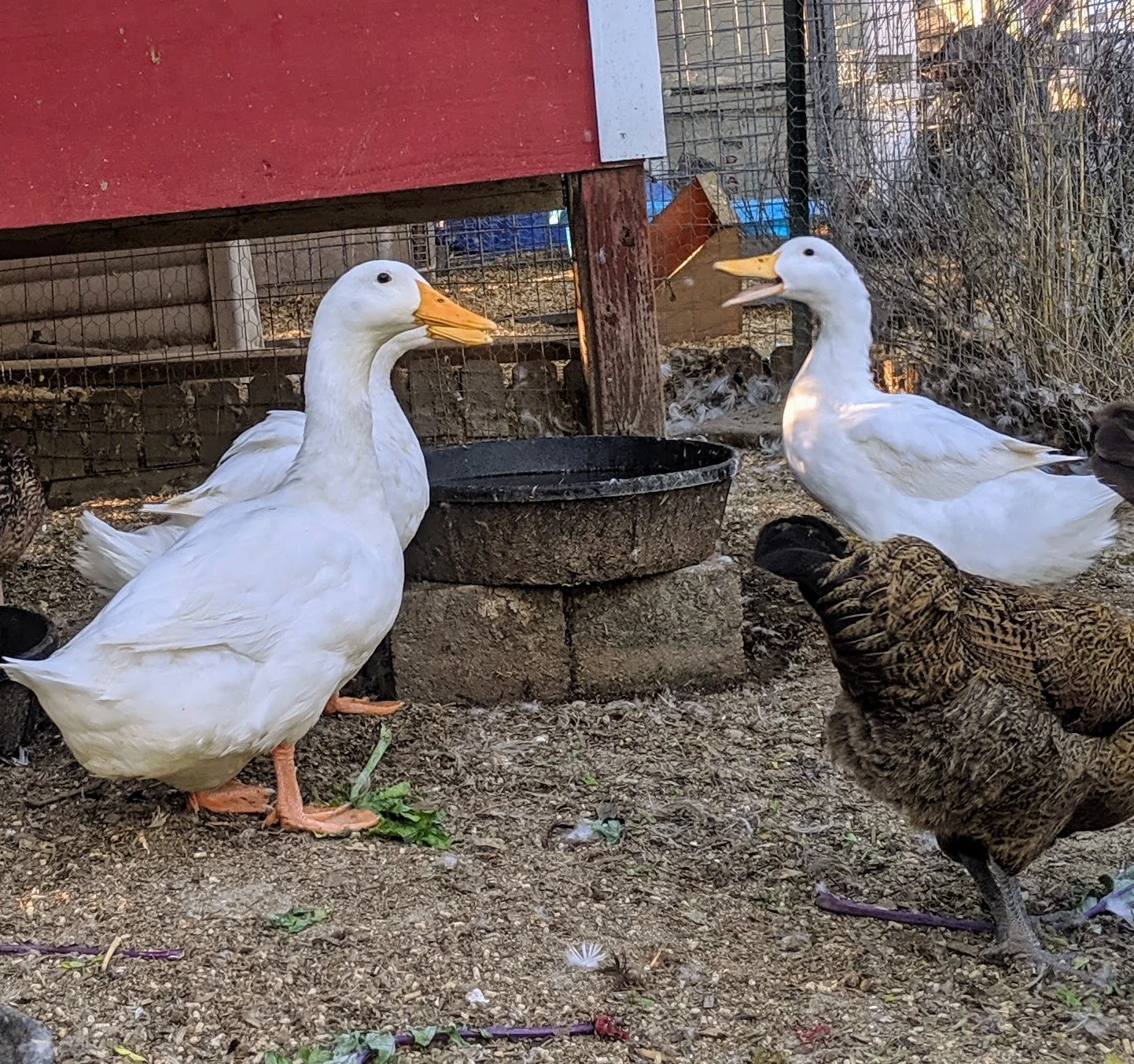
Why Do My Ducks Keep Splashing All the Water Out?
Ducks splash water because dabbling is a hardwired behavior. Learn practical water station designs that manage the mess in your Santa Cruz backyard.
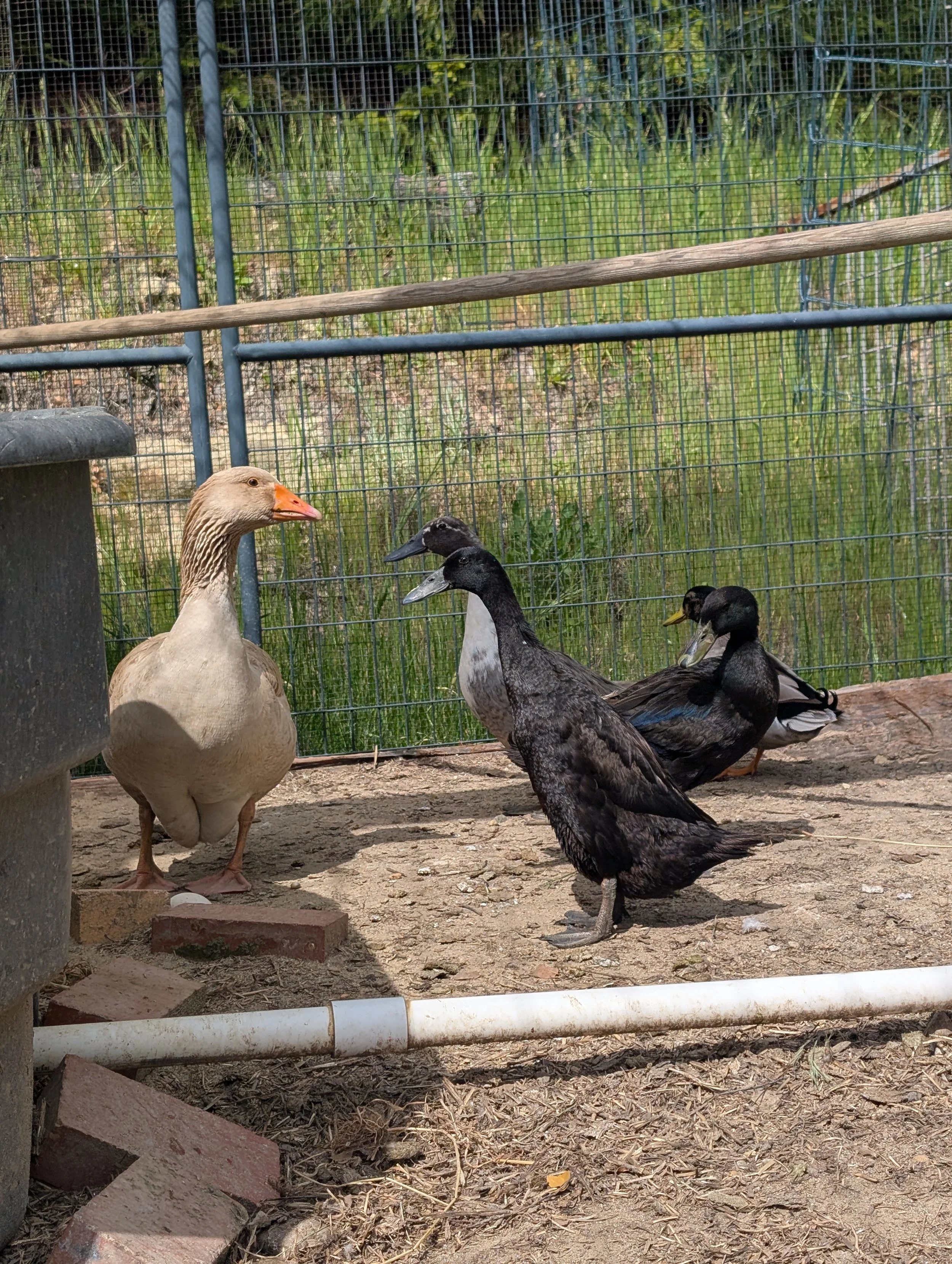
Keeping a Goose: What to Know About Single-Goose Flocks
What to expect keeping a single goose in a mixed flock, from Toulouse temperament and bonding behavior to the truth about guard geese in Santa Cruz County.
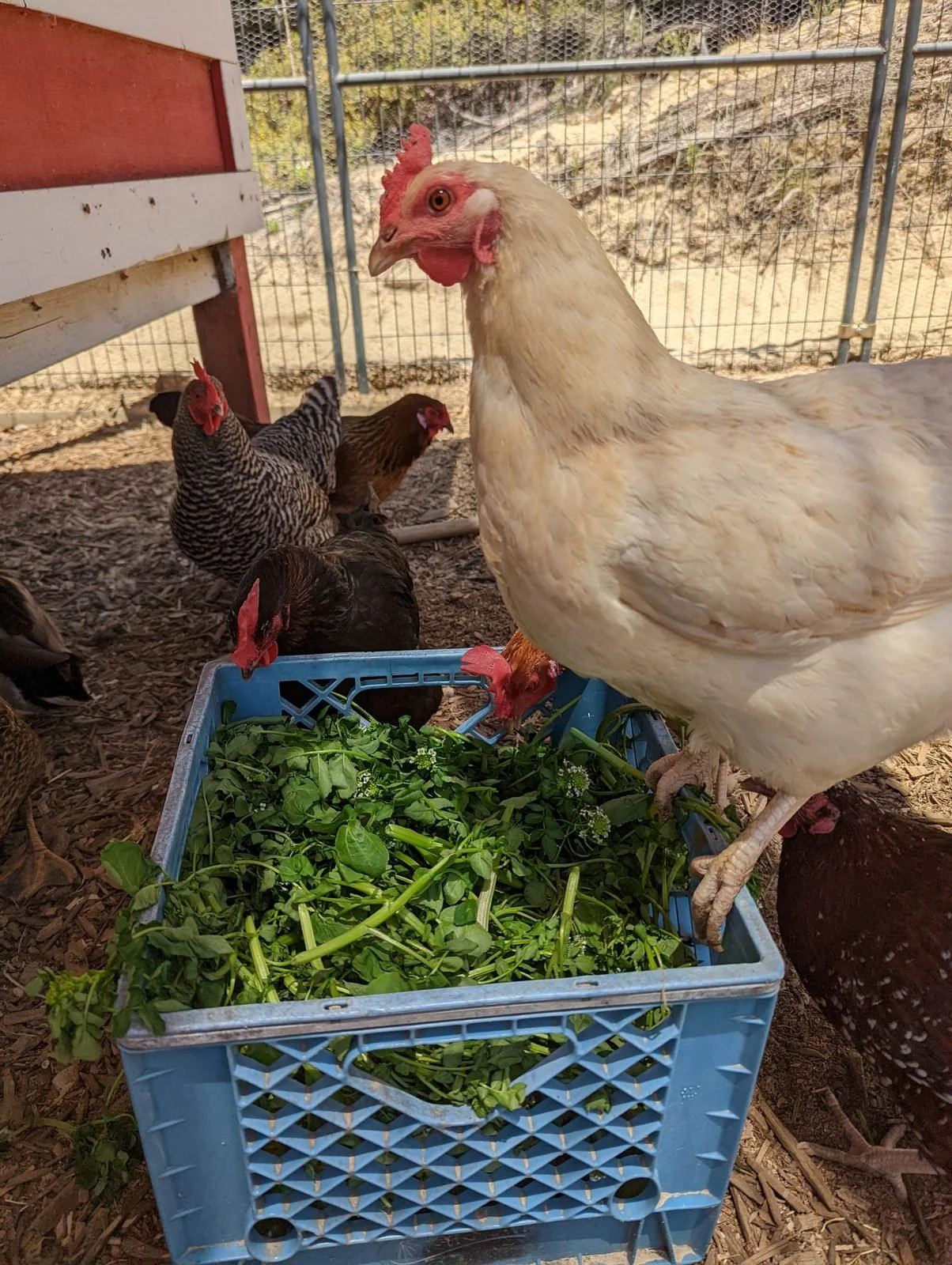
When Do Young Hens Start Laying Eggs?
Most pullets start laying around 18 to 22 weeks. Learn the signs, why first eggs look odd, and how Santa Cruz fog months can delay the first egg.
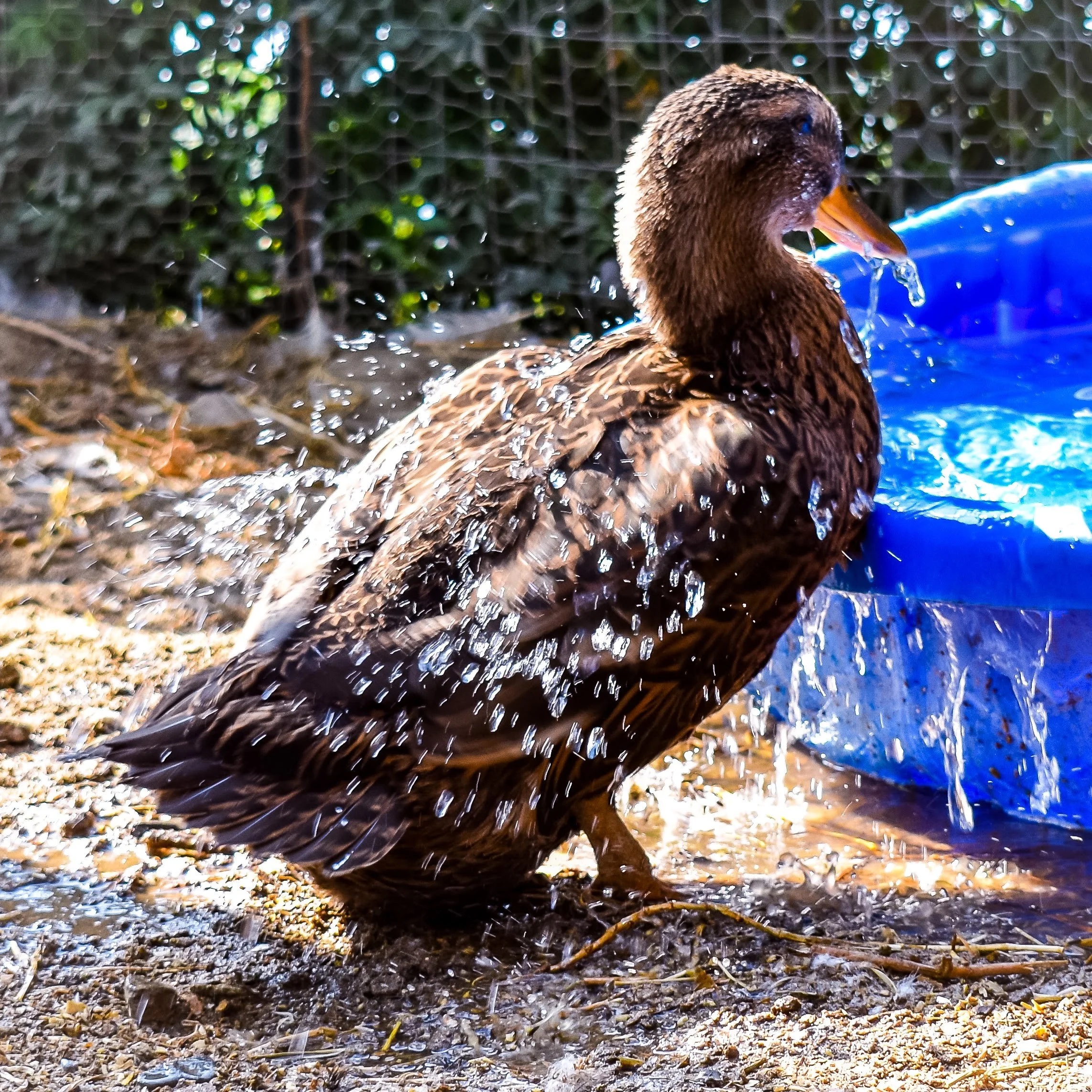
Do I Need a Pond for Backyard Ducks?
Backyard ducks do not need a pond, but they do need water deep enough to submerge their heads. Practical water setup options for Santa Cruz duck keepers.
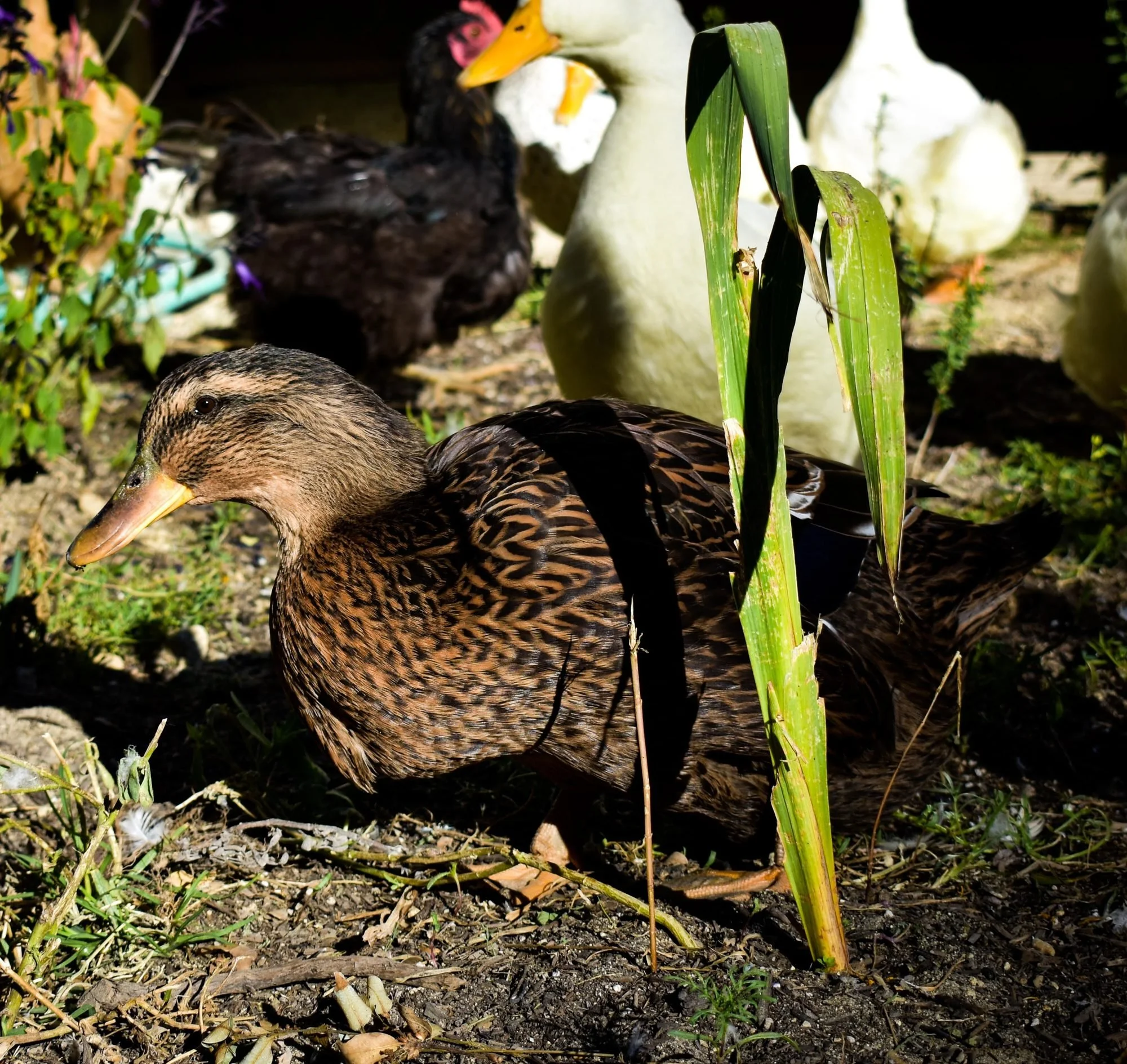
Keeping Ducks in Your California Garden: Water, Ponds, Slug Patrol
Everything you need to know about keeping ducks in your California garden, from water setups and pond options to slug control and duck egg benefits.
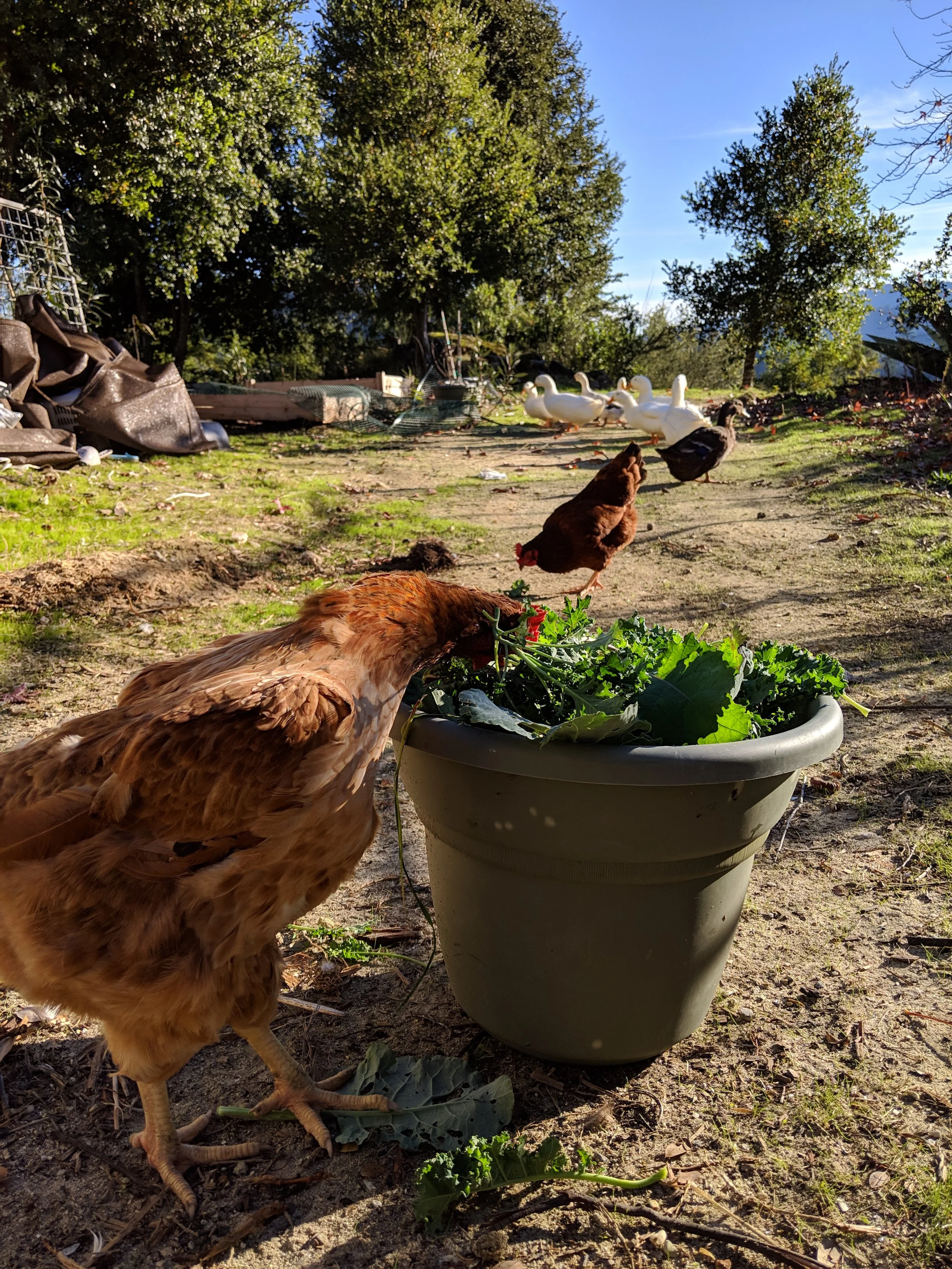
How Many Hens Do I Need for a Family of Four?
About 3 to 5 hens covers a family of four. Here is the egg math, why to keep at least 3, and how to plan for molt and winter in California.
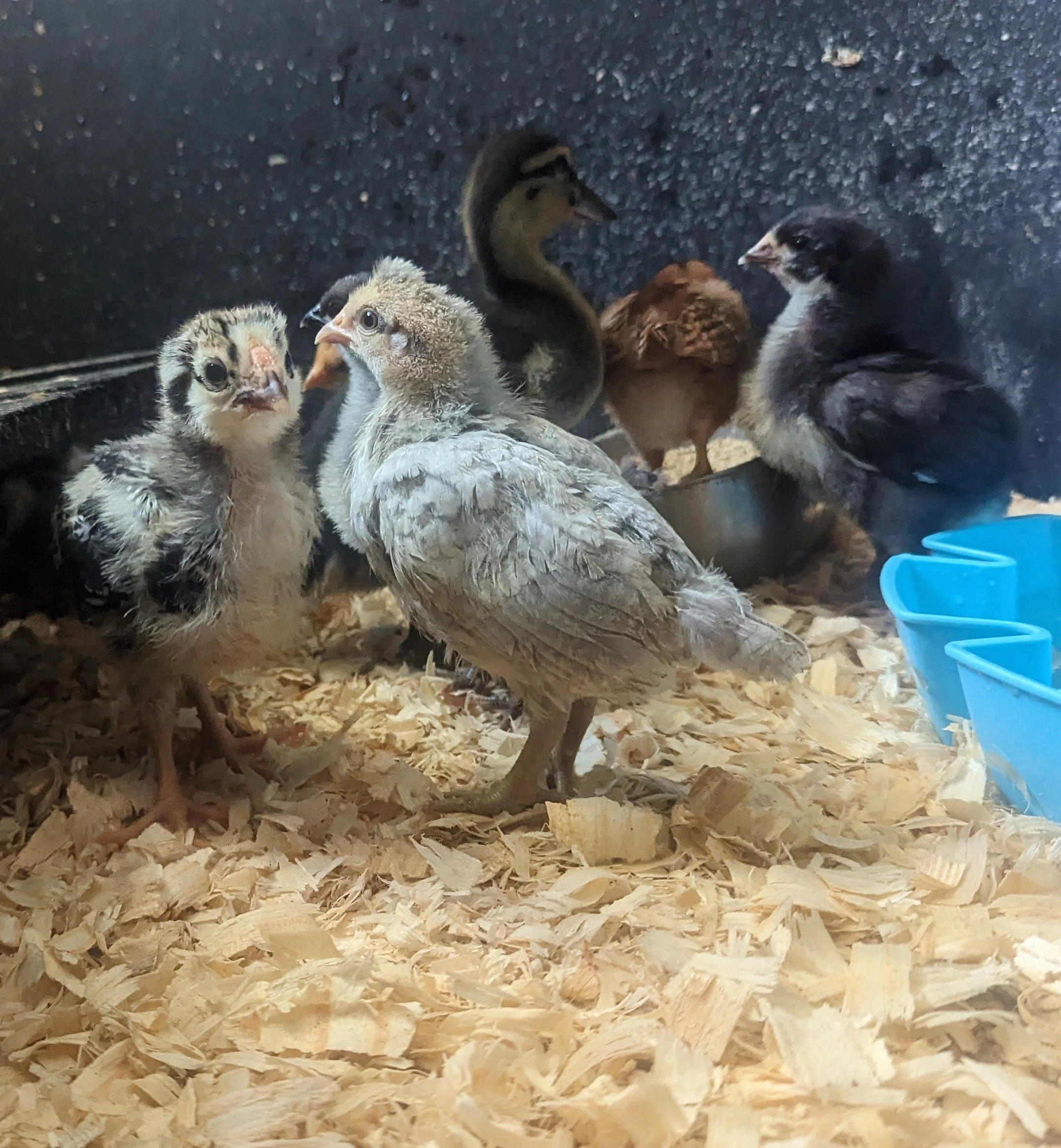
Do Chickens Need a Heat Lamp in Santa Cruz Winters?
Most backyard chickens do not need a heat lamp in Santa Cruz County winters. Learn when supplemental heat helps and why it can be dangerous.
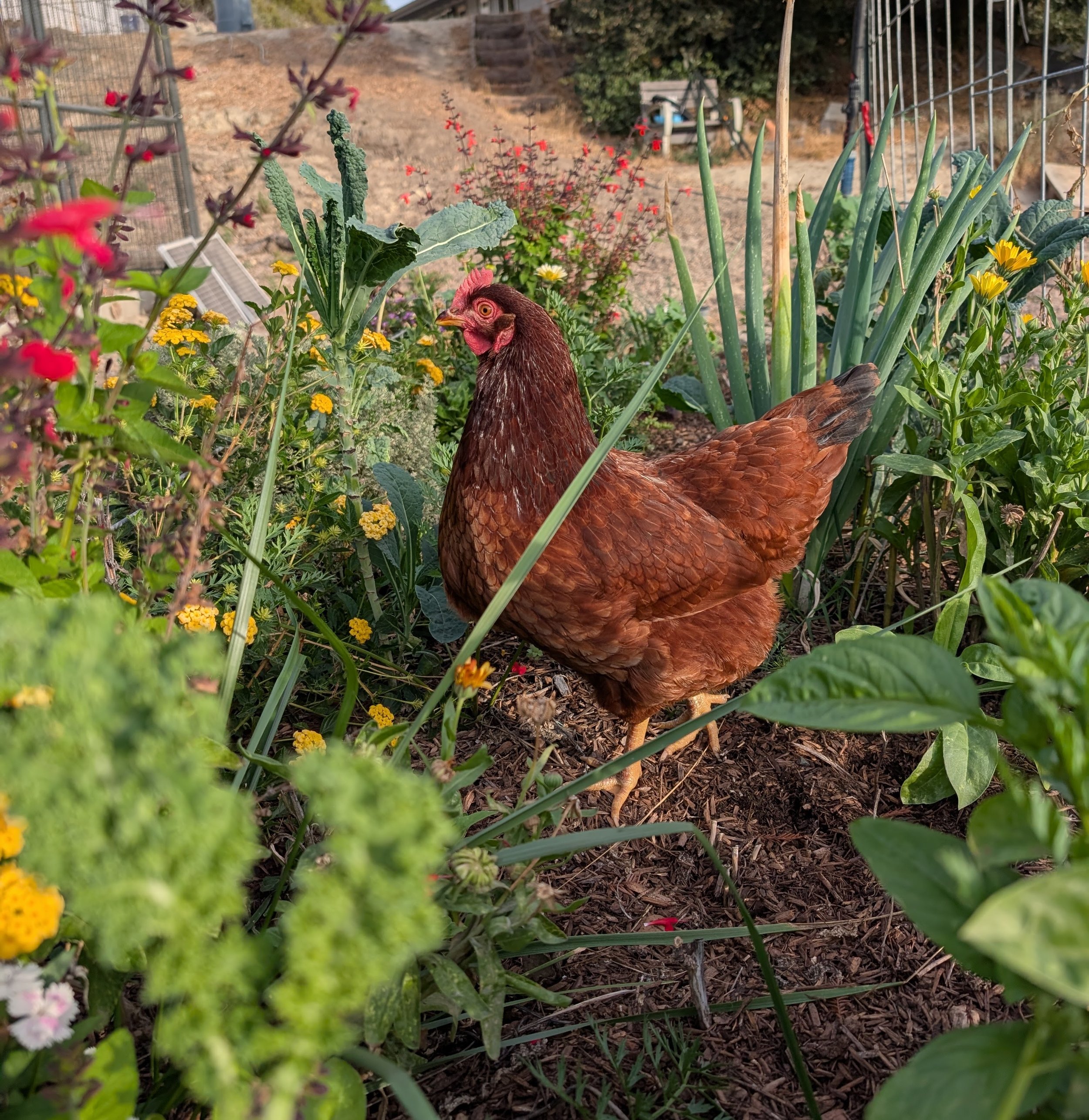
Best and Worst Garden Plants for a Free-Range Flock
Which garden plants survive free-range chickens and ducks, which get destroyed, and which toxic plants to remove from your Santa Cruz County garden.
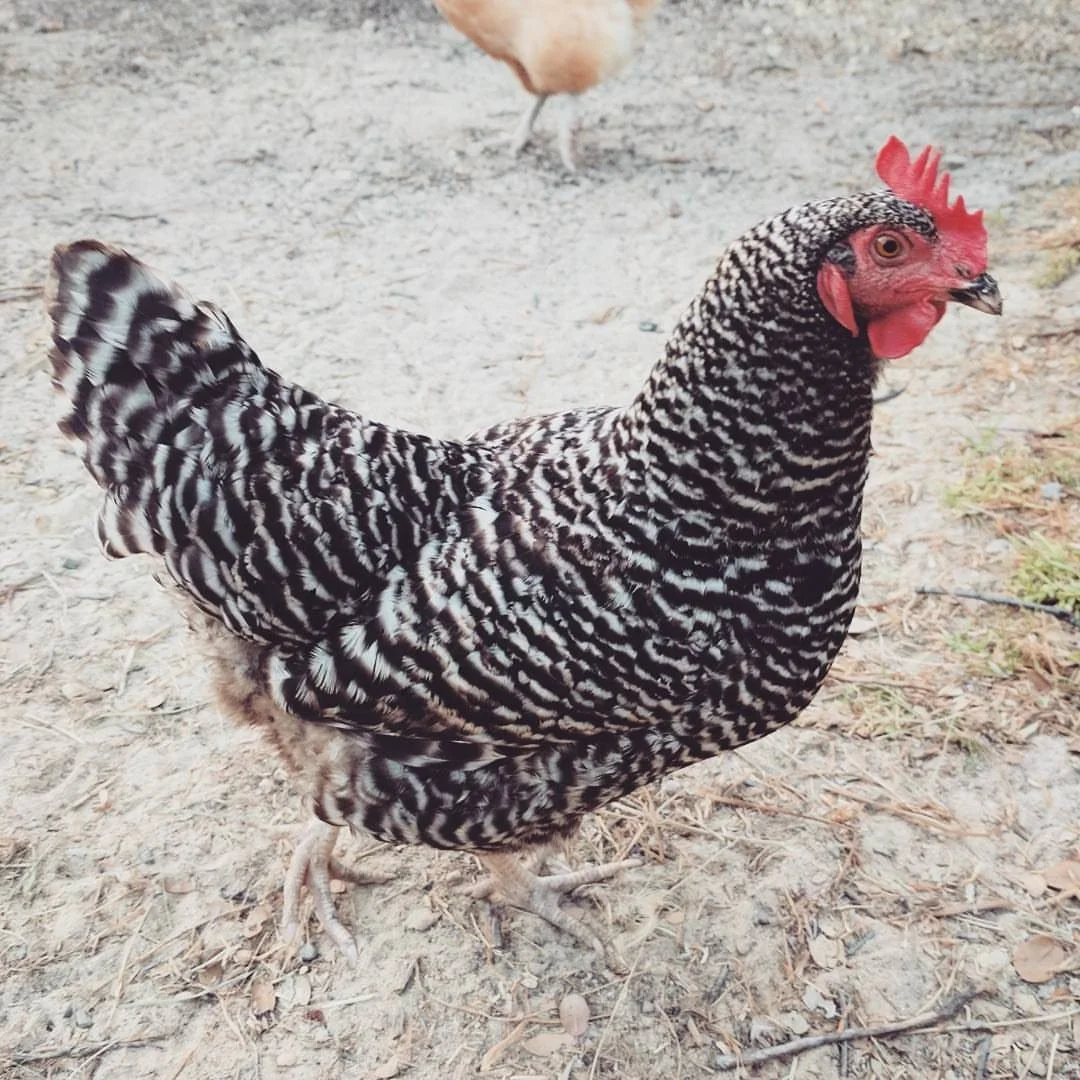
Do I Need a Rooster for My Hens to Lay Eggs?
No. Hens lay eggs without a rooster. A rooster only fertilizes eggs for hatching chicks. Here is what that means for a Santa Cruz backyard flock.
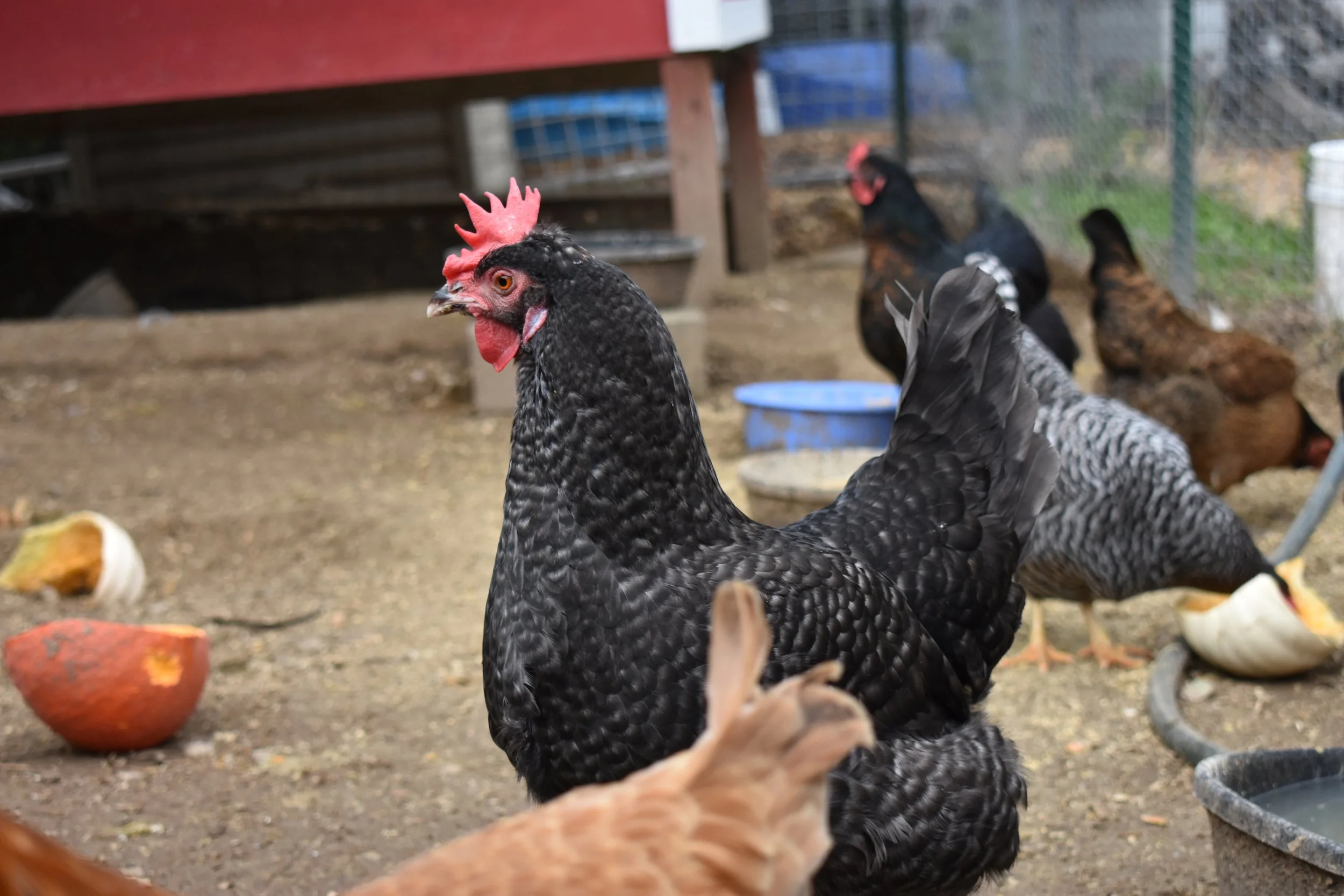
What Kitchen Scraps Are Safe for Chickens and Ducks?
Most fruits, vegetables, and grains are safe for chickens and ducks. Learn what to feed, what to avoid, and how to share scraps safely in Santa Cruz.
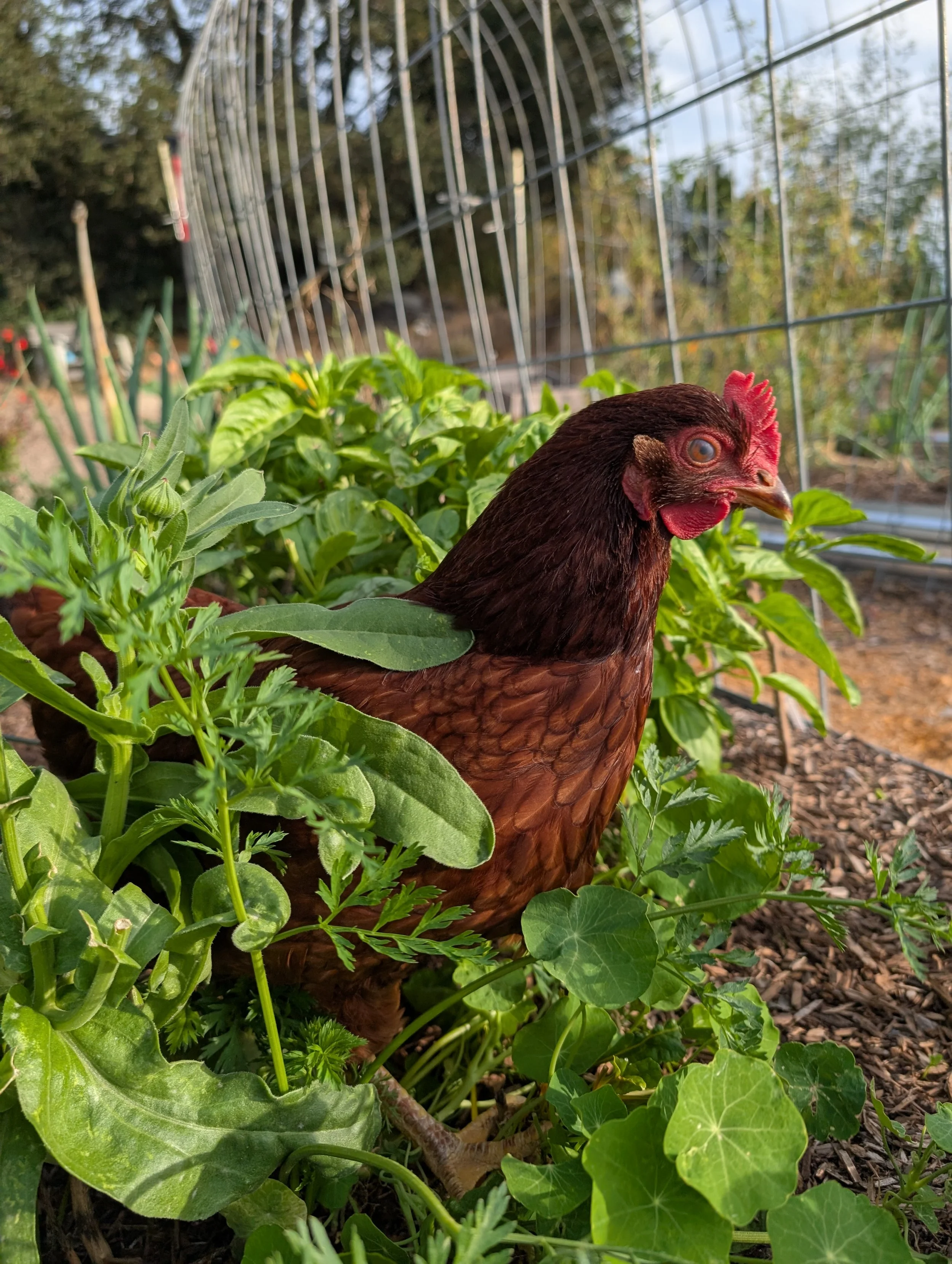
Managing Free-Range Time: Protecting Plants From Your Flock
Strategies for supervised free-ranging, temporary fencing, plant protection, and rotation schedules to let your flock work the garden without damage.
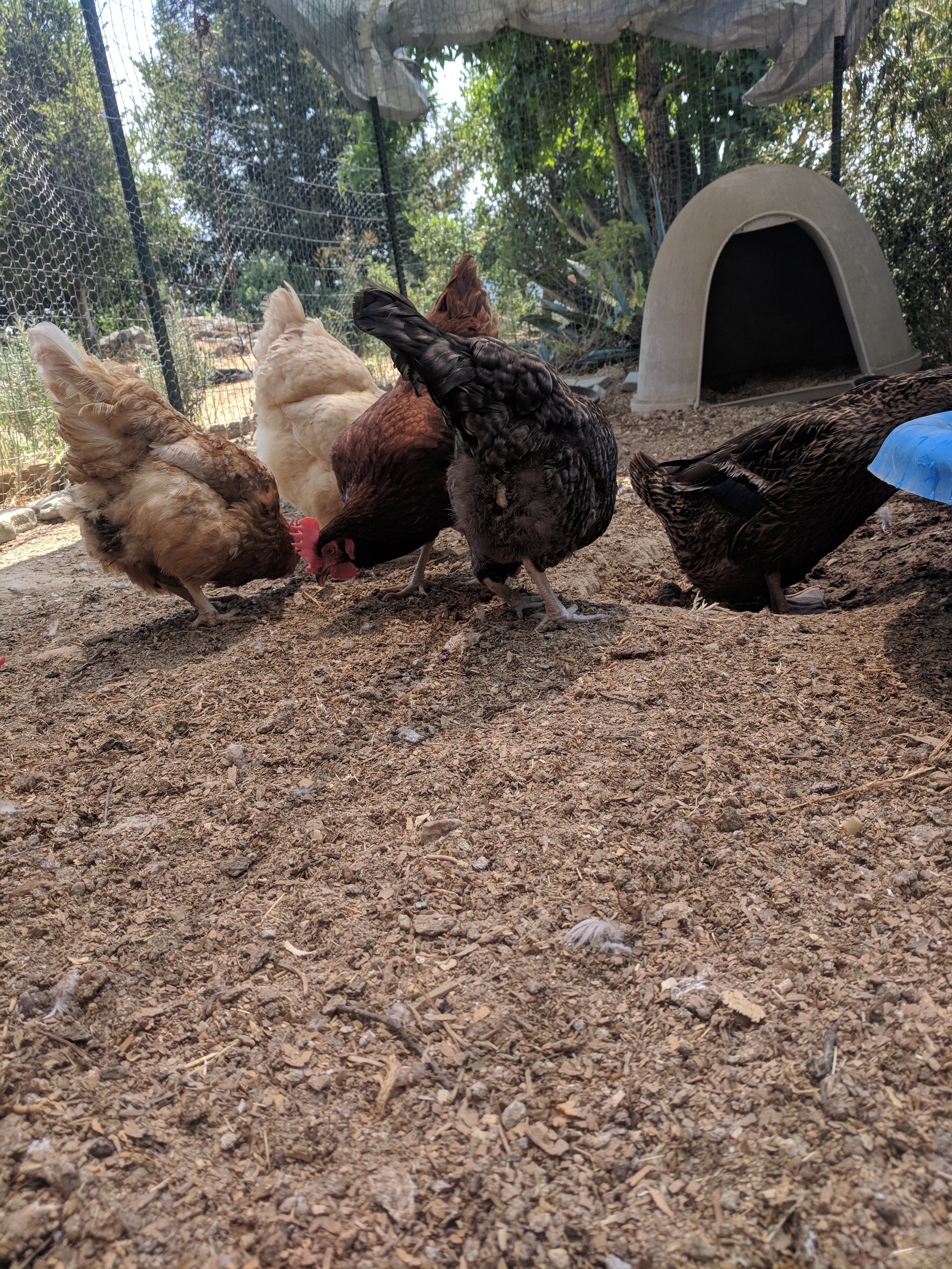
Composting with Chicken and Duck Waste for Raised Beds
Turn chicken and duck manure into rich compost for raised beds with nitrogen ratios, hot composting timelines, and volume estimates for small flocks.
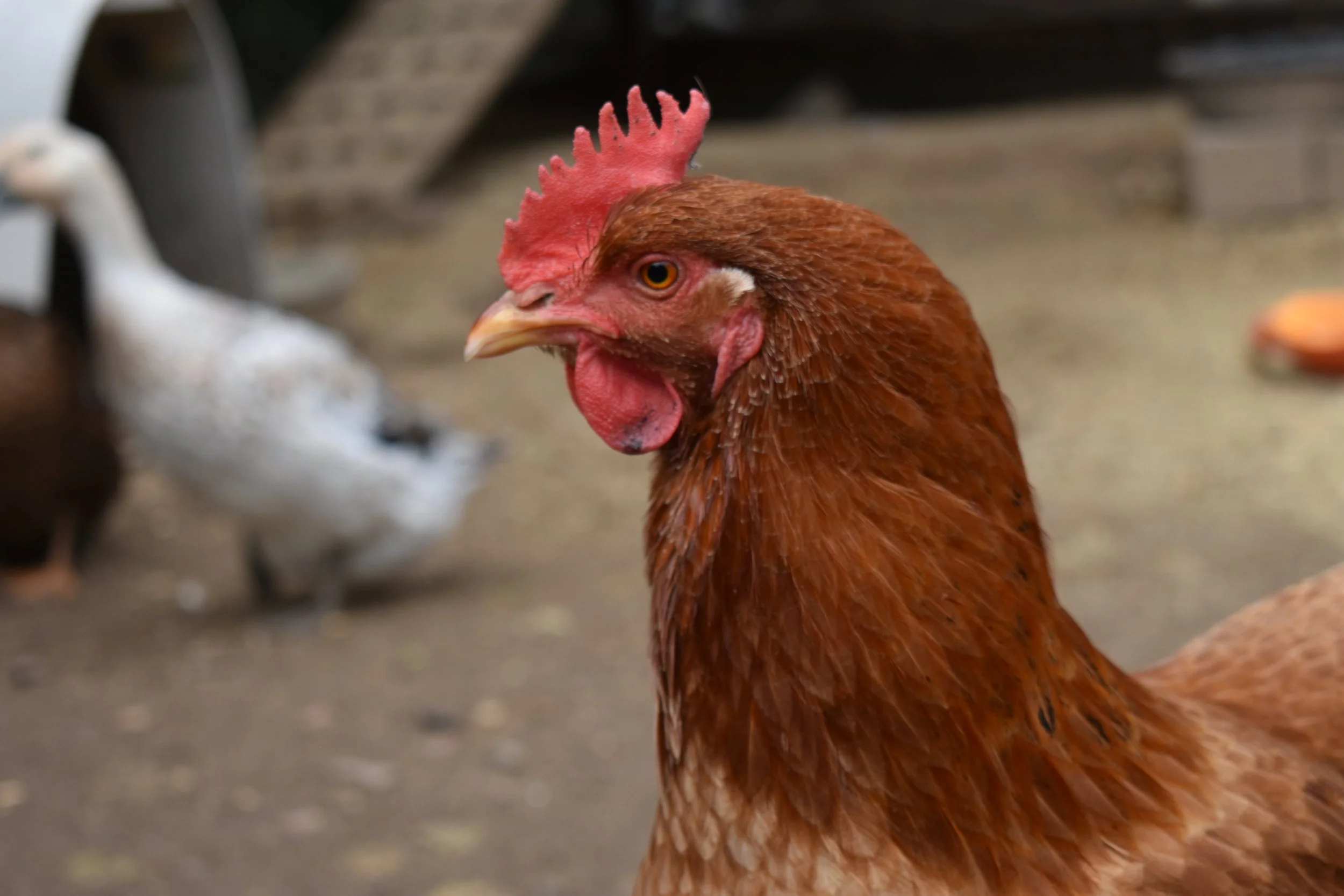
Why Is My Chicken Losing Feathers in Summer?
Summer feather loss in chickens is usually molting, but can signal mites, stress, or pecking. Learn how to tell the difference in Santa Cruz County.
How Your Flock Can Work Your Garden: Pest Control and Soil Prep
Put your chickens, ducks, and geese to work in the garden with practical strategies for pest control, composting, soil turning, and weed management.
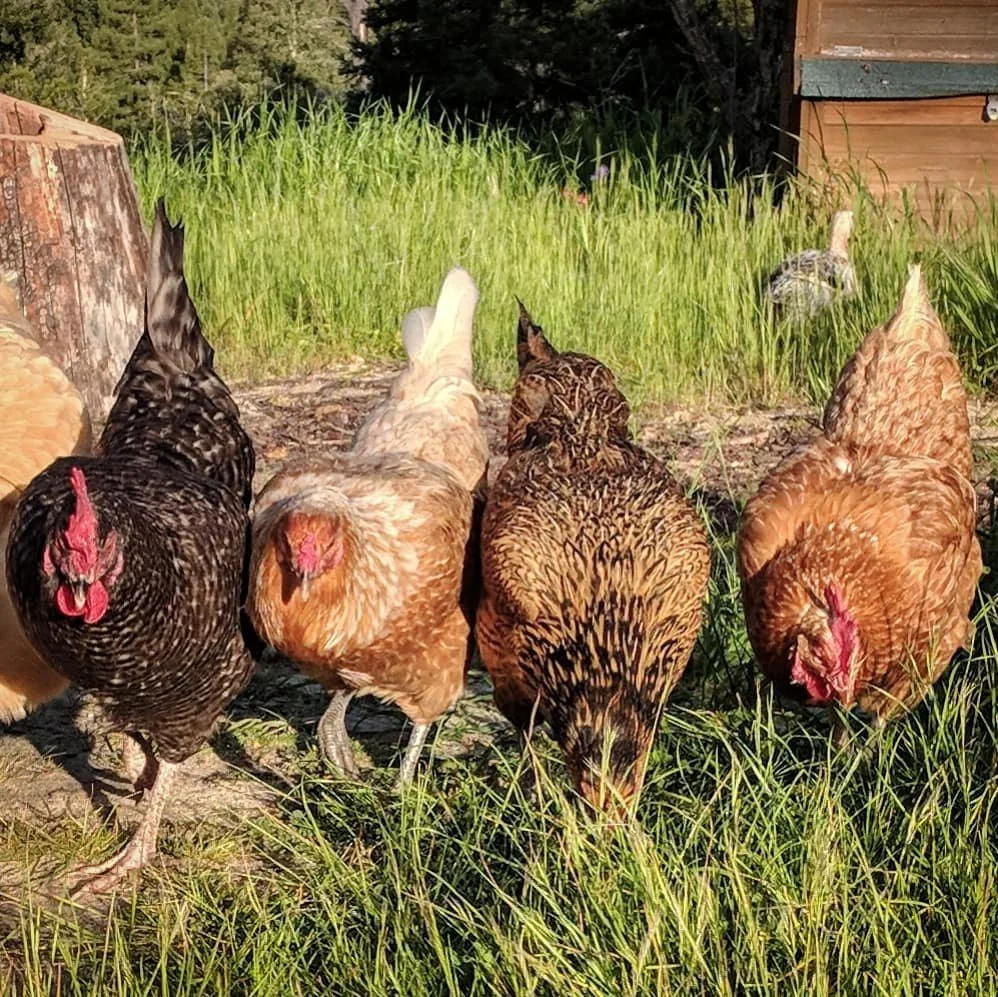
How Many Eggs Can I Expect From a Small Flock?
A small backyard flock of 4-6 hens can produce 15-30 eggs per week at peak laying. Learn what affects egg production in Santa Cruz County.
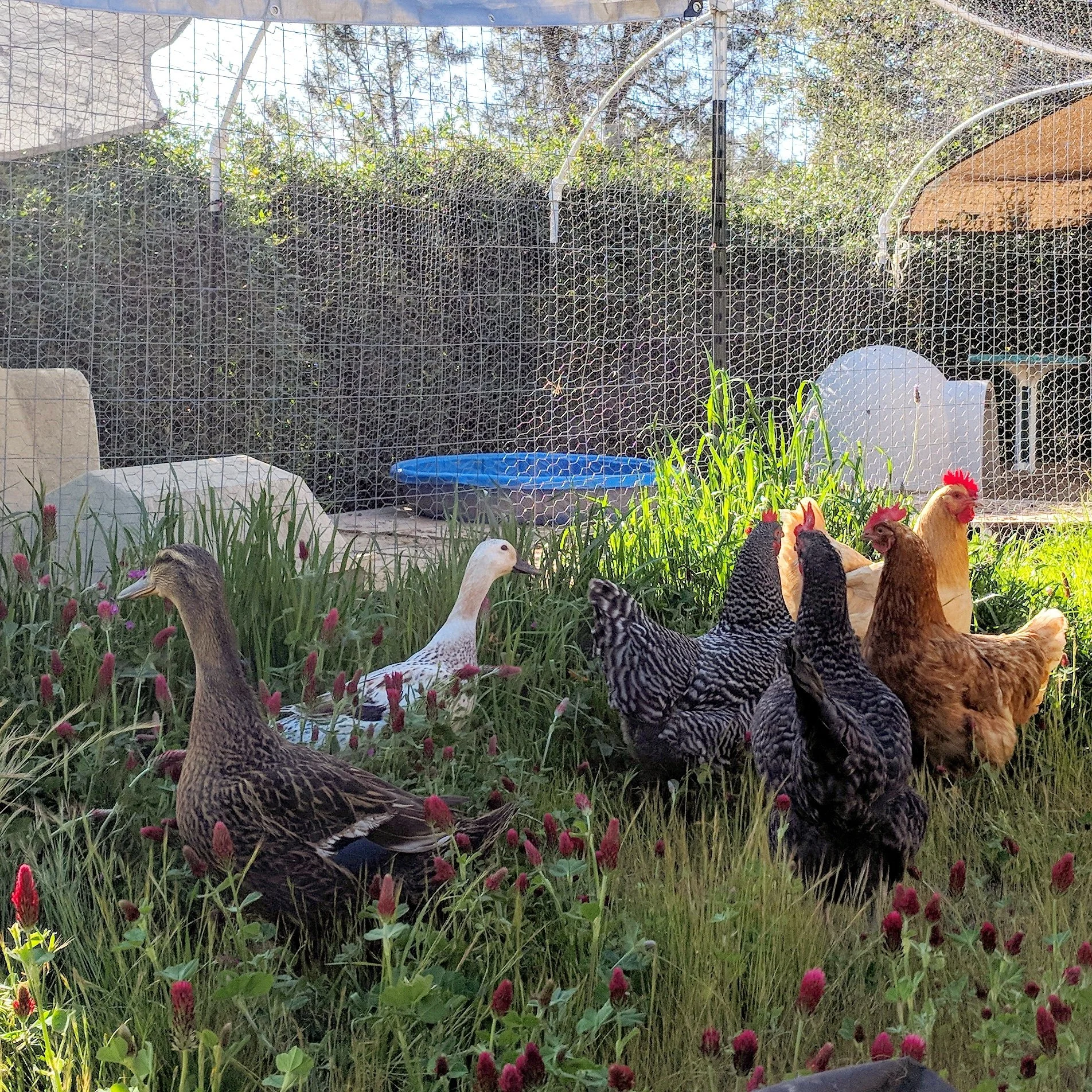
Keeping a Mixed Flock: Chickens, Ducks, and Geese Together
How to keep chickens, ducks, and geese together in one flock with space requirements, feeding strategies, and water management for Santa Cruz gardens.
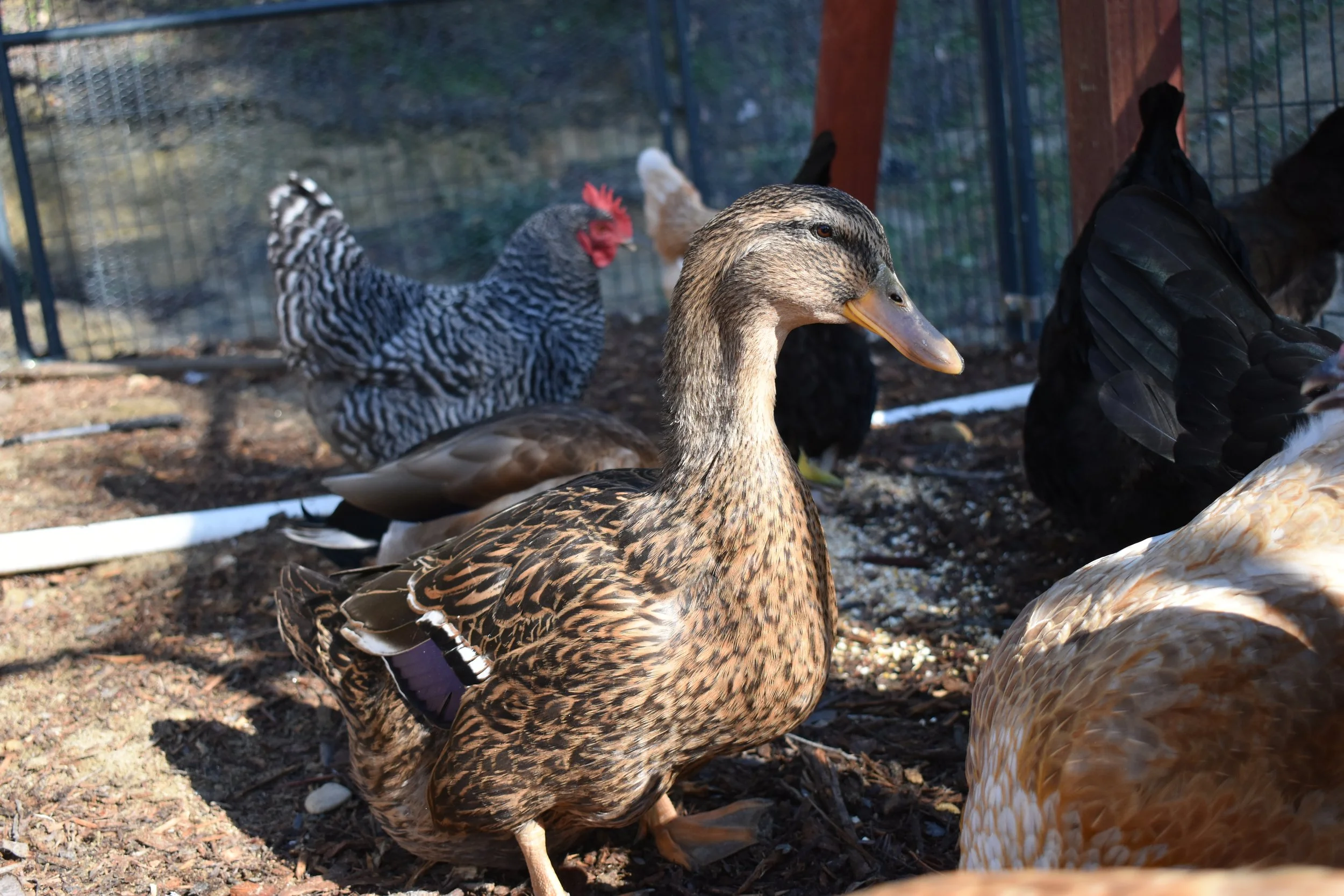
Can Ducks and Chickens Share the Same Coop?
Ducks and chickens can share a coop with some adjustments. Learn about ventilation, nesting, and water management for a mixed flock in Santa Cruz County.
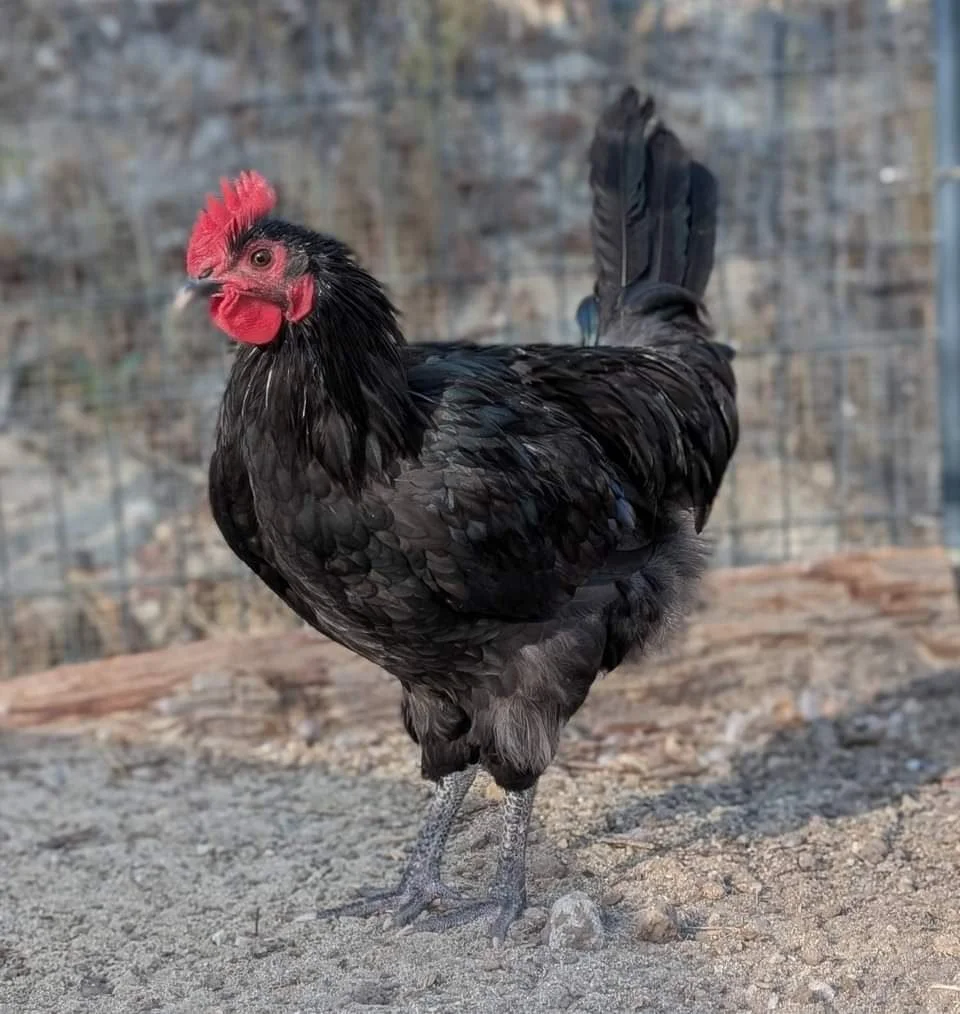
Adopting Rescue Birds: Quarantine, Deworming, Flock Introduction
Learn how to quarantine, deworm, and safely introduce rescue chickens and ducks to your existing flock in Santa Cruz County with step-by-step protocols.
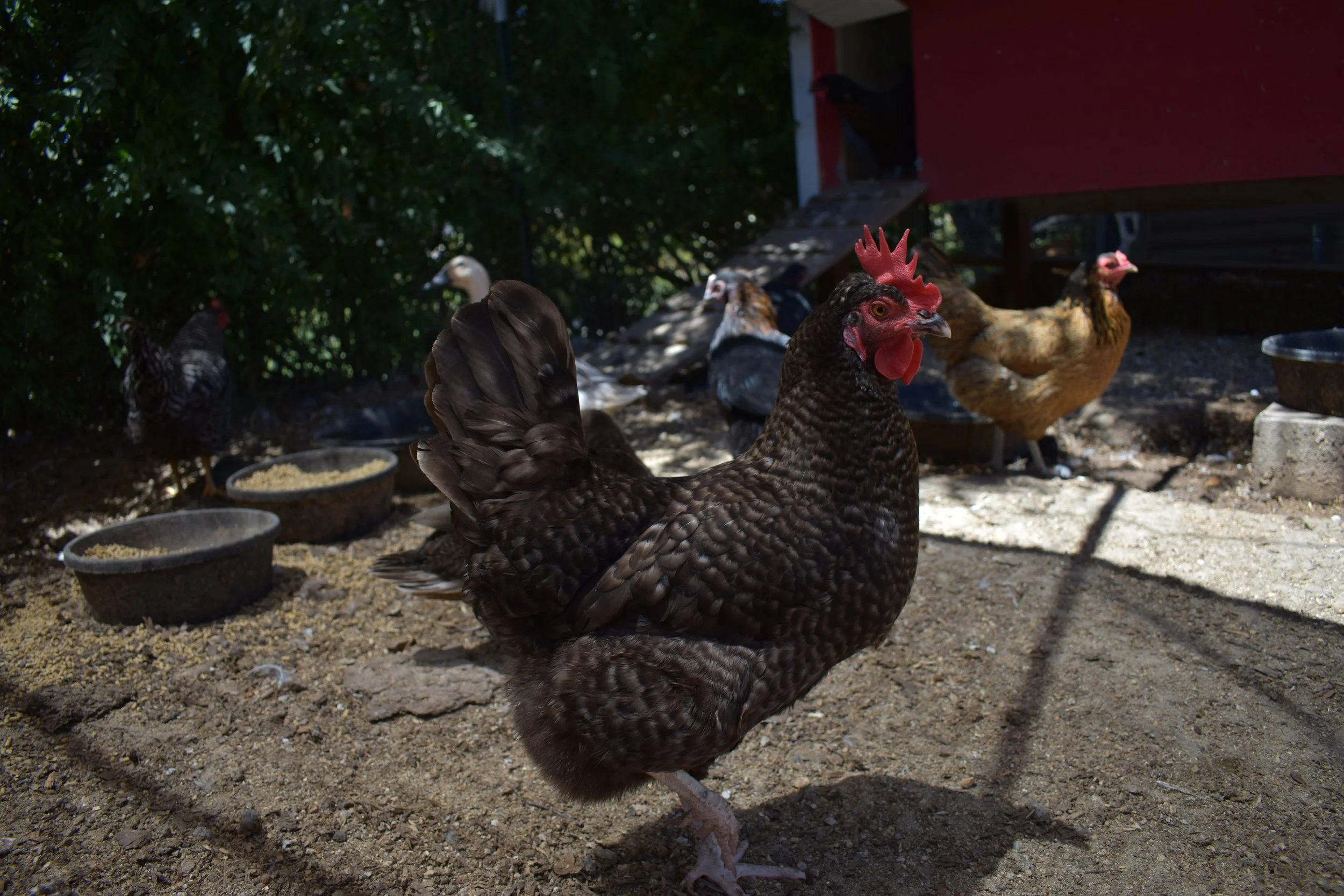
Why Are My Chickens Not Going Into the Coop at Night?
Common reasons chickens refuse to enter the coop at dusk and how to fix it. Predators, mites, heat, and training tips for Santa Cruz County flocks.