

Do Chickens Need a Heat Lamp in Santa Cruz Winters?
A few of the product links in this guide are affiliate links. If you buy through one, Ambitious Harvest may earn a small commission at no extra cost to you, which helps keep these guides free. We only point to gear we would use in our own Santa Cruz garden. As an Amazon Associate, we earn from qualifying purchases. Read our full disclosure.
Do Backyard Chickens Need a Heat Lamp in Santa Cruz Winters?
Whether a flock needs supplemental heat depends on the temperature inside the coop and on breed, age, feathering, health, and body condition. University of Minnesota Extension guidance reviewed in 2026 recommends supplemental heat when the coop temperature falls below 35 F. Use a coop thermometer instead of relying only on the outdoor forecast, and manage ventilation and moisture at every temperature.
Santa Cruz County has one of the mildest winter climates in the country. Even in Boulder Creek, where temperatures occasionally touch the low 30s on clear January nights, my mixed flock has never needed supplemental heat. The birds fluff their feathers to trap warm air against their bodies, and a well-insulated coop with several birds inside generates enough body heat to keep everyone comfortable. Our bigger concern here is moisture from winter rain, not cold. A damp coop is far more dangerous than a chilly one because wet feathers lose their insulating ability and damp conditions promote respiratory disease.
Any electrical heater can create fire or shock hazards if it is damaged, poorly installed, or used near flammable litter. Minnesota Extension lists radiant heaters and approved heat lamps as options and says to follow fire warnings and installation instructions. Choose equipment approved for poultry or livestock use, protect cords from birds and water, never suspend a lamp by its cord, and use a qualified electrician for permanent coop wiring.
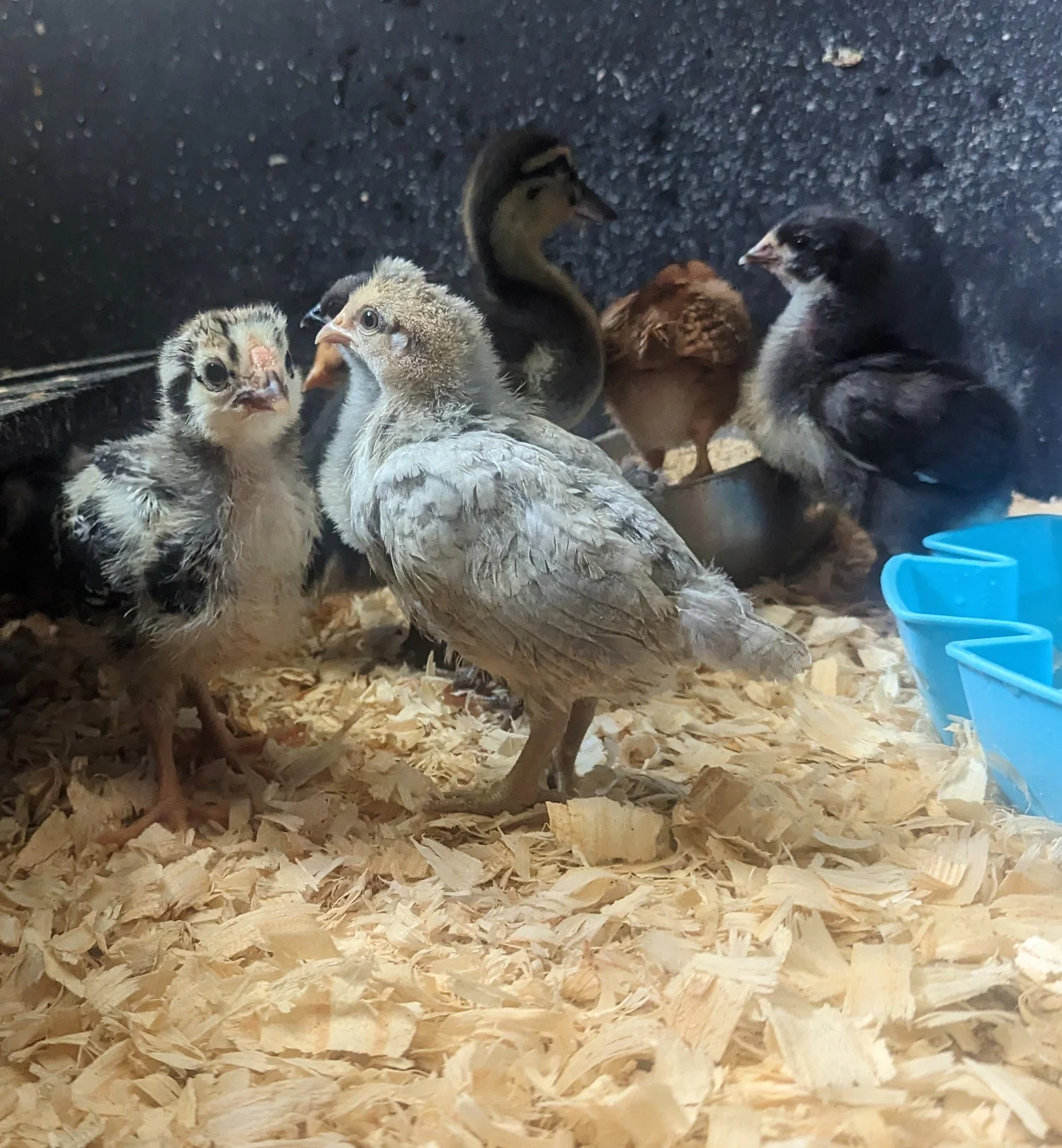
There are a few exceptions where supplemental heat makes sense. Very young chicks (under 6 weeks) that have not fully feathered need a heat source, which is why brooding happens indoors or in a controlled space. Certain tropical breeds with sparse feathering may struggle on unusually cold nights. And a sick or injured bird recovering in isolation may benefit from gentle warmth. In those cases, a radiant heat panel (like a Sweeter Heater or Brinsea EcoGlow) is far safer than a traditional heat lamp because it does not have an exposed bulb that can shatter or ignite bedding.
Prepare the coop for both temperature and moisture: block direct drafts at bird level, retain safe upper ventilation, manage manure and wet bedding, keep water available, and monitor the coop with a thermometer. Minnesota Extension says ventilation controls moisture and ammonia and recommends heat below its 35 F threshold.
This week: Walk into your coop and check for drafts at bird level. Seal any gaps in the lower walls, confirm that upper ventilation is open, and add a fresh layer of bedding for the season ahead.
Keep Reading
- Seasonal Flock Care: Fall and Winter in Coastal California
- Choosing the Right Breeds for Coastal California Gardens
- Designing a Predator-Proof Run for Your Garden Flock
Frequently Asked Questions
What is the biggest winter risk for chickens in Santa Cruz?
Moisture is the real concern here, not cold. Wet feathers lose their insulating ability and damp coops promote respiratory disease, so focus on draft-proofing lower gaps while keeping upper ventilation open.
Are heat lamps actually dangerous in a coop?
Heating equipment can cause a fire or electrical injury if used incorrectly. Use a heater approved for poultry or livestock use and follow its fire-risk and installation instructions; keep cords, heaters, water, and flammable litter safely separated.
How cold can fully feathered adult hens handle?
Cold tolerance varies by breed, size, feathering, health, and acclimation. University of Minnesota Extension recommends supplemental heat when the coop temperature falls below 35 F and extra care for smaller or lightly feathered breeds. Measure the coop temperature and watch the birds for cold-stress signs.
