

What Kitchen Scraps Are Safe for Chickens and Ducks?
What Kitchen Scraps Are Safe for Chickens and Ducks?
Many plain fruits, vegetables, and cooked grains can be offered in small portions when they are safe for the species and have not spoiled. UC ANR says the majority of calories should come from a balanced commercial ration appropriate to the birds’ species and life stage. Treat scraps as occasional supplements, not a measured substitute for complete feed.
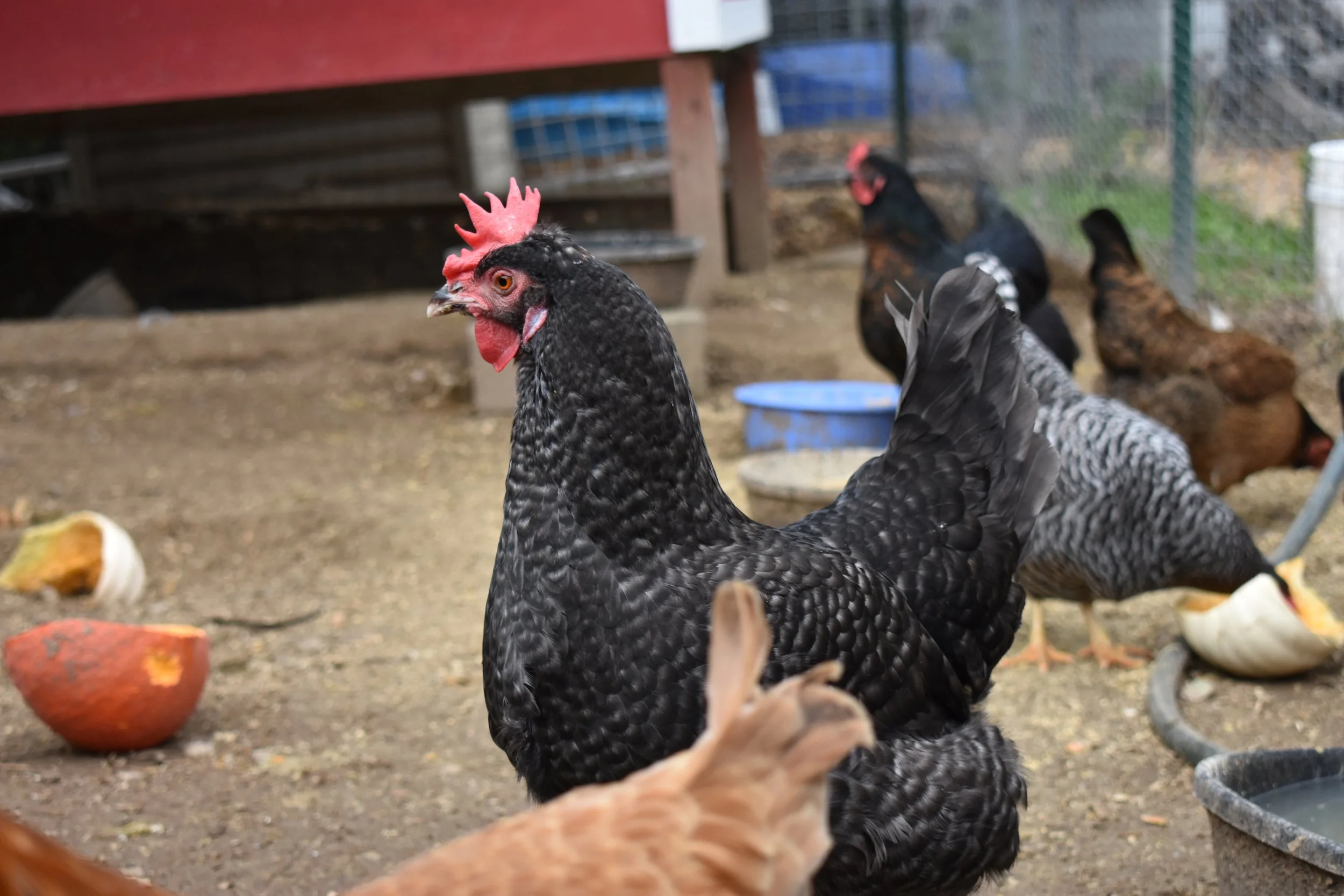
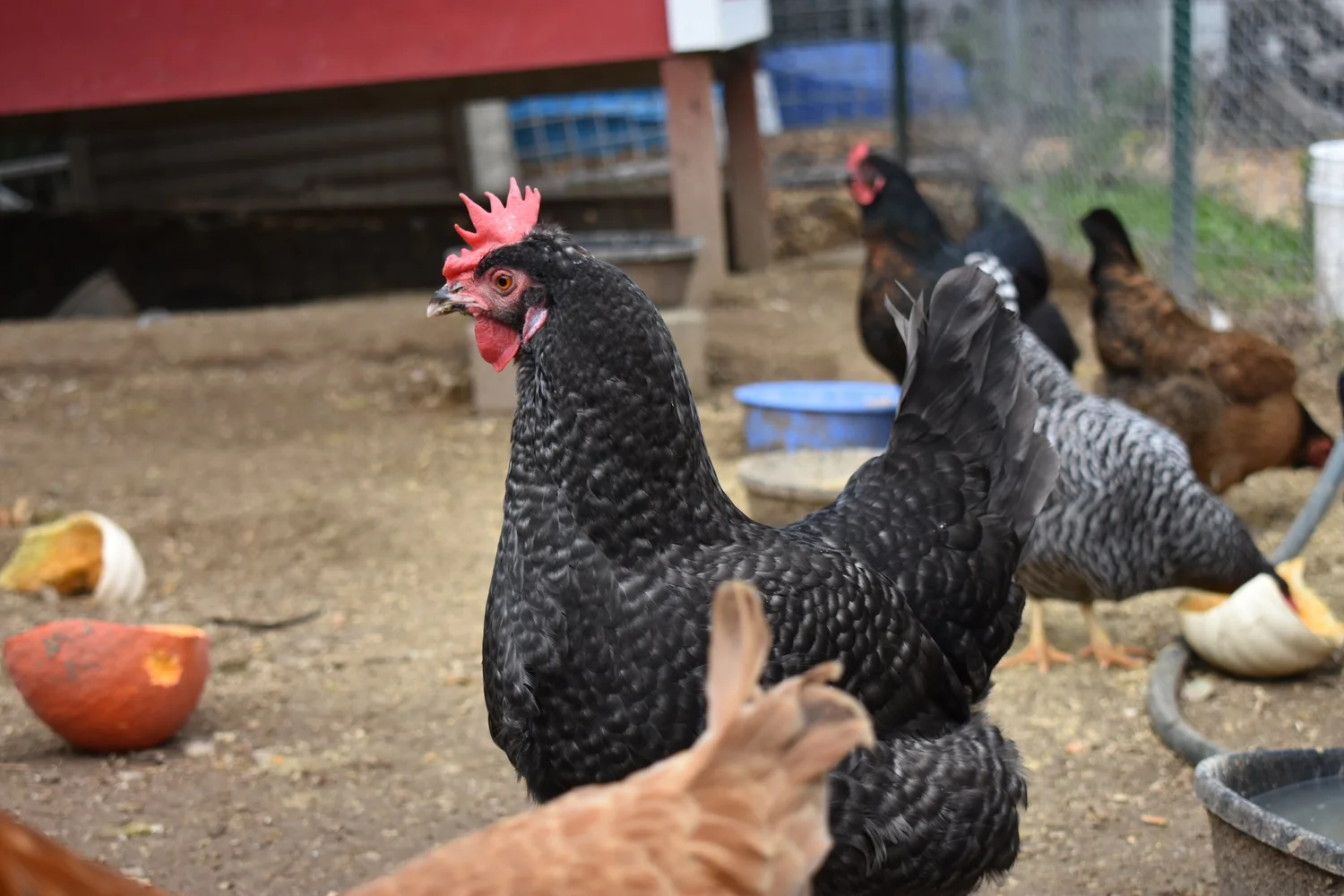
Safe and popular scraps include leafy greens (lettuce, kale, chard, spinach), squash, cucumbers, watermelon, berries, cooked rice, cooked pasta, and bread in small amounts. Here in Boulder Creek, my flock goes wild for overripe tomatoes from the garden, watermelon rinds in summer, and cooked oatmeal on cool mornings. The ducks especially love peas, which I toss into their water so they can dabble for them.
Some scraps are genuinely dangerous and should never be fed to poultry. The short list of foods to avoid:
Raw or dried beans contain phytohemagglutinin, a toxin that can be fatal to birds. Always cook beans thoroughly before offering them. Avocado skin and pits contain persin, which is toxic to most birds (the flesh is debated, but I avoid the whole fruit). Chocolate and caffeine are toxic. Raw potatoes and green potato skins contain solanine, which is harmful. Onions in large quantities can cause anemia in poultry. Citrus in large amounts can interfere with calcium absorption, though an occasional orange half is fine. Anything moldy, rotten, or heavily salted should go in the compost, not the run.
A few scraps fall into a gray area. Tomato leaves and stems (like the green parts of the plant) contain solanine, but ripe tomato fruit is perfectly safe. My chickens eat ripe tomatoes from the garden constantly with no issues. Apple seeds contain trace amounts of cyanide, but a chicken would need to eat an impractical quantity for it to matter. I still core my apples out of habit.
How you offer scraps matters as much as what you offer. Scatter them in the run rather than piling them in one spot. This encourages natural foraging behavior and reduces pecking-order conflict. Remove any uneaten scraps by the end of the day, especially in our mild Santa Cruz climate where leftovers attract rats and raccoons overnight. I learned this the hard way.
One more thing: scraps are a supplement, not a replacement for feed. A flock fed mostly on kitchen scraps will produce fewer eggs, lose body condition, and become more vulnerable to illness. Think of scraps as treats, not meals.
This week: Pick three safe scraps from your kitchen this week and scatter them in the run. Watch which items your flock prefers, and remove anything uneaten before nightfall.
Keep Reading
Frequently Asked Questions
How much of a chicken's diet can come from scraps?
UC ANR advises that scraps are treats, not the main course, and that most calories should come from a balanced commercial ration. Keep portions modest enough that birds continue eating their complete feed and maintain normal body condition.
Why are raw beans so dangerous for poultry?
Raw or dried beans contain a toxin that can be fatal to birds, so they must always be cooked thoroughly first. Other foods to avoid include avocado skin and pits, chocolate, raw potato and green skins, and anything moldy or heavily salted.
What is the best way to feed scraps to a flock?
Scatter scraps around the run so birds forage and spread out rather than fighting over a pile. Remove any uneaten portions daily so leftovers do not attract rats or other predators.
