

How Many Eggs Can I Expect From a Small Flock?
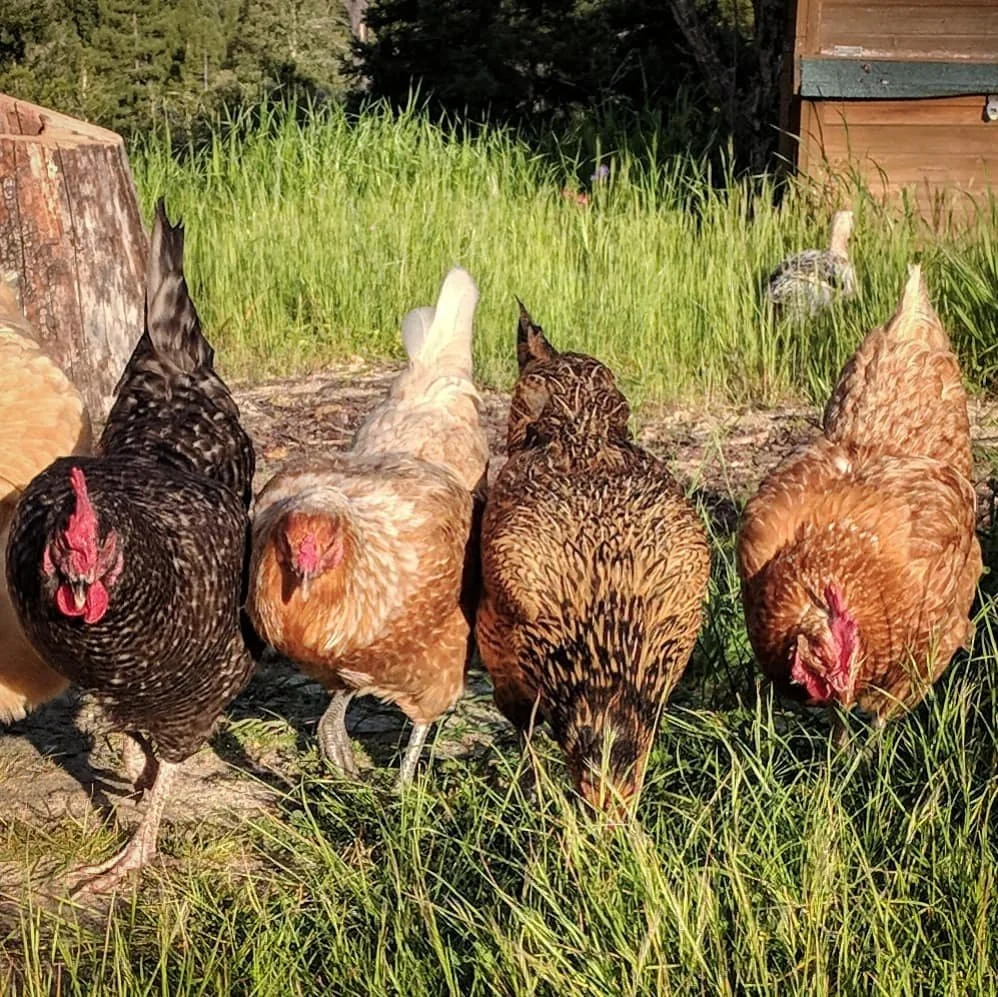
How Many Eggs Can I Expect From a Small Flock?
Egg output from a flock of four to six hens can vary widely by breed, age, season, health, and management. University of Minnesota Extension says a hen may lay roughly six eggs per week near peak and that peak production occurs in the first two years. Use your own flock records for planning rather than a fixed weekly or annual total.
Breed and strain matter, but published ranges are not guarantees for an individual bird. Penn State Extension documents substantial differences between commercial hybrids and common heritage types and notes variability between strains. Age, daylight, nutrition, health, and management also affect the number collected.
Daylight is another major factor. The national poultry Extension resource recommends at least 14 hours of light per day for year-round laying. Without supplemental light, production commonly slows as days shorten; whether to add light is a management choice that should account for flock health and goals.
Ducks follow their own breed, age, molt, daylight, nutrition, and health patterns, so do not assume one duck will match a chicken flock or a catalog maximum. Track duck eggs separately to learn the actual seasonal pattern in your flock.
Stress, diet, and health all affect production. Poultry Extension recommends a complete, balanced ration matched to the birds' age and production stage and warns that scratch grains can dilute nutrient intake. Provide clean water, suitable feed, secure housing, and veterinary care when illness is suspected.
One thing that surprises new flock keepers: you will have more eggs than you can eat during peak season, and not enough during winter. Planning for that cycle, whether through preserving, sharing with neighbors, or simply adjusting expectations, is part of keeping a small flock.
This week: Track how many eggs each bird is laying over seven days. It gives you a baseline to notice changes that might signal a health issue or a management problem.
Keep Reading
- Choosing the Right Breeds for Coastal California Gardens
- What to Feed Your Backyard Flock Year-Round in California
- Why Did My Chickens Stop Laying Eggs?
Frequently Asked Questions
How many eggs will four to six hens give me?
There is no dependable single total for every flock. Minnesota Extension says hens may lay roughly six eggs per week near peak, but breed, age, daylight, molt, nutrition, health, and individual variation can move the result substantially.
Why does egg production drop in winter here?
Poultry Extension recommends at least 14 hours of daily light for year-round production. Flocks kept on natural light commonly slow as fall and winter days shorten.
Does breed choice really change the numbers?
Yes, but strain and management matter as well as breed. Penn State Extension shows that commercial hybrids and heritage types can have very different production ranges and cautions that strains vary, so hatchery or breeder records are more useful than one breed-wide promise.
