

Do I Need a Rooster for My Hens to Lay Eggs?
Do I Need a Rooster for My Hens to Lay Eggs?
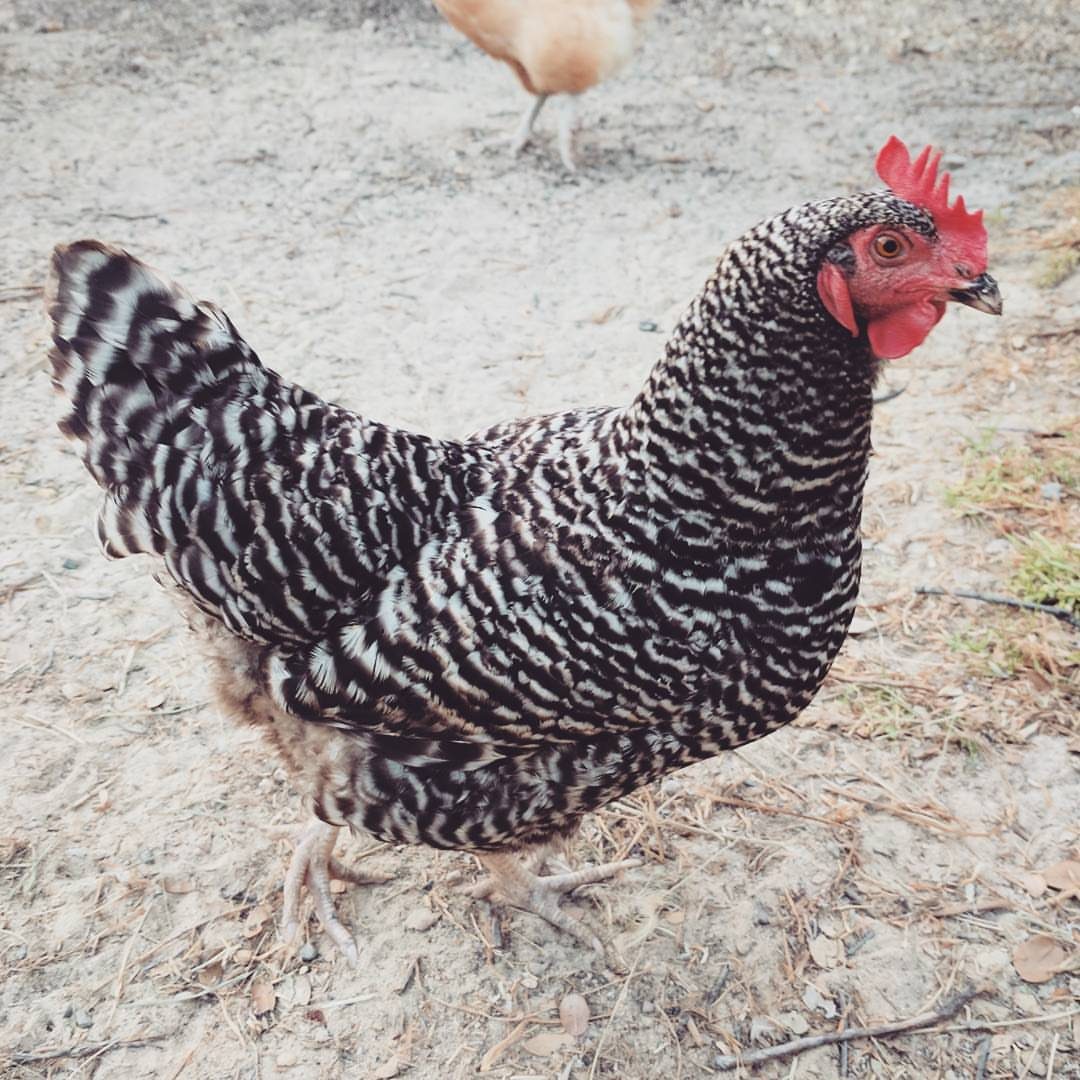
No. Hens lay eggs on their own whether or not a rooster is present. As university poultry programs explain, egg laying is driven by a hen's own cycle, not by mating. A rooster is only needed if you want those eggs to be fertilized so they can develop into chicks. For a backyard flock kept for eggs, you do not need one at all.
What Makes a Hen Lay?
A hen's laying is controlled mostly by daylight and age, not by company. As a young hen reaches maturity, usually around five to six months old, her body begins releasing a yolk roughly once a day. That yolk travels through her reproductive tract, picks up the white and shell, and is laid as an egg about a day later. This happens automatically, the same way it does for a wild bird. Hens need around 14 to 16 hours of light to lay at full pace, which is why production naturally slows during our short, foggy Santa Cruz winters and picks back up in spring.
What Does a Rooster Actually Do?
A rooster's role is fertilization. When a rooster mates with a hen, the eggs she lays become fertile and can hatch if incubated. Without a rooster, every egg is simply unfertilized. A rooster does not increase how many eggs a hen lays, and he does not make her lay sooner or longer. Some keepers like having a rooster for flock watchfulness or breeding plans, but those are separate choices from getting eggs on your counter.
Can I Still Keep a Rooster Here?
That depends on where you live. Many local jurisdictions in our area restrict or prohibit roosters because of crowing, and the rules vary by city and zone. Before you bring one home, check your specific local ordinance. If you are just starting out, see our guide to starting a backyard flock in Santa Cruz County, and use Build Your Flock to think through which hens fit your space.
Are Unfertilized Eggs Fine to Eat?
Yes. The eggs from a rooster-free flock are unfertilized, completely normal, and nutritionally identical to fertilized eggs. Almost all store-bought eggs are unfertilized too. If you want a sense of how many to expect, see how many eggs you can expect from a small flock.
So keep your hens, skip the rooster if your zone restricts it, and enjoy the eggs. They are just as good without him.
Frequently Asked Questions
Will my hens lay an egg every single day?
Close to it during peak season, but not quite. A hen's body takes roughly 24 hours to build a complete egg, so a healthy young layer produces about an egg a day at her best. Age, molt, and shorter daylight all slow that pace, which is why production dips noticeably in winter.
How can I tell whether an egg is fertilized?
If you have no rooster, every egg is unfertilized, full stop. Where a rooster is present, keepers look for the germinal disc on the yolk: a fertilized egg shows a small bullseye ring, while an unfertilized one shows a plain white dot. Either way the egg looks, cooks, and tastes the same.
Should I add supplemental light so my hens keep laying through winter?
It is a personal call. Hens lay best with around 14 to 16 hours of light, so a low-wattage bulb on a timer in the coop can keep eggs coming through our short, foggy winters. Plenty of keepers skip it and let their birds take a natural seasonal rest, which many feel supports longer-term health.
Do I need a rooster for my hens to lay eggs?
No. Hens lay eggs whether or not a rooster is present; Poultry Extension notes a rooster is only needed to fertilize eggs for hatching. That is good news locally, since many California cities and Santa Cruz County neighborhoods allow hens but ban roosters over noise. If you only want eggs for the kitchen, a hen-only flock is quieter, keeps the peace with neighbors, and lays just as reliably.
