

Why Is My Chicken Losing Feathers in Summer?
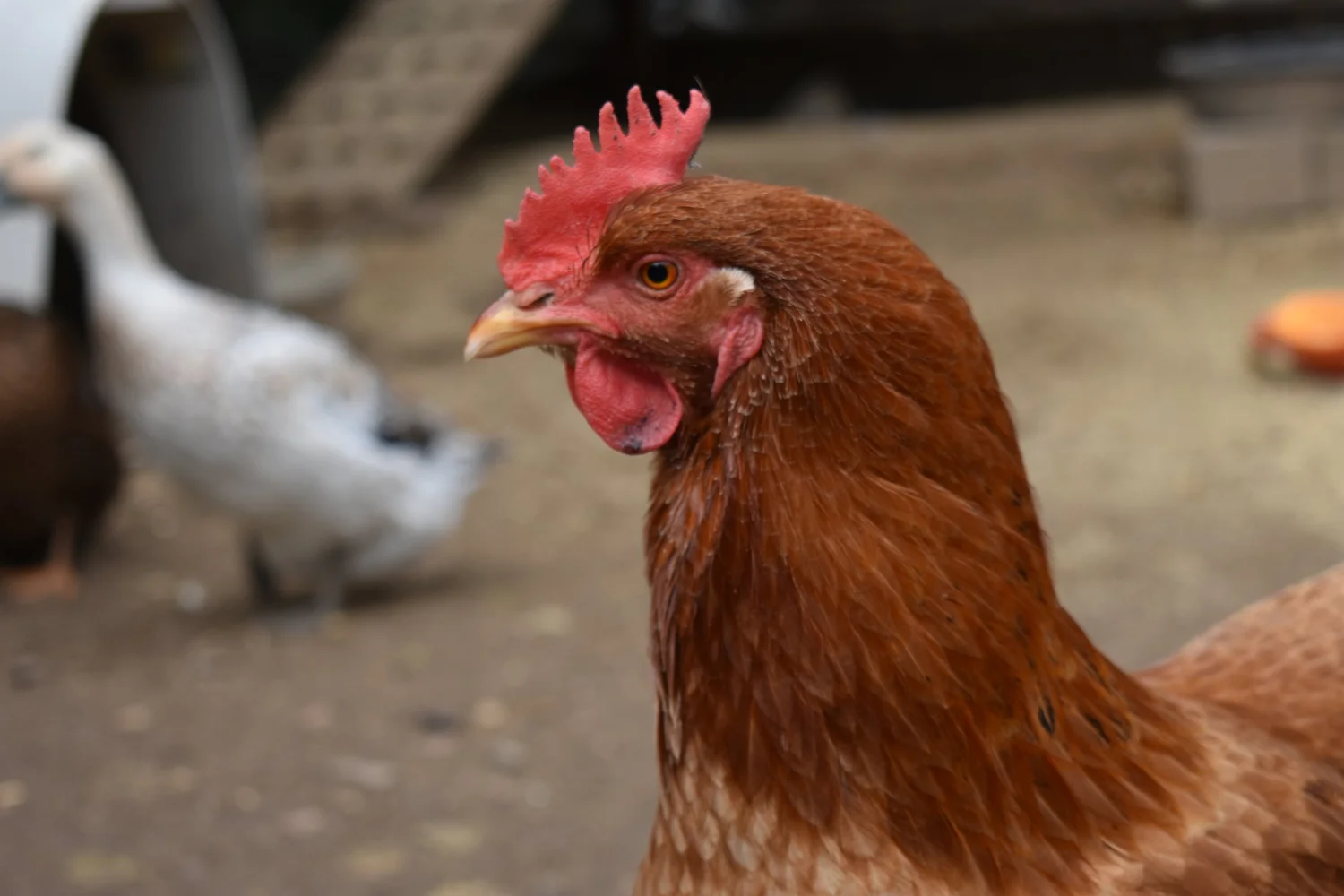
Why Is My Chicken Losing Feathers in Summer?
Molting is a common reason for feather loss in late summer or fall. UC ANR notes that hens often have a molt at about 18 months as shorter daylight triggers feather replacement and egg laying pauses. Timing varies, so assess feather loss along with skin condition, behavior, and other signs.
UC ANR describes natural molt as an orderly replacement that generally occurs once a year in mature chickens, usually in fall, with feathers replaced from the head and neck through the body, wings, and tail. Feather loss and regrowth can overlap, and egg production often slows or stops during the molt.
Feather loss is not always molting. Bare or raw patches can indicate feather pecking. Penn State Extension explains that poor management and stress can trigger damaging pecking. Check stocking density, access to a complete ration, and opportunities for foraging and enrichment; UC ANR suggests at least 10 square feet per bird in the run.
External parasites are another possibility. UC IPM distinguishes northern fowl mites, which live mainly in vent feathers, from poultry red mites, which hide in coop cracks and crevices and feed on birds. Examine birds and housing regularly and identify the pest before treating. Use only products labeled for the bird and site, and follow all label directions or veterinary guidance.
If the feather loss is accompanied by lethargy, weight loss, or unusual droppings, consult a poultry-experienced veterinarian. Santa Cruz County has a few vets who see backyard birds, and catching a health issue early makes treatment simpler and less expensive.
This week: Pick up each bird after dark and check the skin around the vent and under the wings for mites or lice. If the skin is clean and feathers are dropping in the head-to-tail pattern, your hen is just molting. Boost protein with black oil sunflower seeds or mealworms to support feather regrowth.
Keep Reading
- Common Health Issues in Backyard Chickens, Ducks, and Geese
- What to Feed Your Backyard Flock Year-Round in California
- Seasonal Flock Care: Spring and Summer in Coastal California
Frequently Asked Questions
How do I tell normal molting from a problem?
Molting feathers drop in a predictable pattern from the head and neck down toward the tail, and the skin underneath looks healthy. If you see raw patches, bald spots in odd places, or signs of irritation, look instead for pecking or parasites.
What parasites should I check for in warm weather?
Mites and lice thrive in summer and gather around the vent and under the wings, with northern fowl mites being common along coastal California. Inspect birds at night and treat with a permethrin-based product plus a thorough coop cleaning.
How can I help feathers grow back faster?
Feather growth depends on a balanced diet. The Merck Veterinary Manual recommends species- and life-stage-appropriate, nutritionally complete rations and warns that excessive scratch or supplements can unbalance the diet. Address crowding and feather pecking with space and enrichment rather than relying on treats as a protein remedy.
