

Learn
CATEGORIES
- Beginner Gardening
- California Gardening
- Companion Planting
- Container Gardening
- Edible Gardening
- Fire-Wise Gardening
- Food Safety
- Garden Myth Buster
- Garden Planning
- Garden Question of the Week
- Gardening with Kids
- Getting Started
- Grow Guides
- Growing Guides
- Herbs
- How-To Guides
- Indoor Gardening
- Microclimates
- Microgreens and Indoor Growing
- Monthly Garden Checklist
- Nutrition
- Planning & Planting
- Plant Problems
- Seasonal Gardening
- Seasonal Planting
- Succulents
- This vs. That
- Water-Wise Gardening
- Wildlife and Pest Management
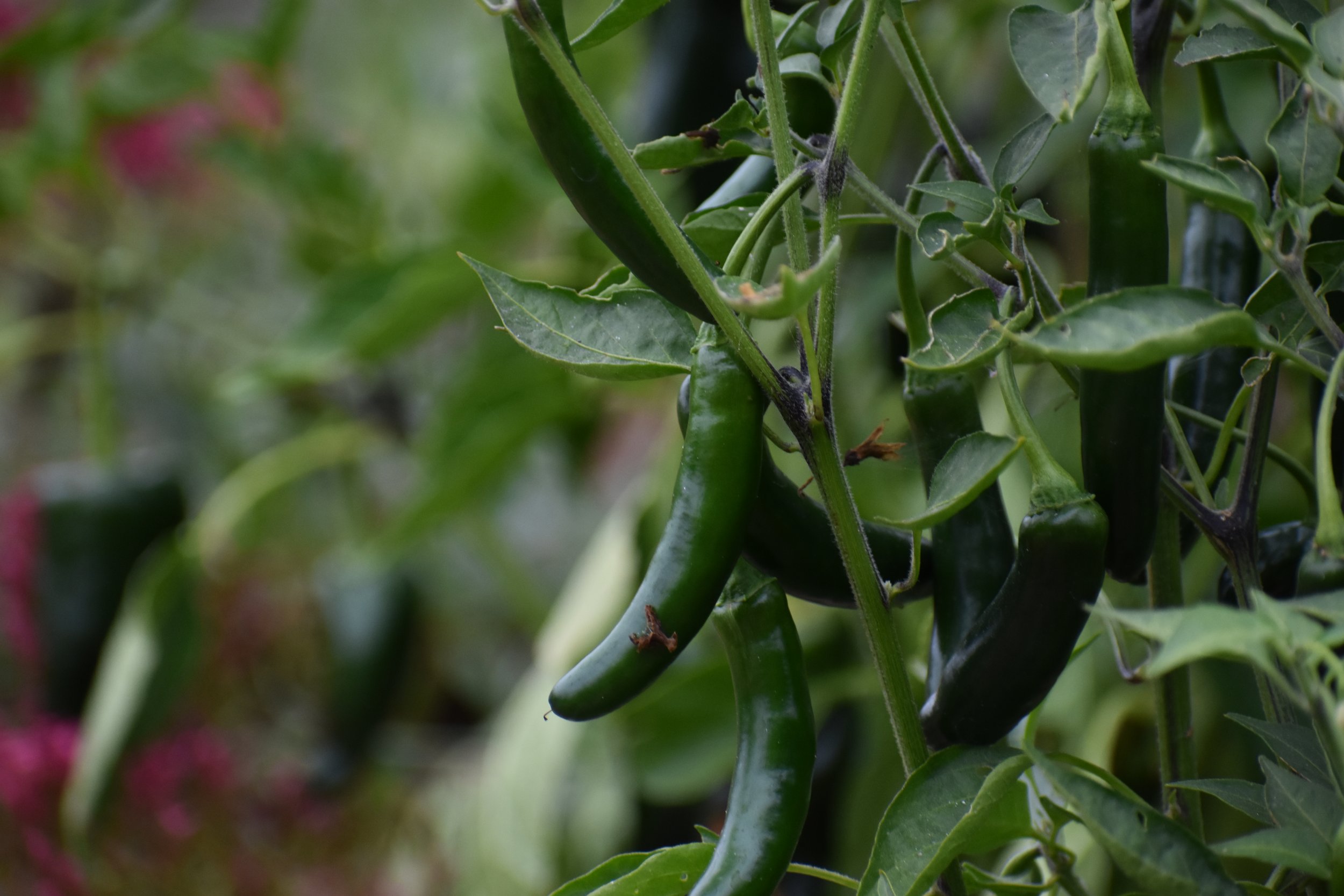
Best Pepper Varieties for Santa Cruz County Microclimates
Not all peppers perform equally across Santa Cruz County's diverse microclimates. This comprehensive guide matches specific pepper varieties to your growing conditions, from fog-tolerant shishitos for coastal gardens to heat-loving habaneros for Watsonville's warm valleys.
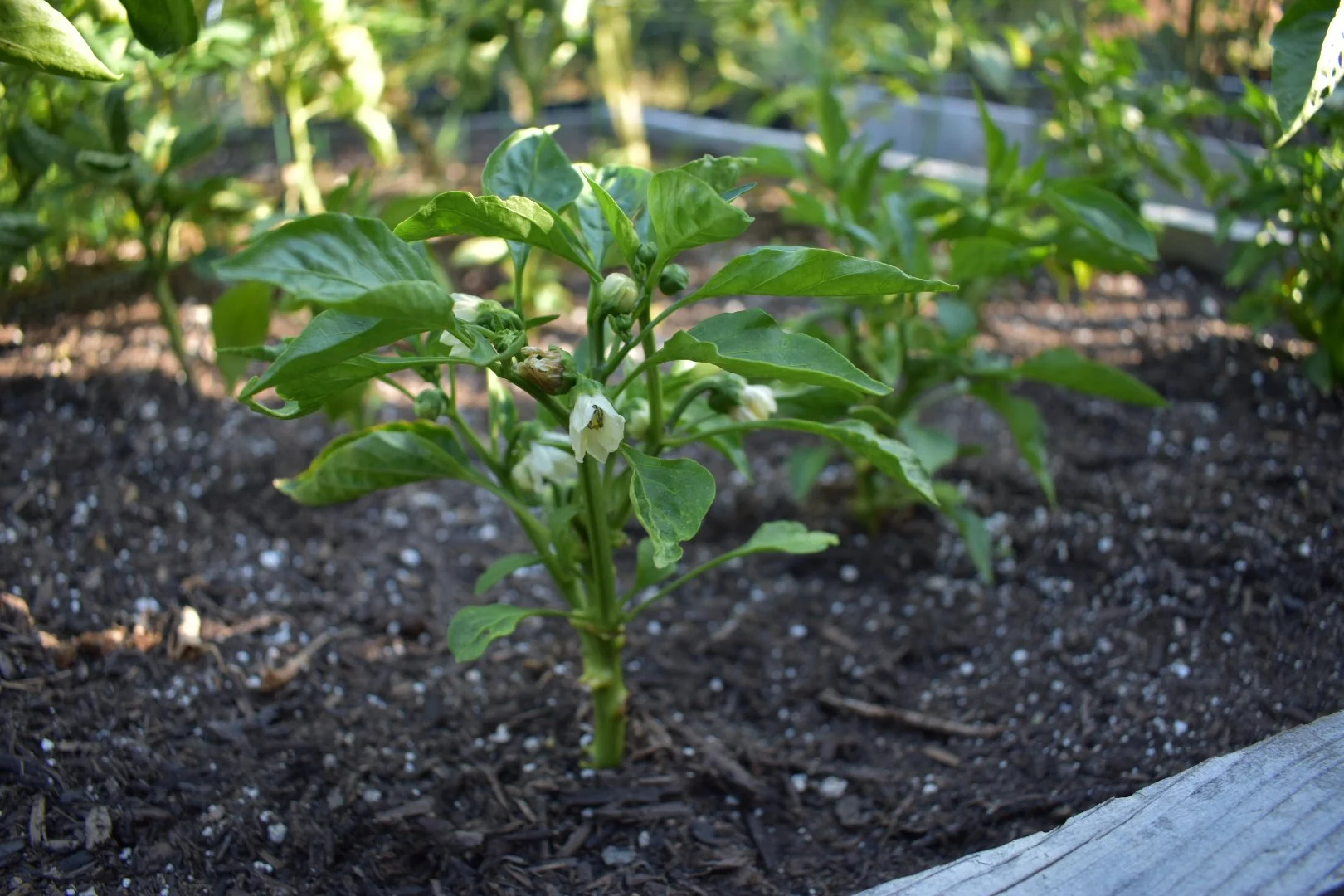
Starting Peppers from Seed in Santa Cruz County: Access Better Varieties
Starting peppers from seed gives you access to the varieties that actually thrive in Santa Cruz County's cool climate, not just the standard bells that struggle in fog. The process requires patience and a heat mat, but rewards you with stronger plants and far better variety selection than nursery transplants offer.
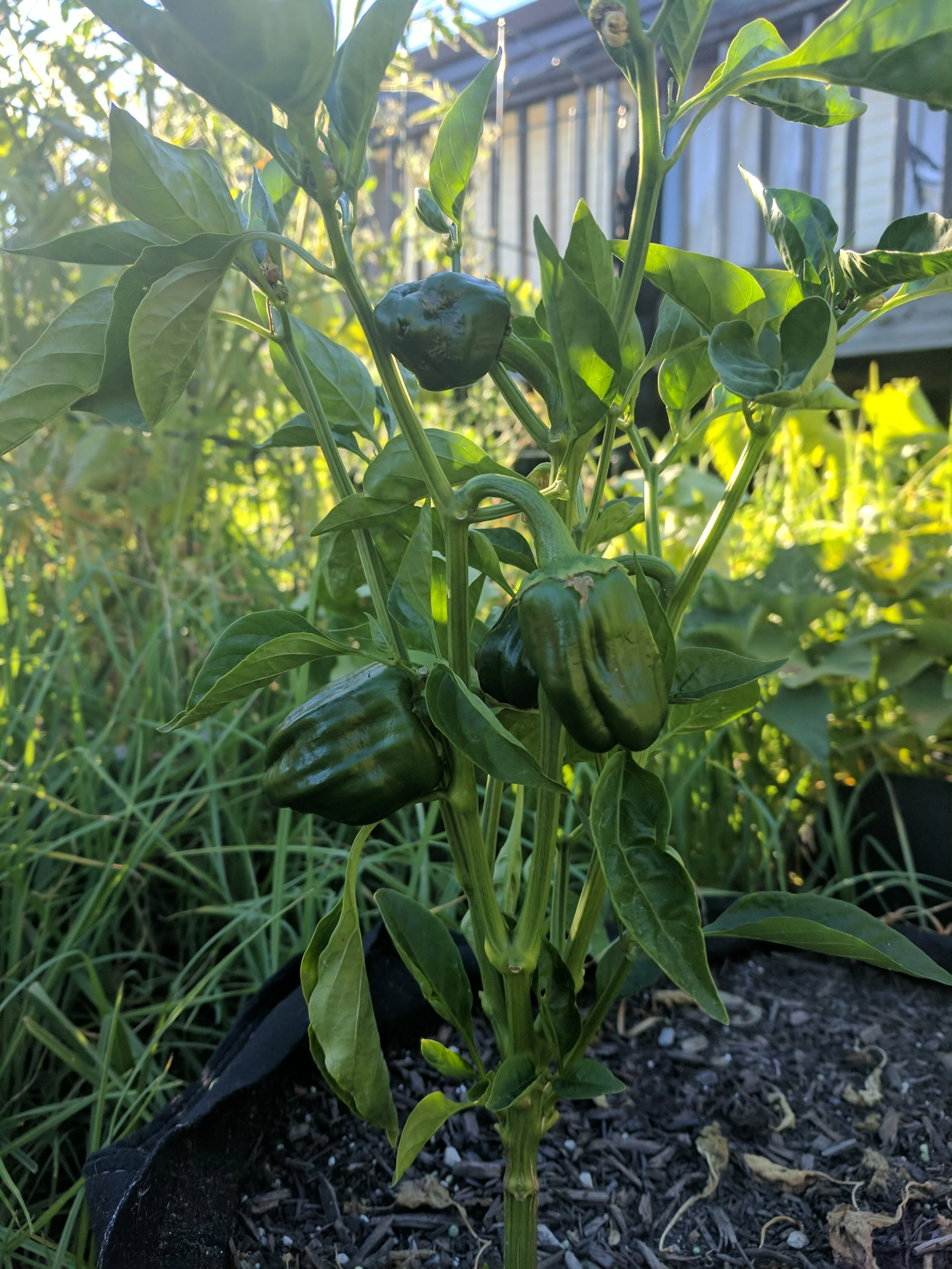
Why Your Peppers Won't Turn Red in Santa Cruz County
Your peppers reached full size weeks ago but refuse to change color. They're sitting on the plant, stubbornly green, while you wait for the red, yellow, or orange you expected. In Santa Cruz County's cool climate, this is one of the most common frustrations pepper growers face.
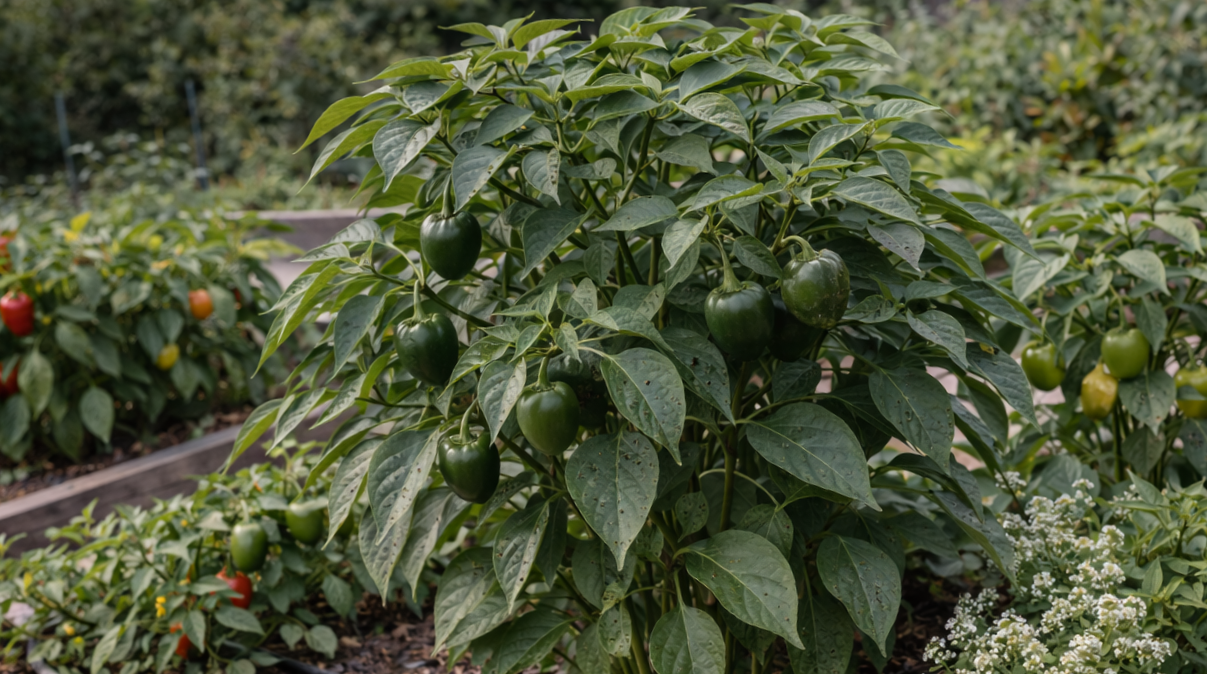
Manzano Peppers: The Hot Pepper Built for Cool Climates
Manzano peppers are uniquely suited to Santa Cruz County's mild climate. Unlike most hot peppers, they prefer cooler temperatures and can produce for years as perennials in our frost-free areas.
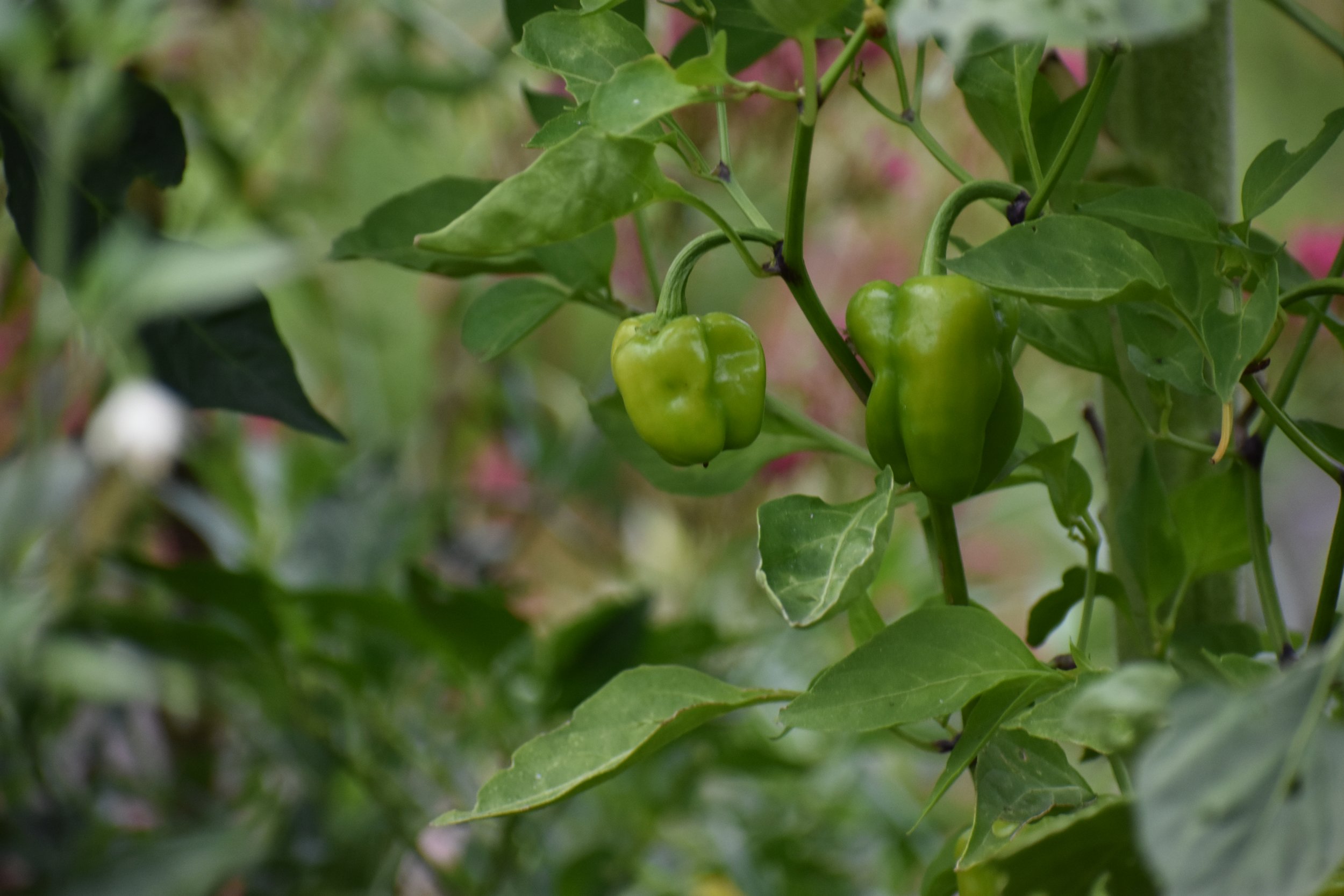
Growing Sweet Peppers in Santa Cruz County: The Varieties That Actually Succeed
Sweet peppers are notoriously challenging in Santa Cruz County's cool climate, but the right variety choices and growing strategies make all the difference. This guide covers which sweet peppers actually succeed here, from quick-maturing mini bells to fog-tolerant Italian frying types, plus the microclimate strategies that turn pepper frustration into abundant harvests.

Pepper Problems in Santa Cruz County: Troubleshooting Guide
When your pepper plants flower beautifully but never set fruit, or your peppers stay stubbornly green well into fall, the culprit is usually our cool Santa Cruz County climate. This troubleshooting guide covers the most common pepper problems, why they happen here specifically, and what you can actually do about them.
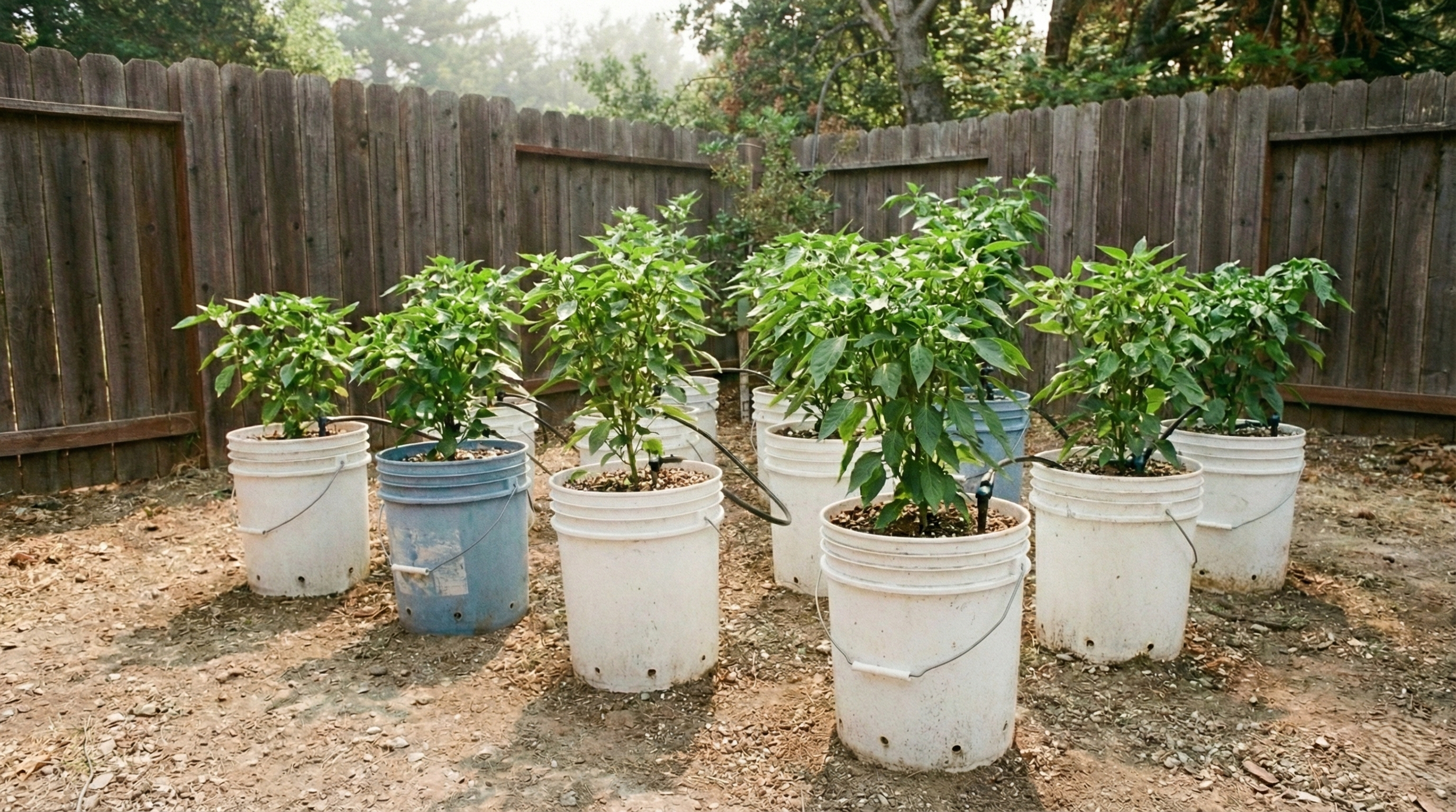
Growing Peppers in Containers in Santa Cruz County: The Mobility Advantage
Container growing is the secret weapon for pepper success in Santa Cruz County's challenging microclimates. The ability to move plants to chase sun, protect them from cold nights, and warm soil faster can transform your pepper harvest, especially in coastal and foggy areas where in-ground peppers struggle.
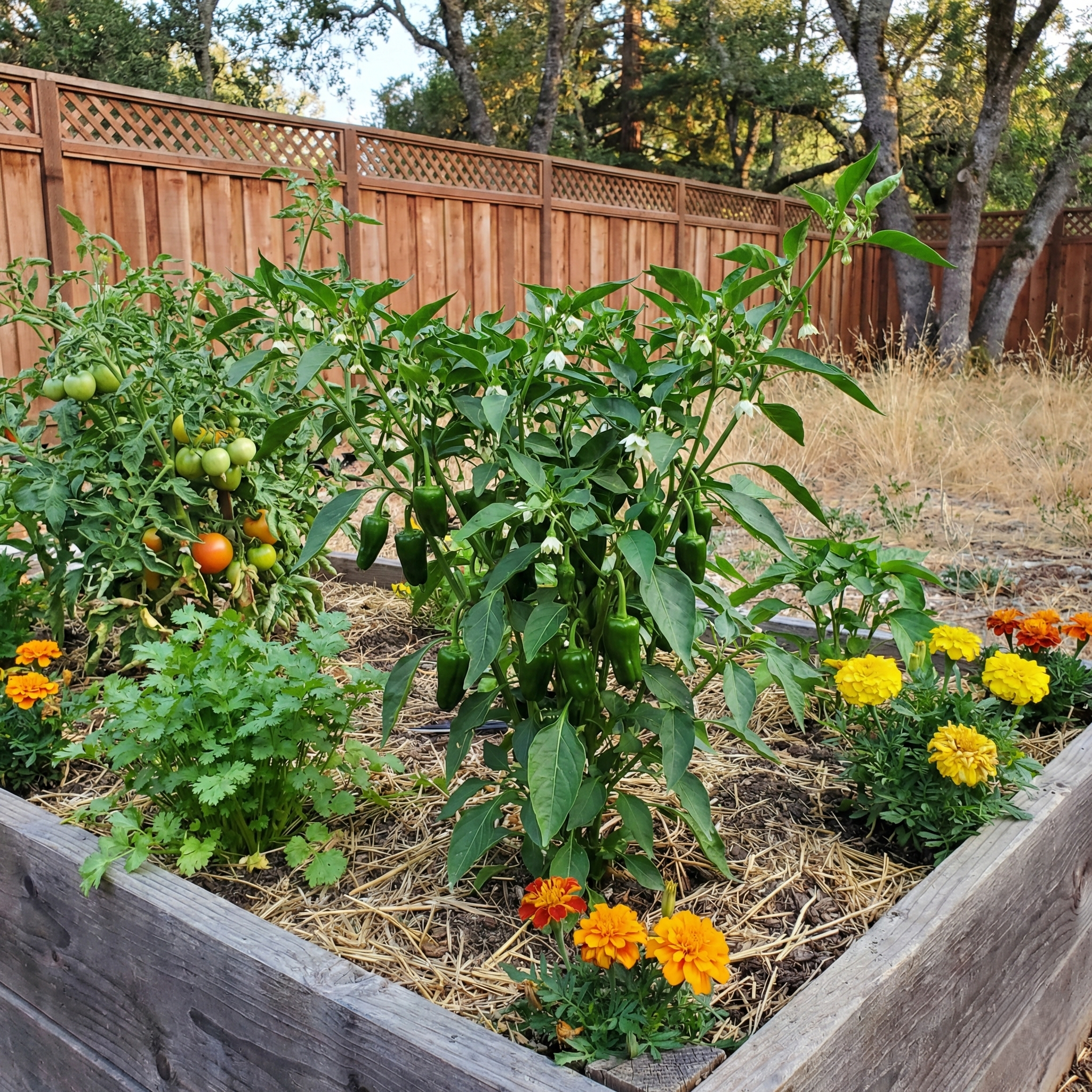
Growing Shishito & Padrón Peppers in Santa Cruz: The Perfect Peppers for Coastal Gardens
Shishito and padrón peppers are the rare warm-season crops that actually thrive in Santa Cruz County's cooler microclimates. These mild, thin-walled peppers produce prolifically, mature quickly, and taste incredible when blistered in a hot pan. Here's how to grow them in every Santa Cruz microclimate.
When to Plant Peppers in Santa Cruz County: Get the Timing Right
The pepper transplants appear at nurseries in March, but planting them immediately is a mistake in Santa Cruz County. Our cool soil and cold nights can permanently stunt peppers planted too early. This guide explains exactly when to plant peppers in each microclimate for the best results.
How to Grow Hot Peppers in Santa Cruz County
Learn which hot pepper varieties thrive in Santa Cruz County's microclimates, when to plant, and how to maximize your harvest in coastal or inland gardens.
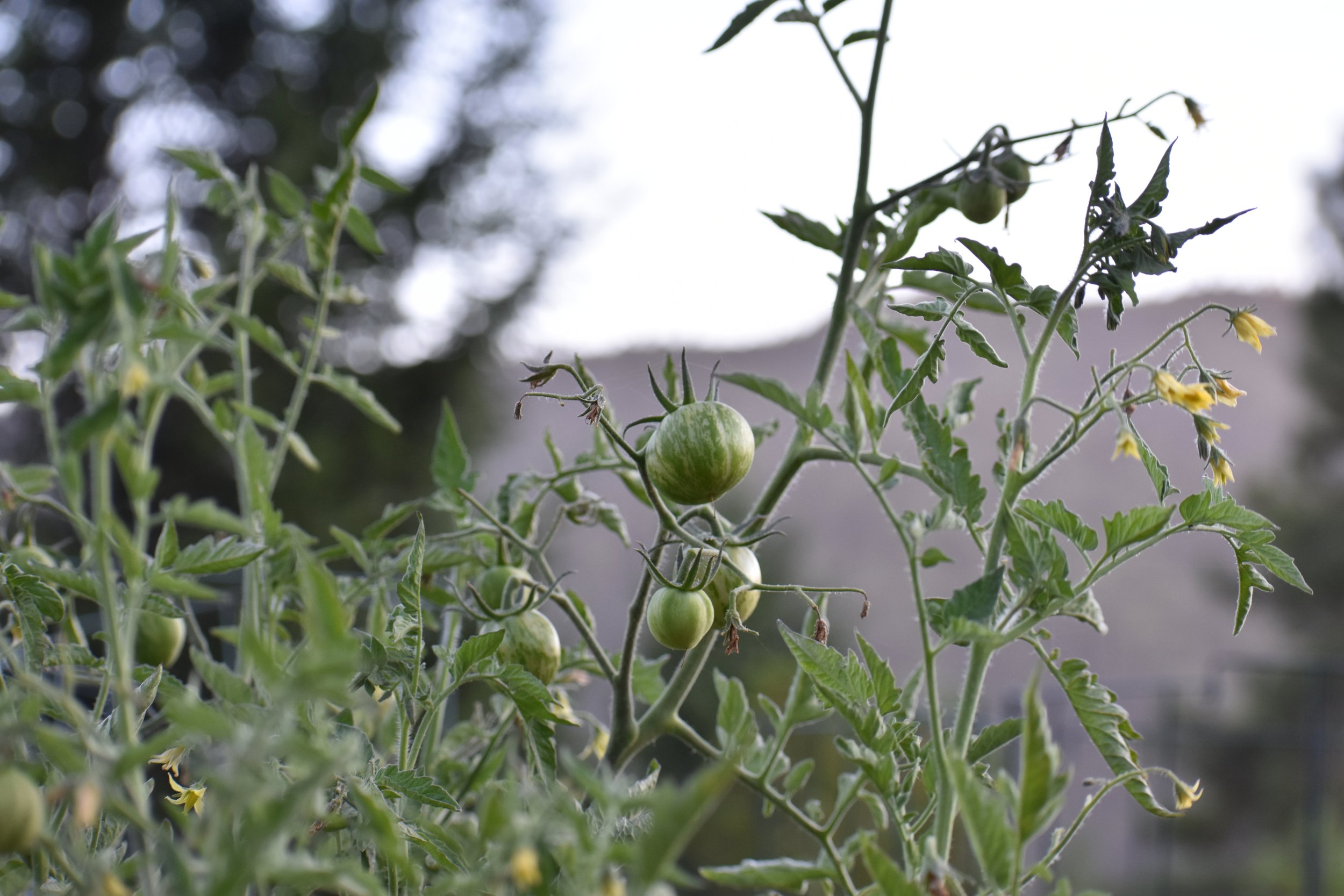
5 Edible Plants That Will Elevate Your Landscape Design and Your Dinner Plate
Embrace the union of beauty and practicality in your California garden with our top 5 edible plant choices. From the vibrant allure of tomatoes to the aromatic charm of herbs, learn how to cultivate a garden that's not just a visual treat but a culinary treasure. Uncover the secrets to growing peppers, leafy greens, and strawberries, making your garden a delightful source of fresh, tasty produce.
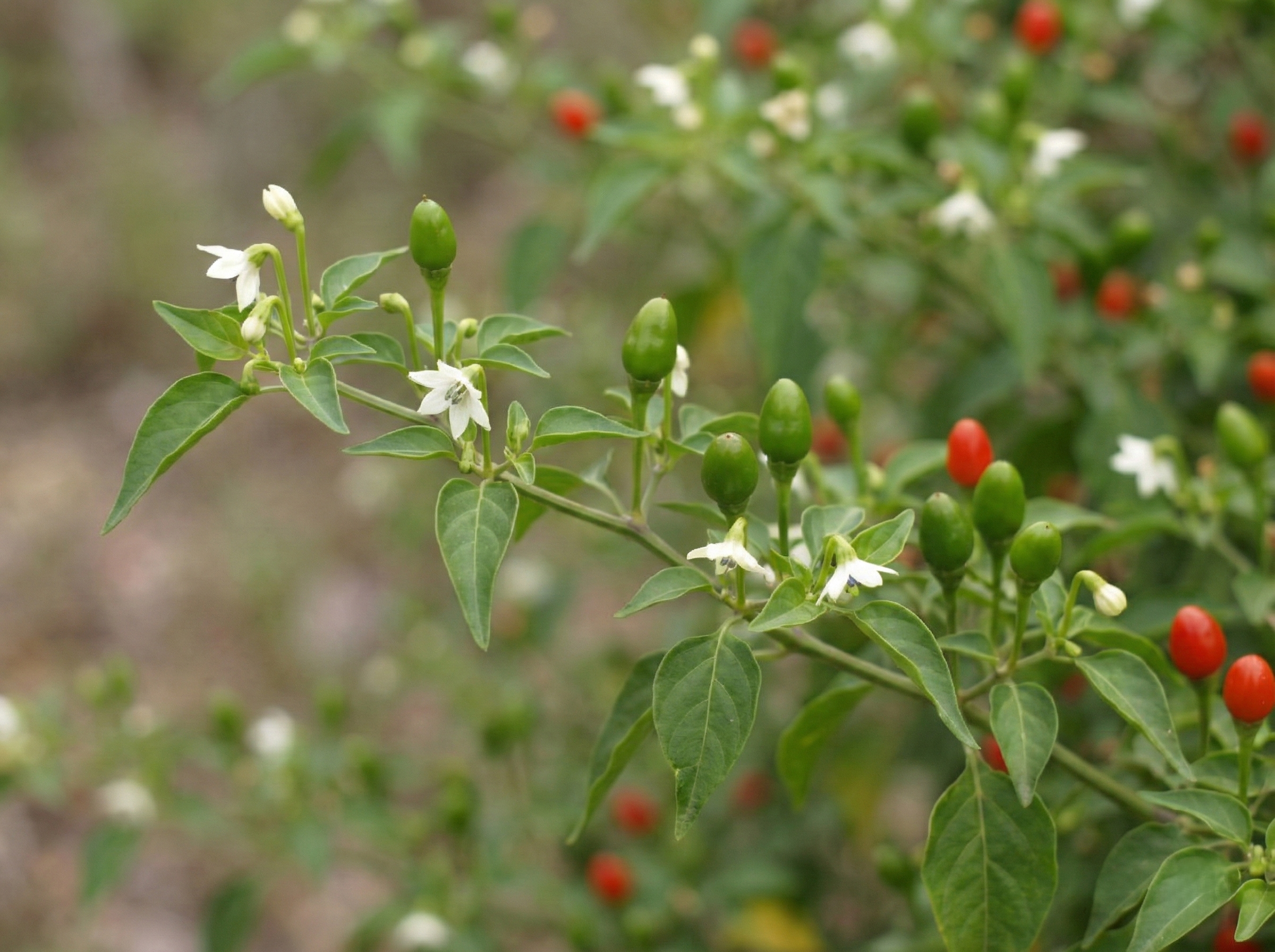
Chiltepin Peppers: Growing the Wild Ancestor of All Chilis
Chiltepin peppers are the wild ancestor of all cultivated chilis. These tiny, fiery peppers are challenging but rewarding for Santa Cruz County gardeners who can provide the heat they need.