


Succession Planting for Beginners
Succession planting means staggering plantings over time for continuous harvests. In Santa Cruz County's year-round growing season, this technique transforms your garden into a steady food source.
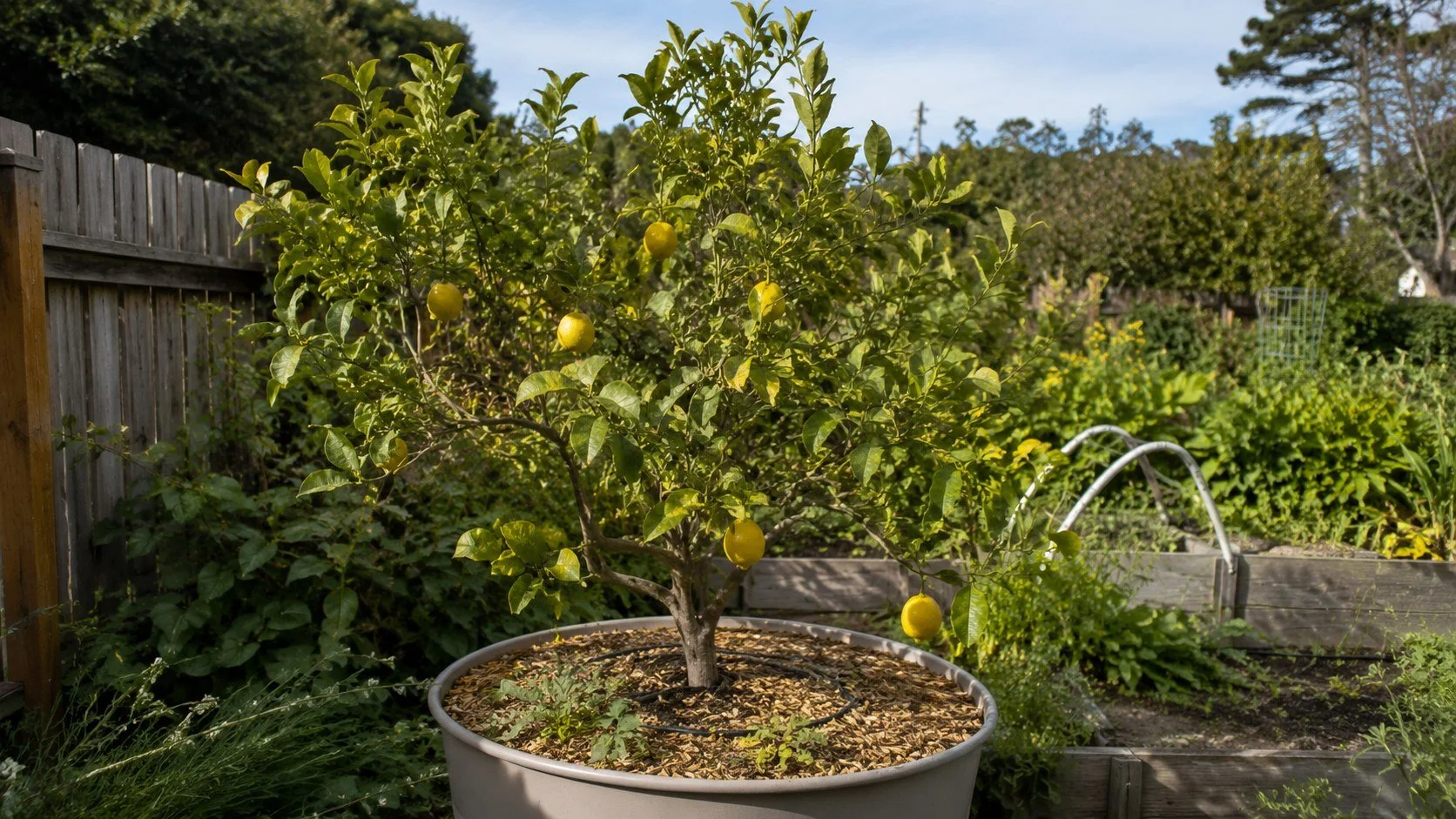
Growing Citrus in Containers: The Mobility Advantage
Containers let you grow citrus anywhere and move trees to shelter during cold snaps. Here is how to succeed with potted citrus in Santa Cruz County.
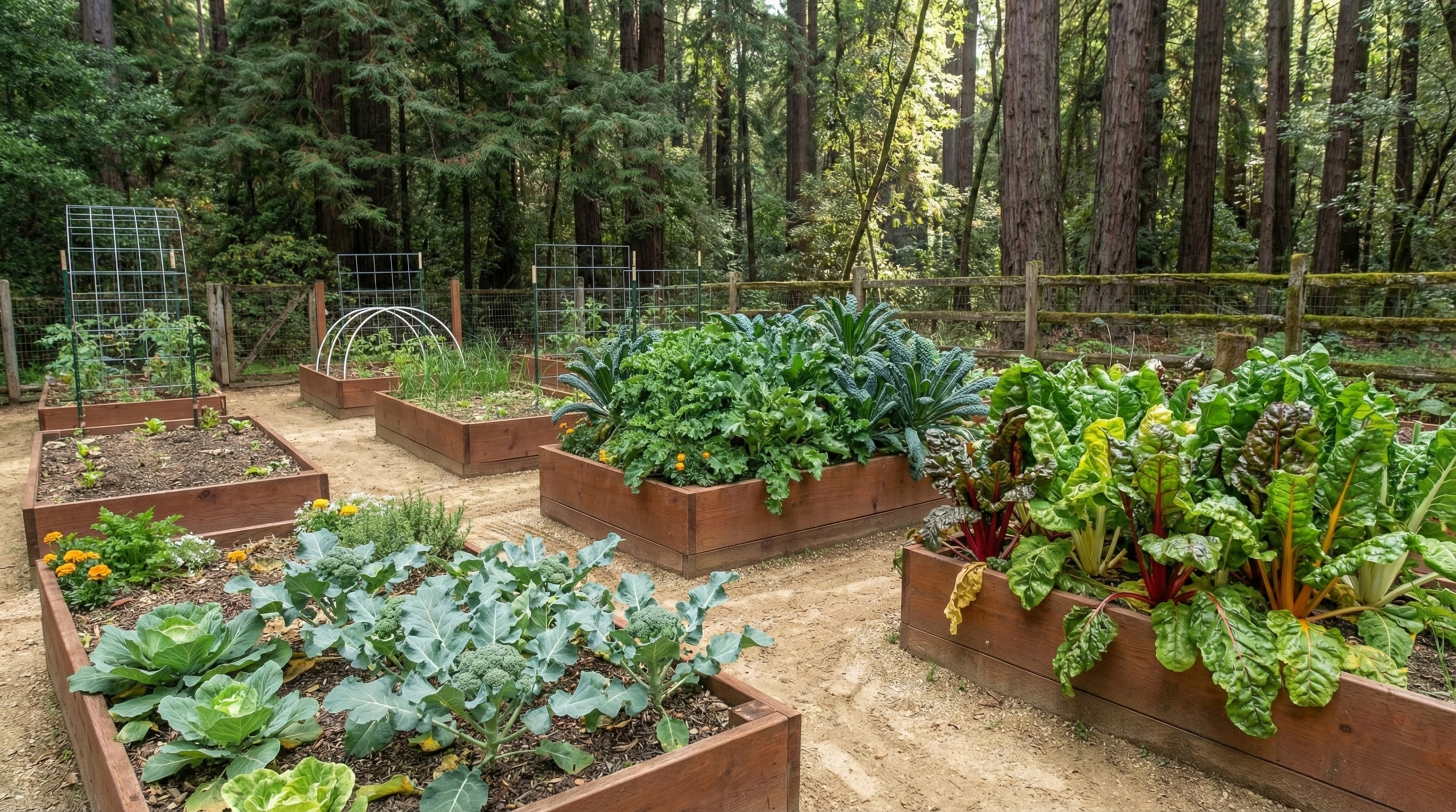
The 3 Best Bulk Soils for Santa Cruz County Vegetable Gardens (And Where to Get Them)
Building raised beds or amending your garden? Buying soil by the bag gets expensive fast. Here are the three best bulk soil options in Santa Cruz County, where to get them, and how to choose the right one for your garden.
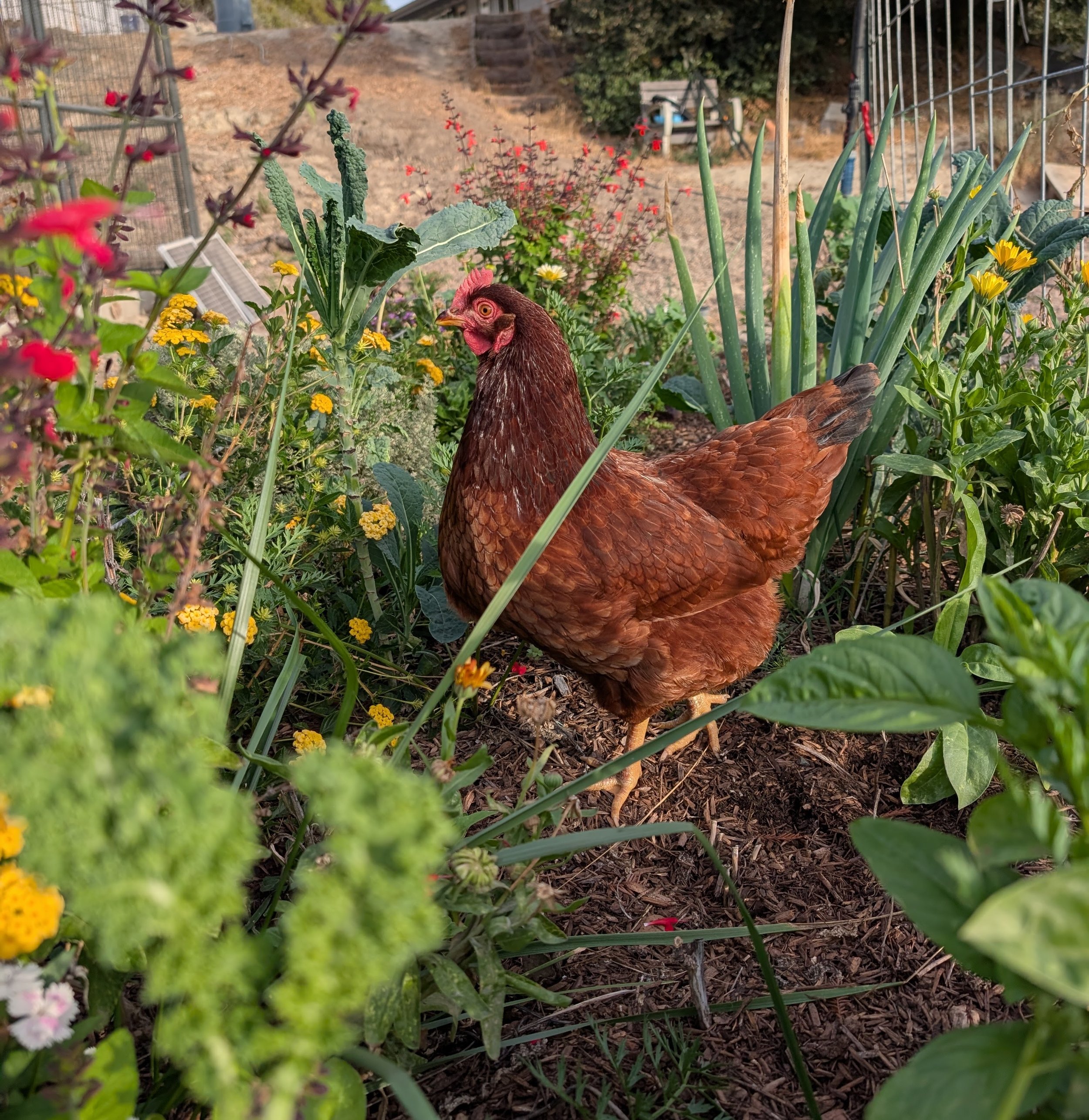
Best and Worst Garden Plants for a Free-Range Flock
Which garden plants survive free-range chickens and ducks, which get destroyed, and which toxic plants to remove from your Santa Cruz County garden.
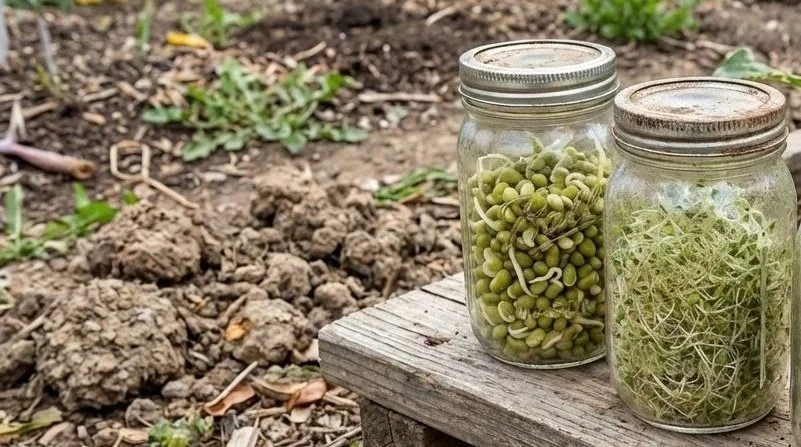
Growing Sprouts at Home Safely: Alfalfa, Mung Bean, and More
Learn to grow sprouts at home safely with proper sanitation. Covers alfalfa, mung bean, lentil, broccoli sprouts plus FDA and UC food safety guidelines.
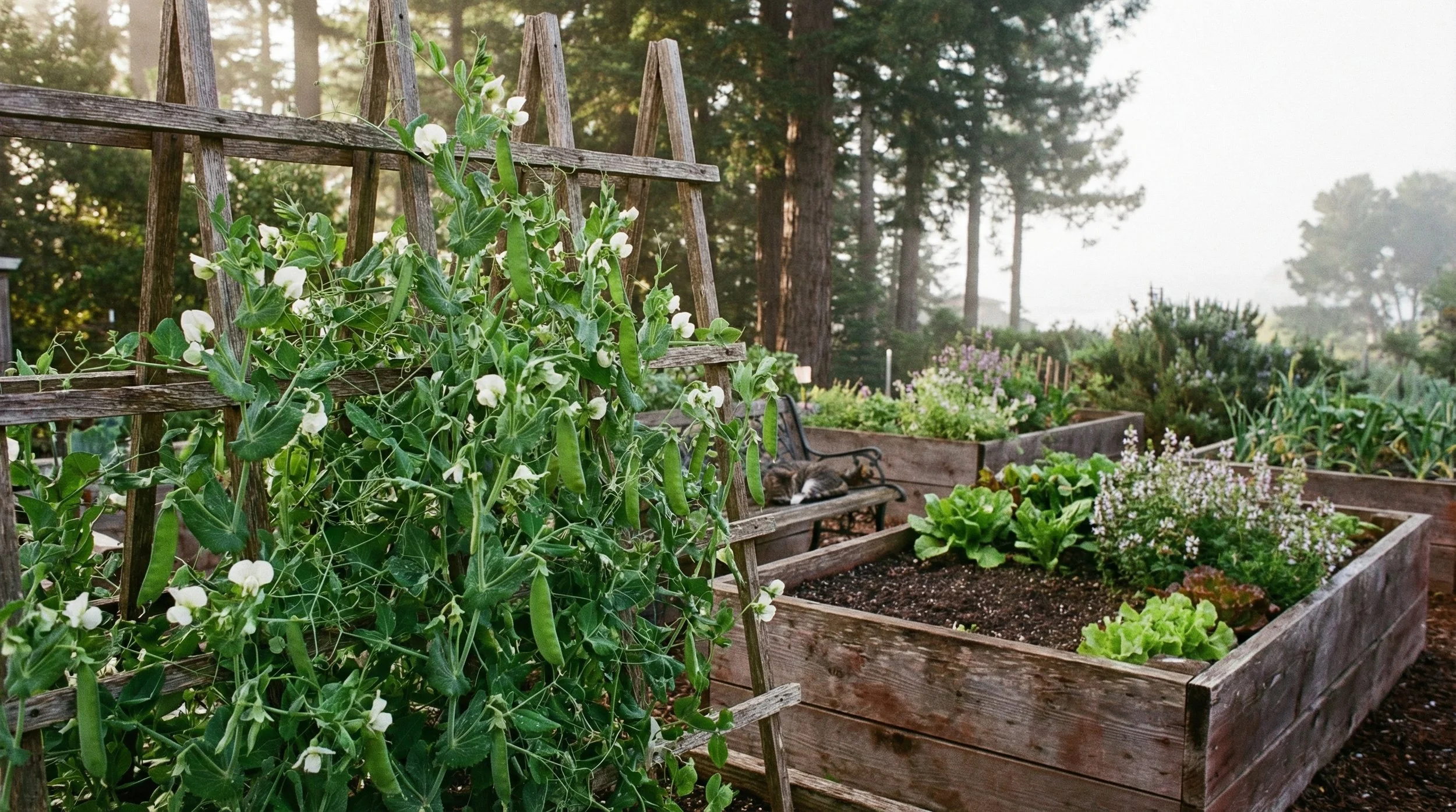
Growing Sugar Snap Peas in the Santa Cruz Banana Belt
In the warm, sunny pockets above the fog, peas grow beautifully too. The one difference that matters is heat. Time your sowings to dodge the late-spring warm spell and the banana belt gives you a clean, productive crop.
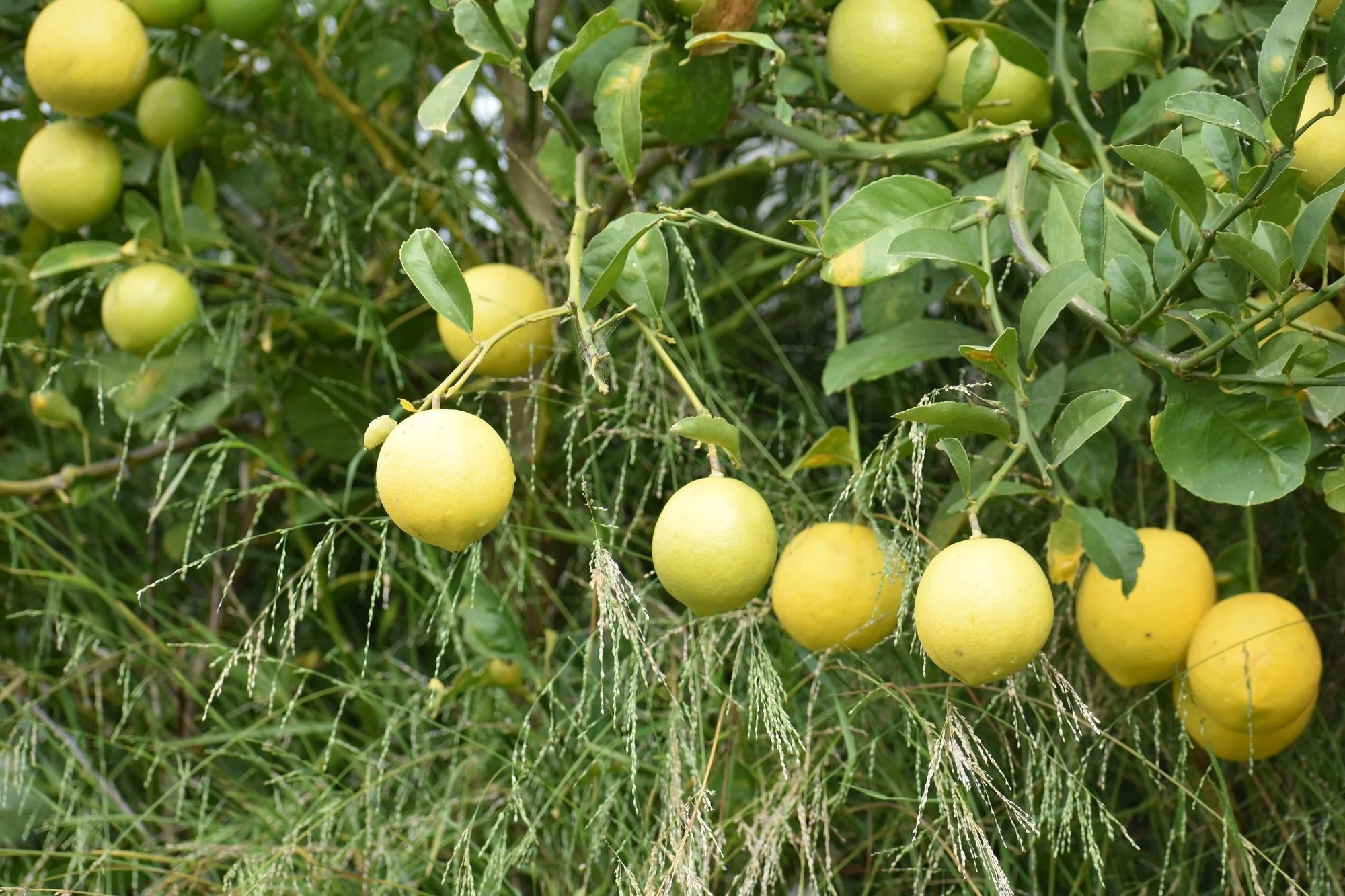
Growing Meyer Lemons in Santa Cruz County
Meyer lemons are the most popular backyard citrus in Santa Cruz County. With the right site and care, they produce fruit nearly year-round.
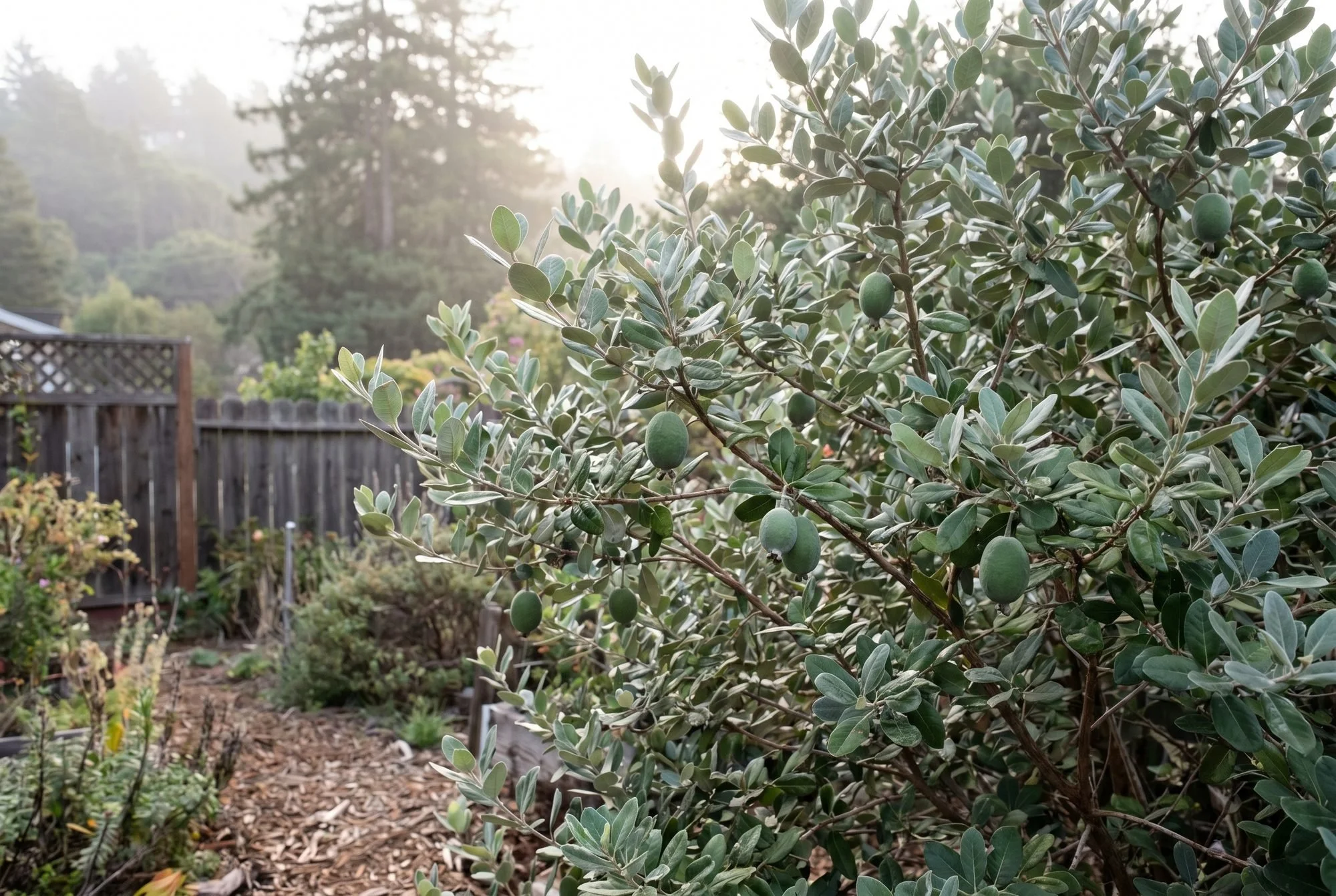
Growing Feijoa (Pineapple Guava) in the Pajaro Valley
If you garden in the Pajaro Valley around Watsonville, the feijoa, or pineapple guava, is an easygoing fruit that fits the warm valley well. It handles the heat, the soil, and the rare valley-floor frost without complaint, making it one of the simpler fruits to add here.
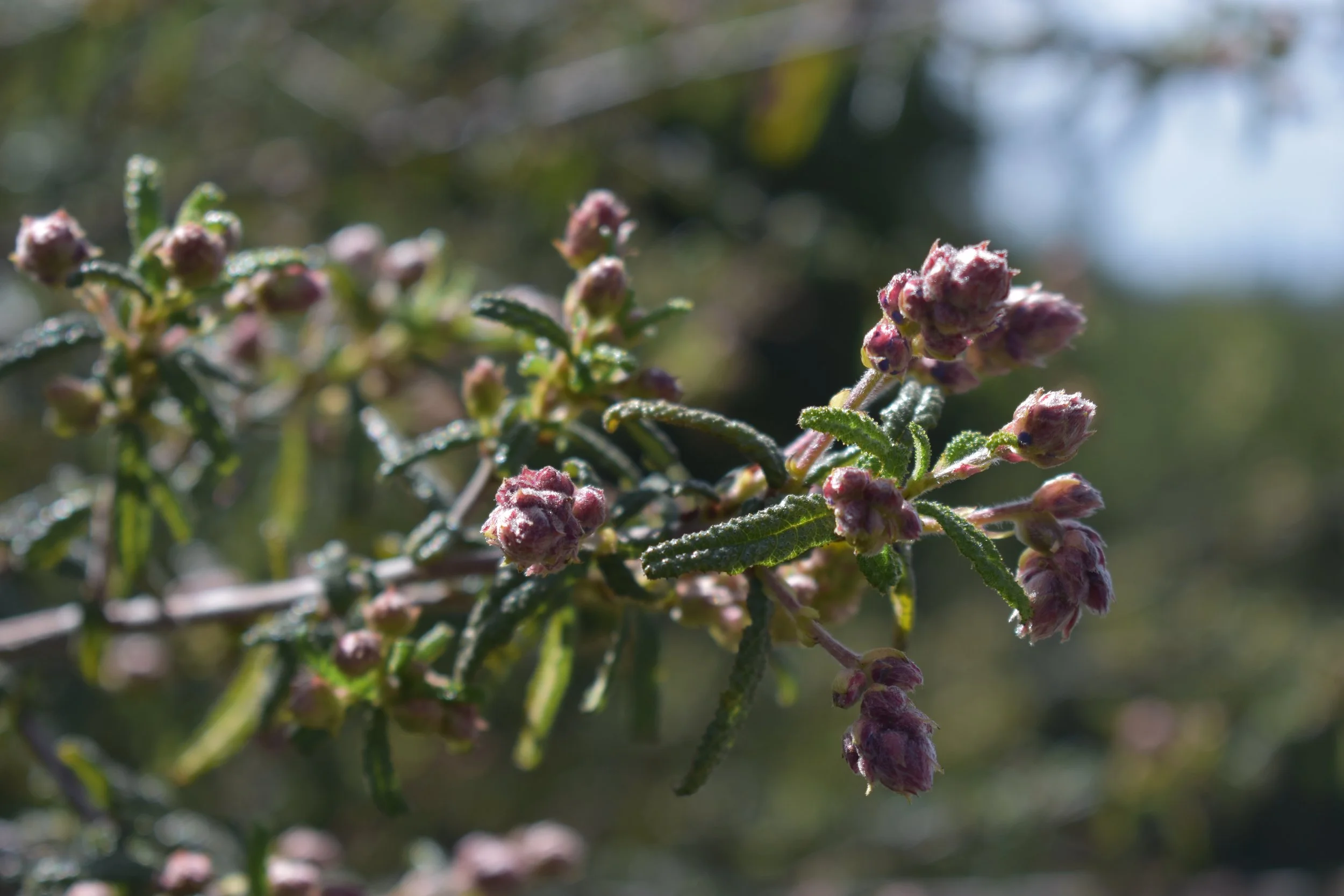
Native Plants for Pollinators in Santa Cruz County
Best California native plants for bees, butterflies, and hummingbirds in Santa Cruz County. Create a thriving pollinator garden with local natives.
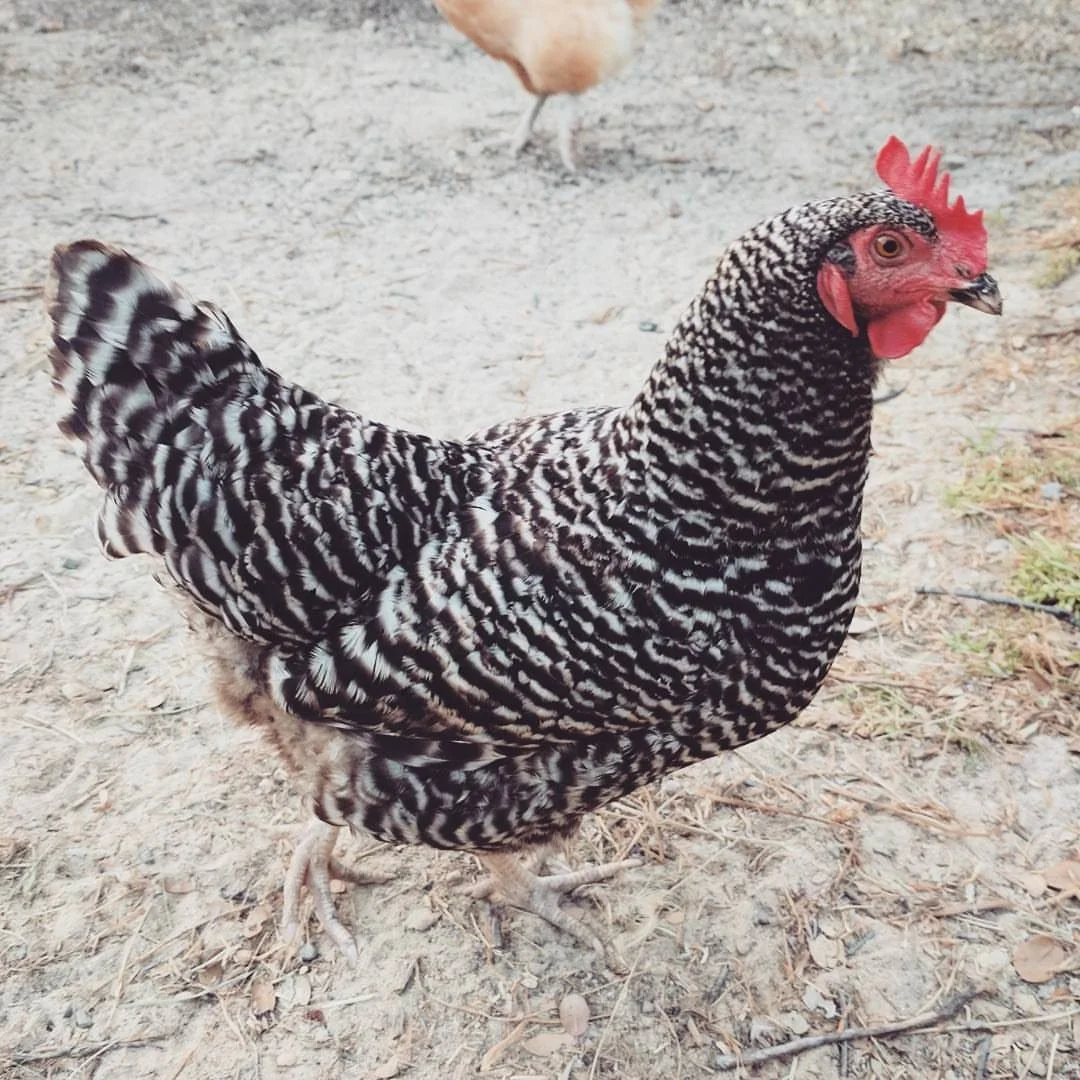
Do I Need a Rooster for My Hens to Lay Eggs?
No. Hens lay eggs without a rooster. A rooster only fertilizes eggs for hatching chicks. Here is what that means for a Santa Cruz backyard flock.
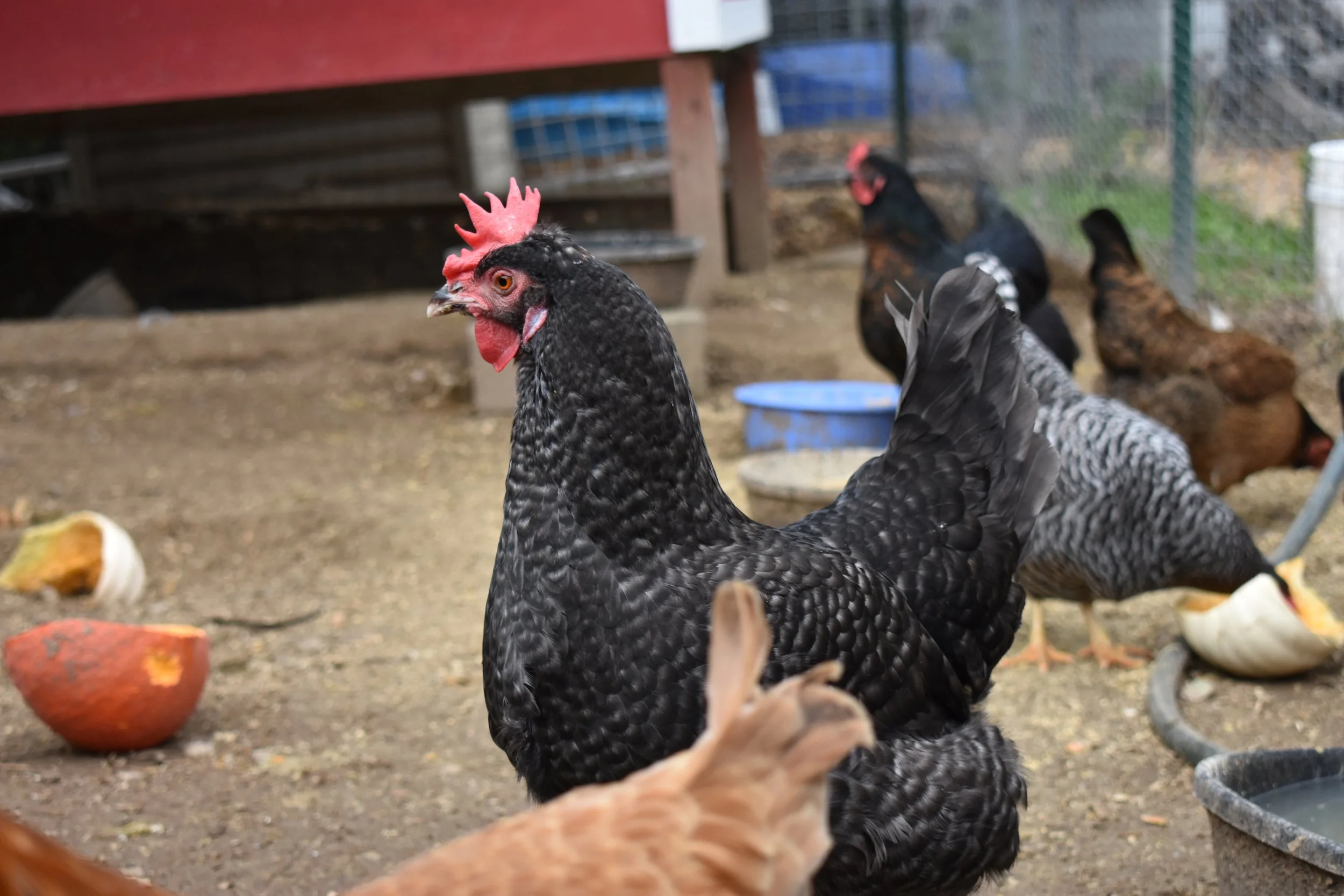
What Kitchen Scraps Are Safe for Chickens and Ducks?
Most fruits, vegetables, and grains are safe for chickens and ducks. Learn what to feed, what to avoid, and how to share scraps safely in Santa Cruz.

Fire-Wise Raised Bed Materials and Placement
Raised beds are a Santa Cruz County gardening staple, but not all materials are equal when it comes to fire safety. Learn which raised bed materials resist fire, where to place beds within defensible space zones, and how to design a productive garden that also protects your home
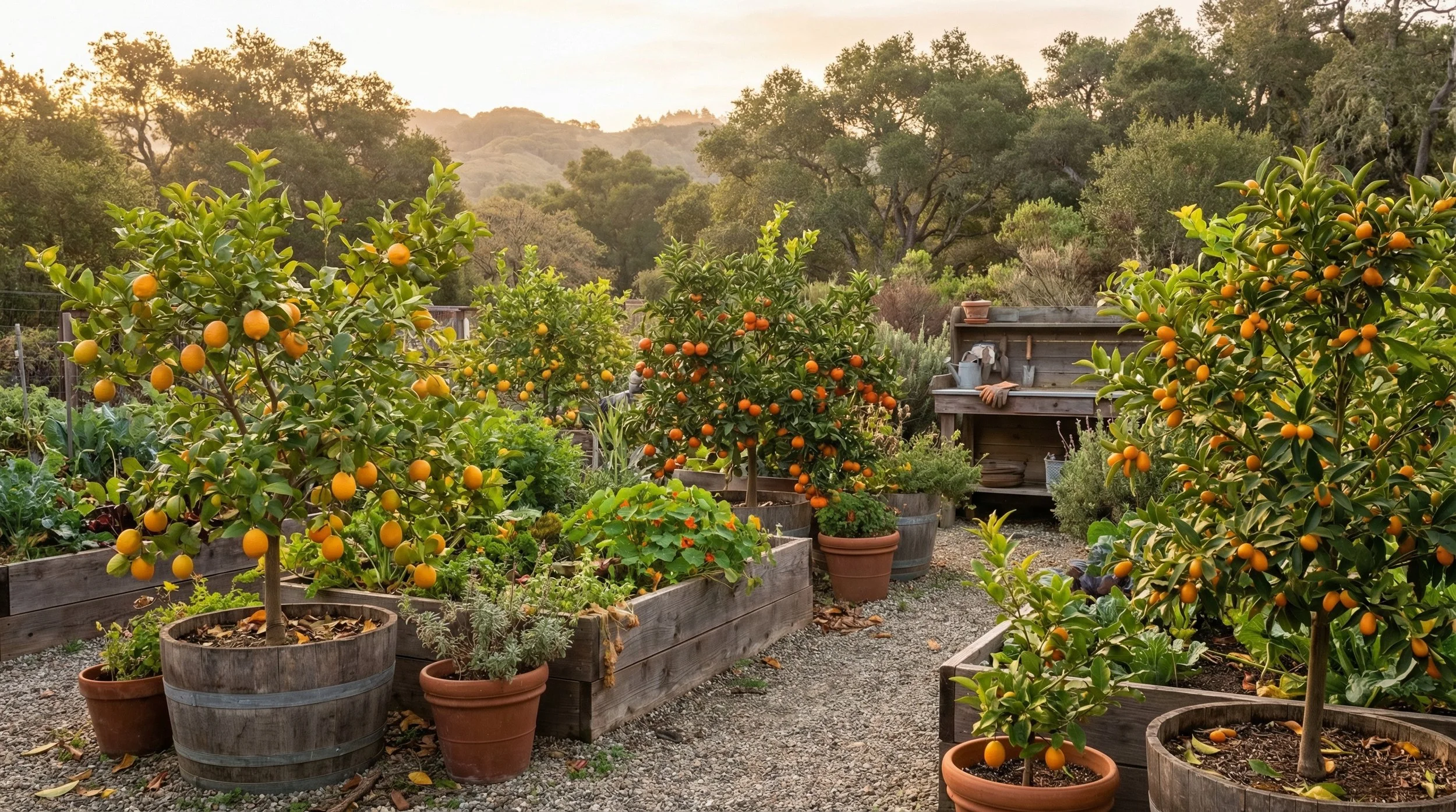
Best Citrus Varieties for Santa Cruz Microclimates
Not all citrus varieties handle Santa Cruz County's cool coastal climate equally. Here are the best picks for each microclimate zone.
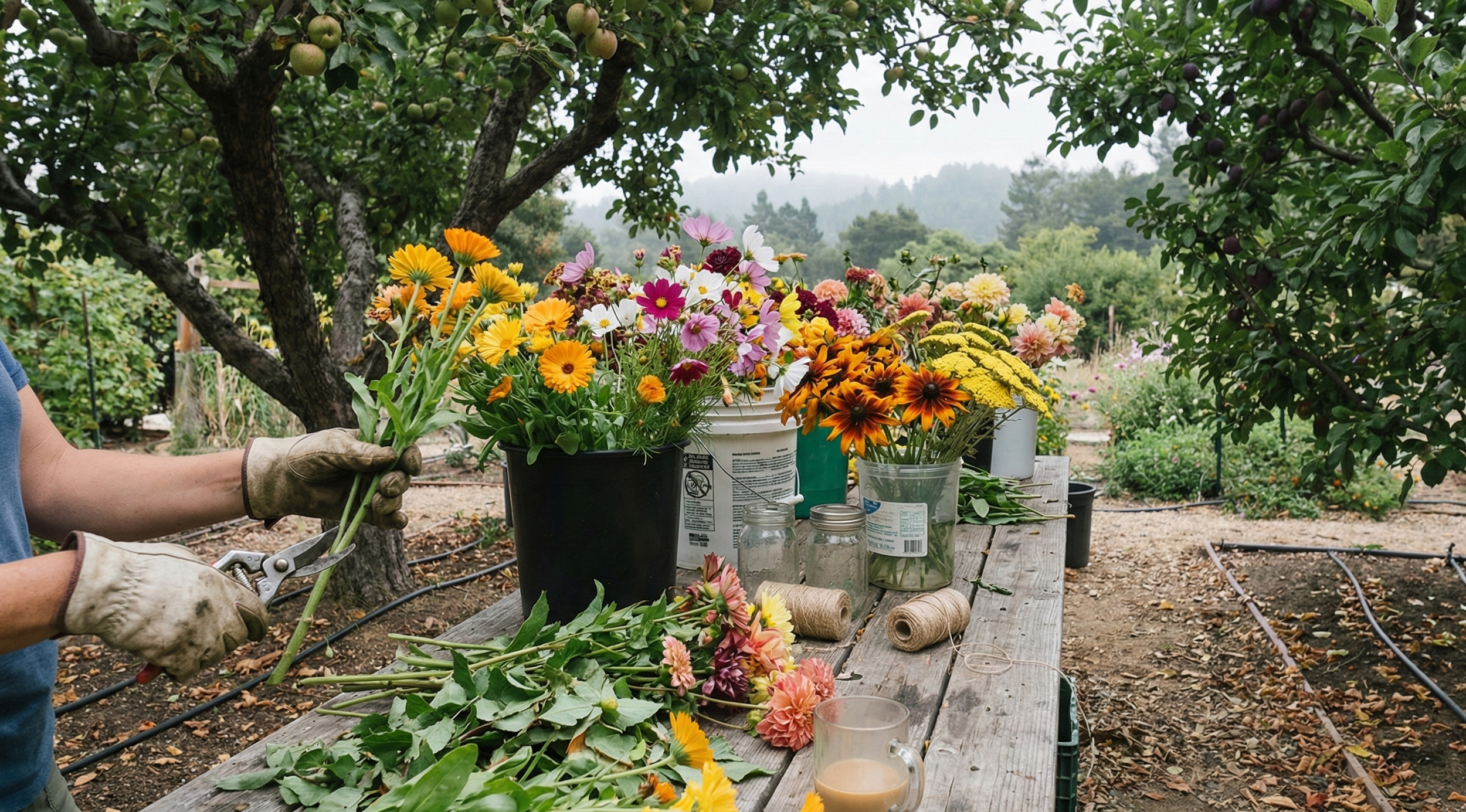
Growing a Cut Flower Garden in Santa Cruz County: A Complete Guide
Plan your Santa Cruz County cutting garden with this complete guide. Learn which flowers thrive in coastal vs inland microclimates, when to plant, and how to harvest.
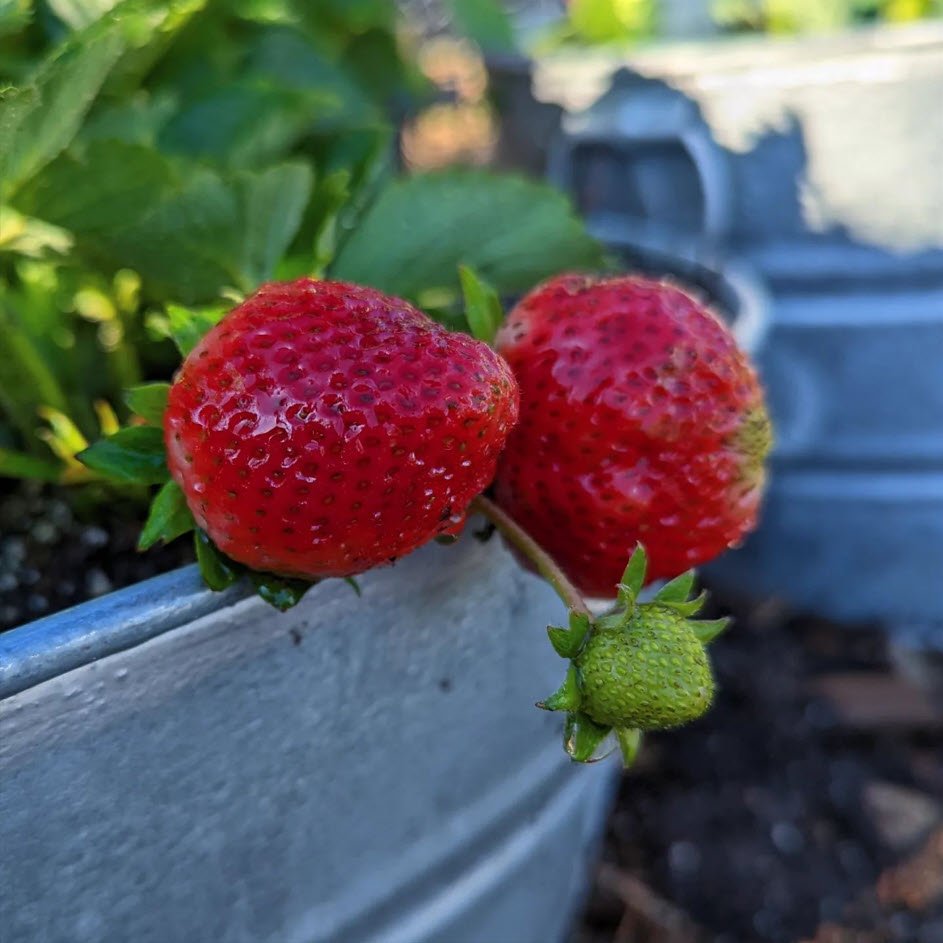
Growing Everbearing Strawberries in the Santa Cruz Coastal Fog Belt
The cool foggy coast is classic strawberry ground. Day-neutral plants reward you with a long, gentle picking season here, as long as you stay ahead of gray mold, slugs, and birds.
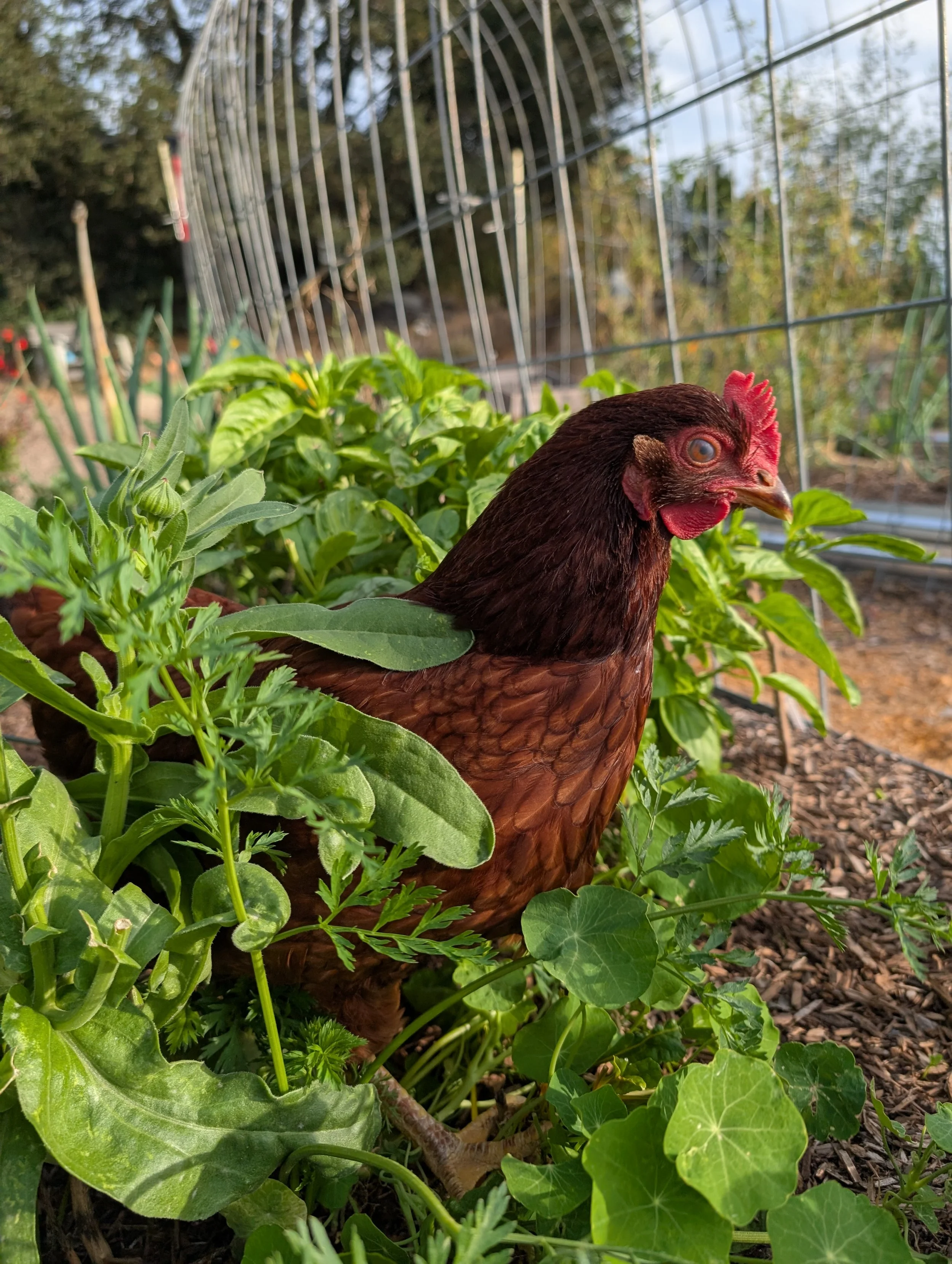
Managing Free-Range Time: Protecting Plants From Your Flock
Strategies for supervised free-ranging, temporary fencing, plant protection, and rotation schedules to let your flock work the garden without damage.
Growing Feijoa (Pineapple Guava) in the Santa Cruz Coastal Fog Belt
If you garden in the foggy coastal band from Santa Cruz through Aptos and Capitola, the feijoa, or pineapple guava, may be the most rewarding fruit you are not yet growing. This is one of the rare subtropical-looking fruits that genuinely prefers your cool, salty coastal air to i
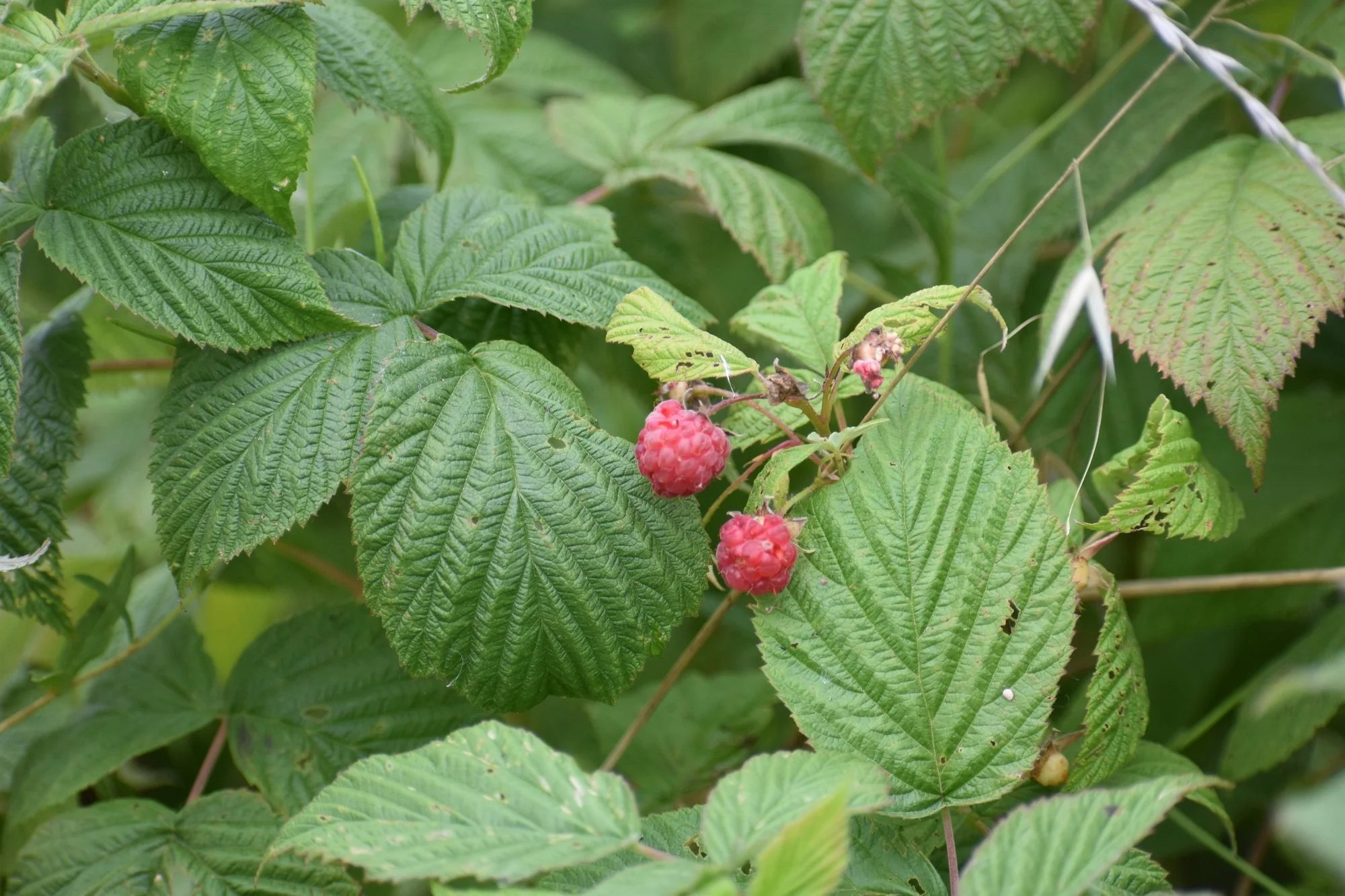
Best Berries to Grow in Santa Cruz County: 5 Top Picks for Coastal Gardens
Santa Cruz County's mild temperatures and coastal influence create ideal conditions for growing berries. These five varieties thrive here, producing abundant harvests with the right care.
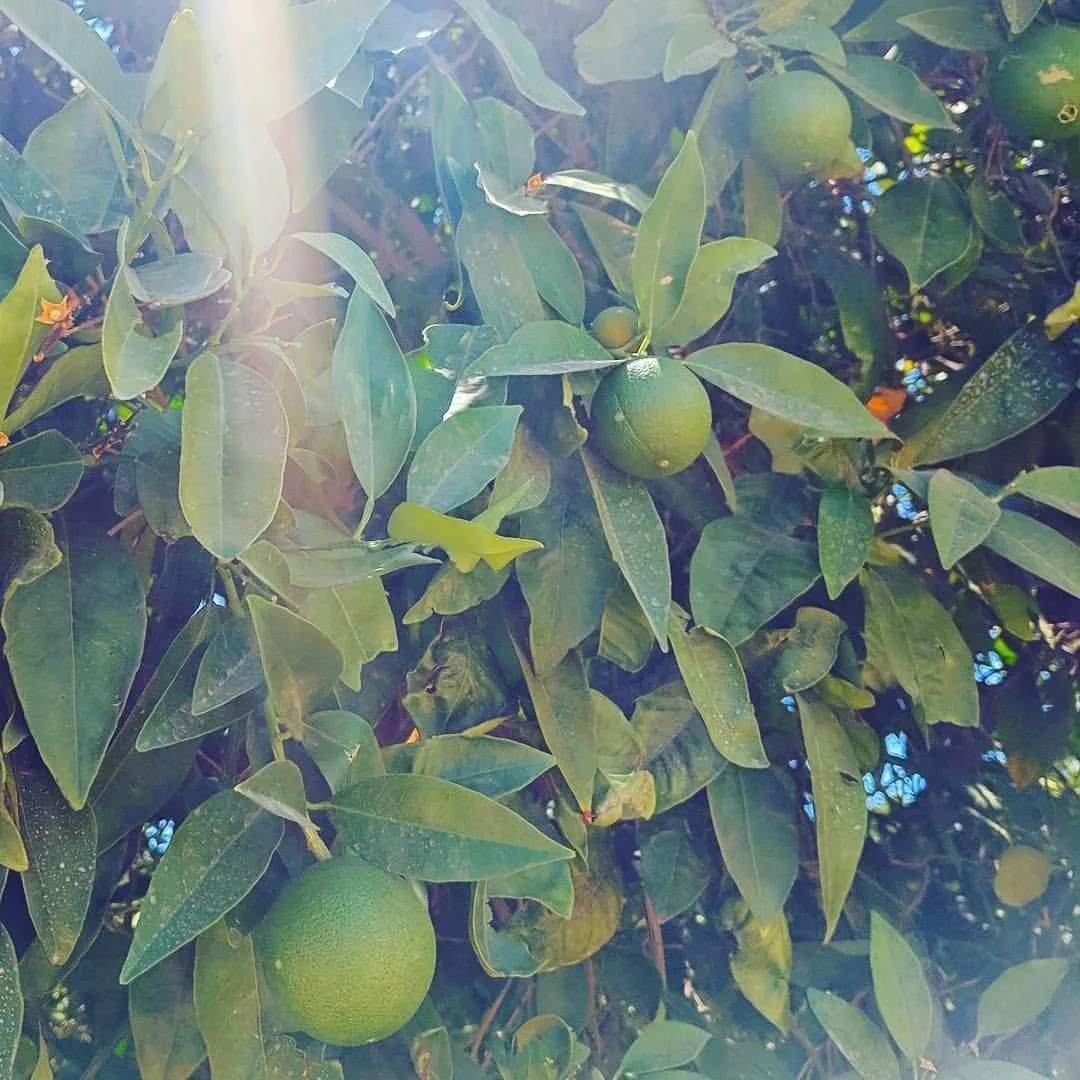
Growing Citrus in Santa Cruz County: What Actually Works (and What Doesn't)
Citrus can thrive in Santa Cruz County, but not every variety and not every location. Here is an honest look at what works and what to skip.
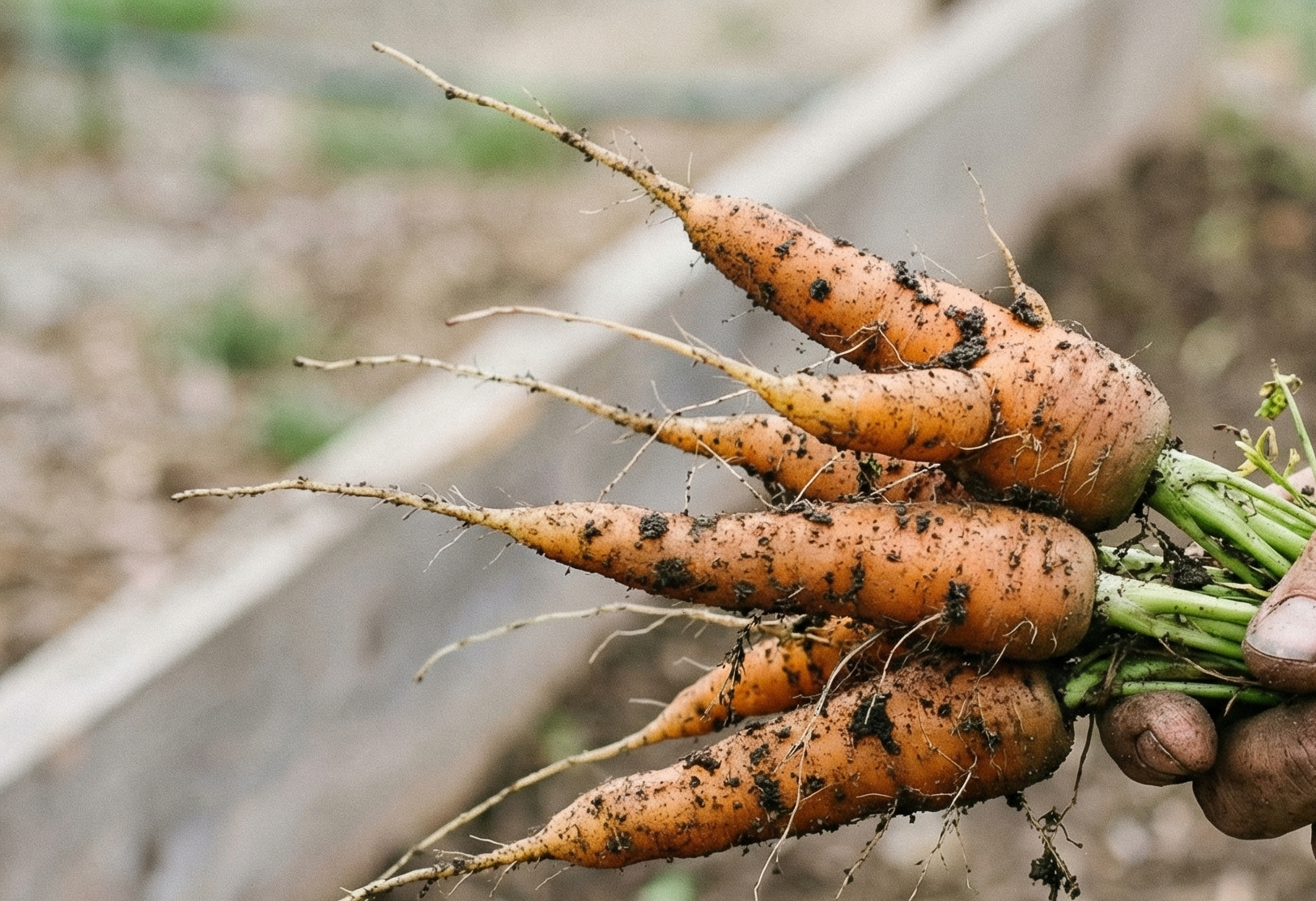
Carrot Troubleshooting Guide: Pests, Diseases, and Growing Problems in Santa Cruz County
From forked roots to vanishing plants, this guide diagnoses every carrot problem and provides local solutions for Santa Cruz County gardens.