What to Plant in Santa Cruz & the Bay Area in July
A few of the product links in this guide are affiliate links. If you buy through one, Ambitious Harvest may earn a small commission at no extra cost to you, which helps keep these guides free. We only point to gear we would use in our own Santa Cruz garden. As an Amazon Associate, we earn from qualifying purchases. Read our full disclosure.
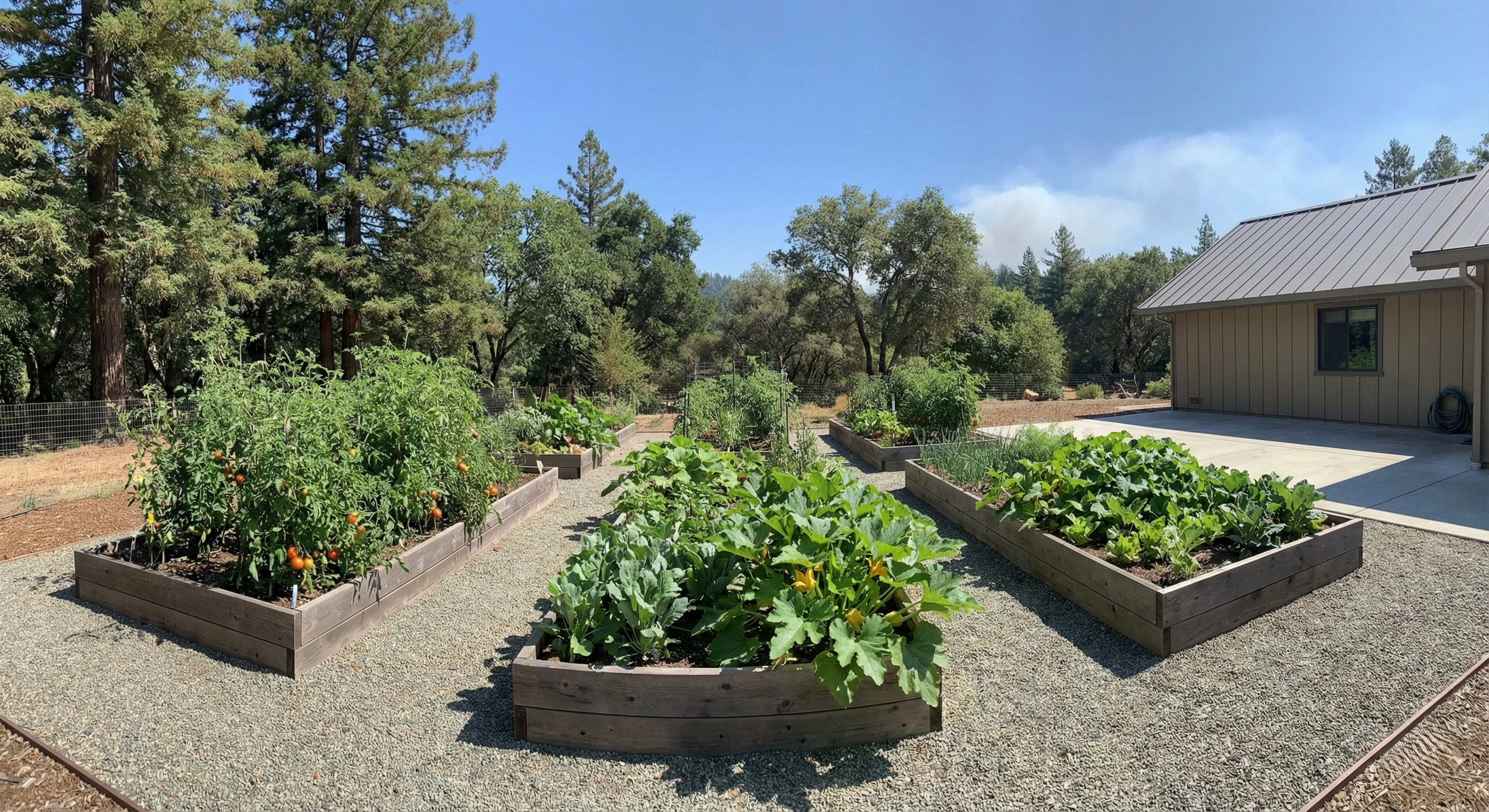
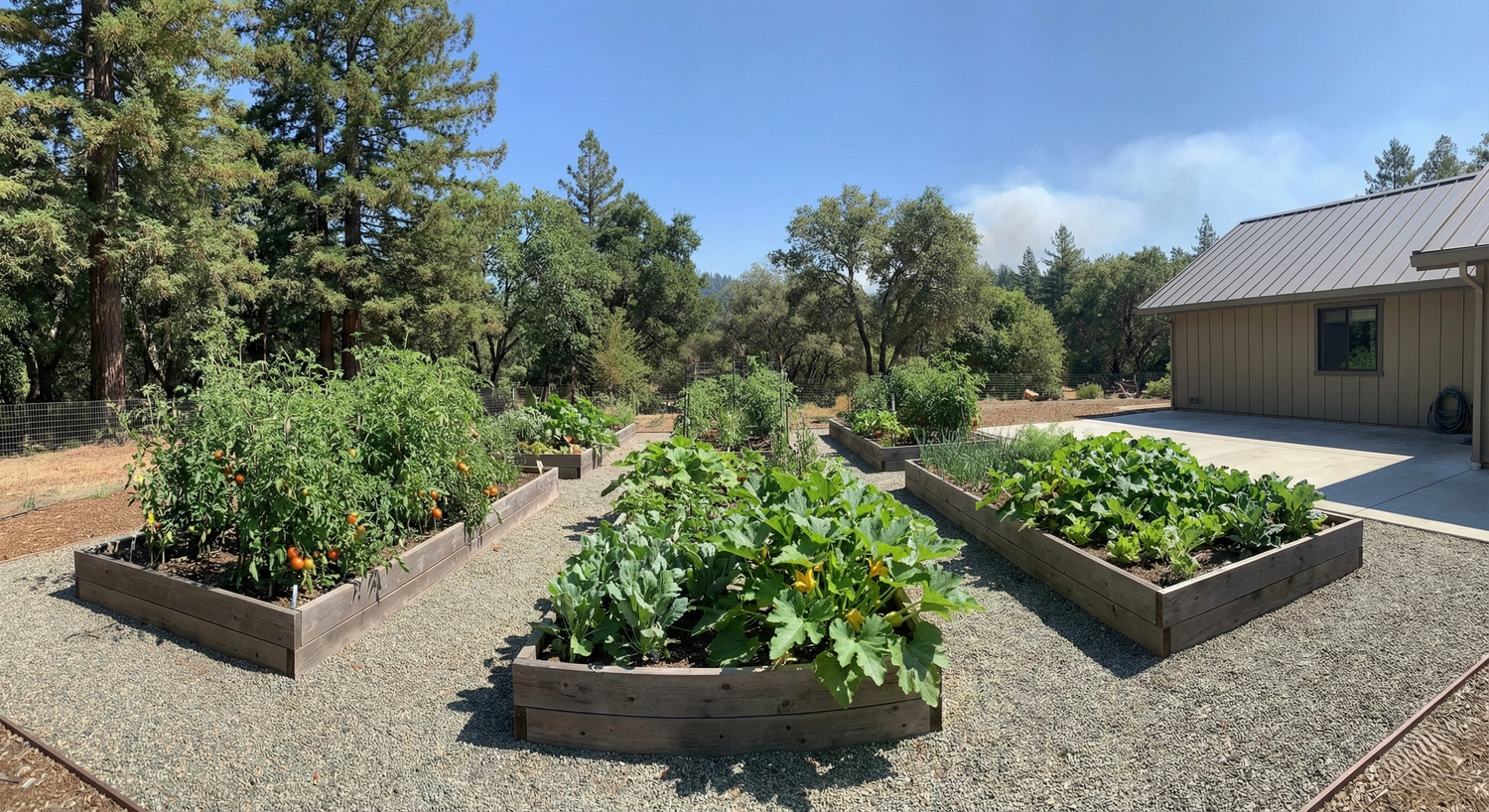
July is peak heat and peak harvest in Santa Cruz County. Tomatoes are ripening, squash is producing abundantly, and temperatures are at their highest. Inland and mountain areas regularly hit 90 to 100 degrees, while even coastal areas warm up into the 70s and 80s.
But here is what many gardeners miss: July is also a critical planting month for fall and winter crops. If you want to eat from your garden October through April, July is when you set that up.
Why Does July Matter for Fall Planting?
July is often our hottest month, with temperatures varying dramatically by microclimate:
Sunny mountain areas (Boulder Creek ridges, Ben Lomond chaparral, Scotts Valley hills): 90 to 100+ degrees regularly, very hot and dry.
Under redwoods (Felton canyons, shaded areas): 75 to 85 degrees, cooler but still warm.
Inland valleys (Scotts Valley, Soquel): 85 to 95 degrees.
Coastal (Aptos, Capitola, Santa Cruz, Live Oak): 70 to 80 degrees, moderated by marine layer.
Watsonville and Pajaro Valley: 80 to 95 degrees, agricultural heat.
You are planting cool-season crops (brassicas, greens) in peak heat. They will establish slowly now, then take off when temperatures cool in September and October. This timing is essential because most brassicas need 60 to 100 days to mature. Plant them in July and you harvest November through February. Plant them in July and you harvest November through February. Wait until September and many will not size up before winter slows growth.
What Should You Direct Seed in July?
Late Summer Crops
Beans (bush varieties): Succession plant for fall harvest in all areas. Blue Lake, Provider, and Contender are reliable choices. Plant every 2 to 3 weeks for continuous harvest.
Summer squash (early July): Last chance in warm microclimates. Zucchini and yellow crookneck will still produce before frost.
Winter squash (early to mid-July): In warm microclimates only. Butternut, Delicata, and Acorn need 80 to 100 days but are hardier than cucumbers as temperatures drop.
Corn (early July): In warm microclimates for fall harvest. Quick-maturing varieties like Early Sunglow (63 days) or Bodacious (75 days).
Basil: Last chance before pivoting to fall crops. Make succession plantings for late summer pesto.
Can You Still Plant Tomatoes in July?
In warm, sunny microclimates (Boulder Creek ridges, Ben Lomond chaparral, Watsonville), yes. Plant fast-maturing varieties (60 to 70 days) like Early Girl, Stupice, Fourth of July, or Sungold. Use transplants, not seeds. They will produce through September, October, and into November. For more detail on variety selection and local growing conditions, see our complete guide to growing tomatoes in Santa Cruz.
In coastal and cooler areas, skip late tomato planting. There is not enough heat or time remaining for new plants to produce meaningfully.
What to skip in July: Peppers (too slow to establish), melons (too frost-sensitive, needed earlier start), and cucumbers (declining day length and coming cold will not allow full production).
Fall and Winter Crops
These are your priority plantings for July:
Beets: Detroit Dark Red, Chioggia, Golden. Direct seed mid to late July for fall harvest. Beets handle heat better than most root vegetables.
Carrots: Nantes, Danvers, Scarlet Nantes. Direct seed for November harvest. Keep soil consistently moist for germination.
Radishes: Cherry Belle, French Breakfast, Watermelon. Quick 30-day crop. Can plant throughout July.
Turnips: Hakurei, Tokyo Cross, Purple Top. Fast-growing, heat-tolerant. Great for July planting.
Lettuce: Heat-tolerant varieties early month (Jericho, Nevada, Muir) with afternoon shade. Standard varieties late month when temperatures moderate slightly. Germination is tricky in hot soil. UC Master Gardener seed-germination guidance lists lettuce's optimal germination range as 60 to 75 degrees, and germination drops off sharply as soil warms past that, which is why July sowings are tricky.
Arugula: Late July better than early. Bolt-resistant varieties like Astro handle residual heat.
Spinach: Late July. Bloomsdale Long Standing is most bolt-resistant. Struggles in heat, so coastal areas have better success.
Chard: Bright Lights, Fordhook Giant, Rainbow. More heat-tolerant than spinach. Direct seed anytime in July.
Herbs for Fall
Cilantro: Finally! It will not bolt in cooling fall temperatures. Sow mid to late July for fall harvest.
Dill: Fernleaf or Bouquet. Sow for fall production.
Parsley: Italian Flat Leaf or Curly. Takes 2 to 3 weeks to germinate, so start now for fall.
What Should You Transplant in July?
Fall Brassicas
If you started seeds indoors in June, July is transplanting time:
Broccoli: De Cicco, Calabrese, Waltham. Needs afternoon shade now but will thrive when temperatures cool.
Cauliflower: Snow Crown, Amazing. Most finicky of the brassicas. Provide consistent water and shade.
Cabbage: Copenhagen Market, Savoy, Red Express. More forgiving than cauliflower.
Kale: Lacinato, Red Russian, Winterbor. Extremely forgiving. Can transplant throughout July.
Collards: Champion, Vates. Heat-tolerant and forgiving. Good choice for beginners.
Brussels sprouts: Long Island Improved, Catskill. Plant early July for winter harvest. Longest season of the brassicas (90 to 100+ days).
Kohlrabi: Purple Vienna, White Vienna. Fast-maturing (50 to 60 days). Can transplant throughout July.
Give all brassica transplants afternoon shade and consistent water until temperatures moderate in September. Cover summer brassica transplants with 30 to 50 percent shade cloth until temperatures cool in September, a standard way to keep young cool-season plants from cooking in July heat.
What Seeds Should You Start Indoors in July?
Keep the pipeline going for continuous fall planting:
More brassicas: For August and September transplanting. Start broccoli, cauliflower, cabbage, kale now.
Lettuce: For transplanting when it is cooler. Starting indoors avoids hot soil germination problems.
What Can You Harvest in July?
Peak abundance is happening:
Tomatoes: All varieties at peak season. Harvest when fully colored for best flavor.
Peppers: Hot and sweet varieties producing heavily. Keep harvesting to encourage more fruit.
Cucumbers: Daily harvest prevents oversized, seedy fruit.
Summer squash and zucchini: Harvest young (6 to 8 inches) for best texture. Check plants daily.
Beans: If succession planted, you are harvesting continuously.
Eggplant: Peak in warm areas. Harvest when skin is glossy.
Basil: Trim heavily to prevent flowering. Make pesto, freeze, or dry excess.
Melons: In warm areas. Ready when stem separates easily from fruit.
Berries: Late blackberries finishing.
Stone fruits: Early varieties of peaches and plums.
What Are the Essential July Garden Tasks?
Start or transplant fall brassicas with shade and consistent water. This is your most important July task.
Direct seed fall root vegetables and greens. Late July is better for most heat-sensitive crops.
Succession plant beans for fall harvest in warm microclimates.
Harvest constantly. Daily for summer squash, cucumbers, beans. Frequent harvest keeps plants producing.
Water deeply. July is the driest month. Deep, less frequent watering encourages deep roots. For more on efficient irrigation techniques, see our guide to water-wise gardening in California.
Mulch heavily to conserve moisture. Apply 4 to 6 inches around established plants.
Shade new plantings of cool-season crops. Use shade cloth, boards, or plant on north side of taller crops.
Watch for pests. Aphids, tomato hornworms, and cabbage worms are active. Gophers are always active.
Pull spent spring crops to make room for fall plantings.
Side-dress tomatoes and peppers with compost for continued production.
Order garlic for October planting. Popular varieties sell out.
How Does July Planting Differ by Microclimate?
Coastal (Aptos, Capitola, Santa Cruz, Live Oak)
You have it easiest for July planting. Marine layer keeps temperatures at 70 to 80 degrees. You can direct seed cool-season crops with less drama than inland areas. Your summer crops are producing well. Lettuce and spinach germinate more reliably here than anywhere else in the county. Good conditions for starting the fall garden without heroic measures.
Sunny Mountain Areas (Boulder Creek Ridges, Ben Lomond Chaparral, Scotts Valley Hills)
You are hot, regularly hitting 90 to 100+ degrees. Summer crops are thriving. For fall plantings, shade is absolutely essential. Plant brassicas in areas that get afternoon shade, or create it with shade cloth. Direct seed greens late in the month. Water everything deeply and frequently. Your big temperature swings (hot days, cooler nights) actually help brassicas establish once they survive the initial heat.
Under Redwoods (Felton Canyons, Shaded Areas)
At 75 to 85 degrees, you are still warm but much more moderate than sunny areas. This is actually ideal territory for starting fall crops. Your shade is now an advantage rather than a limitation. Plant greens and brassicas, as they will be happy in your conditions. Just ensure adequate sun: you still need 4 to 6 hours for most vegetable crops.
Inland Valleys (Soquel Hills, Inland Santa Cruz)
At 85 to 95 degrees, similar to sunny mountain areas. Provide afternoon shade for fall plantings. Wait until late July for most cool-season direct seeding. Your summer crops are at peak production. Understanding your specific microclimate conditions helps you time these plantings accurately.
Watsonville and Pajaro Valley
At 80 to 95 degrees with agricultural heat, this is excellent territory for summer crops. For fall plantings, wait until late July or provide serious shade. You have the advantage of being able to succession plant summer crops later than other areas due to your warmer fall conditions.
How Do You Manage Heat for July Plantings?
You are planting cool-season crops in peak heat. Here is how to make it work:
For Transplants
Provide afternoon shade using shade cloth (available at local garden centers) or by planting near taller crops like corn or tomatoes.
Water deeply morning and evening for the first week after transplanting.
Mulch immediately to keep roots cool.
Harden off gradually before transplanting. Move seedlings to outdoor shade for a few days before planting in the ground.
For Direct Seeding
Water soil thoroughly before planting to cool it down.
Plant in areas with afternoon shade.
Cover seedbed with shade cloth or row cover.
Keep soil consistently moist but not waterlogged. Hot soil dries quickly.
Expect slower germination than spring planting.
Pre-sprout seeds indoors on damp paper towels, then plant the sprouted seeds. It gets cool-season crops going reliably when July soil is too warm for direct sowing.
For Established Summer Crops
Deep water 2 to 3 times per week minimum.
Maintain heavy mulch (4 to 6 inches).
Harvest frequently to keep plants producing rather than setting seed.
What Are the Best Water-Wise Strategies for July?
July is our driest month. Every drop counts. For a deeper look at conserving water in your garden year-round, see our guide to water-wise gardening in California.
Mulch everything with 4 to 6 inches, especially new plantings.
Water deeply, less often to encourage deep root growth. UC Master Gardener water-wise guidance notes that deep, infrequent watering encourages deeper root growth and greater drought tolerance than frequent shallow watering.
Water early morning to reduce evaporation.
Drip irrigation is essential in July for efficient water delivery.
Group plants by water needs. Do not water drought-tolerant herbs as frequently as thirsty squash.
Check soil moisture before watering. Dig down 2 to 3 inches to see if water is actually needed.
Where Can You Find Local Resources for July Planting?
Transplants and Seeds
Sierra Azul Nursery (2660 E. Lake Avenue, Watsonville) carries fall vegetable transplants including brassicas and greens.
San Lorenzo Garden Center (235 River Street, Santa Cruz) has brassica transplants and fall vegetable seeds.
Scarborough Gardens (33 El Pueblo Road, Scotts Valley) stocks fall vegetable starts.
Mountain Feed & Farm Supply (9550 Highway 9, Ben Lomond) carries seeds and supplies for fall planting.
Renee's Garden Seeds (Felton-based) has heat-tolerant lettuce varieties, fall vegetables, and brassica seeds suited to our climate.
Peaceful Valley Farm Supply (ships to Santa Cruz) has extensive fall vegetable seed selection.
Garlic for Fall Planting
Order garlic in July for October planting. Popular varieties sell out early.
Peaceful Valley Farm Supply has good selection of seed garlic.
Filaree Garlic Farm ships certified disease-free seed garlic.
Local nurseries stock seed garlic starting in September, but selection is limited.
Where to get seeds: For varieties that do well in our climate, we like Seeds Now, a California company selling non-GMO, open-pollinated, and heirloom seed. (Affiliate link, see our disclosure.)
Frequently Asked Questions About July Planting
Is it really worth planting in this heat?
Absolutely. The brassicas and greens you plant in July become your November through February harvests. Skip July planting and you will have an empty garden in December. Yes, it requires extra effort (shade, consistent watering), but the payoff is months of fresh vegetables when most gardens are dormant.
My lettuce seeds will not germinate in July. What am I doing wrong?
July soil temperatures (70 to 80+ degrees) are too hot for lettuce germination. Solutions: pre-sprout seeds indoors on damp paper towels and transplant sprouted seeds, plant in afternoon shade, water soil to cool it before planting, or wait until late July when temperatures moderate slightly. Coastal gardeners have much better luck than inland.
Should I give up on my struggling tomatoes or keep going?
If tomatoes are still flowering and setting fruit, keep them going. In warm microclimates, they will produce well into October or November. If plants are diseased, severely stressed, or not producing, remove them to make room for fall crops. Healthy, productive plants are worth maintaining. Our guide to growing tomatoes in Santa Cruz covers late-season care in detail.
How do I know if my brassica transplants are getting enough shade?
Watch for wilting in afternoon heat, bleached or pale leaves, and stunted growth. Healthy transplants in adequate shade stay upright through the day and have deep green leaves. If plants wilt daily despite adequate water, they need more shade. Shade cloth (30 to 50 percent) works well, as does planting on the north side of taller crops.
Can I still plant winter squash in July?
In warm microclimates (Boulder Creek ridges, Watsonville), early July planting of winter squash can work. Choose shorter-season varieties like Delicata (80 days) or Acorn (80 to 90 days). Butternut (100+ days) is risky. Coastal areas should skip it, as there is not enough heat remaining. Use transplants rather than seeds for fastest establishment.
What is the latest I can plant fall brassicas?
For broccoli and cauliflower that need to form heads, mid-August is the realistic deadline in most microclimates. Kale and collards are more forgiving and can be planted through September. Brussels sprouts need the longest season, so early July is ideal. The earlier you plant, the more time plants have to establish before the short days of winter slow growth.
Why are my July-seeded carrots so patchy?
Carrot seeds need consistent moisture to germinate, which is challenging in July heat. The soil surface dries quickly, killing sprouting seeds. Solutions: cover seedbed with burlap or row cover to retain moisture, water lightly twice daily until germination, plant in afternoon shade, or wait until late July when conditions moderate.
Should I be watering more in July than other months?
Yes, July is typically our hottest and driest month. Established plants may need deep watering 2 to 3 times per week rather than once weekly. New transplants and seedlings need daily attention. But water deeply rather than frequently to encourage deep root growth. Mulch heavily to conserve every drop.
Is it too late in summer to plant tomatoes and zucchini?
Not necessarily. Our long, mild fall gives warm-season crops time to keep producing, but in July heat set out sturdy transplants rather than sowing seed, which struggles to germinate in hot soil. Zucchini started now can still crop before cool weather arrives. Water consistently and give new plants a little afternoon shade to settle in. UC ANR covers season timing at ucanr.edu.
Free Gardening Resources
Seasonal Planting Calendar: Month-by-month planting guide including July deadlines.
Vegetables by Season: Quick reference for summer-to-fall transition planting.
Know Your Microclimate Worksheet: Identify your July temperatures and plan accordingly.
Seasonal Tasks Checklist: July tasks alongside year-round garden maintenance.
What Is the July Mindset?
July is about simultaneous abundance and planning.
Abundance: Peak harvest of summer crops. Maximum water needs. Daily garden visits. Preserving excess by freezing, canning, and drying.
Planning: Starting fall brassicas. Seeding fall greens. Preparing beds for cool season. Managing heat stress on new plantings.
July is demanding but essential. The work you do now, especially transplanting brassicas and seeding fall crops, determines what you will eat November through March.
Do not skip July planting. Your future self will thank you.