

What Is the Difference Between Determinate and Indeterminate Tomatoes?
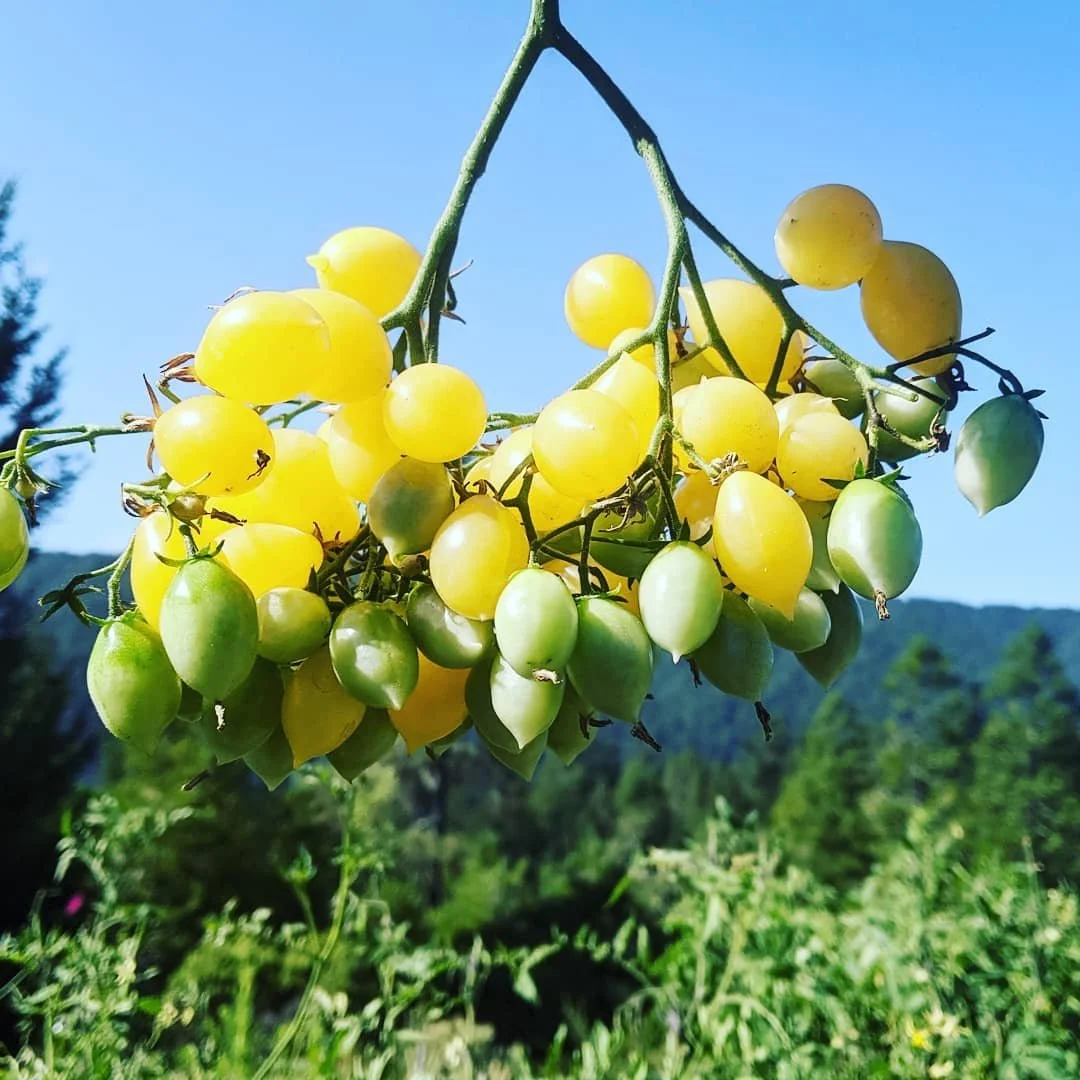
A few tomatoes for lunch and a weekend pot of sauce ask different things of a plant. Determinate tomatoes usually give a more concentrated harvest, while indeterminate tomatoes keep making new growth and fruit while conditions remain favorable. That difference helps you choose the plant, its support and the space you'll give it.
Think about the harvest, not just the height
On a determinate tomato, the growing tip ends in a flower cluster. The plant's growth is more limited, and much of the crop ripens over several weeks. That makes it useful when you'd like enough tomatoes together for sauce or preserving. Indeterminate plants keep extending their stems, with flowers and fruit developing along the way. Minnesota Extension explains these growth habits.
Height still varies by cultivar and growing conditions. A determinate isn't necessarily a tiny patio plant, and an indeterminate label doesn't tell you its final size. Read the variety's expected spread and height before deciding it will fit beside the path.
Roma VF is a familiar determinate sauce tomato. Celebrity selections are also commonly sold as determinates; check the full name on the label. Sun Gold, Early Girl, Brandywine and Cherokee Purple are familiar indeterminate choices. Bush Early Girl is a different, determinate selection, so that first word matters.
Along the coast, check maturity as well
Either habit can work in a coastal garden. The UC Master Gardener guidance on choosing tomato varieties lists determinate and indeterminate choices for fog-influenced locations. Shorter days to maturity and performance in similar conditions are more useful than choosing solely by growth habit.
A sunny, sheltered Westside bed may offer something different from a windy site in the same neighborhood. Match the cultivar to that spot, then plan when to start tomato seeds. Our guide to growing tomatoes in the fog belt offers a coastal shortlist.
Choose support before the plant needs it
A vigorous indeterminate needs a sturdy cage, stake or trellis with room for its continuing growth. Determinates also benefit from support when their fruit gets heavy. Minnesota's support guide explains how cages and stakes keep fruit off the ground. Size the support to the cultivar rather than assuming every bush tomato needs only a light frame.
Keep the fruit-bearing branches on determinate plants instead of routinely removing suckers. For indeterminates, pruning depends on your support system and available space. UC IPM notes that pruning isn't always necessary and that severe pruning can reduce the total crop. Aim for a manageable plant while retaining foliage that shades its fruit.
If flowers fall or fruit stays green, growth habit alone won't explain it. See tomato blossom drop and slow ripening on the coast for those separate questions.
This week: decide whether you want regular fresh picking, a concentrated crop, or one plant for each. Then compare maturity, mature size and local performance. Browse Your Garden Toolkit for planning resources, or explore the Tomato Growing MasterKit for more growing guidance.
