

Is Fall Actually the Best Time to Plant in California?
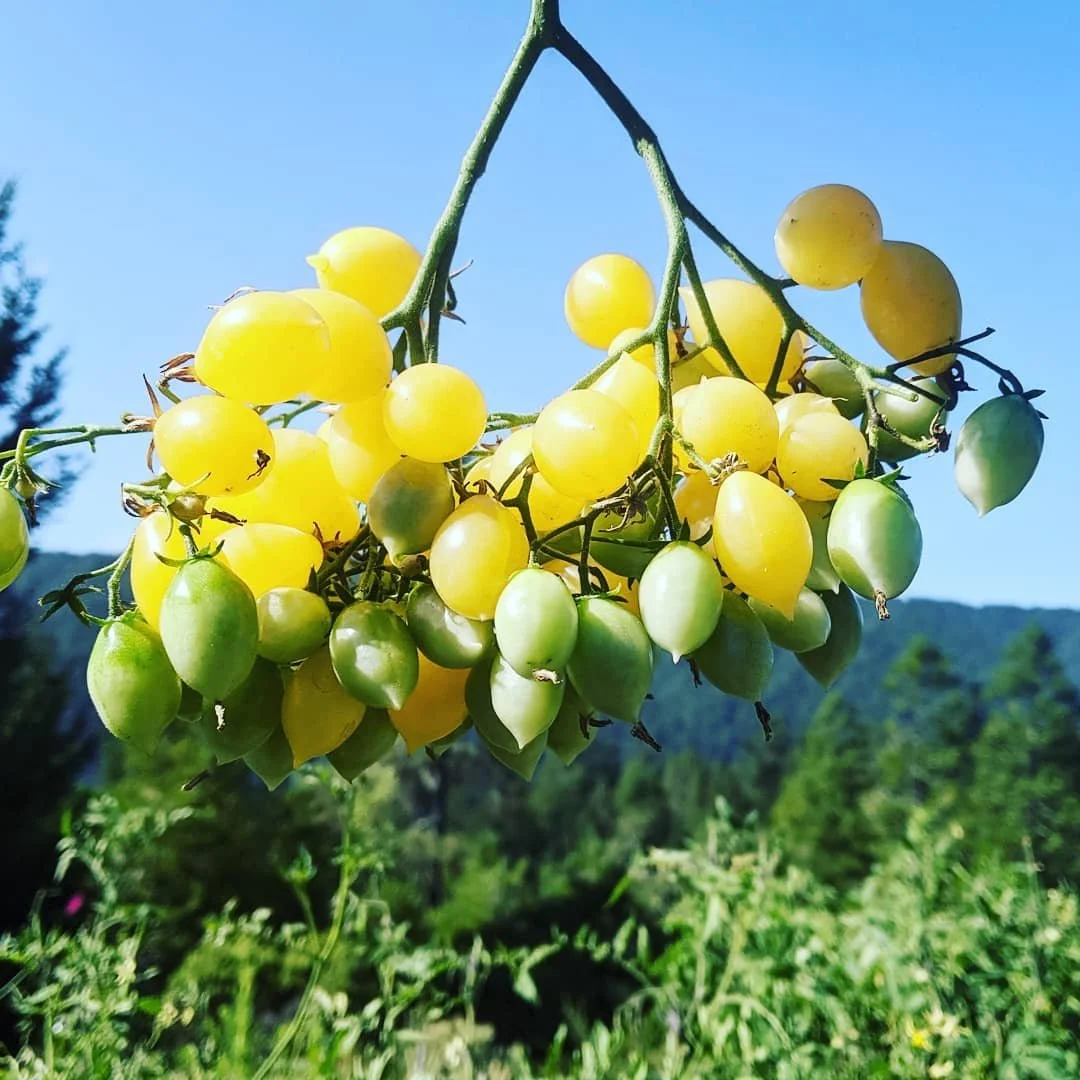
The tomato bed may still be producing when it is time to make room for peas. That overlap is one of the pleasures of gardening around Santa Cruz: fall can begin a new growing season while summer is still finishing.
For cool-season vegetables and many California native shrubs and perennials, fall is a useful planting window. Cooler weather can ease the demand for water, and winter rain can help roots settle in. The best timing still belongs to the plant and your particular garden. Tomatoes, citrus, and a native shrub do not all follow the same calendar.
Why fall gives some plants a head start
Once the heat eases, a newly planted shrub has less drying weather to contend with than one planted just before summer. The local UC Master Gardeners highlight fall as a good season for planting natives, when cooler conditions and winter rainfall can support establishment.
That advantage begins with watering the root ball and checking it through dry spells. Rain may arrive late, miss a sheltered planting, or wet the surrounding ground without thoroughly moistening the original nursery root ball. Keep checking new plants into their first summer rather than treating the change of season as the end of establishment care.
Give the vegetable bed a second season
As space opens, choose crops that suit the cooler months. A small planting you can water and harvest is a good place to start.
- Leafy crops: Lettuce, spinach, kale, and chard offer useful choices for fall planning. Sow or transplant according to the crop and local planting window; protect young starts when an autumn heat spell arrives.
- Roots and peas: Radishes and peas can be direct-sown when conditions suit them. Keep the seed zone moist while they germinate.
- Brassicas: Broccoli, cauliflower, and cabbage need enough growing time before winter slows them down. Healthy transplants can be useful when you are starting later than a seed-sowing schedule allows.
- Longer-season plantings: Set aside space for garlic, suitable onions, or fava beans with the understanding that these may occupy the bed through winter and into spring or beyond. Choose onion varieties and planting material for the local season rather than buying any available sets.
UC's Bay Area fall and winter checklist includes cool-season vegetables and links coastal and inland planting charts. For a closer starting point, use our October planting guide and fall garlic guide.
Read the bed as well as the calendar
September and October are useful months to plan and plant around Santa Cruz, but a hot inland afternoon and a foggy coastal morning ask different things of a seedling. Look at the forecast, feel the soil, and notice how much sun reaches the bed as the days shorten. A spot that was sunny in July may sit behind a fence's shadow by November.
Start early enough for the crop to make useful growth before the darkest part of winter. The days-to-maturity figure on a packet is a comparison tool, not a promised harvest date. Check whether it counts from sowing or transplanting, and allow for slower growth in lower light and cooler weather. UC's discussion of fall vegetable growing explains how shortening days and changing autumn weather affect the season.
Harvest expectations can shape what you plant. Small salad leaves may be useful well before a full-sized head is ready. A slow-growing cabbage asks for more time and bed space. Our guide to succession planting can help you spread out sowings rather than filling every opening at once.
Which plants should wait?
Warm-season vegetables such as tomatoes, peppers, and squash generally need the warmth and growing season ahead of a spring planting. A mild afternoon in October does not give a new plant those missing months.
Frost-sensitive plants need separate consideration, especially in inland valleys and colder pockets of the Santa Cruz Mountains. UC IPM recommends planting citrus after the last frost in spring, even though container-grown citrus can be planted at other times in suitable conditions.
Fruit trees also deserve a crop-specific plan. For a deciduous tree sold bare-root, the dormant-season nursery window is different from fall planting a container-grown native shrub. Before buying a tree or perennial herb, check its planting season, mature size, drainage needs, and cold tolerance.
Choose the plant, then choose the shopping day
Sierra Azul in Watsonville specializes in plants for California's Mediterranean climate and has a demonstration garden where you can see mature examples. Ask nurseries about the particular plant you want and whether it fits your site. Seasonal availability changes, so call before making a trip for a specific variety.
A sale can be useful when the plant is right for the space. Leave room on the plan for its mature width, an accessible watering point, and the vegetables or paths beside it. Those details matter longer than the price tag.
Start with the next open patch
Choose one place where a summer crop is finishing. Check its autumn sun, decide what you would like to harvest or grow there, and find the planting window for that crop. Water new plants as needed, watch for pests, and adjust irrigation when rain begins reaching the roots.
The Planting Calendar and Vegetables by Season Chart in Your Garden Toolkit can help organize those choices. UC's urban horticulture resources offer broader guidance for the landscape around the vegetable beds.
Common questions
Is fall better than spring for everything in California?
No. Fall suits many cool-season vegetables and native landscape plants, while warm-season crops and frost-sensitive plants often benefit from spring planting. Use the crop's needs and your local conditions to choose.
Can winter rain take over the watering?
It can reduce irrigation when it reaches and moistens the root zone. Check newly planted root balls and seed rows during dry intervals. New plants may still need supplemental water during their first summer.
Is it too late if I missed September?
There may still be good choices. Check a local crop calendar, consider transplants where appropriate, and choose crops for the growing time available. A later planting may be intended for spring harvest rather than a quick winter crop.
