

Are Tomatoes, Peppers and Cucumbers Really Drought-Tolerant?
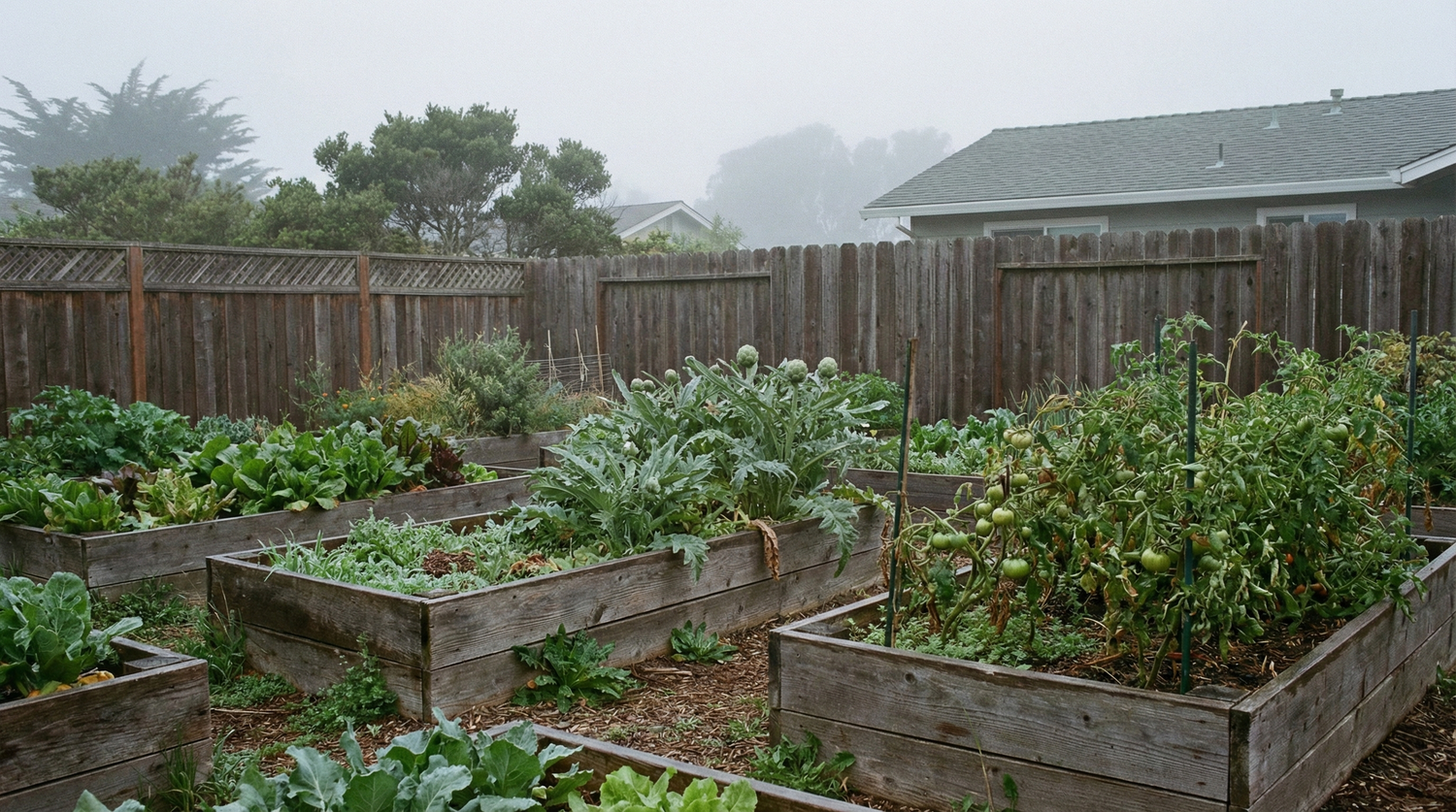
They are tougher than lettuce, but not in the way the label suggests. Tomatoes, peppers and cucumbers cope with dry surface soil once they are established, yet UC says all three need water most while they flower and set fruit. A plant that shrugs off a hot afternoon can still give you a thin harvest if it goes dry at the wrong moment.
What does UC say about watering these crops?
UC's guide to food gardens in drought says tomatoes, peppers and eggplant need water most during flowering and fruiting, and so do cucumbers, squash and melons. It also notes that "heat-tolerant" describes air temperature and is not the same as drought-tolerant.
Where do tomatoes have room to cut back?
Tomatoes are the most forgiving of the three. UC notes that after tomatoes set fruit they can do very well with reduced water, and Oregon State University Extension says many tomatoes do better when irrigation is cut off in mid- to late summer, as long as they had water early on. Smaller-fruited types such as cherry tomatoes, 'Roma' and 'San Marzano' often manage low water better than large beefsteaks, according to UC Master Gardeners in Yolo County.
Are peppers and cucumbers drought-tolerant?
Less so. Peppers do appear on UC's list of vegetables that give a good yield for the water you apply, which is not the same as tolerating drought. Keep their soil evenly moist from first flowers through harvest, and save water with mulch and drip instead.
Cucumbers need the same steady moisture once they bloom. Along the Santa Cruz coast, cool summers already hold back these warm-season crops, so dry soil at flowering adds a second setback. If your bed gets less sun, vegetables for partial shade in coastal California may suit it better.
Which vegetables manage on less water?
For crops that get by on less, look at tepary beans, black-eyed peas in a warm spot, winter squash and chard. The full list, with planting times and watering notes for each, is in 12 Drought-Tolerant Vegetables for California Gardens.
Questions about watering these crops
Can I dry farm tomatoes?
Sometimes. It relies on winter rain stored in deep soil. UC lists tomatoes among the crops that can be dry farmed, with much greater flavor concentration but a significantly reduced yield, so try a few plants first.
What vegetables need the most water?
UC names crops that need consistent moisture through summer, including most brassicas, lettuce and other greens, beets, carrots, celery, leeks and onions. Sweet corn also needs considerable water to produce a good crop.
This week: dig a few inches down beside your tomato, pepper and cucumber plants and squeeze a handful of soil. If it crumbles and falls apart, water deeply, then mulch three to four inches to hold the moisture in. Setting up drip irrigation for raised beds and keeping a garden watered during drought cover the watering system, and the Water-Wise Gardening Guide and planning resources are in Your Garden Toolkit.
