

12 Vegetables That Save the Most Money to Grow at Home in California
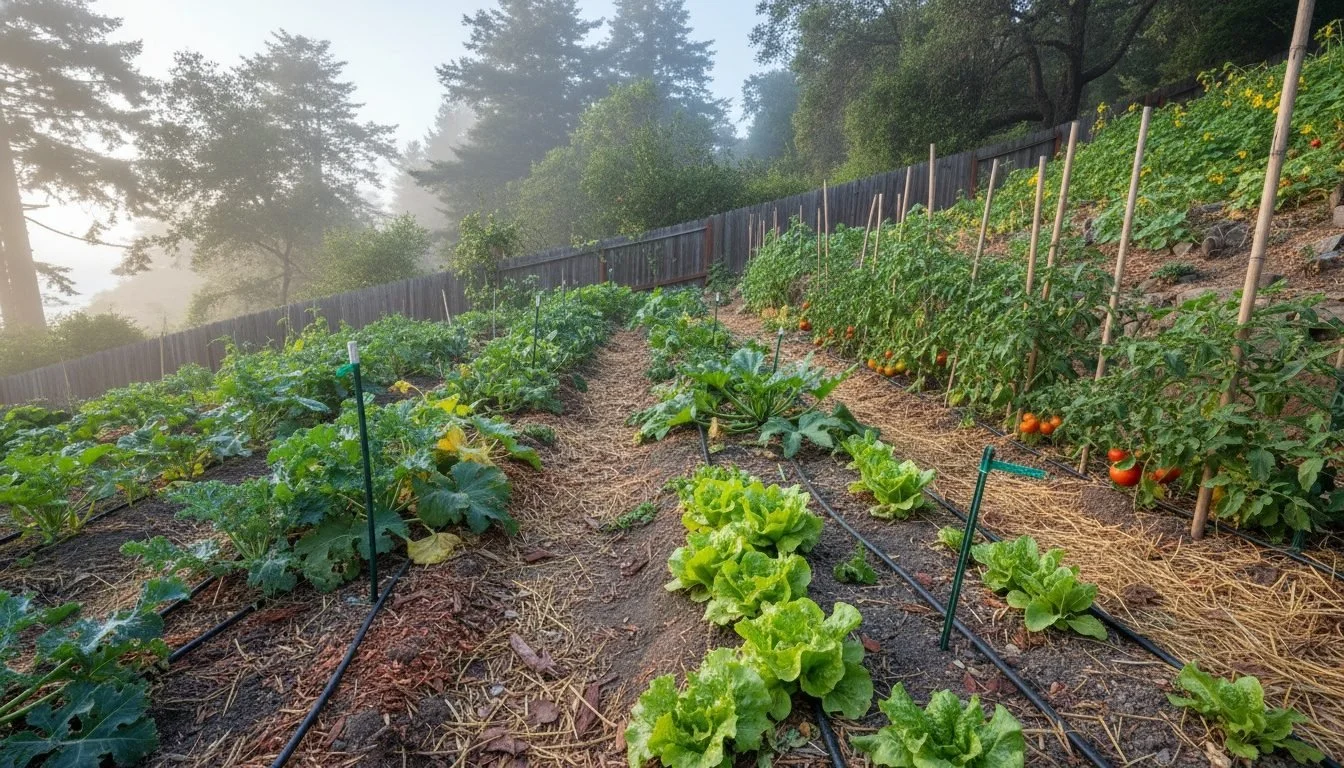
12 Vegetables That Save the Most Money to Grow at Home
According to USDA Economic Research Service data, the average American household spends well over $5,200 per year on groceries, with fresh produce accounting for a significant and growing share of that cost (USDA ERS, Food Prices and Spending). In California, where organic produce prices run 20 to 50 percent higher than the national average, growing even a small selection of vegetables at home can save a family $600 to $1,200 per year. These 12 crops deliver the biggest financial return for your effort.
I have been gardening in Santa Cruz for over 20 years, and one of the first things I noticed was how quickly the savings added up. A single packet of seeds that costs $3 can produce more food than $50 or $60 worth of groceries. The trick is knowing which crops give you the best return. Not every vegetable is worth growing for savings alone, so this list focuses on the ones where the math really works in your favor.
1. Fresh Herbs (Basil, Cilantro, Parsley, Mint)
Fresh herbs are the single biggest money saver in the home garden, and it is not even close. A small clamshell of organic basil at a California grocery store costs $3 to $5, and it wilts within days. A single basil plant grown from a $3 seed packet can produce fresh leaves for four to six months, yielding the equivalent of $60 to $100 worth of store-bought herbs over a season.
Best varieties for savings: 'Genovese' basil is the workhorse for cooking and produces abundantly with regular pinching. Flat-leaf Italian parsley grows for 8 to 10 months in coastal California. 'Santo' cilantro is slow to bolt, giving you weeks of extra harvest compared to standard varieties.
Cost breakdown: A packet of basil seeds costs about $3 and produces 50 or more plants. Even a single transplant at $4 will replace $60 to $100 in store purchases over the season. Cilantro and parsley show similar returns. The UC Master Gardener Program calls herbs one of the best investments a home gardener can make.
Growing tip: Plant herbs in containers near your kitchen door so you can snip what you need while cooking. This also reduces waste compared to buying packaged herbs that spoil before you use them. our guide to growing herbs
2. Tomatoes
Tomatoes are the most popular home garden crop in the United States (National Gardening Association), and for good reason. Organic tomatoes at California grocery stores run $3 to $6 per pound, while heirloom and specialty varieties can cost $5 to $8 per pound at farmers markets. A single well-maintained tomato plant can produce 10 to 20 pounds of fruit over the season.
Best varieties for savings: 'Early Girl' is the classic California choice and produces reliably even in coastal fog. Cherry tomatoes like 'Sun Gold' and 'Sweet 100' are incredibly prolific, often yielding 10 to 15 pounds per plant. For large slicers, 'Cherokee Purple' and 'Brandywine' deliver the kind of heirloom quality that costs $6 or more per pound at the store.
Cost breakdown: A tomato transplant costs $3 to $5. If it produces 15 pounds of fruit at a grocery equivalent of $4 per pound, that is $60 worth of tomatoes from a $5 investment. Factoring in soil amendments, water, and a basic cage, your total cost per plant is roughly $8 to $12. The return is still exceptional.
Growing tip: Indeterminate varieties keep producing until frost (which may never come in coastal California), maximizing your harvest window and savings. our California tomato growing guide
3. Lettuce and Salad Greens
Pre-washed salad mixes are one of the biggest markups in the grocery store. A 5-ounce clamshell of organic spring mix costs $4 to $6 in California, and it has a shelf life of only a few days. A single 4-by-8-foot bed of mixed greens, planted in succession, can produce the equivalent of $200 to $400 worth of salad over a cool season.
Best varieties for savings: Loose-leaf lettuce mixes are the best value because you can harvest outer leaves repeatedly over 6 to 8 weeks per planting. 'Black Seeded Simpson' and 'Red Salad Bowl' are fast and reliable. Arugula germinates in days and regrows after cutting.
Cost breakdown: A packet of mesclun mix seeds costs $3 to $4 and contains enough for multiple sowings. In coastal California, you can grow salad greens from September through June, nearly 10 months of the year. At two salad harvests per week, the savings add up to $15 to $20 per week easily.
Growing tip: Sow a new row every two to three weeks for continuous harvest. This succession planting approach, long recommended by UC Master Gardeners, helps you avoid gaps in production. growing lettuce in California
4. Peppers (Sweet and Hot)
Organic bell peppers are one of the most expensive vegetables in California grocery stores, often running $2 to $4 per pepper. A single bell pepper plant can produce 5 to 10 peppers over the season, and hot pepper plants are even more prolific. Growing your own peppers is one of the clearest wins in the home garden.
Best varieties for savings: 'California Wonder' bell peppers are reliable producers across the state. 'Jimmy Nardello' sweet frying peppers are incredibly productive and virtually pest-free. For hot peppers, 'Jalapeno' and 'Serrano' plants produce dozens of fruits each over a long season.
Cost breakdown: A pepper transplant costs $3 to $5. A single bell pepper plant producing 8 peppers at $3 each delivers $24 in grocery value. Hot pepper plants are even more economical, since a single jalapeno plant can produce 25 to 50 peppers, worth $15 to $25 at store prices.
Growing tip: Peppers are perennial in frost-free areas of California. In Santa Cruz and other mild coastal zones, pepper plants can survive winter and produce even more heavily in their second year, doubling your savings. growing peppers in California
5. Zucchini and Summer Squash
Zucchini is famous for producing more than any family can eat. A single zucchini plant can easily yield 6 to 10 pounds of squash over a season, and many California gardeners get even more. At $2 to $3 per pound for organic zucchini, just two or three plants provide more than enough for a household.
Best varieties for savings: 'Black Beauty' is the standard and produces reliably. 'Costata Romanesco' is a flavorful Italian heirloom. For yellow squash, 'Early Prolific Straightneck' lives up to its name.
Cost breakdown: A packet of zucchini seeds costs $2 to $3 and produces more plants than you need. Two plants yielding 8 pounds each at $2.50 per pound means $40 in grocery value from about $2 in seeds. The biggest cost is actually finding enough ways to use it all.
Growing tip: Harvest zucchini when fruits are 6 to 8 inches long. Picking frequently keeps the plant producing and prevents those baseball-bat-sized squash that are tough and seedy. our squash growing guide
6. Green Onions and Scallions
Green onions are one of the simplest and most cost-effective crops you can grow. A bunch of organic green onions costs $1.50 to $2.50 at California stores, but a single $3 seed packet can produce hundreds of green onions over multiple harvests. They grow fast, take up almost no space, and regrow after cutting.
Best varieties for savings: 'Evergreen Hardy White' is a bunching onion that keeps producing all year in mild California climates. 'Tokyo Long White' grows quickly and has a mild, sweet flavor. Both varieties can be harvested repeatedly by cutting above the root line.
Cost breakdown: One seed packet produces enough green onions for an entire year, replacing $75 to $100 in store purchases. They grow in as little as 60 days from seed and can be tucked into any spare corner of the garden or a small container.
Growing tip: Plant a dense row and harvest by pulling every other plant, leaving the rest to keep growing. In coastal California, green onions grow year-round without any special care.
7. Kale
Organic kale sells for $3 to $4 per bunch in California grocery stores, and a bunch only provides a few servings. A single kale plant, by contrast, produces leaves for 6 to 12 months when harvested correctly. Kale handles a wide temperature range, roughly 20 to 80 degrees F, which keeps it productive nearly year-round on the California coast.
Best varieties for savings: 'Lacinato' (dinosaur kale) is the most versatile for cooking and holds up well in soups and sautes. 'Red Russian' is tender enough for raw salads. 'Winterbor' curly kale is extremely cold-hardy and perfect for winter harvests.
Cost breakdown: A six-pack of kale transplants costs about $3 to $4. Six plants, each producing leaves for 8 months, can easily replace $100 to $150 in store-bought kale. That is one of the best returns in the entire garden.
Growing tip: Always harvest outer leaves and leave the center growing point intact. This single technique extends your harvest from weeks to months. our complete guide to growing greens in California
8. Garlic
Organic garlic costs $5 to $8 per pound at California grocery stores, and specialty varieties can run even higher at farmers markets. A single head of garlic from the store, broken into cloves and planted, can produce 6 to 10 new heads. The math is remarkably good.
Best varieties for savings: 'California Early' is a softneck type that stores well for months after harvest. 'Inchelium Red' produces large, mild heads. For coastal gardens, 'Spanish Roja' hardneck offers complex flavor you cannot find in any store.
Cost breakdown: One head of seed garlic (about $3 to $5) produces 8 to 10 cloves, each of which grows into a full head. That is $40 to $80 worth of organic garlic from a single $5 investment. Garlic stores for 4 to 8 months after harvest, stretching your savings even further.
Growing tip: Plant cloves in October or November in California. Garlic grows through winter with virtually no care and is ready to harvest in late spring or early summer. our fall planting guide
9. Swiss Chard
Swiss chard is often overlooked, but it is one of the most economical greens you can grow. A bunch of organic chard costs $3 to $4 at the store, and like kale, a single plant produces for many months. Swiss chard is one of the best crops for continuous harvest in California, giving back leaves for months from a single planting.
Best varieties for savings: 'Bright Lights' is beautiful and productive with colorful stems. 'Fordhook Giant' has thick, substantial leaves that hold up well in cooking. Both varieties produce heavily from a single planting.
Cost breakdown: A packet of chard seeds costs $2 to $3 and grows dozens of plants. Four to six plants provide enough greens for a family, producing continuously for 6 to 10 months. At $3.50 per store bunch, weekly harvests save $14 to $20 per month.
Growing tip: Chard handles heat better than spinach and cold better than lettuce, making it the most versatile cooking green for California gardens. Plant it once and harvest for the better part of a year.
10. Cucumbers
Organic cucumbers cost $1.50 to $2.50 each in California, and specialty varieties like Persian or Japanese cucumbers run even higher. A single cucumber plant can produce 10 to 20 fruits over the season, making the economics very favorable for home growers.
Best varieties for savings: 'Marketmore 76' is a reliable slicing cucumber with excellent disease resistance. 'Lemon' cucumbers produce dozens of round, yellow fruits per plant. 'Suyo Long' is a thin-skinned Asian variety that would cost $3 to $4 each at specialty stores but grows easily in California gardens.
Cost breakdown: Two to three cucumber plants from a $3 seed packet can produce 30 to 50 cucumbers, worth $45 to $125 at organic store prices. The main input costs are water and a trellis (which can be as simple as string and stakes).
Growing tip: Harvest cucumbers when they are young and firm. Regular picking encourages more fruit set, and smaller cucumbers taste better than overgrown ones. growing cucumbers in California
11. Green Beans
Organic green beans cost $4 to $6 per pound in California stores. A 10-foot row of bush beans can produce roughly 5 to 8 pounds of beans over several harvests. Pole beans produce even more because they keep climbing and setting pods throughout the warm season.
Best varieties for savings: 'Blue Lake' bush beans are the standard California choice and produce a concentrated harvest. 'Kentucky Wonder' pole beans keep producing for 8 to 10 weeks. 'Provider' bush beans are especially cold-tolerant and work well for early plantings in coastal gardens.
Cost breakdown: A packet of bean seeds costs $3 to $4. A 10-foot row producing 6 pounds of beans at $5 per pound represents $30 in grocery value. Plant a second succession crop in midsummer and double your return. Beans also fix nitrogen in the soil, improving it for the next crop at no extra cost.
Growing tip: Pick beans when they are pencil-thin and snap cleanly. Regular harvesting stimulates more flower and pod production. our guide to growing beans and peas
12. Cherry Tomatoes
Cherry tomatoes deserve their own entry separate from full-size tomatoes because their productivity is in a class of its own. A single 'Sun Gold' or 'Sweet 100' plant can produce 200 to 300 fruits over a California growing season. Organic cherry tomato pints sell for $4 to $6 at California stores and contain roughly 25 to 30 tomatoes.
Best varieties for savings: 'Sun Gold' is the gold standard for flavor and productivity. 'Supersweet 100' lives up to its name, producing massive clusters. 'Juliet' is a grape tomato type that resists cracking and stores longer after picking.
Cost breakdown: One cherry tomato transplant at $4 to $5 can produce 250 fruits, which is the equivalent of 8 to 10 store pints at $5 each, or $40 to $50 in value. In coastal California, cherry tomatoes often produce from June through November (or later), stretching the harvest season to six months.
Growing tip: Cherry tomatoes are more forgiving than large-fruited varieties in foggy coastal conditions. If your garden gets cool marine air, cherry tomatoes are the tomato variety most likely to deliver a generous harvest. our California tomato growing guide
How Much Can a California Home Garden Really Save?
The actual savings depend on what you grow, how much you grow, and what you would otherwise buy. A 2014 study by the National Gardening Association found that the average home garden produces $600 worth of vegetables on a $70 investment, a return of more than 8 to 1. In California, where organic produce prices are among the highest in the country, those numbers are likely even better.
A realistic estimate for a well-managed California garden with 8 to 10 of the crops on this list is $600 to $1,200 in annual savings, factoring in the cost of seeds, transplants, soil amendments, and water. The savings are highest when you focus on crops with the biggest markup at the store: herbs, tomatoes, peppers, and specialty greens.
Beyond the dollar savings, home-grown produce is fresher, tastes better, and reduces food waste because you harvest only what you need. Those benefits are harder to quantify but just as real. setting up your first garden
What Are the Hidden Costs of Home Gardening?
Water is the most significant ongoing cost for California gardeners. The UC Division of Agriculture and Natural Resources estimates that a small vegetable garden uses 600 to 1,000 gallons of water per month during the warm season. At California water rates, that adds $5 to $15 per month to your utility bill.
Soil amendments, compost, and mulch are the next biggest expense, typically $30 to $60 per season for a small garden. Seeds and transplants run $20 to $40. Tools are a one-time investment. All told, a productive home garden in California costs roughly $150 to $300 per year to maintain, which is still well below the value of what it produces.
The one cost that is hard to calculate is your time. Gardening takes effort, but most gardeners consider that time well spent. It is exercise, stress relief, and a connection to your food that no grocery store can offer.
Frequently Asked Questions
What vegetable saves the most money to grow at home?
Fresh herbs save the most money per square foot of garden space. A single basil plant can produce months of fresh leaves, easily worth $60 to $100 in store-bought herbs over a growing season, from a $3 to $4 investment. Tomatoes and peppers are close behind, with each plant typically returning $20 to $60 in grocery value depending on the variety and growing conditions.
How much money can I save with a backyard garden in California?
A well-managed California garden with 8 to 10 vegetable crops can save an estimated $600 to $1,200 per year on grocery costs, building on the National Gardening Association's finding that the average home garden returns about $600 in produce on a $70 investment. California's high organic produce prices and long growing season make home gardening especially economical. Even a small container garden with herbs, tomatoes, and peppers can save $200 to $400 per year with minimal space and effort.
Is it really cheaper to grow your own vegetables in California?
Yes, for most crops it is significantly cheaper. The National Gardening Association found that the average home garden returns more than $8 in produce for every $1 invested. The key is choosing high-value crops (herbs, tomatoes, peppers, specialty greens) rather than low-cost staples like potatoes or onions, where store prices are already low and the savings per square foot are minimal.
What vegetables are not worth growing to save money?
Crops like corn, potatoes, and standard onions are generally not worth growing for savings alone, since store prices are already low and they take up a lot of garden space. According to UC Cooperative Extension, the best value crops are those with high store prices per pound, fast or extended harvest periods, and compact growing habits. Corn, for example, requires a large block of plants to pollinate properly and produces only one or two ears per stalk.
How big of a garden do I need to save money on groceries?
A garden as small as 4 by 8 feet (32 square feet) can produce meaningful savings if planted with high-value crops. UC Master Gardeners recommend starting small and focusing on herbs, salad greens, and a couple of tomato plants. Even a few large containers on a patio can grow enough herbs and cherry tomatoes to save $10 to $15 per week during the growing season.
Does growing organic vegetables at home save more money than conventional?
If you buy organic produce, growing your own saves substantially more because organic prices in California run 20 to 50 percent higher than conventional. A head of organic lettuce costs $3 to $4 in stores, while growing it at home costs pennies. Home gardens are naturally organic-friendly because you control what goes on your plants, and and many California home gardeners choose to skip synthetic pesticides altogether.
Want to start saving money with your own California garden? Sign up for our free weekly newsletter for planting reminders, seasonal tips, and guides that help you grow more food for less.
