

Best Lettuce Varieties for Santa Cruz Microclimates
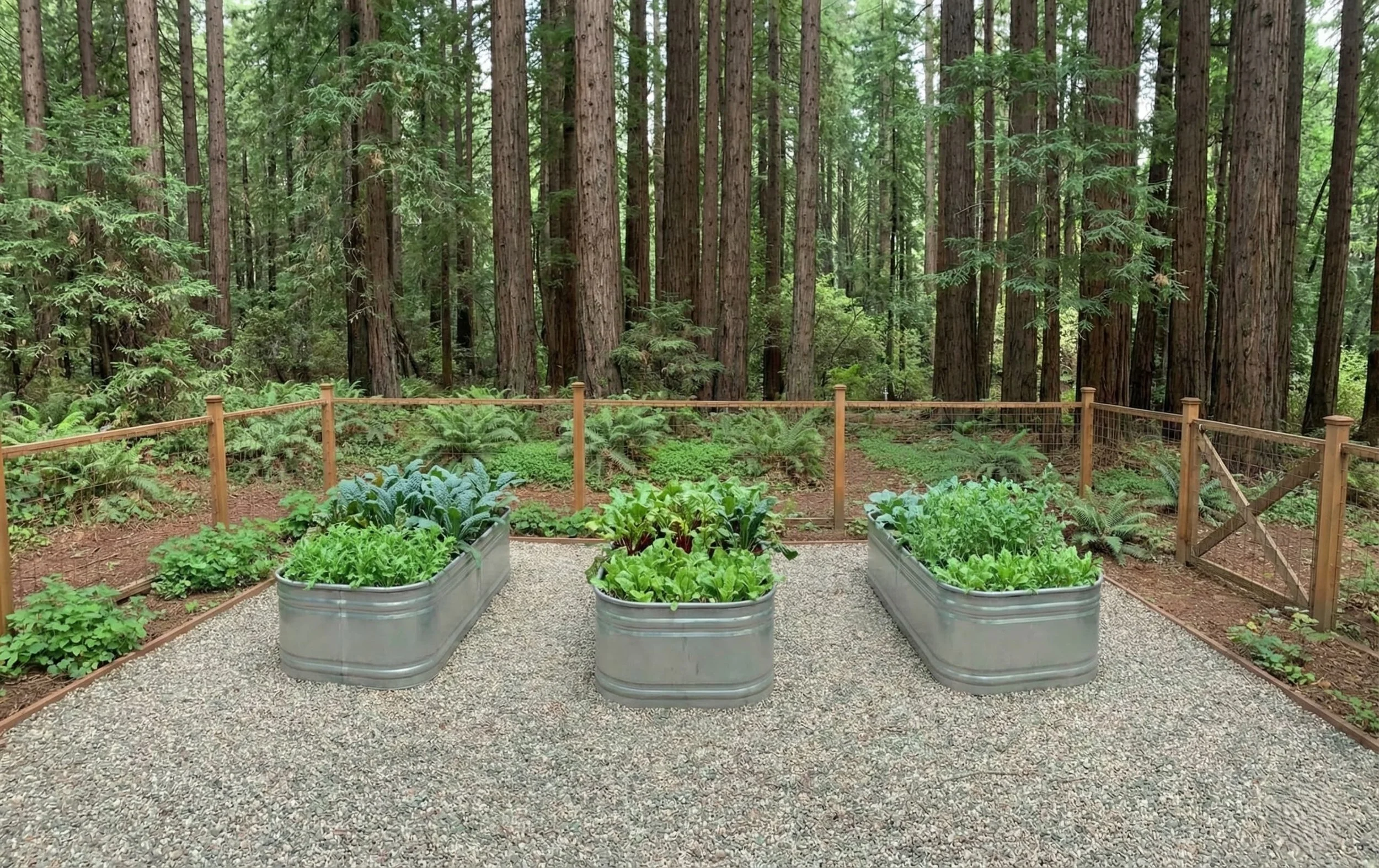
Lettuce is one of the most rewarding crops you can grow in Santa Cruz County. Our mild temperatures, coastal fog, and lack of extreme heat create nearly ideal conditions for salad greens that gardeners in hotter climates can only dream about. While much of California struggles to grow lettuce outside of spring and fall, we can harvest fresh salads for eight to ten months of the year with the right variety selection and timing.
The key to lettuce success here isn't just knowing how to grow it. It's knowing which varieties thrive in your specific microclimate. A butterhead that excels in foggy Aptos may bolt prematurely in sunny Boulder Creek, while a heat-tolerant romaine perfect for Watsonville might grow too slowly in the cool shade of Felton. This guide matches the best lettuce varieties to Santa Cruz County's distinct growing conditions so you can fill your salad bowl year-round.
Why Santa Cruz Is Lettuce Paradise
Lettuce originated in the Mediterranean and prefers the same conditions we have here: mild temperatures, moderate humidity, and no extreme heat. According to UC Agriculture and Natural Resources, lettuce grows best when daytime temperatures stay between 60°F and 70°F, with night temperatures around 50°F to 55°F. That describes a typical Santa Cruz summer day perfectly.
Our climate advantages for lettuce include cool nights that rarely drop below freezing, summer fog that moderates afternoon heat, a long growing season from September through June, and natural humidity that keeps leaves tender. Even our "hot" days rarely reach the 85°F threshold where lettuce quality declines rapidly. Coastal areas can grow lettuce almost year-round, while inland gardeners enjoy an extended season compared to most of California.
The main challenge isn't heat so much as timing. Lettuce planted too late in spring may bolt as days lengthen in May and June, regardless of temperature. Understanding this photoperiod sensitivity (lettuce responds to day length, not just heat) helps explain why variety selection matters so much here.
What Are the Main Lettuce Types?
Before we get to specific varieties, it helps to understand the four main lettuce categories. Each has different characteristics, uses, and climate preferences.
Loose-leaf lettuce doesn't form a head at all. You harvest individual leaves from the outside while the center keeps producing. This type matures fastest (40 to 50 days), handles temperature fluctuations best, and works perfectly for cut-and-come-again harvesting. It's the most forgiving type for beginners.
Butterhead lettuce (also called Bibb or Boston) forms loose, soft heads with tender, almost buttery leaves. These take 55 to 70 days to mature and prefer cooler conditions. They're prized for their delicate texture but can be more challenging in warm microclimates.
Romaine lettuce (also called cos) produces upright, elongated heads with crisp leaves and prominent ribs. Romaine takes 70 to 85 days to mature and generally tolerates more heat than butterhead types. The thick leaves hold up well in composed salads and on sandwiches.
Crisphead lettuce (iceberg types) forms tight, dense heads and takes the longest to mature at 80 to 95 days. This type is the most challenging to grow in home gardens because it needs a long period of consistently cool weather. Most home gardeners skip crisphead in favor of more reliable types.
What Are the Best Varieties by Santa Cruz Microclimate?
Your location within Santa Cruz County significantly affects which lettuce varieties will perform best. Here's what works where.
Coastal Fog Belt (Westside Santa Cruz, Live Oak, Aptos, Capitola)
Coastal gardeners have arguably the best lettuce-growing conditions in the county. Summer fog keeps temperatures moderate, and you can often grow lettuce straight through July and August when inland gardens take a break. The challenge is occasional salt spray near the beach, persistent dampness that can encourage fungal issues, and slower growth during the darkest winter months.
Top varieties for coastal gardens:
'Buttercrunch' remains the classic butterhead for good reason. It produces compact, dense heads with excellent flavor and surprising heat tolerance for a butterhead. According to Renee's Garden Seeds, which is based right here in Felton, 'Buttercrunch' has been an All-America Selections winner since 1963 and continues to outperform newer varieties in coastal conditions.
'Black Seeded Simpson' is the most reliable loose-leaf variety for beginners. It germinates quickly, grows fast, and handles our temperature fluctuations without complaint. The light green, frilly leaves are ready to harvest in just 45 days.
'Winter Density' is a romaine and butterhead cross that lives up to its name. It forms small, upright heads that tolerate cold better than most romaines, making it perfect for fall through spring planting in coastal gardens.
'Salad Bowl' (both red and green versions) produces beautiful, deeply lobed oak-leaf shaped leaves. This loose-leaf variety is particularly slow to bolt, making it a good choice for late spring plantings when days are lengthening.
'Tom Thumb' is a tiny butterhead perfect for containers or small spaces. Each plant produces a tennis-ball sized head, and you can fit many more plants per square foot than standard varieties.
Inland Valleys and Sunny Slopes (Scotts Valley, Boulder Creek sunny exposures, Soquel hills)
Inland areas experience more temperature extremes than the coast. Summer days can reach into the 80s and occasionally 90s, while winter nights drop lower. You'll need heat-tolerant varieties for late spring and early fall, plus cold-hardy types for winter growing.
Top varieties for inland gardens:
'Jericho' is the romaine to grow if heat is your concern. Developed in Israel for desert conditions, it produces tall, flavorful heads even when temperatures climb. According to Johnny's Selected Seeds, 'Jericho' remains sweet and crisp when other romaines turn bitter.
'Muir' is a green leaf lettuce bred specifically for California conditions by UC Davis. It resists bolting and tip burn while producing large, frilly heads. This is an excellent choice for gardeners who want reliability.
'Nevada' is a heat-tolerant batavian (French crisp) type that bridges the gap between loose-leaf and crisphead. It forms semi-dense heads with thick, crunchy leaves that hold up well even as temperatures rise.
'New Red Fire' is the most heat-tolerant red loose-leaf variety widely available. The burgundy-tipped leaves add color to salads while resisting the bitterness that plagues other red varieties in warm weather.
'Concept' is a romaine specifically bred for bolt resistance. It's slower to respond to lengthening days than older romaine varieties, giving you a longer harvest window in late spring.
Under the Redwoods (Felton, Ben Lomond canyons, shaded areas)
Shaded gardens face different challenges: less light, cooler temperatures, and more persistent moisture. Lettuce actually appreciates some shade during warmer months, but deep shade in winter can slow growth to a crawl. The acidic soil common under redwoods isn't ideal for lettuce, so you may need to amend with lime.
Top varieties for shaded gardens:
'Little Gem' is a small romaine (sometimes called "baby gem") that matures quickly despite lower light levels. The compact heads are perfect for individual servings, and the variety tolerates cool, damp conditions well.
'Drunken Woman Frizzy Headed' (yes, that's really the name) is an Italian heirloom loose-leaf with stunning burgundy-edged, frilly leaves. It's remarkably shade-tolerant and slow to bolt, making it ideal for gardens that don't get full sun.
'Marvel of Four Seasons' is a French heirloom butterhead with beautiful red-tinged outer leaves. It earned its name by performing well in multiple seasons and handles partial shade better than most butterheads.
'Deer Tongue' is an heirloom loose-leaf with pointed, tongue-shaped leaves. It's notably tolerant of both shade and inconsistent moisture, making it forgiving for gardeners still learning their watering rhythm.
'Winter Marvel' is a butterhead bred for cold, short days. If your garden is shaded and cool, this variety will keep producing when others stall out.
Pajaro Valley and Watsonville
The Watsonville area is warmer and sunnier than most of Santa Cruz County, with conditions closer to the Salinas Valley lettuce-growing region. You have a longer warm season but may need to take a summer break or rely heavily on heat-tolerant varieties.
Top varieties for Pajaro Valley:
'Parris Island Cos' is a classic romaine that handles warmth well while producing large, upright heads. It's been a commercial standard for decades because of its reliability.
'Sierra' is a batavian type with excellent heat tolerance and beautiful green, slightly crinkled leaves. It resists tip burn better than most varieties when temperatures spike.
'Cherokee' is a stunning red loose-leaf with deep burgundy color that intensifies in full sun. It's notably heat-tolerant for a red variety and adds visual interest to salads.
'Coastal Star' is a romaine developed for coastal California commercial production. It forms large, dense heads with thick, crisp leaves and handles the warmer conditions in the southern part of the county.
'Green Star' is another commercial-bred variety that translates well to home gardens. It produces large loose-leaf rosettes quickly and resists bolting better than many heirlooms.
A few of the product links in this guide are affiliate links. If you buy through one, Ambitious Harvest may earn a small commission at no extra cost to you, which helps keep these guides free. We only point to gear we would use in our own Santa Cruz garden. As an Amazon Associate, we earn from qualifying purchases. Read our full disclosure.
When Should You Plant and What Are the Growing Basics?
Regardless of which variety you choose, the fundamentals of growing great lettuce remain the same.
Soil Preparation
Lettuce has shallow roots and appreciates loose, rich soil that retains moisture without becoming waterlogged. Work in two to three inches of compost before planting. The UC Master Gardeners of Monterey and Santa Cruz Counties recommend maintaining soil pH between 6.0 and 7.0 for best results. If you garden under redwoods where soil tends to be acidic, a soil test can determine whether you need to add lime.
Starting from Seed vs. Transplants
You can direct sow lettuce seeds or start transplants. Direct sowing works well from September through April when soil temperatures stay in the 40°F to 75°F range ideal for germination. According to UC Vegetable Research and Information Center, lettuce seeds may go dormant and fail to germinate when soil temperatures exceed 80°F, so avoid direct sowing in summer unless you can keep the soil cool.
Transplants give you a head start and are helpful for summer plantings when soil is warm. Start seeds indoors in trays, keep them cool, and transplant seedlings with two to four true leaves.
Spacing
Spacing depends on your harvest method. For full-sized heads, space butterhead and loose-leaf varieties 8 to 10 inches apart, and romaines 10 to 12 inches apart. For cut-and-come-again harvesting, you can plant much more densely at 4 to 6 inches between plants, harvesting outer leaves regularly and never letting plants reach full size.
Watering
Consistent moisture is critical for tender, sweet lettuce. The shallow root system means lettuce can't reach deep water reserves during dry spells. Water deeply two to three times per week during dry weather, or daily during warm spells. Morning watering helps leaves dry before evening, reducing fungal disease risk. A layer of mulch helps retain soil moisture between waterings.
Fertilizing
Lettuce is a moderate feeder that benefits from consistent nitrogen. Side-dress with compost or a balanced organic fertilizer three to four weeks after transplanting. Avoid high-nitrogen fertilizers late in the plant's life, which can produce rank-tasting leaves.
Seasonal Planting Calendar for Santa Cruz
The best time to plant lettuce depends on your microclimate and which type you're growing. This calendar provides general guidance; adjust based on your specific garden's conditions.
What Are the Most Common Problems and Solutions?
Even in our ideal climate, lettuce can face challenges. Here's how to address the most common issues.
Bolting happens when lettuce sends up a flower stalk, turning leaves bitter. Long days and warm temperatures trigger bolting, but variety matters more than you might think. Some varieties are genetically programmed to bolt earlier than others. Prevention strategies include choosing slow-bolt varieties, providing afternoon shade in late spring, keeping soil consistently moist, and harvesting promptly when heads mature.
Tip burn appears as brown edges on inner leaves, usually on butterhead and romaine types. Despite what many gardeners believe, UC IPM explains that tip burn results from calcium deficiency in rapidly growing tissue, not lack of soil calcium. The real cause is usually inconsistent watering that interrupts calcium transport. Water consistently and avoid extreme fertilization to prevent tip burn.
Aphids love lettuce almost as much as we do. Check the undersides of leaves regularly. A strong spray of water dislodges most aphids. For serious infestations, insecticidal soap works well. Avoid broad-spectrum pesticides that kill beneficial insects.
Slugs and snails thrive in our moist climate. Handpick after dark or set out beer traps. Copper tape around raised beds provides some protection. Iron phosphate baits (sold as Sluggo) are effective and safe to use around edibles.
Downy mildew appears as yellow patches on upper leaf surfaces with fuzzy white or gray growth underneath. It's most common during cool, humid weather. Space plants for good air circulation, water in the morning, and remove infected leaves promptly. Some newer varieties offer resistance.
Where to Buy Lettuce Seeds and Starts Locally
One of the joys of gardening in Santa Cruz County is our excellent local sources for seeds and plants.
Renee's Garden Seeds in Felton offers thoughtfully curated lettuce collections, including mixes designed for successive harvesting. Their seeds are tested locally, and their trial gardens are right here in the county. Look for their "Summer Lettuce Mix" for heat-tolerant varieties and "Four Seasons Butterhead Blend" for year-round growing.
Mountain Feed and Farm Supply in Ben Lomond carries a good selection of organic lettuce seeds plus soil amendments and gardening supplies. They're particularly helpful for gardeners in the San Lorenzo Valley.
San Lorenzo Garden Center in Santa Cruz often has lettuce starts in spring and fall, which is convenient if you want to skip the seed-starting step. Their staff can offer advice on timing for your specific neighborhood.
Local farmers markets often have specialty starts from small growers. The Downtown Santa Cruz Farmers Market on Wednesdays and the Westside Farmers Market on Saturdays are good places to find unusual varieties.
For unusual heirloom varieties, Baker Creek Heirloom Seeds and Adaptive Seeds offer extensive selections, though you'll need to order online.
Frequently Asked Questions
Can I grow lettuce year-round in Santa Cruz?
Coastal gardeners can grow lettuce nearly year-round, though growth slows significantly in the darkest winter months and the hottest summer weeks. Inland gardeners typically take a break from mid-June through mid-August when bolting becomes difficult to prevent. With variety selection and succession planting, most Santa Cruz County gardeners harvest fresh lettuce eight to ten months of the year.
Why does my lettuce taste bitter?
Bitterness usually indicates stress, either from bolting, inconsistent watering, or heat exposure. Lettuce produces latex (the milky sap you see when cutting stems) as a stress response, and this latex is bitter. Harvest in the morning when leaves are coolest and most hydrated. If a plant has bolted, it will be bitter regardless of when you harvest.
How much lettuce should I plant for my family?
A good rule of thumb is four to six plants per person for regular salad eaters, planted in succession every two to three weeks. This provides a continuous supply without overwhelming you with more lettuce than you can eat. One 4-by-8-foot raised bed can easily supply a family of four with salads when planted intensively.
Should I start lettuce from seed or buy transplants?
Both methods work well. Seeds are much more economical and offer vastly more variety choices. Transplants save time and are particularly useful for summer plantings when germinating seeds in warm soil can be tricky. Many gardeners start their own transplants indoors to get the best of both worlds: variety choice and a head start on the season.
What's the best lettuce for containers?
Loose-leaf varieties and small butterheads like 'Tom Thumb' and 'Little Gem' work beautifully in containers. They mature quickly and don't need as much root depth as romaines. Use a container at least 6 to 8 inches deep and keep the soil consistently moist, as containers dry out faster than garden beds.
Why do my lettuce seeds fail to germinate in summer?
Lettuce seeds naturally go dormant when soil temperatures exceed 75°F to 80°F, a survival mechanism to prevent germination during conditions unfavorable for growth. For summer sowings, pre-chill seeds in the refrigerator for a few days before planting, sow in the evening, cover seed trays with a damp cloth for a day or two, and keep the soil surface cool with mulch or shade cloth.
How do I know when lettuce is ready to harvest?
Loose-leaf lettuce is ready when leaves reach usable size, typically 4 to 6 inches long. You can begin harvesting outer leaves as soon as they're big enough to use. Butterhead and romaine types are ready when heads feel full but before they become hard or show signs of a central flower stalk forming. When in doubt, taste a leaf.
Can I save lettuce seeds?
Yes, but you'll need to let the plant bolt and flower completely. Lettuce is mostly self-pollinating, so varieties stay fairly true to type. Allow the fluffy seed heads to dry on the plant, then collect and store seeds in a cool, dry place. They remain viable for about three years.
Free Resources
Download these helpful guides from our Garden Toolkit:
Santa Cruz Seasonal Planting Calendar provides month-by-month guidance on what to plant, including the best timing for lettuce sowings in your microclimate.
Seed Starting Guide walks you through starting lettuce transplants indoors, with specific timing recommendations for Santa Cruz County.
Garden Troubleshooting Guide helps you identify and solve common problems, including detailed information on bolting prevention and pest management for leafy greens.
