

Growing Squash in Santa Cruz County: A Complete Guide


A few of the product links in this guide are affiliate links. If you buy through one, Ambitious Harvest may earn a small commission at no extra cost to you, which helps keep these guides free. We only point to gear we would use in our own Santa Cruz garden. As an Amazon Associate, we earn from qualifying purchases. Read our full disclosure.
Squash is one of the most rewarding crops you can grow in Santa Cruz County. Unlike melons (which demand our warmest microclimates), squash performs reliably across most of the county, producing abundantly from a relatively small planting. The biggest challenge isn't getting squash to grow; it's managing the inevitable powdery mildew and keeping up with the zucchini harvest.
This guide covers the best squash varieties for our local conditions, how to manage the pests and diseases that plague squash here, and strategies for extending your harvest from summer through winter storage.
Why Does Squash Thrive in Santa Cruz County?
Squash is well-suited to our Mediterranean climate. Squash needs soil of at least 60 degrees F to germinate and grows fastest in warm weather, conditions our county provides reliably from late spring through fall.
Unlike heat-demanding crops like melons and peppers, squash tolerates our coastal fog and cooler microclimates reasonably well. Summer squash produces continuously once it starts, and winter squash stores for months, extending your harvest well into the cooler seasons.
The main challenges for Santa Cruz squash growers are powdery mildew (nearly universal in our humid conditions), pollination issues on foggy mornings, and gopher damage to roots. All are manageable with the right strategies.
What Is the Difference Between Summer Squash and Winter Squash?


Before choosing varieties, understand the fundamental difference between these two squash categories.
Summer Squash (zucchini, yellow squash, pattypan):
Harvested immature with soft, edible skin
Produces continuously; pick every 2-3 days
Does not store well; eat within a week
Faster to mature (45-60 days)
More compact plants (though still large)
Winter Squash (butternut, delicata, acorn, kabocha, pumpkins):
Harvested mature with hard, protective rind
Produces a set number of fruits that ripen over time
Stores for months in cool, dry conditions
Longer to mature (80-120 days)
Larger, more vigorous vines
Both types grow well in Santa Cruz County, but they serve different purposes in your garden and kitchen.
What Are the Best Squash Varieties for Santa Cruz County?
I've selected these varieties specifically for their performance in our local conditions, including disease resistance, productivity, and suitability for our microclimates.
Top performers for our climate, with disease resistance ratings
| Variety | Days | Mildew Resistance | Best For | Notes |
|---|---|---|---|---|
| Dunja (Zucchini) | 47 | Excellent | Coastal gardens; mildew-prone areas | Top choice for disease resistance |
| Costata Romanesco | 52-60 | Moderate | Flavor-focused gardeners | Best-flavored zucchini; nutty, dense flesh |
| Gold Rush / Golden | 50-55 | Good | Easy harvest visibility | Yellow color easy to spot; reduces misses |
| Benning's Green Tint | 50-55 | Moderate | Variety; grilling whole | Scallop/pattypan shape; harvest at 2-3" |
| Early Prolific Straightneck | 50 | Moderate | Traditional yellow squash fans | Heavy producer; classic flavor |
| Variety | Days | Storage | Best For | Notes |
|---|---|---|---|---|
| Delicata | 80-100 | 3-4 months | Beginners; small gardens | Edible skin; smaller vines; personal size |
| Acorn (Table Queen) | 80-85 | 2-3 months | Shorter seasons; stuffing | Fastest winter squash; classic for baking |
| Honey Nut | 90-95 | 3-4 months | Small gardens; sweeter flavor | Mini butternut; more fruits per plant |
| Butternut (Waltham) | 95-110 | 5-6 months | Long storage; versatility | Classic; excellent disease resistance |
| Kabocha | 90-100 | 4-5 months | Inland/warm areas; roasting | Dense, sweet flesh; needs warmth |
| Spaghetti | 88-100 | 3-4 months | Pasta alternative; families | Unique stringy flesh; vigorous vines |
Summer Squash Varieties
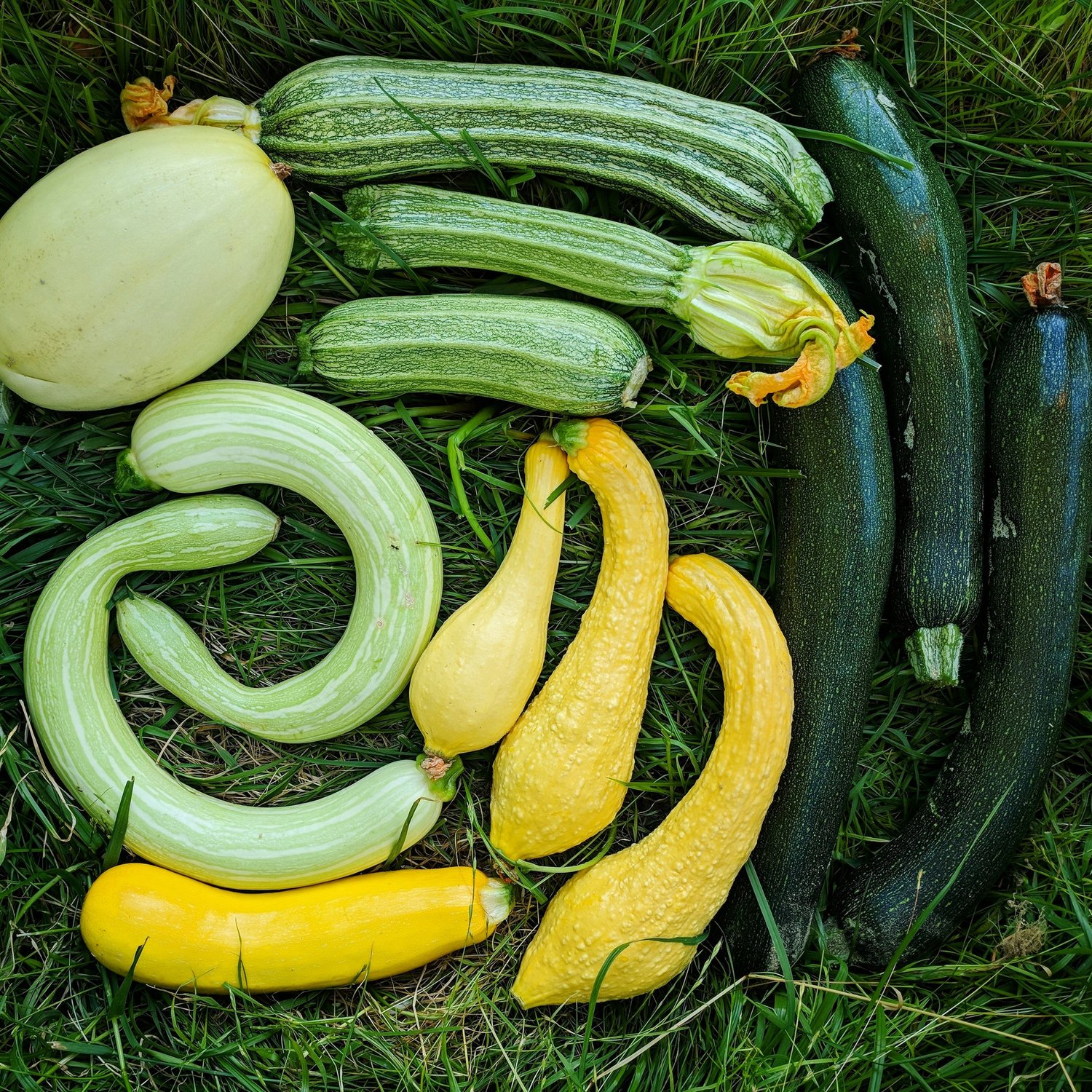
'Costata Romanesco' (Zucchini) The best-flavored zucchini you can grow, with ribbed, pale green fruits and dense, nutty flesh that holds up to cooking far better than standard varieties.
Days to maturity: 52-60 days
Best feature: Superior flavor and texture; worth the slightly lower yield
Disease resistance: Moderate
Santa Cruz notes: Performs well in all microclimates; the nutty flavor intensifies in our cooler conditions
'Dunja' (Zucchini) An exceptionally disease-resistant variety bred for organic production. Dark green fruits with excellent flavor.
Days to maturity: 47 days
Best feature: Outstanding powdery mildew resistance
Disease resistance: Excellent (one of the best)
Santa Cruz notes: Top choice for coastal gardeners dealing with persistent mildew; Johnny's Selected Seeds carries this variety
'Golden Zucchini' / 'Gold Rush' Bright yellow fruits that are easy to spot among the foliage (reducing the giant-zucchini-you-missed problem).
Days to maturity: 50-55 days
Best feature: High visibility for timely harvest; beautiful color
Disease resistance: Moderate to good
Santa Cruz notes: Equally productive as green types; adds variety to the kitchen
'Benning's Green Tint' (Pattypan/Scallop) Scalloped, flying-saucer-shaped fruits with tender flesh. More interesting than standard zucchini and just as productive.
Days to maturity: 50-55 days
Best feature: Unique shape; excellent for grilling whole
Disease resistance: Moderate
Santa Cruz notes: Harvest at 2-3 inches for best texture
'Early Prolific Straightneck' (Yellow Squash) Classic yellow crookneck flavor in a straight shape that's easier to slice. Very productive.
Days to maturity: 50 days
Best feature: Heavy producer; traditional summer squash flavor
Disease resistance: Moderate
Santa Cruz notes: Good choice for inland areas with more heat
Winter Squash Varieties
'Delicata' (Also called 'Sweet Potato Squash') Small, personal-sized fruits with edible skin (when cooked) and sweet, creamy flesh. The easiest winter squash to grow and prepare.
Days to maturity: 80-100 days
Best feature: No peeling needed; small size means faster cooking
Storage: 3-4 months
Santa Cruz notes: Excellent choice for all microclimates; smaller vines than most winter squash
'Butternut' (Waltham strain) The classic winter squash with tan skin and sweet, orange flesh. Stores exceptionally well and is versatile in the kitchen.
Days to maturity: 95-110 days
Best feature: Long storage life; excellent for soups and roasting
Storage: 5-6 months or longer
Santa Cruz notes: Reliable producer even in cooler areas; choose 'Waltham' strain for disease resistance
'Honey Nut' (Mini Butternut) A smaller, sweeter version of butternut developed by Cornell University. Individual-serving size with concentrated flavor.
Days to maturity: 90-95 days
Best feature: Sweeter than standard butternut; personal size
Storage: 3-4 months
Santa Cruz notes: Good choice for smaller gardens; more fruits per plant than full-size butternut
'Kabocha' (Japanese Pumpkin) Dense, dry flesh with rich, sweet flavor that's prized in Japanese cooking. Worth growing if you love roasted squash.
Days to maturity: 90-100 days
Best feature: Exceptionally sweet, dense flesh; excellent roasted
Storage: 4-5 months
Santa Cruz notes: Needs warm conditions for best sweetness; better in inland areas than fog belt
'Acorn' (Table Queen) Small, ribbed fruits that are perfect for stuffing and baking. One of the fastest winter squash to mature.
Days to maturity: 80-85 days
Best feature: Fast maturity; classic baked squash shape
Storage: 2-3 months (shorter than butternut)
Santa Cruz notes: Reliable in all microclimates; good for gardens with shorter warm seasons
'Spaghetti Squash' Unique flesh that separates into spaghetti-like strands when cooked. A fun alternative to pasta.
Days to maturity: 88-100 days
Best feature: Pasta alternative; fun for kids
Storage: 3-4 months
Santa Cruz notes: Vigorous vines need space; reliable producer
'Rouge Vif d'Etampes' (Cinderella Pumpkin) Stunning flat, deeply-ribbed red-orange pumpkins that are as beautiful as they are delicious. Makes excellent pies and soups.
Days to maturity: 95-110 days
Best feature: Gorgeous for fall decoration AND eating
Storage: 3-4 months
Santa Cruz notes: Plant by early June for October harvest; needs space for sprawling vines
How Does Your Santa Cruz Microclimate Affect Squash Growing?
Timing, varieties, and tips for your Santa Cruz County location
Best Varieties
- Dunja zucchini (mildew resistant)
- Butternut (naturally resistant)
- Delicata
- Costata Romanesco
Key Challenges
- Powdery mildew (inevitable)
- Poor pollination (foggy mornings)
- Slower soil warming
Best Varieties
- Full range of summer squash
- Kabocha (enough warmth)
- All winter squash types
- Pumpkins (plant by June)
Key Considerations
- More frequent watering needed
- Afternoon shade in hot years
- Mildew still appears late summer
Best Varieties
- All varieties excel
- Kabocha (sweetest here)
- Large pumpkins
- Long-season winter squash
Advantages
- Longest growing season
- Early + late successions
- Best flavor development
All Microclimates: Essential Practices
- Wait for 60F+ soil temperature
- Use drip irrigation (never overhead)
- Space plants 3-6 feet apart
- Add 4-6" compost before planting
- Mulch to retain moisture
- Install gopher protection
- Check summer squash every 2-3 days
- Cure winter squash before storing
Coastal Fog Belt (Aptos, Capitola, Westside SC, Live Oak)
Squash grows well here, though powdery mildew will be your constant companion. Focus on disease-resistant varieties.
Best varieties: 'Dunja' zucchini (outstanding mildew resistance), 'Delicata', 'Butternut', 'Costata Romanesco'
Planting timing: Late May through early June (wait for soil to warm)
Special considerations: Powdery mildew management is essential. Hand-pollinate on foggy mornings when bees are inactive. Morning watering to let foliage dry.
Avoid: Kabocha and other varieties that need high heat for best sweetness
Inland Valleys (Scotts Valley, Soquel Hills, SLV Sunny Slopes)
Excellent squash territory with enough warmth for good production and sweetness in winter types.
Best varieties: Full range of summer and winter squash
Planting timing: Mid-May through June
Special considerations: Still watch for powdery mildew in late summer. Afternoon shade can help in hot years. May need more frequent watering than coastal areas.
Pajaro Valley / Watsonville
The warmest microclimate means the sweetest winter squash and longest production season.
Best varieties: All types excel here, including heat-loving kabocha
Planting timing: Early May (soil warms earlier)
Special considerations: Can plant an early and late succession for extended harvest. Monitor for squash vine borers.
Under the Redwoods / Shaded Areas
Squash needs at least 6 hours of direct sun. In partial shade, you'll get lots of leaves but few fruits.
Best approach: If you have a sunny clearing, squash can work. Otherwise, focus on shade-tolerant crops instead.
If attempting: Choose the fastest-maturing summer squash varieties and accept lower yields.
When and How Should You Plant Squash in Santa Cruz County?


Timing
Squash is frost-sensitive and needs warm soil to germinate. Squash seed germinates poorly in cool soil below 60 degrees F and will rot rather than sprout below about 50 degrees F, so wait for the ground to warm.
Coastal areas: Plant late May through early June
Inland areas: Plant mid-May through June
Watsonville: Plant early May through June
Use a soil thermometer rather than guessing. Planting too early results in rotted seeds or stunted plants that never recover.
Direct Sowing vs. Transplants
Squash resents root disturbance, making direct sowing the preferred method when conditions allow. However, transplants offer advantages in our climate:
Direct sow when:
Soil is warm (65°F+)
You have time to wait for germination
Gophers aren't severe (seedlings are vulnerable)
Use transplants when:
You want a head start on the season
Gopher pressure is high (transplants are larger and more resilient)
You're planting in cooler microclimates
If starting indoors, use biodegradable pots to minimize transplant shock. Plant pot and all. Start 3-4 weeks before your planned transplant date.
Soil Preparation
Squash are heavy feeders that need rich, well-drained soil.
Before planting:
Work 4-6 inches of compost into the planting area
Create mounds or hills (8-12 inches high) to improve drainage and warm soil faster
Ensure soil pH is between 6.0-6.8 (most Santa Cruz soils are fine)
Squash are heavy feeders, so side-dress with compost or a balanced fertilizer once the plants begin to flower. Avoid high-nitrogen fertilizers, which promote leaf growth at the expense of fruit.
Spacing
Squash needs more room than most gardeners expect:
Summer squash (bush types): 3-4 feet between plants
Winter squash (vining types): 4-6 feet between plants, or train on sturdy trellises
Pumpkins: 6-8 feet between plants (they sprawl extensively)
Crowded plants have poor air circulation, worsening powdery mildew and reducing yields.
How Should You Water and Feed Squash?
Watering
Squash does best with consistent, deep watering, roughly one to two thorough soakings a week, especially through flowering and fruit set.
Frequency: 1-2 deep waterings per week, depending on weather and soil
Method: Drip irrigation or soaker hoses at soil level (essential for disease prevention)
Timing: Morning watering allows foliage to dry, reducing disease
Avoid: Overhead watering, which promotes powdery mildew and other fungal diseases
In coastal areas, our fog actually reduces watering needs compared to inland regions. Check soil moisture before watering; squash doesn't like waterlogged roots.
See our Drip Irrigation Setup 101 guide for installation help.
Fertilizing
Squash benefits from regular feeding throughout the growing season:
At planting: Work compost and a balanced organic fertilizer into the soil
When flowering begins: Side-dress with compost or apply balanced fertilizer
During fruit production: Continue light feeding every 3-4 weeks
Avoid high-nitrogen fertilizers (the first number in N-P-K), which produce lush foliage but fewer fruits.
How Do You Manage the Powdery Mildew Problem?
If you grow squash in Santa Cruz County, you will deal with powdery mildew. Our coastal humidity creates perfect conditions for this fungal disease, and it affects nearly every squash plant by late summer.
Squash Troubleshooting Guide
Common problems and solutions for Santa Cruz County gardeners
- Coastal humidity (nearly inevitable here)
- Poor air circulation
- Overhead watering wetting leaves
- Crowded plantings
- Choose resistant varieties (Dunja, Butternut)
- Space plants 3-4 feet apart minimum
- Water at soil level only (drip irrigation)
- Remove affected leaves; apply sulfur fungicide
- Early flowers are all male (normal!)
- Poor pollination (foggy, cool mornings)
- Not enough bees visiting
- Extreme heat (over 90F)
- Wait for female flowers (tiny fruit behind them)
- Hand-pollinate on cool/foggy mornings
- Plant flowers to attract pollinators
- Check for bees between 9am-11am
- Inconsistent watering (most common)
- Calcium can't reach fruit during dry spells
- Rapid growth followed by stress
- Water deeply and consistently
- Mulch to maintain even soil moisture
- Don't add calcium (soil has enough)
- Use drip irrigation with timer
- Squash vine borer larvae in stems
- Gophers eating roots underground
- Root rot from waterlogged soil
- Check stem base for sawdust-like frass (borer)
- Look for fresh gopher mounds nearby
- Slit stem to remove borers, bury damaged section
- Use gopher baskets for future plantings
- Squash hides under large leaves
- Not checking often enough
- Can double in size in 24 hours!
- Check plants every 2-3 days minimum
- Harvest at 6-8" (don't wait)
- Grow yellow varieties (easier to spot)
- Use baseball bats for zucchini bread
Prevention Checklist
Before Planting
Add compost, install drip irrigation, set up gopher protection, check soil temp (60F+)
At Planting
Space 3-6 feet apart, plant on mounds for drainage, mulch around plants
During Growing
Water consistently at soil level, monitor for pests weekly, remove affected leaves
At Harvest
Pick summer squash young (6-8"), cure winter squash 10-14 days before storing
What It Looks Like
White, powdery patches on leaf surfaces that spread over time. Severely affected leaves turn yellow and die. Plants weaken and produce less fruit.
Prevention Strategies
According to UC IPM, prevention is more effective than treatment:
Choose resistant varieties: 'Dunja' zucchini has excellent resistance. Butternut squash is naturally more resistant than many other types.
Space plants properly: Good air circulation reduces humidity around leaves.
Water at soil level: Never use overhead irrigation on squash.
Water in morning: Allows foliage to dry before evening humidity increases.
Avoid excess nitrogen: Lush, soft growth is more susceptible.
When Mildew Appears
UC IPM recommends several organic approaches:
Remove affected leaves: If caught early, removing infected leaves can slow spread.
Sulfur-based fungicides: Apply at first sign of infection. More effective as prevention than cure.
Potassium bicarbonate: Products like MilStop can slow mildew spread.
Neem oil: Has some fungicidal properties but works best as prevention.
Realistic Expectations
Even with good management, your squash plants will likely develop some mildew by late summer. The goal is keeping plants healthy long enough to produce a good harvest, not eliminating mildew entirely. Well-cared-for plants can produce through mildew; neglected plants succumb quickly.
How Do You Ensure Good Pollination and Fruit Set?
Squash has separate male and female flowers on the same plant and requires bee pollination for fruit development. In Santa Cruz County, cool foggy mornings can reduce bee activity, leading to pollination problems.
Identifying Male and Female Flowers
Male flowers: Thin, straight stems; open first and more numerous
Female flowers: Small immature fruit visible behind the flower; appear after males
Signs of Poor Pollination
Small fruits that yellow, shrivel, and fall off
Misshapen fruits (partially pollinated)
Lots of flowers but no developing fruit
Hand Pollination
When bees aren't active (foggy mornings, cool weather), hand pollination ensures good fruit set:
Identify a freshly opened male flower (thin stem, no fruit behind it)
Remove the petals to expose the pollen-covered stamen
Gently brush the stamen against the stigma inside a female flower
One male flower can pollinate 2-3 female flowers
Hand-pollinate in the morning when flowers are freshly open. This technique is especially valuable for coastal gardeners.
What Pests Should Santa Cruz Squash Growers Watch For?
Squash Bugs
Gray-brown, shield-shaped insects that suck plant juices and can kill young plants. Adults overwinter and emerge in spring.
Prevention: Crop rotation; remove plant debris in fall; check for egg clusters (bronze-colored, laid in groups on leaf undersides)
Control: Hand-pick adults and crush egg clusters. Neem oil can deter them. Remove severely infested plants to prevent spread.
Cucumber Beetles
Yellow and black striped or spotted beetles that chew leaves and spread bacterial wilt.
Prevention: Row covers until flowering; crop rotation; attract beneficial insects
Control: Hand-pick; apply kaolin clay (Surround) as deterrent; neem oil
Squash Vine Borers
Larvae that tunnel into squash stems, causing sudden wilting. More common in warmer areas.
Signs: Sawdust-like frass at base of stems; sudden wilting of vines
Prevention: Cover base of stems with aluminum foil; use row covers until flowering; plant a second succession as backup
Control: If caught early, slit the stem lengthwise, remove the borer, and bury the damaged section to encourage new roots
Aphids
Soft-bodied insects that cluster on new growth and leaf undersides.
Control: Strong spray of water to dislodge; encourage beneficial insects (ladybugs, lacewings); insecticidal soap for severe infestations
Gophers
A serious problem in much of Santa Cruz County. Gophers will eat squash roots, killing plants suddenly.
Prevention: Plant in raised beds with hardware cloth bottoms; use gopher baskets around transplants
See: Our Gopher Control Guide for comprehensive strategies
For detailed pest management guidance, see our Common Garden Pests and Organic Pest Control guides.
When and How Should You Harvest Squash?
Summer Squash
Harvest early and often. UC ANR notes that summer squash is best harvested small:
Zucchini: 6-8 inches long (larger fruits become seedy and watery)
Yellow squash: 4-6 inches
Pattypan: 2-3 inches across
Check plants every 2-3 days during peak production. Squash can double in size in 24-48 hours. Frequent harvesting encourages continued production.
Winter Squash
Harvest when fully mature for best storage:
Signs of maturity: Hard rind that resists fingernail puncture; stem turning brown and dry; deep color development
Timing: Before first frost, or when vines begin to die back naturally
Method: Cut stems with pruners, leaving 2-3 inch stem attached (prevents rot entry)
Curing Winter Squash
Curing hardens the skin and improves flavor for storage:
Clean fruits gently (don't wash unless necessary)
Place in warm (75-85°F), dry location for 10-14 days
Ensure good air circulation around fruits
After curing, move to cool (50-60°F), dry storage
Properly cured butternut can store 5-6 months. Delicata and acorn have shorter storage lives (2-4 months).
What Are the Best Companion Plants for Squash?
Good companions enhance squash production and pest resistance. Our Companion Planting Guide covers this in detail.
Plant squash with:
Corn and beans (the traditional "Three Sisters" combination)
Nasturtiums (trap crop for aphids; edible flowers)
Marigolds (deter squash bugs and other pests)
Borage (attracts pollinators; deters some pests)
Radishes (mature quickly between squash plants; deter squash borers)
Keep squash away from:
Potatoes (compete for nutrients; may share diseases)
Other cucurbits (can cross-pollinate, affecting seed saving; may share diseases)
Frequently Asked Questions About Growing Squash in Santa Cruz County
Why are my squash plants producing flowers but no fruit?
Early flowers are typically all male (look for thin stems with no tiny fruit behind them). Female flowers appear later. If female flowers are dropping, the likely causes are poor pollination (try hand-pollinating), insufficient water, or nutrient deficiency. Our foggy mornings can reduce bee activity, making hand-pollination valuable.
How do I control powdery mildew on squash?
Prevention is more effective than treatment. Choose resistant varieties like 'Dunja', space plants for good air circulation, water at soil level (never overhead), and water in morning. When mildew appears, remove affected leaves, apply sulfur-based fungicide, and accept that some mildew is inevitable in our climate. Keep plants otherwise healthy to produce through it.
When should I plant squash in Santa Cruz County?
Wait until soil temperature reaches at least 60°F (65°F is better). For coastal areas, this typically means late May through early June. Inland areas can plant mid-May. Watsonville gardeners can start in early May. Use a soil thermometer rather than calendar dates.
How much space do squash plants need?
More than most gardeners expect. Bush-type summer squash needs 3-4 feet between plants. Vining winter squash needs 4-6 feet. Pumpkins need 6-8 feet. Crowding worsens disease problems and reduces yields.
How often should I harvest summer squash?
Check plants every 2-3 days during peak production. Zucchini is best at 6-8 inches; larger fruits become seedy and watery. Frequent harvesting encourages continued production. A zucchini can easily double in size in 24 hours.
Can I grow squash vertically to save space?
Yes, with the right approach. Summer squash and smaller winter squash (delicata, acorn, small butternuts) can grow on sturdy trellises. Support developing fruits with slings made from old t-shirts or pantyhose. Large winter squash and pumpkins are too heavy for most trellises.
Why are my squash rotting on the bottom before ripening?
Blossom end rot is usually caused by inconsistent watering, which prevents calcium uptake. Water deeply and consistently, especially during flowering and fruit development. Mulch to maintain even soil moisture. The soil likely has adequate calcium; the plant just can't access it during dry spells.
How long can I store winter squash?
It depends on the variety and curing. Properly cured butternut stores 5-6 months. Kabocha stores 4-5 months. Delicata and acorn store 2-4 months. Store in cool (50-60°F), dry conditions with good air circulation. Check stored squash regularly and use any showing soft spots first.
Free Resources for Squash Growers
Seasonal Planting Calendar: Planting timing for squash and other crops in Santa Cruz County
Companion Planting Guide: What to plant with squash for best results
Garden Troubleshooting Guide: Solutions for common squash problems
Gopher Control Guide: Protect your squash from underground pests
Local Squash Resources
Seeds:
Renee's Garden Seeds (Felton): Carries excellent squash varieties suited to our climate
Johnny's Selected Seeds: Source for disease-resistant varieties like 'Dunja'
Territorial Seed Company: Focus on Pacific Coast growing conditions
Transplants: Local nurseries including San Lorenzo Garden Center carry squash starts in spring, which gives coastal gardeners a head start on the season.
Soil amendments: Aptos Landscape Supply for bulk compost to feed your hungry squash plants.
Squash is one of the most satisfying crops to grow in Santa Cruz County. A few well-tended plants can feed your family all summer and fill your pantry with winter storage squash. Focus on disease-resistant varieties, proper spacing for good air circulation, and consistent watering, and you'll be rewarded with abundant harvests.
Plant your summer squash when soil warms in late May, and start your winter squash by early June for fall harvest. Check our Garden Conditions Dashboard for current conditions, and visit our Garden Events Calendar for local plant sales.
Related Articles
Growing Unique Melons in Santa Cruz County: A related summer crop with similar growing requirements
Companion Planting Guide: What to plant with squash for best results
Drip Irrigation Setup 101: Essential for keeping squash healthy
Common Garden Pests in Santa Cruz County: Managing squash bugs, cucumber beetles, and more
