

Growing Sunflowers in Santa Cruz County: Fast Color and Easy Cutting
A few of the product links in this guide are affiliate links. If you buy through one, Ambitious Harvest may earn a small commission at no extra cost to you, which helps keep these guides free. We only point to gear we would use in our own Santa Cruz garden. As an Amazon Associate, we earn from qualifying purchases. Read our full disclosure.
Nothing says summer quite like a sunflower. These cheerful giants reward even the most casual gardener with dramatic blooms in just 60-90 days from seed. For Santa Cruz County gardeners, sunflowers offer an almost foolproof entry into the world of cut flowers.
Whether you want towering 10-foot giants for your backyard or compact branching varieties for bouquets, our climate provides excellent growing conditions from late spring through fall. This guide covers everything you need to know to grow spectacular sunflowers in your Santa Cruz County garden.
Why Sunflowers Love Santa Cruz County
Sunflowers are remarkably adaptable, but they truly thrive in our Mediterranean climate. According to the UC ANR Sunflower Fact Sheet, sunflowers perform best with full sun and well-drained soil. Here is why our conditions are ideal:
Warm, sunny summers. Sunflowers evolved on the North American prairies and love heat and sun. Our long, sunny days from May through September provide ideal conditions for rapid growth and flower development. Even coastal areas receive enough sun for good sunflower production.
Moderate temperatures. While sunflowers tolerate heat, they perform best when temperatures stay below 95°F. Our coastal influence keeps most Santa Cruz County gardens within the optimal range, resulting in larger flowers and longer bloom periods compared to hotter regions.
Long frost-free season. With planting possible from April through July in most locations, you have a generous window for succession planting. This means fresh sunflower bouquets from July through October with minimal effort.
Good air circulation. Our breezes help prevent the fungal diseases that can plague sunflowers in humid climates. Fewer disease problems mean healthier plants and better flowers.
Choosing the Right Sunflowers
Sunflower Types for Cutting
Sunflower Varieties for Cutting
Choosing the right type for your garden
Choose based on your goals
Many single-stem cutting varieties are bred pollen-free to prevent staining tablecloths and furniture. Great for arrangements, but plant some pollen-rich varieties too if you want to support bees!
| Variety | Type | Height | Days to Bloom | Pollen | Color |
|---|---|---|---|---|---|
| ProCut Orange | Single-stem | 4-5 ft | 55-60 | Pollen-free | Classic orange-gold |
| Sunrich Gold | Single-stem | 4-5 ft | 60-65 | Pollen-free | Bright golden yellow |
| Vincent's Choice | Single-stem | 4-6 ft | 60-65 | Pollen-free | Deep orange |
| Autumn Beauty | Branching | 5-7 ft | 70-80 | Yes | Mix: red, gold, bronze |
| Italian White | Branching | 5-7 ft | 65-75 | Yes | Pale cream/white |
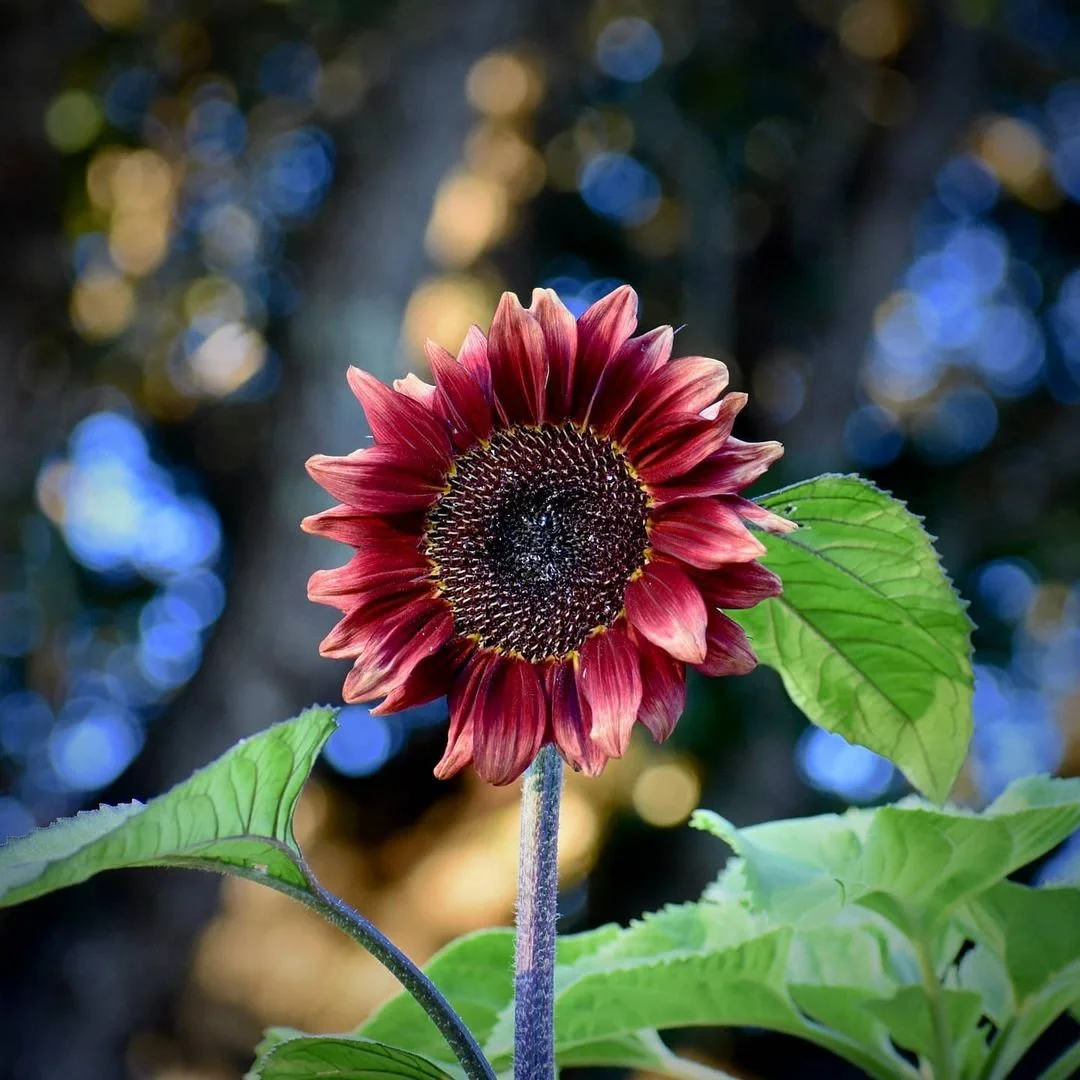
| Earthwalker | Branching | 6-9 ft | 70-75 | Yes | Rusty red, burgundy |
| Teddy Bear | Dwarf | 2-3 ft | 65-75 | Yes | Fluffy double gold |
Modern sunflower breeding has created varieties far beyond the classic single-stem giant. Understanding the different types helps you choose the best varieties for your goals.
For a cutting garden, consider planting both single-stem pollen-free varieties (for clean, uniform bouquets) and branching types (for abundance and variety). Sunflowers pair beautifully with dahlias and snapdragons in mixed bouquets.
When and How to Plant
Sunflower Growing Timeline
Santa Cruz County schedule for succession planting
Soil must be 60°F+ for good germination. Rushing leads to rotted seeds. Patience pays off!
Direct sow seeds 1" deep. Inland: mid-April. Coastal: early May when soil warms. Thin to 6-18" apart depending on variety.
Continue sowing through early July for continuous blooms. Single-stem types: sow every 2 weeks. Branching types: 2-3 plantings total.
First blooms 55-75 days after sowing (varies by variety). Harvest when petals just start to lift from the face. With succession planting, enjoy blooms all summer!
Leave some heads for birds or save seeds for next year. Pull spent plants and compost. Open-pollinated varieties will cross, so seeds may produce surprises!
Timing. Sunflowers are direct-sown (planted where they'll grow) since they dislike transplanting. Wait until:
Soil temperature reaches 55-60°F
Last frost danger has passed
Typically mid-April through July in Santa Cruz County
For continuous harvest, succession plant every 2-3 weeks from April through early July. This staggers your blooms and ensures fresh flowers all summer.
Site selection. Choose a spot with:
Full sun (6-8+ hours daily)
Protection from strong winds (tall varieties topple easily)
Good drainage
Enough space for mature plant size
Soil preparation. Sunflowers aren't fussy about soil but perform best with:
Average to rich soil amended with compost
pH 6.0-7.5 (widely adaptable)
Good drainage
Heavy clay benefits from compost amendment, but sunflowers tolerate challenging soils better than most flowers.
Planting seeds:
Plant seeds 1 inch deep in moist soil
Space according to variety (see spacing guide below)
Water gently and keep soil moist until germination (7-14 days)
Thin seedlings to final spacing once they develop first true leaves
Spacing guide:
| Sunflower Type | Spacing (In-Row) | Row Spacing | Planting Depth |
|---|---|---|---|
| Single-stem (cutting) | 6-9 inches | 24-36 inches | 1 inch |
| Branching types | 12-18 inches | 30-36 inches | 1 inch |
| Giant/Mammoth types | 18-24 inches | 36-48 inches | 1-1.5 inches |
Caring for Sunflowers
| Task | When | How |
|---|---|---|
| Watering | Throughout growing season | Deep watering 1-2x weekly once established. More during hot spells or in sandy soil. |
| Thinning | When 3-4" tall | Snip (don't pull) extra seedlings to proper spacing. Crowded plants = weak stems. |
| Staking | When 2-3 ft tall (tall varieties) | Install stakes or use netting before plants get top-heavy. Wind can snap stems. |
| Feeding | At planting; optionally mid-season | Work compost into soil at planting. Light feeding mid-season for heavy feeders in poor soil. |
| Pest Watch | Ongoing | Check for aphids on stems, slugs on seedlings. Birds and squirrels may target seeds. |
Watering. Sunflowers have deep taproots that make them fairly drought-tolerant once established, but consistent moisture produces the best flowers:
Water deeply once or twice per week during active growth
Increase frequency during heat waves or if plants show wilting
Avoid overhead watering, which can promote disease
Reduce water as flowers mature to prevent stem rot
In coastal fog belt areas, you may need less supplemental water than inland gardens. Watch plants for signs of stress and adjust accordingly.
Feeding. Sunflowers are moderate feeders:
Work compost into soil before planting
Side-dress with balanced fertilizer (10-10-10) when plants are 12 inches tall
Avoid excessive nitrogen, which produces floppy stems and delayed flowering
No additional feeding needed once flower buds form
Staking. Tall varieties (over 5 feet) often need support, especially in windy locations:
Install stakes at planting time to avoid root damage later
Tie stems loosely with soft twine as they grow
Some gardeners plant sunflowers along fences or walls for natural support
Alternatively, increase planting density slightly; plants will support each other (though individual flowers may be smaller).
Pest management.
Sunflowers are generally trouble-free, but watch for:
Birds: Love sunflower seeds and may dig up freshly planted seeds or attack maturing heads. Cover newly seeded areas with row cover or netting until plants are established. For seed-saving, cover heads with mesh bags as seeds mature.
Aphids: Sometimes colonize stems and developing buds. A strong spray of water dislodges most infestations. Encourage ladybugs and other beneficial insects.
Slugs and snails: Attack young seedlings, especially in coastal areas. Use iron phosphate bait or handpick at night.
Powdery mildew: Can appear on leaves in late summer but rarely affects flower quality. Ensure good air circulation and remove affected leaves. The UC Master Gardener Program of Sonoma County notes that sunflowers are generally low-maintenance and resist most diseases in our climate.
Harvesting Sunflowers for Bouquets
Proper harvesting dramatically extends vase life from a few days to over a week.
| Harvest Stage | What It Looks Like | Best For | Vase Life |
|---|---|---|---|
| Tight bud | Petals still folded against face, color just showing | Longest vase life; will open in vase | 10-14 days |
| Just opening | Petals lifting from face, 1/4 to 1/2 open | Ideal balance of beauty and longevity | 7-10 days |
| Fully open | Petals fully extended, pollen visible (if present) | Immediate display; shorter vase life | 5-7 days |
When to cut. This is the most important factor for vase life:
For single-stem (pollen-free) varieties: Cut when petals begin lifting away from the face but before the flower is fully open. The back of the flower head should still be greenish.
For branching (pollen-producing) varieties: Cut when petals are just beginning to lift. If you wait until fully open, pollen will shed everywhere.
Avoid cutting flowers that are fully open with mature pollen; they won't last more than a few days.
How to harvest:
Cut early morning or evening when flowers are fully hydrated
Use clean, sharp tools
Cut stems at an angle, as long as you need
Strip lower leaves (below waterline)
Place immediately in cool water
Conditioning for long vase life:
Re-cut stems under water to remove air bubbles
Let flowers hydrate for 2-4 hours in a cool, dark place before arranging
Use clean vases with fresh water and floral preservative
Change water every 2-3 days
Special techniques for sunflowers:
Hot water treatment: Some arrangers dip cut stems in hot (not boiling) water for 20-30 seconds, then immediately into cool water. This helps seal the stem and improve water uptake.
Stem-end searing: For very thick stems, briefly sear the cut end with a flame before placing in water. This seals latex and prevents bacterial growth.
Succession Planting for Continuous Blooms
The secret to sunflower bouquets all summer is succession planting. Since single-stem varieties produce one flower per plant and bloom within a narrow window, staggered plantings ensure continuous harvest.
Suggested succession schedule for Santa Cruz County:
Sunflower Succession Planting Schedule
Sow every 2-3 weeks for continuous blooms
Note: This schedule is for single-stem varieties. Branching types need only 2-3 plantings since each plant produces multiple blooms over several weeks. Coastal gardeners: start 2-3 weeks later than shown.
Plant 10-20 seeds of your favorite variety at each succession for a steady supply. Branching varieties need fewer successions since individual plants bloom over 4-6 weeks.
Sunflowers by Microclimate
| Microclimate | First Sowing | Last Sowing | Notes |
|---|---|---|---|
| Coastal Fog Belt | Early May | Early July | Wait for soil to warm; may grow slower but extended harvest |
| Sunny Inland (SLV) | Mid-April | Mid-July | Ideal conditions; all varieties thrive |
| Pajaro Valley | Mid-April | Late July | Warmest zone; fastest growth; may need extra water |
| Redwood Shade | May (sunny spots only) | June | Need full sun clearing; will be leggy in shade |
Coastal fog belt (Westside Santa Cruz, Live Oak, Aptos, Capitola)
Growing conditions: Cooler temperatures, fog, reduced sun hours Results: Sunflowers grow well but may be slightly shorter with smaller flowers than inland. Bloom period extends longer due to cooler conditions. Recommendations: Choose medium-height varieties (4-6 feet). Plant in the sunniest spot available. Excellent for season-extending fall successions.
San Lorenzo Valley and sunny inland areas (Boulder Creek, Scotts Valley, Ben Lomond ridges)
Growing conditions: More sun, warmer temperatures, greater temperature swings Results: Excellent sunflower territory. Expect vigorous growth and large flowers. Recommendations: All varieties thrive. This is ideal sunflower country. Watch for late spring frost on early plantings.
Under the redwoods (Felton, Ben Lomond canyons)
Growing conditions: Reduced sun, cooler temperatures Results: Sunflowers struggle without sufficient light. May become leggy and produce small, weak flowers. Recommendations: Only plant if you have a sunny clearing with at least 6 hours of direct sun. Consider dwarf varieties that tolerate partial shade better.
Pajaro Valley / Watsonville
Growing conditions: Warmest microclimate, longest season Results: Outstanding. Expect fast growth, large flowers, and extended production. Recommendations: All varieties perform well. You can plant later successions (through late July) and still get blooms before season's end.
Growing Sunflowers with Kids
Sunflowers are perfect first flowers for young gardeners:
Why kids love them:
Fast germination (seeds sprout in 7-14 days)
Visible daily growth (up to several inches per day)
Large seeds easy for small hands to plant
Dramatic results that feel like an accomplishment
Seeds to harvest and feed birds (or roast for snacks)
Kid-friendly activities:
Measure plant height weekly and keep a growth chart
Compare different varieties planted on the same day
Create a sunflower house with tall varieties planted in a square
Save seeds for next year or for bird feeders
Press leaves and petals for art projects
Giant varieties like 'Mammoth' or 'Kong' are particularly exciting for kids since they grow taller than adults. Dwarf types like Teddy Bear also work well in containers on patios and balconies.
Where to get flower seeds: For cut-flower and pollinator varieties that do well here, we like Botanical Interests, a California company selling non-GMO, open-pollinated, and heirloom seed. (Affiliate link, see our disclosure.)
To follow your plants from seed to seed head, see our sunflower growth stages guide.
Frequently Asked Questions
How long do sunflowers take to bloom?
Most varieties bloom 55-75 days from sowing, depending on variety and growing conditions. Check seed packet for specific timing. Warmer conditions generally speed development.
Why are my sunflower stems weak and floppy?
Common causes include too much nitrogen fertilizer, insufficient sunlight, overcrowding, or overwatering. Ensure plants get full sun, space appropriately, and avoid excessive feeding.
Can I transplant sunflowers?
Sunflowers strongly prefer direct sowing because their taproots resent disturbance. If you must transplant, do so when seedlings are very small (first true leaves) and handle root balls gently.
Do sunflowers only bloom once?
Single-stem varieties produce one flower and are done. Branching varieties produce a central flower followed by many side blooms over several weeks. For continuous harvest, plant successions of single-stem varieties or grow branching types.
Are all sunflowers edible?
All sunflower seeds are edible. For the best eating seeds, grow varieties bred for seed production like 'Mammoth' or 'Heirloom.' Cut flower varieties produce seeds too, but they're often smaller.
Will sunflowers reseed themselves?
Yes, if you let some flowers go to seed and drop them. Volunteer sunflowers often appear the following year, though they may not match the parent variety. Pull volunteers if they appear where you don't want them.
How do I save sunflower seeds?
Let flower heads mature on the plant until the back turns brown and seeds are plump. Cut heads and hang upside down in a dry location, or lay flat on screens. Once fully dry, rub to release seeds. Store in a cool, dry place.
Why do my cut sunflowers wilt so quickly?
You're likely cutting at the wrong stage (too open) or not conditioning properly. Cut when petals are just beginning to lift, re-cut stems under water, and let flowers hydrate in a cool place for several hours before arranging.
Free Resources
Download these guides to support your sunflower growing:
Seasonal Planting Calendar: Month-by-month timing for Santa Cruz County
UC Master Gardeners Cut Flower Planting Chart: Variety recommendations for California gardens
Visit our Garden Toolkit for more downloadable resources.
Related Articles
Growing a Cut Flower Garden in Santa Cruz County: A Complete Guide
Growing Zinnias in Santa Cruz County: Bold Summer Color with Minimal Effort
What to Plant in Santa Cruz & the Bay Area in April
What to Plant in Santa Cruz & the Bay Area in May
