

Growing Snapdragons in Santa Cruz County: Cool-Season Workhorses for Year-Round Color
A few of the product links in this guide are affiliate links. If you buy through one, Ambitious Harvest may earn a small commission at no extra cost to you, which helps keep these guides free. We only point to gear we would use in our own Santa Cruz garden. As an Amazon Associate, we earn from qualifying purchases. Read our full disclosure.
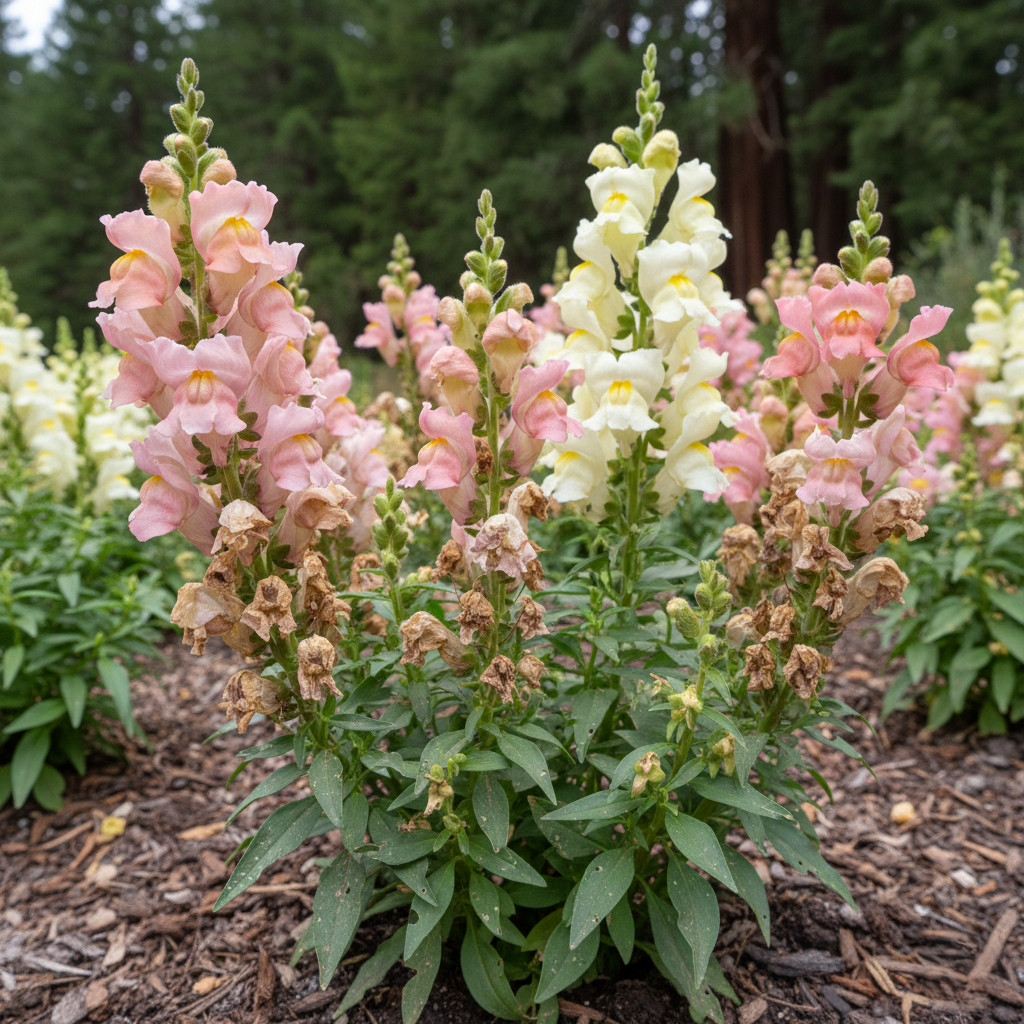
Snapdragons are the unsung heroes of the cutting garden. While dahlias and ranunculus get the glamour, snapdragons quietly produce armloads of long-stemmed flowers through our cool seasons, filling bouquets with vertical interest and a surprisingly long vase life.
These Mediterranean natives thrive in exactly the conditions that Santa Cruz County provides: mild winters, cool springs, and moderate summers. In our climate, snapdragons can flower nearly year-round with proper variety selection and timing, making them one of the most productive cut flowers you can grow.
This guide covers everything you need to know to grow exceptional snapdragons in Santa Cruz County, from variety selection through continuous harvest.
Why Snapdragons Thrive Here
Snapdragons (Antirrhinum majus) originated in the Mediterranean region and have been cultivated for centuries. They're classified as tender perennials but are typically grown as annuals or biennials, depending on climate. In Santa Cruz County, our mild conditions allow for extended production that gardeners in harsher climates can only dream of.
Our climate advantages include:
Cool but not cold winters. Snapdragons tolerate light frost but suffer in hard freezes. Most Santa Cruz County locations stay above damaging temperatures, allowing fall-planted snapdragons to establish and bloom early.
Extended cool seasons. Snapdragons prefer temperatures between 50-70°F. Our foggy springs and mild autumns provide months of ideal growing conditions on either side of summer.
Moderate summers. While snapdragons struggle in extreme heat, our coastal-influenced summers stay cool enough for continued (if reduced) production. In the fog belt, snapdragons may bloom straight through summer.
Year-round potential. With strategic planting, Santa Cruz County gardeners can harvest snapdragons 8-10 months of the year, making them one of our most productive cut flowers.
Choosing Snapdragon Varieties
Modern snapdragon breeding has produced an incredible range of varieties. For cutting gardens, focus on tall types with strong stems and long vase life.
By height:
Tall (30-48 inches): Bred for cutting, these produce the longest stems and are the standard for professional flower farms. Need staking or support netting. Varieties include 'Rocket,' 'Potomac,' 'Chantilly,' and 'Madame Butterfly' series.
Intermediate (12-24 inches): Good for smaller gardens and arrangements. Shorter stems but still useful. 'Sonnet' and 'Liberty' series.
Dwarf (6-12 inches): Bred for bedding, not cutting. Short stems make these impractical for bouquets but fine for garden color.
By flower form:
Single (traditional): The classic dragon-mouth shape that "snaps" when squeezed. Most varieties fall into this category.
Double (butterfly type): Open, azalea-like flowers without the snapping mouth. 'Madame Butterfly' and 'Double Azalea' series. Elegant but slightly more delicate.
Open-faced: Newer introductions with open blooms. 'Chantilly' series offers this romantic look.
Best varieties for Santa Cruz County cut flower gardens:
| Variety | Height | Flower Type | Colors | Notes |
|---|---|---|---|---|
| Rocket series | 30–36" | Single | Full range | Industry standard, strong stems, reliable |
| Potomac series | 36–48" | Single | Full range | Extra-long stems, professional quality |
| Chantilly series | 36–40" | Open-faced | Pastels | Romantic, ruffled, excellent vase life |
| Madame Butterfly | 30–36" | Double | Mix | Unique azalea-like blooms |
| Costa series | 36–42" | Single | Full range | Bred for cut flower production |
| Animation series | 36–40" | Single | Limited | Cold-tolerant, good for fall planting |
For the longest stems and most professional results, start with 'Rocket' or 'Potomac' series. Once you're comfortable growing snapdragons, experiment with specialty forms like 'Chantilly' or 'Madame Butterfly.'
When to Plant Snapdragons
Snapdragons offer multiple planting windows in Santa Cruz County:
Fall planting (for earliest spring bloom): August through October
Start seeds indoors in August, transplant in September-October. Plants establish through winter and begin blooming in late February or March. This is the professional flower farmer's approach for the earliest, longest-stemmed spring flowers.
Late winter/early spring planting (for spring/early summer bloom): January through March
Start seeds indoors 8-10 weeks before transplanting. Plants bloom from late spring through early summer, producing during the gap between fall-planted snapdragons' first flush and summer heat.
Late summer planting (for fall bloom): July through August
Start seeds in July for transplant in late August/September. These plants bloom through fall and into winter in mild years, often continuing until heavy frost (which may never come in coastal areas).
Succession planting: For continuous harvest, start new batches of snapdragon seeds every 4-6 weeks during the primary growing seasons. This ensures fresh plants coming into production as older ones decline.
Starting Snapdragons from Seed
Snapdragons are typically started from seed since transplants of good cutting varieties are rarely available at nurseries.
Seed starting basics:
Timing: Start seeds 8-10 weeks before desired transplant date
Sowing: Press seeds onto the surface of moist seed-starting mix (seeds need light to germinate; don't cover)
Temperature: 65-75°F for germination (7-14 days)
Light: Provide bright light immediately after germination; seedlings stretch without it
Transplant: Move to larger cells or pots when first true leaves appear
Critical tips:
Snapdragon seeds are tiny; mix with sand for more even sowing
Bottom water to avoid disturbing surface-sown seeds
Keep consistently moist but not waterlogged
Provide maximum light to prevent leggy seedlings
Hardening off: Gradually expose seedlings to outdoor conditions over 7-10 days before transplanting. Snapdragons are cold-tolerant once hardened but can be shocked by sudden temperature changes.
Transplanting and Site Selection
Site requirements:
Full sun (6+ hours; tolerates light afternoon shade in warmest areas)
Well-draining soil amended with compost
Good air circulation (reduces fungal disease)
Protection from strong winds (tall stems can snap)
Soil preparation:
Work in 2-3 inches of compost before planting
Snapdragons prefer slightly acidic to neutral soil (pH 6.0-7.0)
Good drainage is essential; amend clay soils heavily
Transplanting:
Plant at the same depth they grew in containers
Space 6-9 inches apart for cutting gardens (tight spacing encourages vertical growth)
Water deeply after transplanting
Pinch growing tip after plants establish for bushier growth (see below)
Snapdragons also do well in containers, especially the intermediate-height varieties that do not need support netting.
Support: Tall varieties need support. Options include:
Horizontal netting (flower netting) at 6-12 inches, raising as plants grow
Individual stakes for small plantings
Corral-style support with stakes and string around beds
Install support at transplanting time; adding it later risks damaging plants.
The Art of Pinching Snapdragons
Pinching is essential for maximum cut flower production from snapdragons.
What pinching does:
Removes the single central growing point
Forces multiple side shoots to develop
Results in 4-8 flowering stems per plant instead of one
How to pinch:
Wait until plants are 3-4 inches tall with several sets of leaves
Pinch or cut the central growing tip, removing about 1 inch
Side shoots will emerge from leaf nodes below the pinch
When NOT to pinch:
If you want one tall, thick central stem (exhibition growing)
Very late in the season when you want any flowers quickly
For cutting gardens, always pinch. The initial delay is worth the dramatically increased production.
Ongoing Care
Watering:
Keep soil consistently moist but not waterlogged
Water at the base of plants to keep foliage dry
Drip irrigation or soaker hoses work well
Reduce watering slightly during cool weather
Feeding:
Side-dress with balanced fertilizer (10-10-10) monthly during active growth
Avoid excessive nitrogen, which produces weak stems
Stop fertilizing in late fall as growth slows
Deadheading and cutting:
Cut flowers regularly to encourage continued production
If stems go to seed, the plant's energy shifts away from flowering
Remove any dead or diseased foliage promptly
Pest and disease management:
Rust: Orange-brown pustules on undersides of leaves. The most common snapdragon disease. Remove affected leaves, improve air circulation, avoid overhead watering. UC IPM notes that resistant varieties and proper spacing help prevent rust.
Aphids: Common on new growth. Spray with water or use insecticidal soap. The UC IPM snapdragon page covers identification and organic treatment options for all common snapdragon pests.
Powdery mildew: White powder on leaves, especially in fall. Improve air circulation, thin crowded plants.
Downy mildew: Brown patches on leaves with fuzzy growth underneath. Remove and destroy affected plants; this disease is more serious than powdery mildew.
Harvesting Snapdragons
Proper harvesting maximizes vase life and encourages continued production.
When to cut:
Harvest when the bottom 1/3 to 1/2 of flowers on the spike are open
Top buds should still be closed but showing color
Avoid cutting when flowers are fully open; they won't last as long
How to cut:
Harvest in early morning or evening
Use clean, sharp scissors
Cut stems long, all the way to the base of the plant
Place immediately in cool water
Vase life: With proper care, snapdragons last 7-10 days in the vase:
Re-cut stems at an angle under water
Use clean vase with floral preservative
Remove any foliage below waterline
Keep cool and away from direct sun
Note: snapdragon spikes are phototropic (they grow toward light), so keep arrangements away from strong side-lighting if you want stems to stay straight
Continued harvest: After cutting, new side shoots emerge and produce additional flower spikes. A well-maintained snapdragon plant can produce for 3-4 months with regular harvesting.
Snapdragons by Microclimate
Coastal fog belt (Westside Santa Cruz, Live Oak, Aptos, Capitola)
Excellent snapdragon territory:
Year-round production possible
Cool summers allow continuous bloom
Fall-planted snapdragons overwinter beautifully
May need to watch for rust in humid conditions
Recommendations: This is near-ideal snapdragon climate. Plant in fall for earliest bloom; consider succession planting for year-round harvest.
San Lorenzo Valley and sunny inland areas (Boulder Creek, Scotts Valley)
Good snapdragon territory with summer break:
Excellent spring and fall production
May pause or struggle during warmest summer weeks
Strong fall comeback as temperatures cool
Recommendations: Focus on fall and late-winter planting for best results. Accept a summer gap in production.
Under the redwoods (Felton, Ben Lomond canyons)
Mixed conditions:
Cool temperatures are good
Reduced light may limit flower production
High humidity can increase disease pressure
Recommendations: Choose a sunny clearing if possible. Ensure good air circulation to reduce disease. May have modest but continuous production.
Pajaro Valley / Watsonville
Warmer conditions affect timing:
Shorter spring season before heat arrives
Excellent fall production
Winter bloom in mild years
Recommendations: Focus on fall planting. Spring-planted snapdragons may have a short productive window before summer heat.
Snapdragons as Perennials
In Santa Cruz County's mild climate, snapdragons often behave as short-lived perennials rather than annuals. After the first year of bloom:
What to expect:
Plants may resprout from the base after summer dormancy or winter cold
Second-year plants often bloom earlier but may be less vigorous
Some plants survive 2-3 years in ideal conditions
Managing perennial snapdragons:
Cut back hard after the main bloom flush to encourage fresh growth
Side-dress with fertilizer as new growth emerges
Replace plants that become woody or unproductive
Many gardeners treat snapdragons as annuals anyway, preferring the vigor of first-year plants from seed. However, leaving some plants to regenerate can provide early bloom while new seedlings develop. Pair snapdragons with other cool-season cut flowers for a more varied winter and spring harvest.
Frequently Asked Questions
How long do snapdragons take to bloom from seed? Expect 10-14 weeks from seed to first bloom, depending on variety and conditions. This is why starting seeds 8-10 weeks before transplanting is important for timely blooms.
Can I direct-sow snapdragon seeds? It's possible but challenging. The tiny seeds need consistent moisture and compete poorly with weeds. Starting indoors gives much better results.
Why are my snapdragon stems floppy? Common causes: insufficient light, overcrowding, too much nitrogen fertilizer, or lack of support. Tall varieties always need netting or staking.
Do snapdragons self-sow? Yes, often prolifically. You may find volunteer seedlings appearing in your garden. These can be transplanted but may not match named variety characteristics.
Are snapdragons deer-resistant? Generally yes. Deer typically avoid snapdragons, making them a good choice for unfenced gardens. However, very hungry deer may browse anything.
When should I replace snapdragon plants? When production declines significantly (usually after 3-4 months of cutting), or when plants become woody and sparse. In our climate, this might mean replacing twice yearly for year-round production.
Can snapdragons handle frost? Established plants tolerate light frost (down to 28°F or so) without damage. Hard freezes may kill plants to the ground, though roots sometimes resprout. Young seedlings are more cold-sensitive.
Why do my snapdragons have orange spots on the leaves? This is snapdragon rust, a fungal disease. Remove affected leaves, improve air circulation, avoid overhead watering, and consider fungicides for severe cases. The UC ANR snapdragon growing guide has additional details on rust-resistant varieties.
Free Resources
For more on extending the life of your cut snapdragons, see the UC ANR guide to extending cut flower freshness.
Download these guides to support your snapdragon growing:
Seasonal Planting Calendar: Month-by-month timing for Santa Cruz County
Seed Starting Guide: Tips for starting seeds successfully
Visit our Garden Toolkit for more downloadable resources.
