

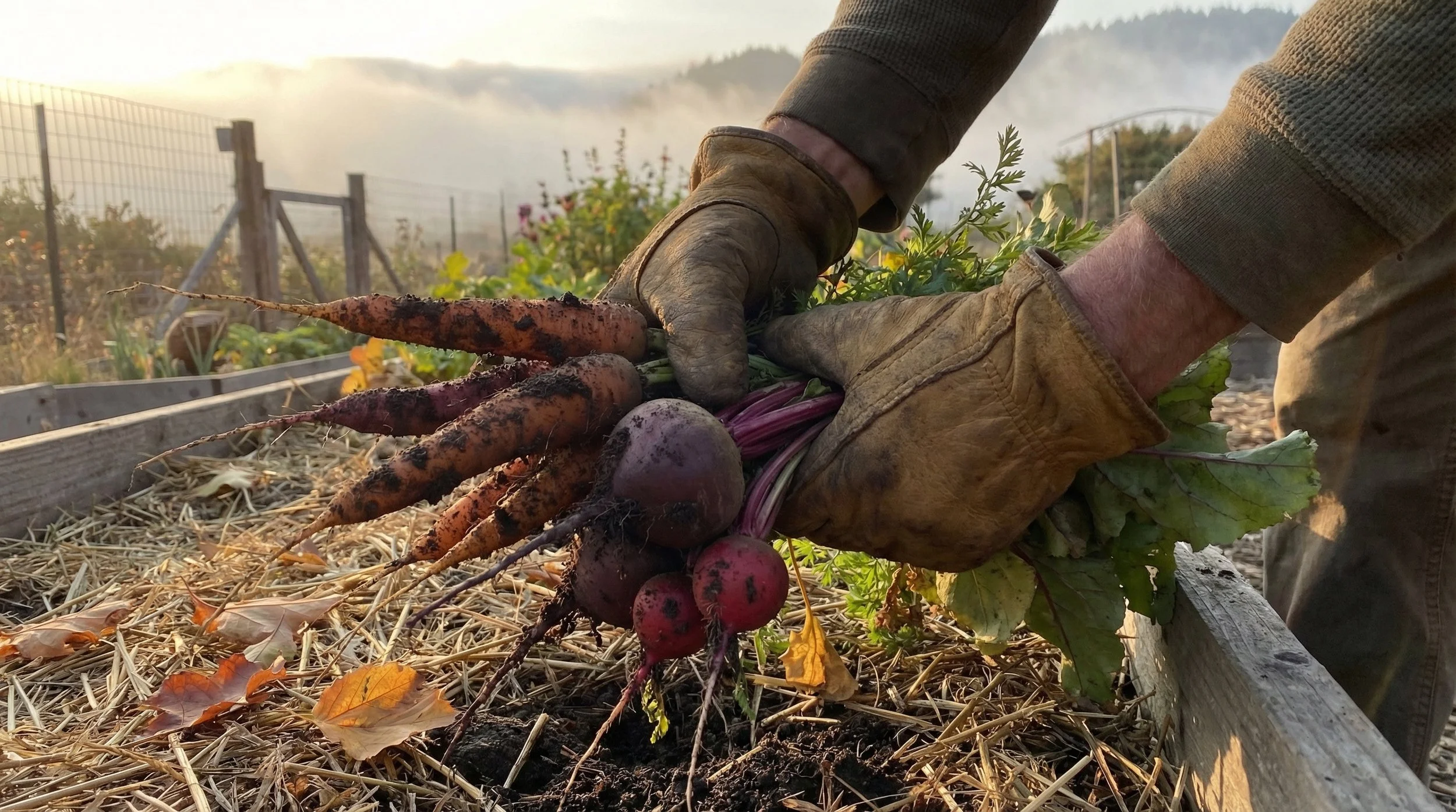
What Root Vegetables Can I Direct-Seed in Fall for Winter Harvest?
Root vegetables are some of the most rewarding crops for California gardeners in the cooler months. Direct-seed beets, turnips, radishes, and carrots in late summer and fall for harvest through winter.
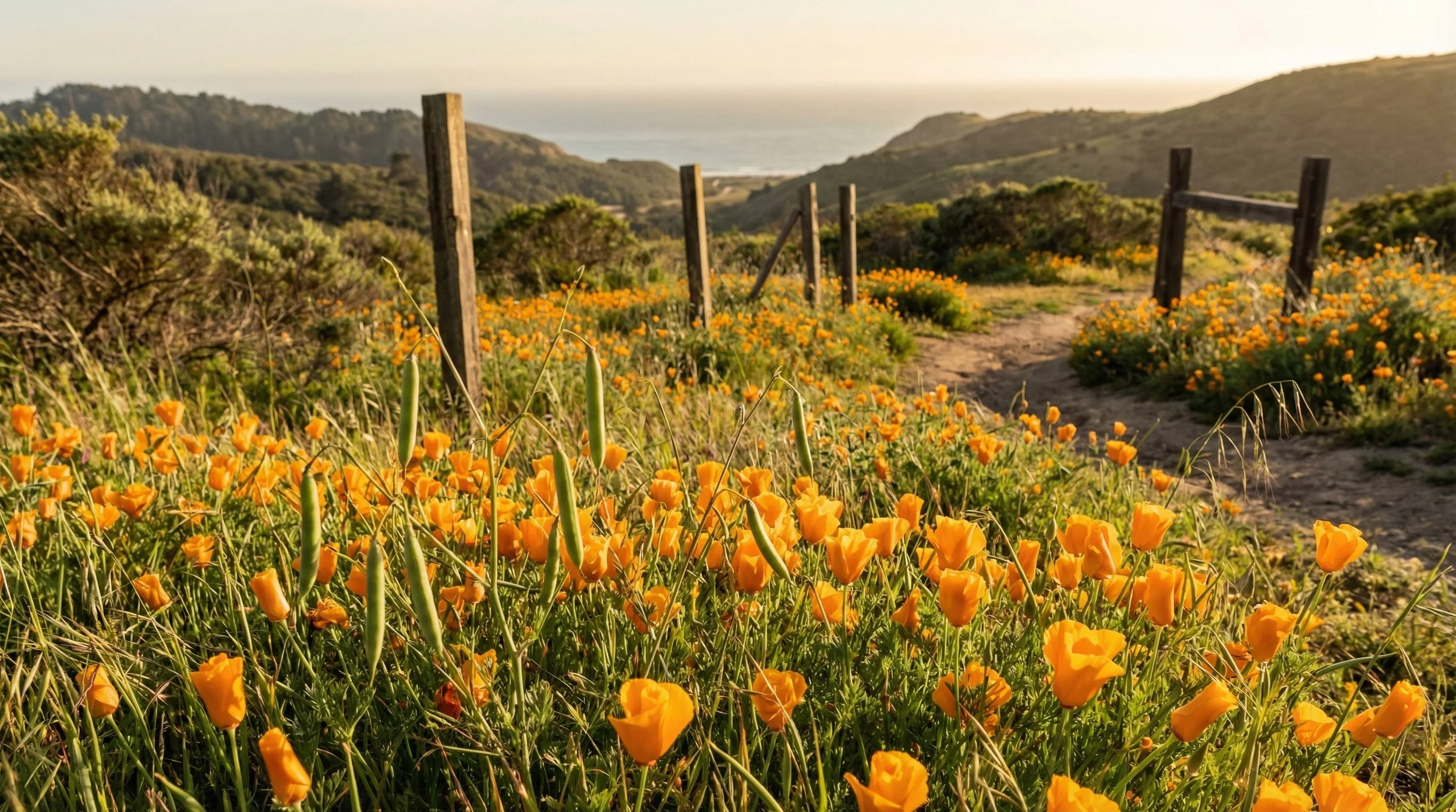
Do California Poppies Reseed Themselves?
California poppies reseed themselves prolifically. Let seed pods dry on the plant for natural spreading, or deadhead to control where they grow.
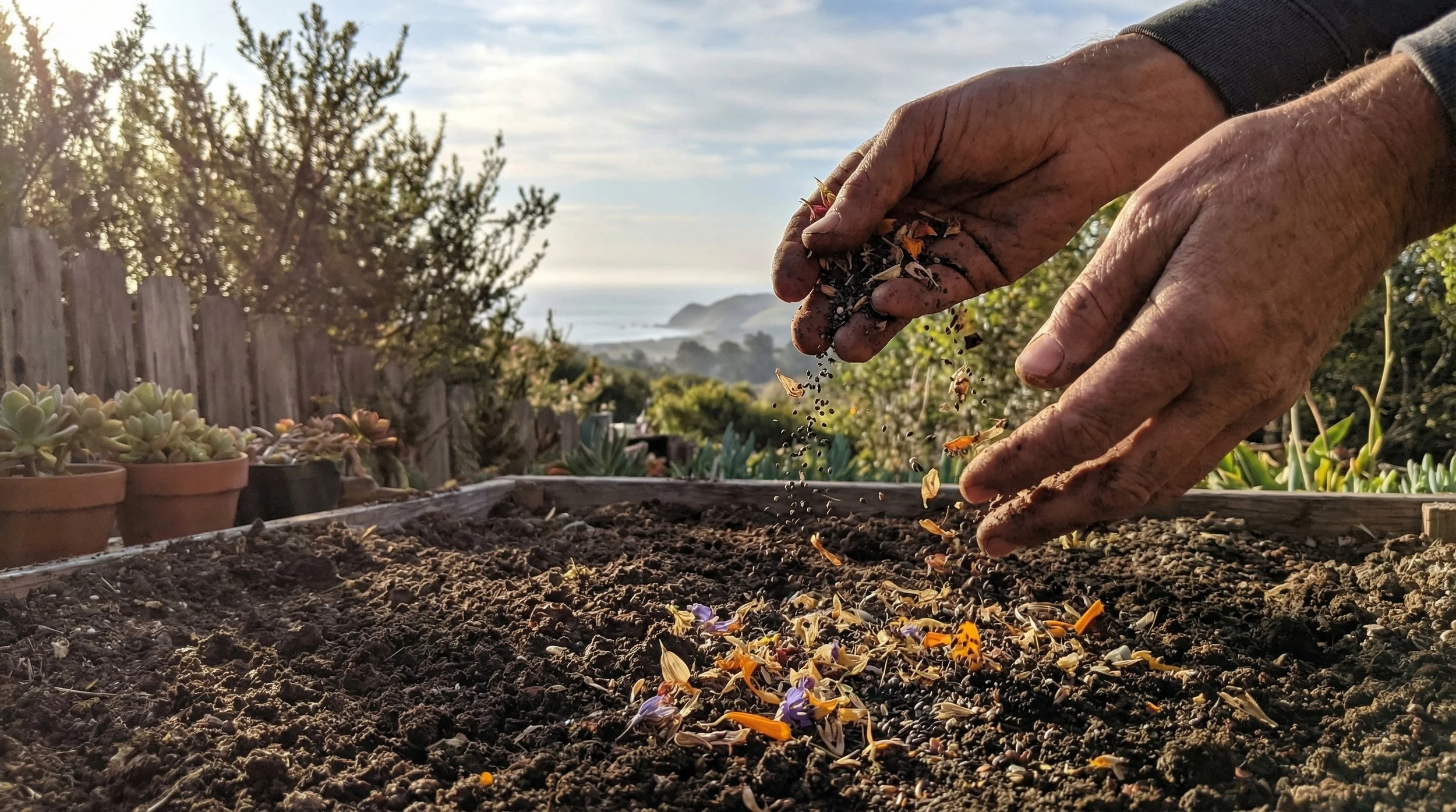
When Should I Sow Wildflower Seeds on the California Coast?
Sow wildflower seeds in October before the first rains. Fall planting gives native California wildflowers the winter chill they need for strong spring blooms.
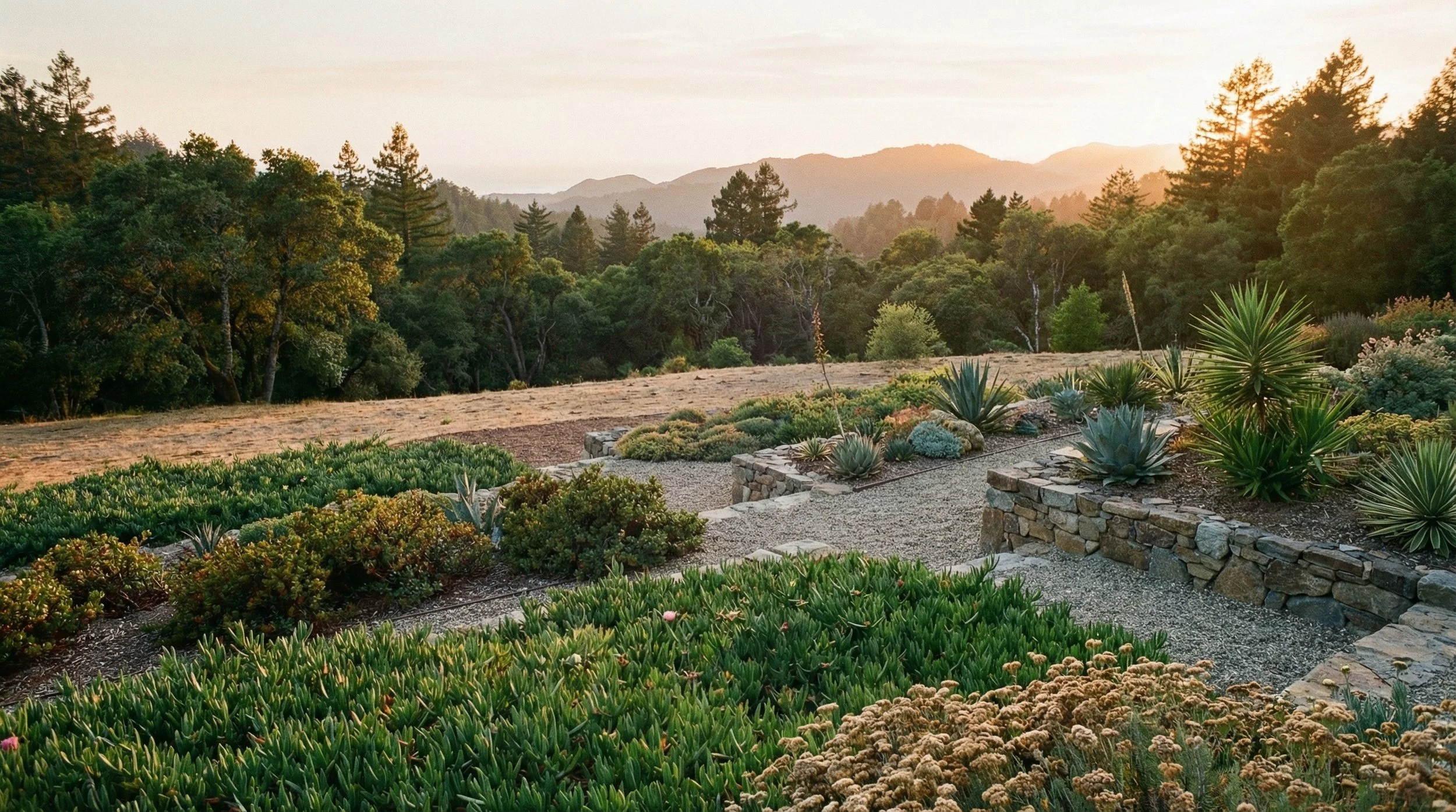
How Do I Create a Fire-Resistant Landscape in the Santa Cruz Mountains?
Start with defensible space zones and replace flammable plants with fire-resistant California natives. A zone-by-zone approach for Santa Cruz Mountains properties.
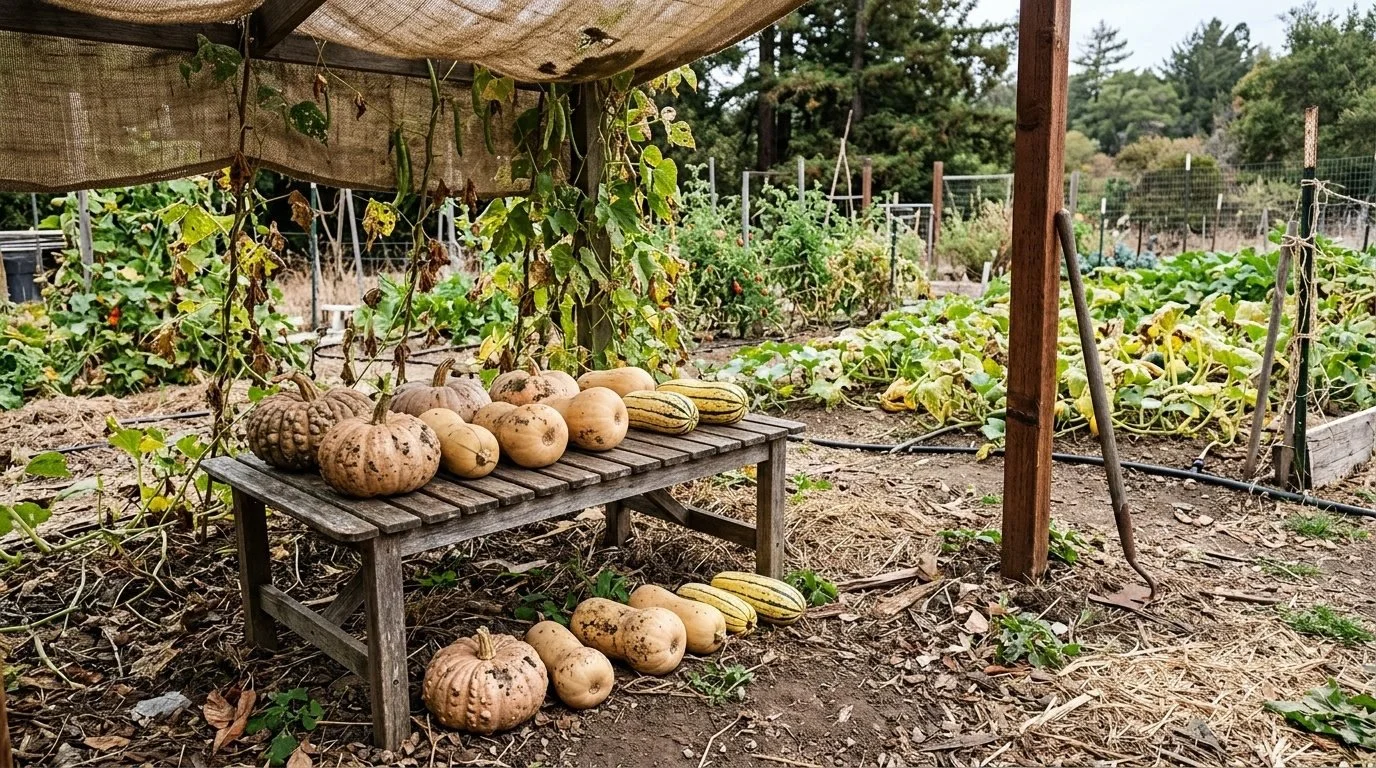
Your October Garden Checklist for Santa Cruz County
Your complete October garden checklist for Santa Cruz County. Garlic planting, California native installation, persimmon harvest, and rainy season preparation for every zone.
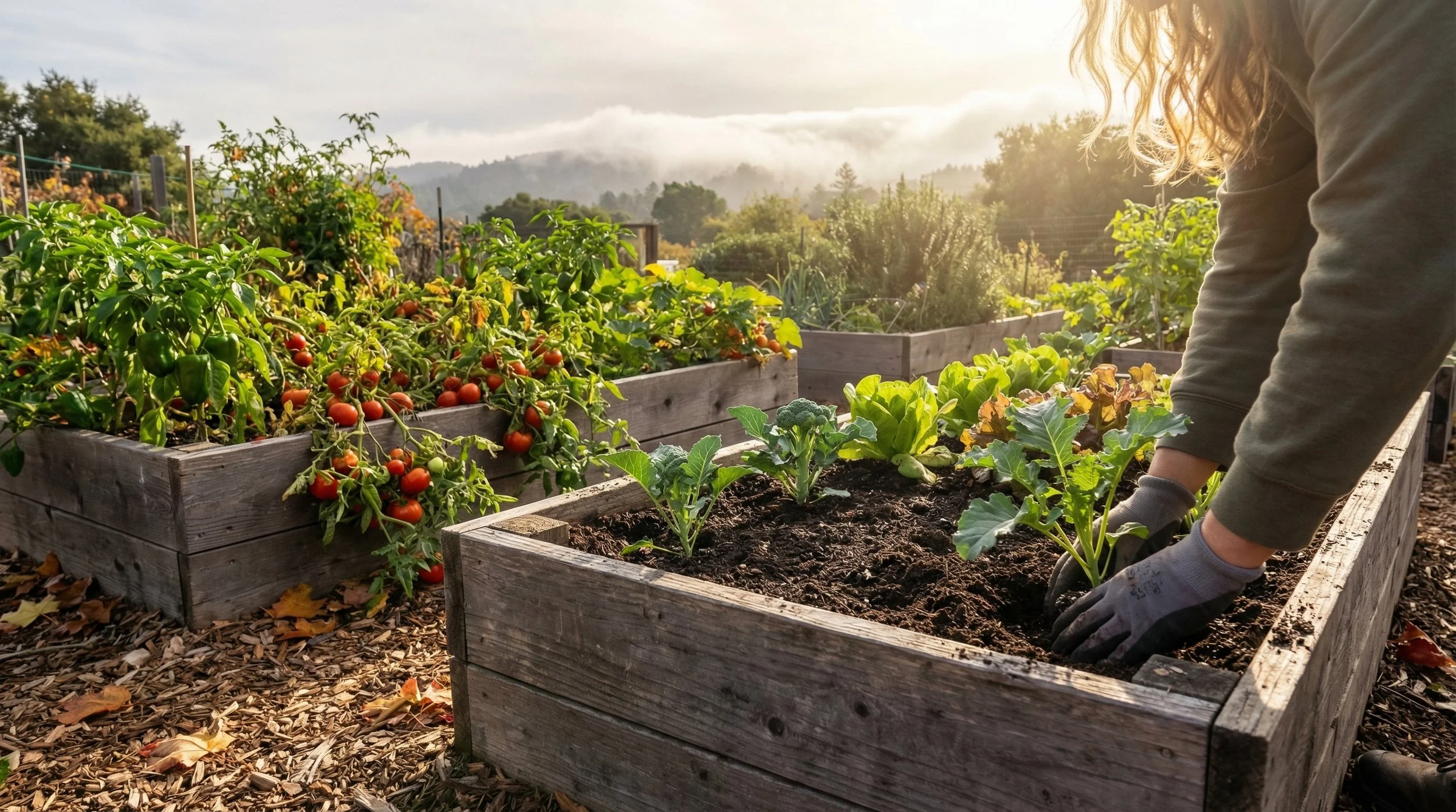
What Can I Plant in October in Santa Cruz?
October is one of the best planting months in Santa Cruz. Direct-seed peas, lettuce, radishes, and fava beans for fall and winter harvests.
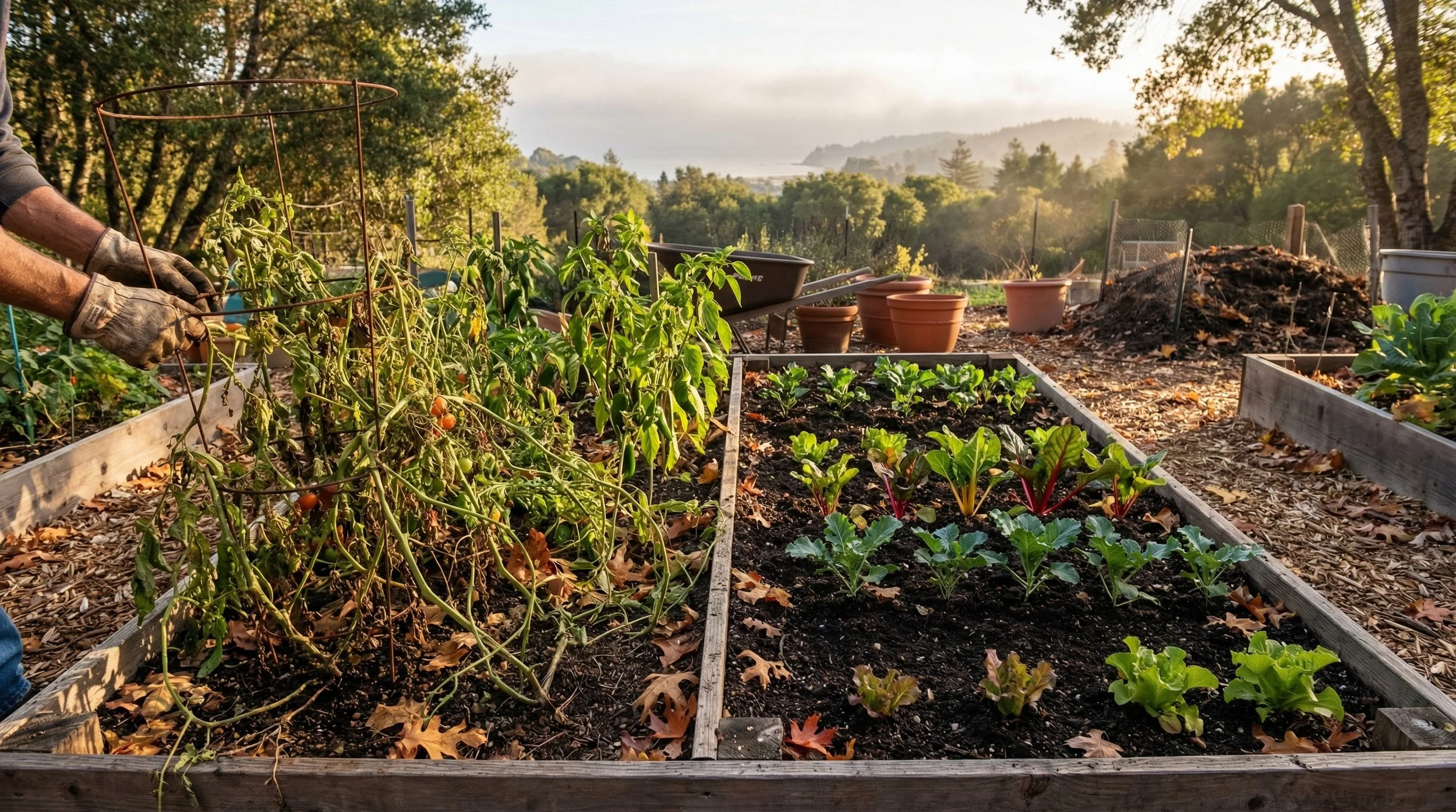
How Do I Transition My Summer Garden to a Fall/Winter Garden?
Transition your summer garden to fall by replacing spent crops one section at a time. Plant cool-season vegetables now for winter harvests in Santa Cruz.
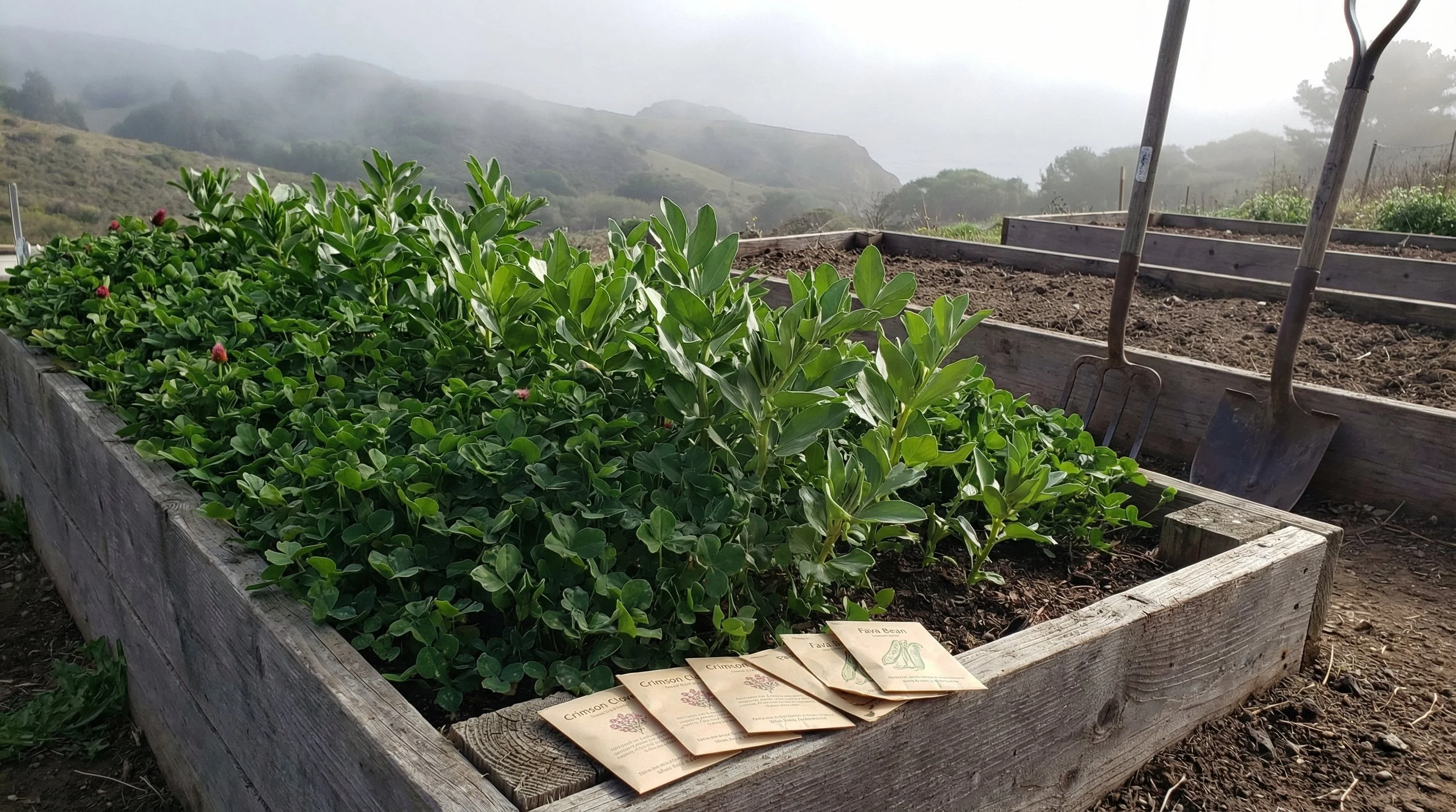
What Cover Crops Should I Plant in Fall in California?
Fava beans, crimson clover, and annual rye protect soil and add nutrients over winter. Plant them in October or November for healthier spring beds.
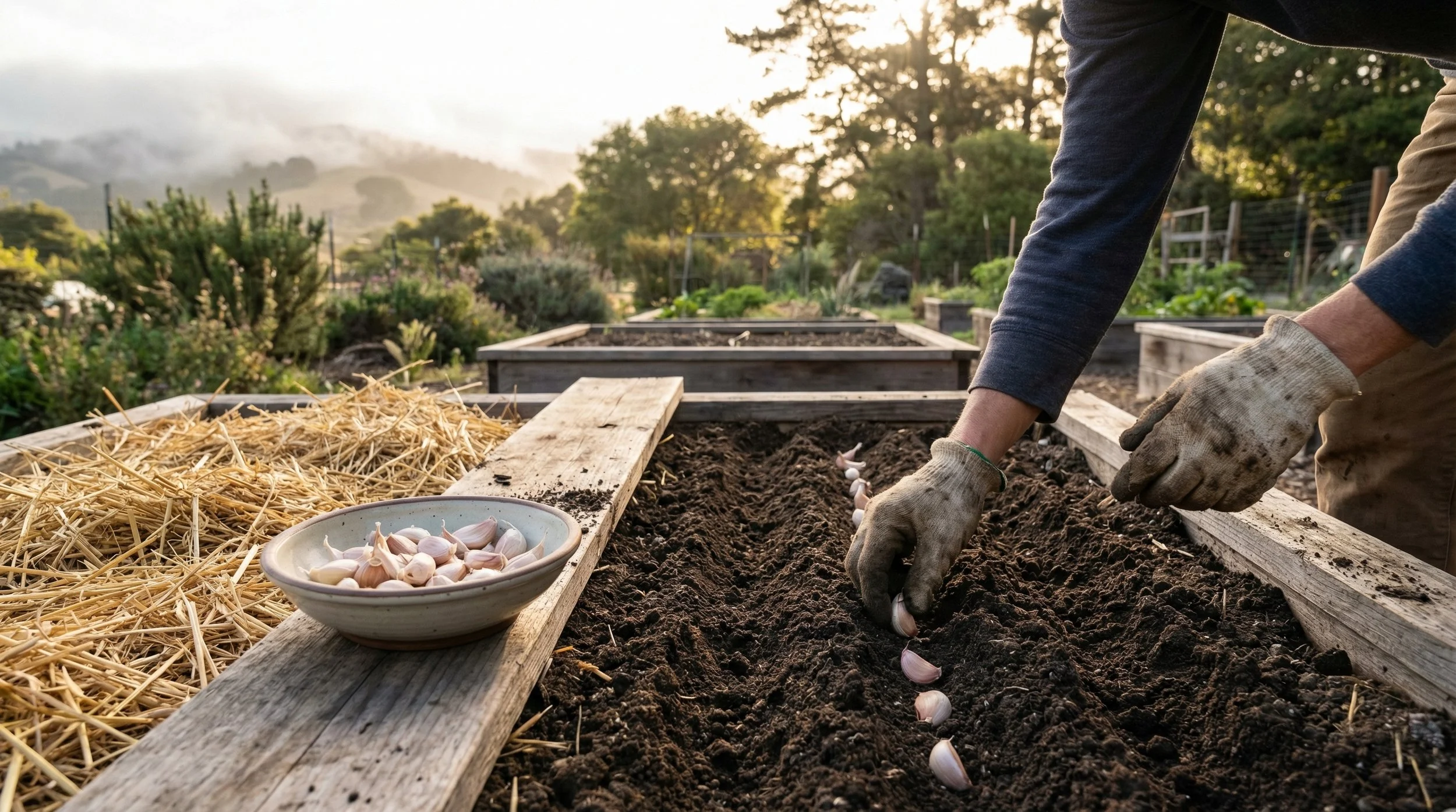
Can I Plant Garlic in Fall in Coastal California?
Plant garlic in October or November in Santa Cruz for full bulbs by early summer. Softneck varieties are the most reliable choice for coastal California.
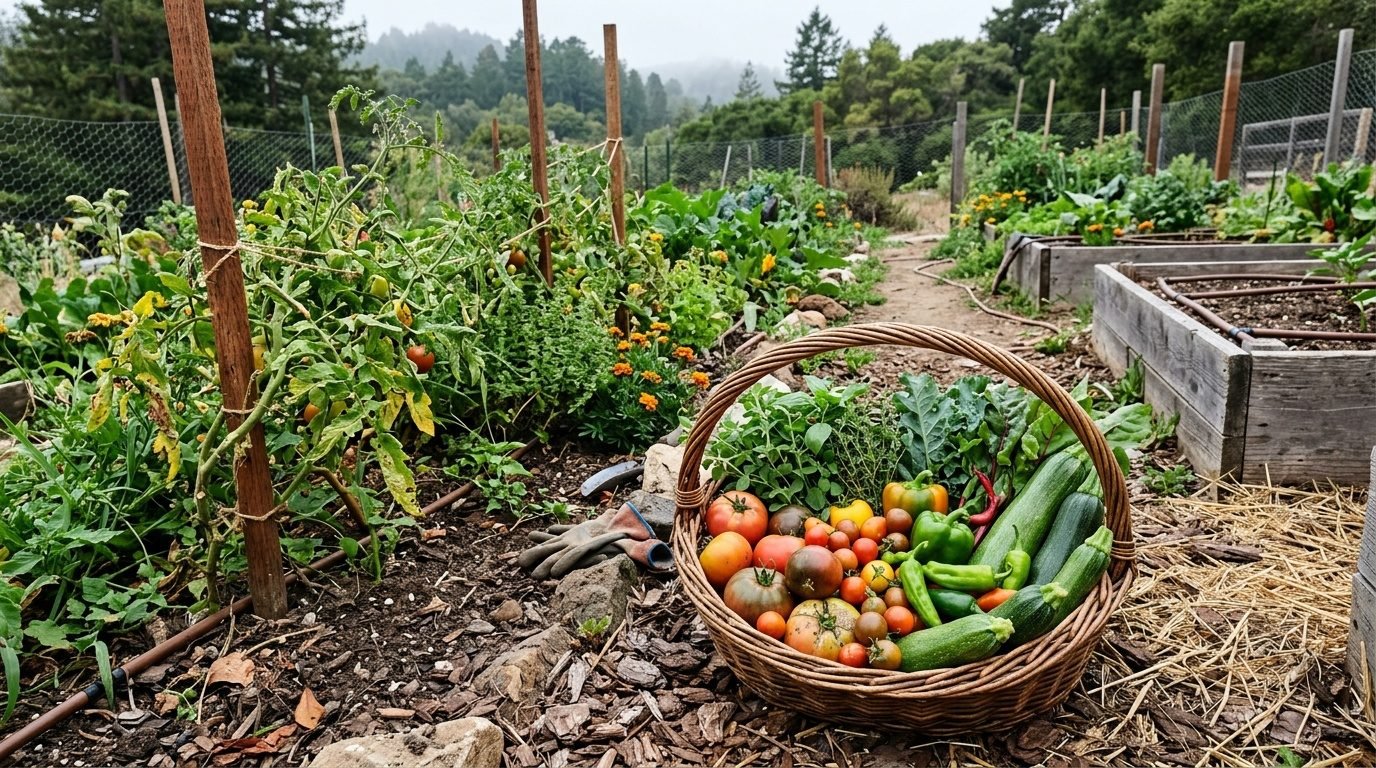
Your September Garden Checklist for Santa Cruz County
Your complete September garden checklist for Santa Cruz County. Cool-season planting, winter squash curing, cover crop sowing, and fall garden transition for every zone.
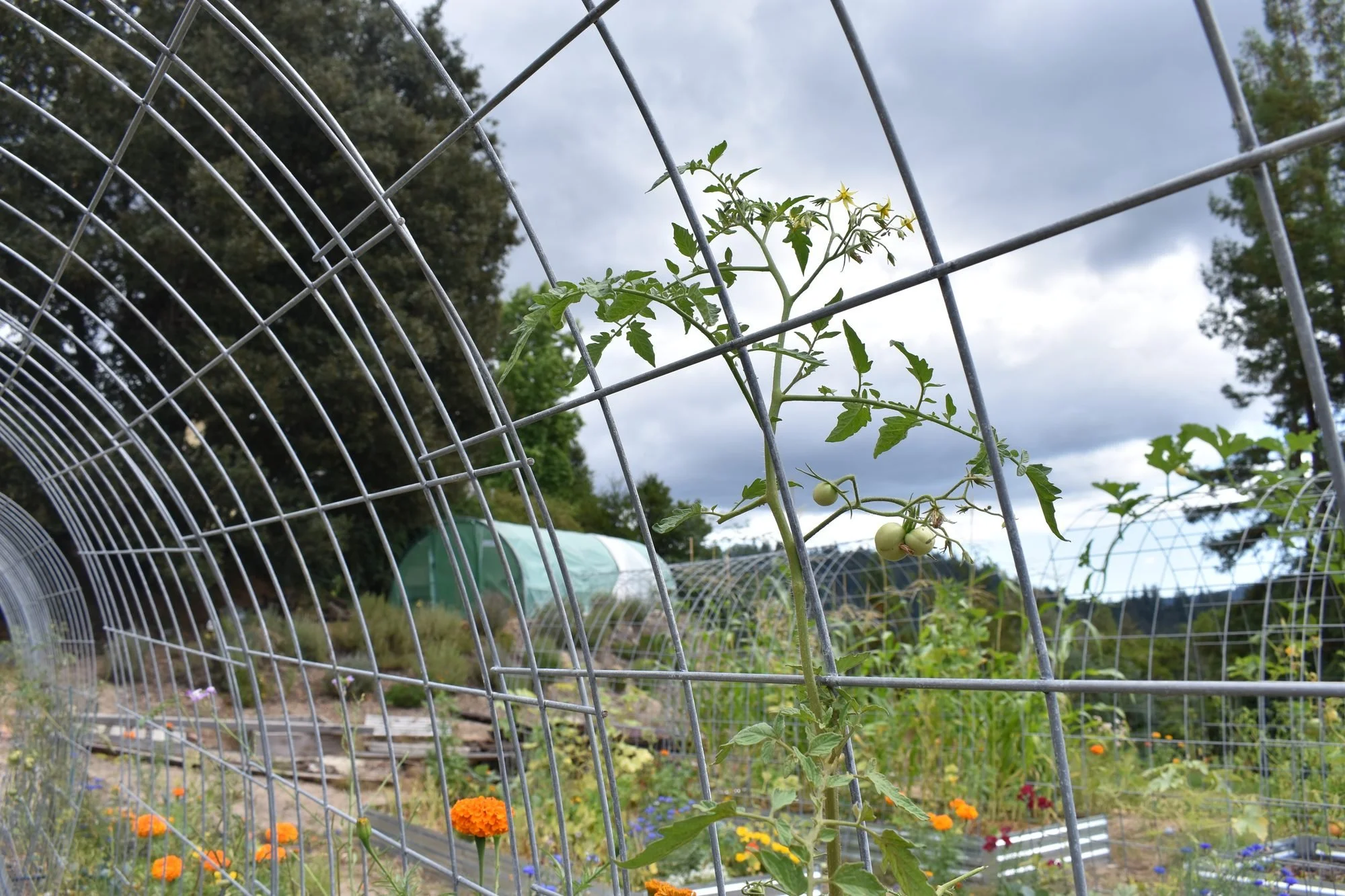
The First Rain Checklist for Santa Cruz County Gardens
Get your Santa Cruz County garden ready before the first real storm: slope mulch, drainage, irrigation timing, staking, and the weed germination window.
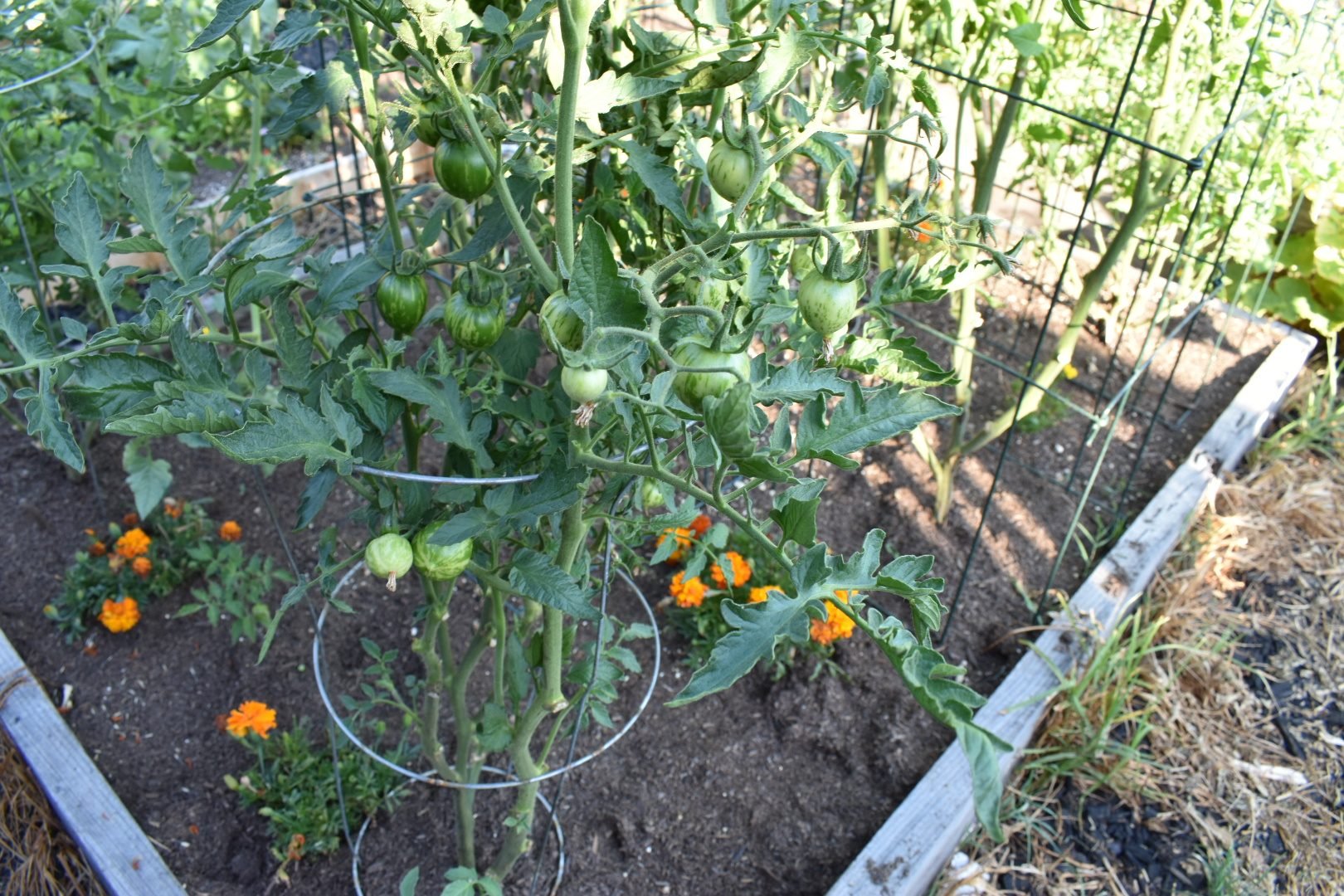
Plants That Repel Garden Pests in California: What the Evidence Actually Supports
Which pest-repelling plants work in a California garden? UC evidence on marigolds, scent masking, trap crops, and flowers that recruit beneficials.
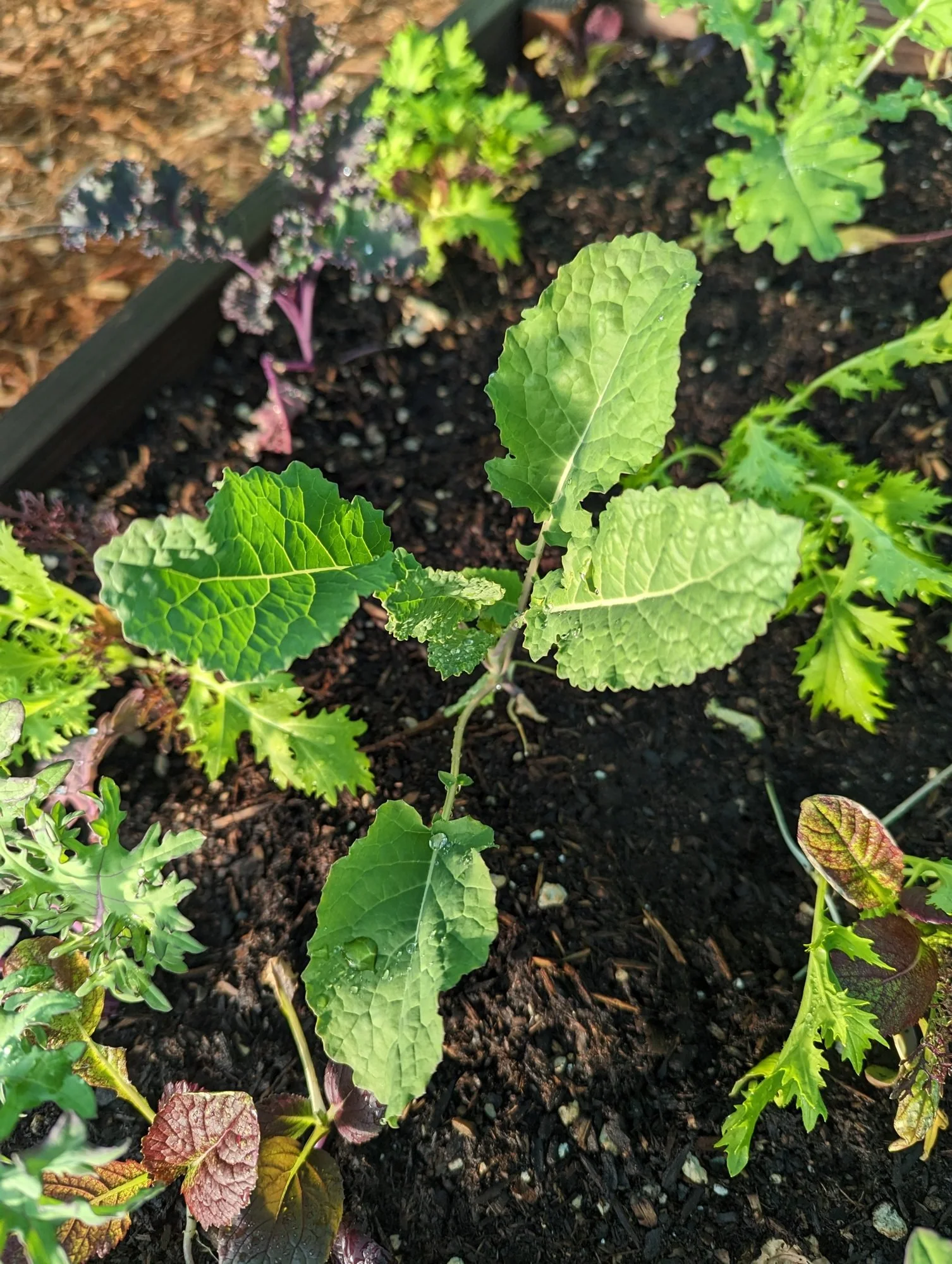
Building a Fall and Winter Garden in Coastal California: The Second Season Most Gardeners Skip
How to build a fall-winter vegetable garden in Santa Cruz County: what to plant Aug-Nov, seed vs transplant, the November 18 daylight deadline, bed prep.
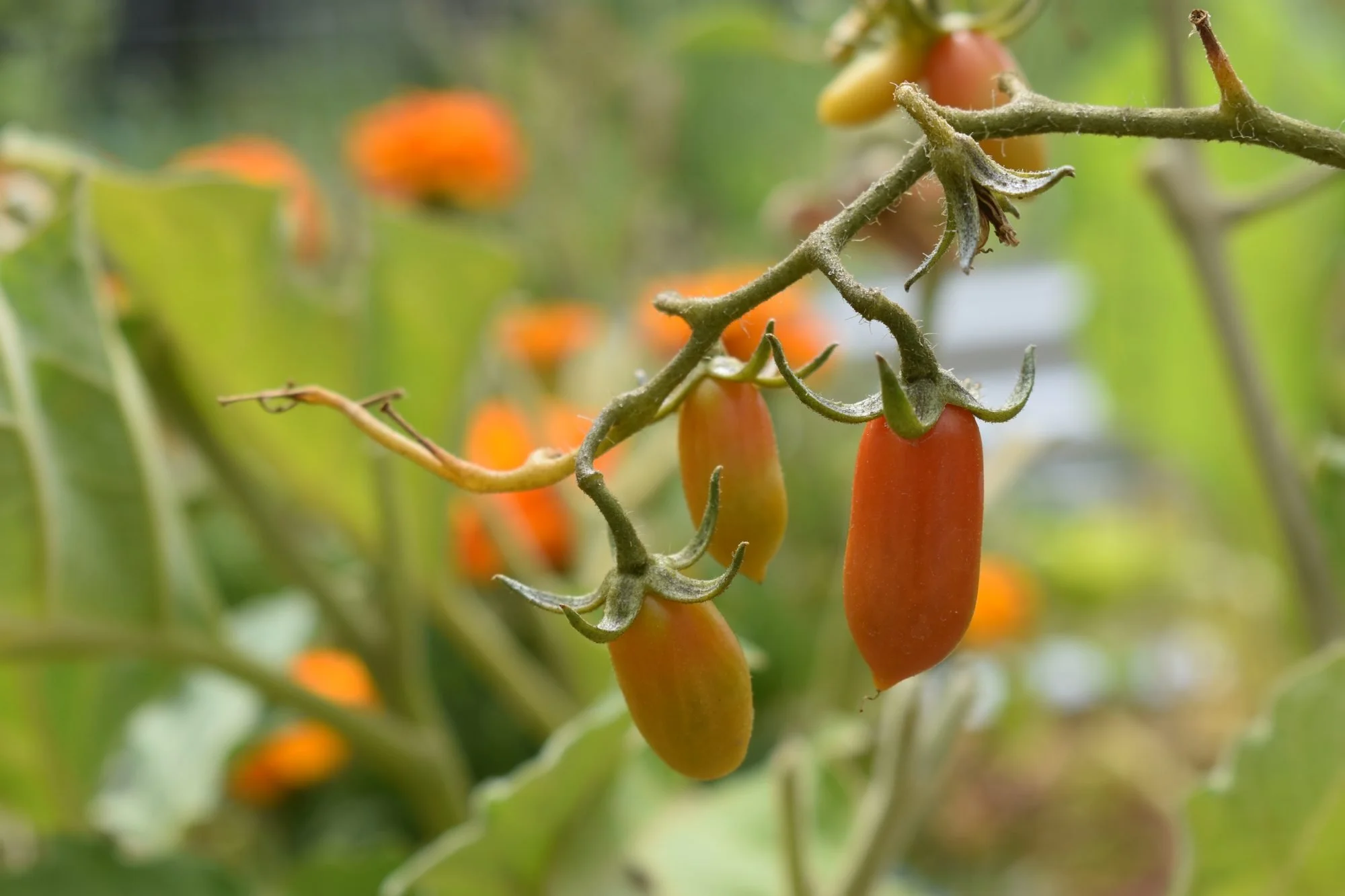
Canning and Preserving Tomatoes in California: A Safety-First Guide for Santa Cruz Gardeners
How to can tomatoes safely in Santa Cruz County: acidification, tested processing times from NCHFP, water bath vs pressure, and altitude adjustments.
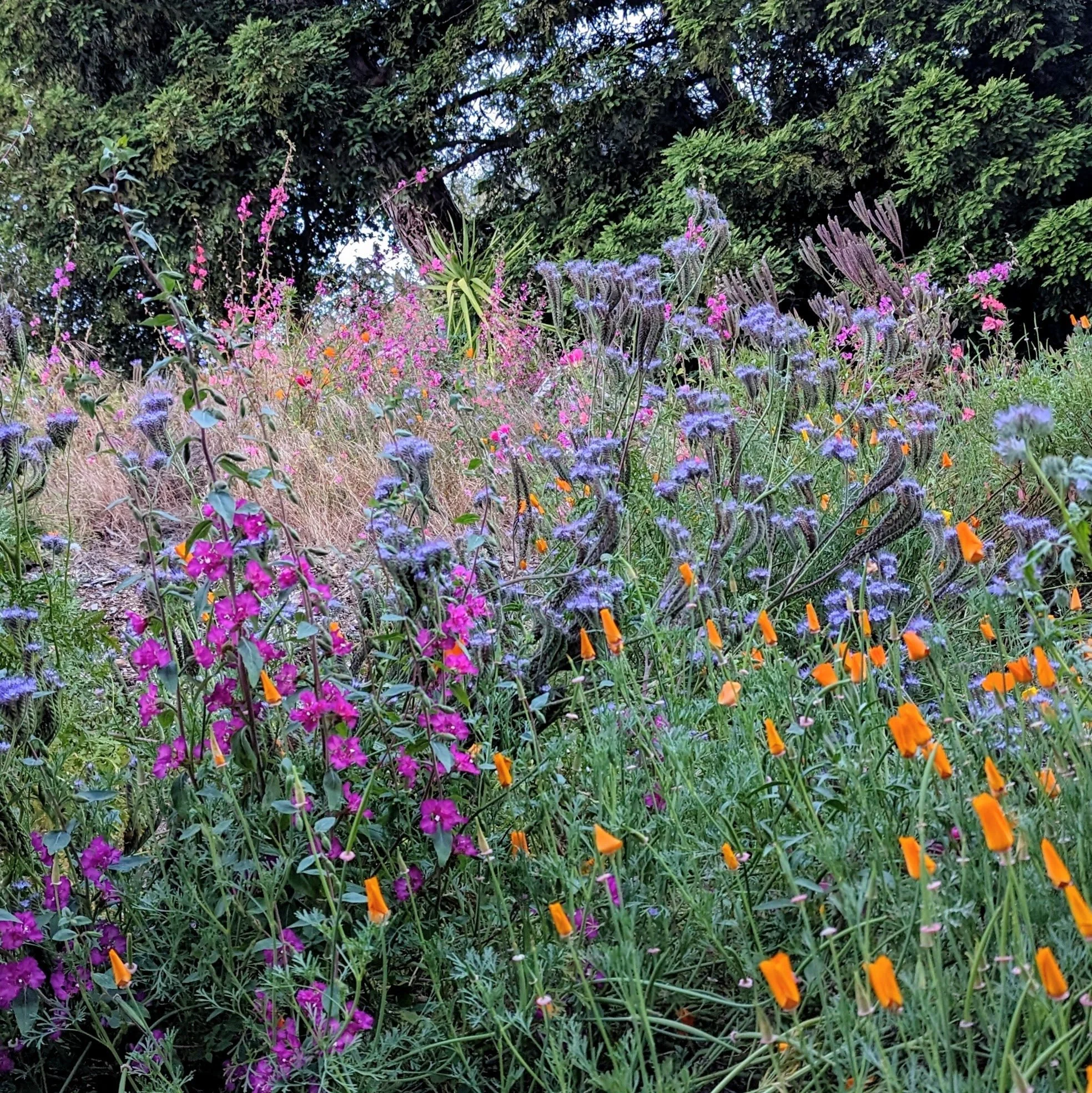
Sowing California Native Wildflower Seed With the First Fall Rains
Sow California native wildflower seed in Santa Cruz County from late October through November. Species picks, seedbed prep, and bird protection.
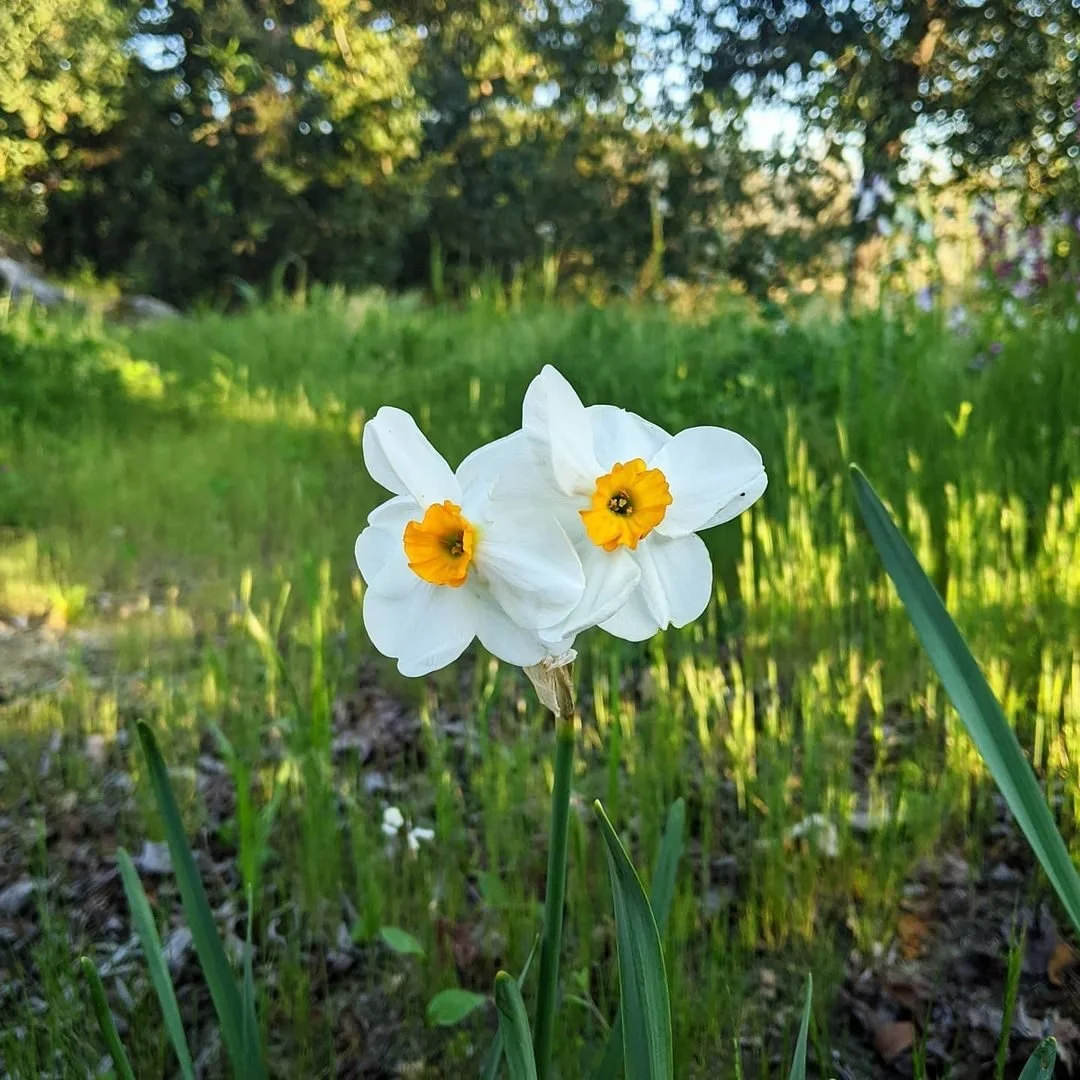
Planting Fall Bulbs on the California Central Coast: What Works, What Needs Chilling, and What the Gophers Will Find
What to plant Sep through Nov in Santa Cruz County: daffodils, freesia, ranunculus, anemone, sparaxis. Depths, chilling, drainage, gopher protection.
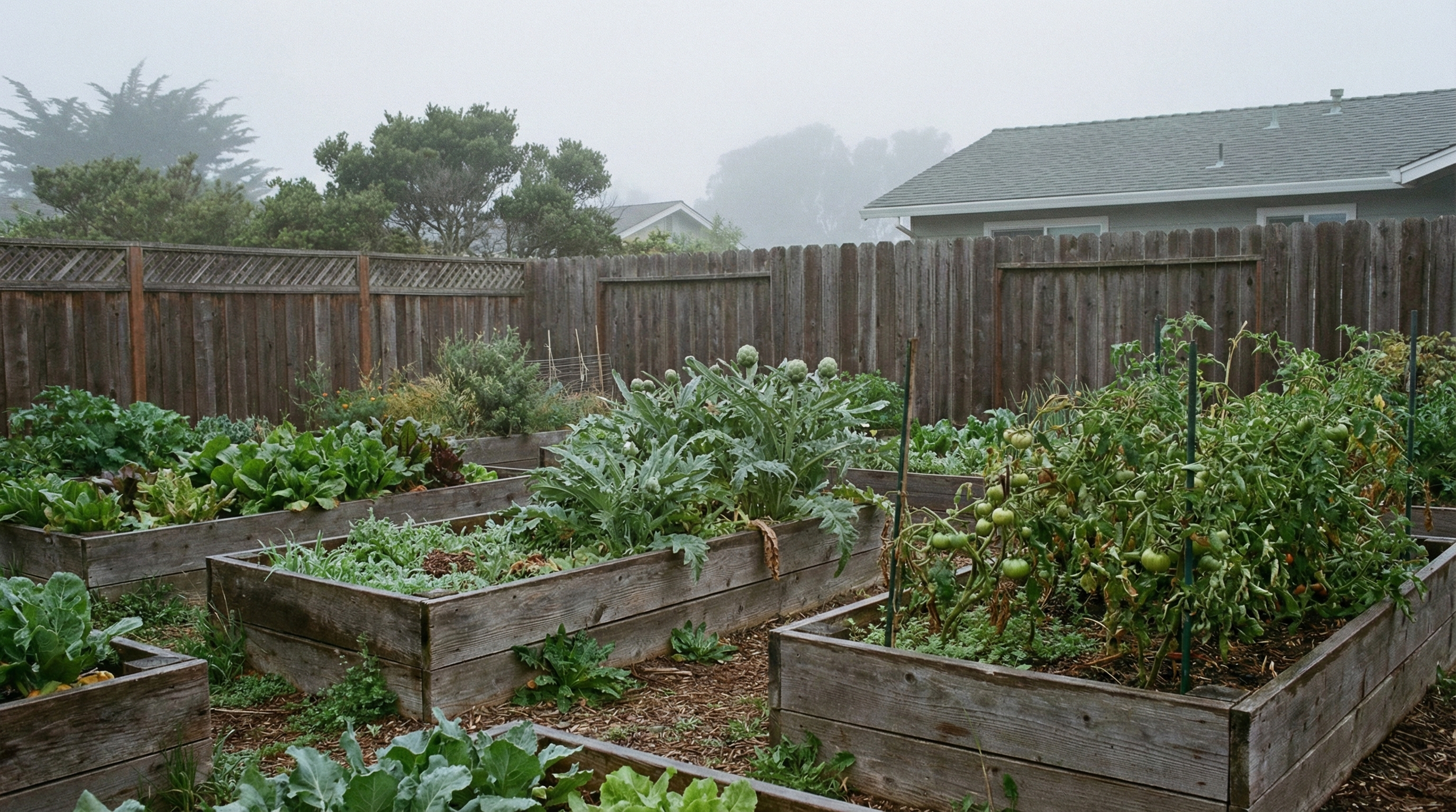
Are Tomatoes, Peppers and Cucumbers Really Drought-Tolerant?
They handle heat, but UC says tomatoes, peppers and cucumbers need water most at flowering and fruiting. Learn when you can cut back.
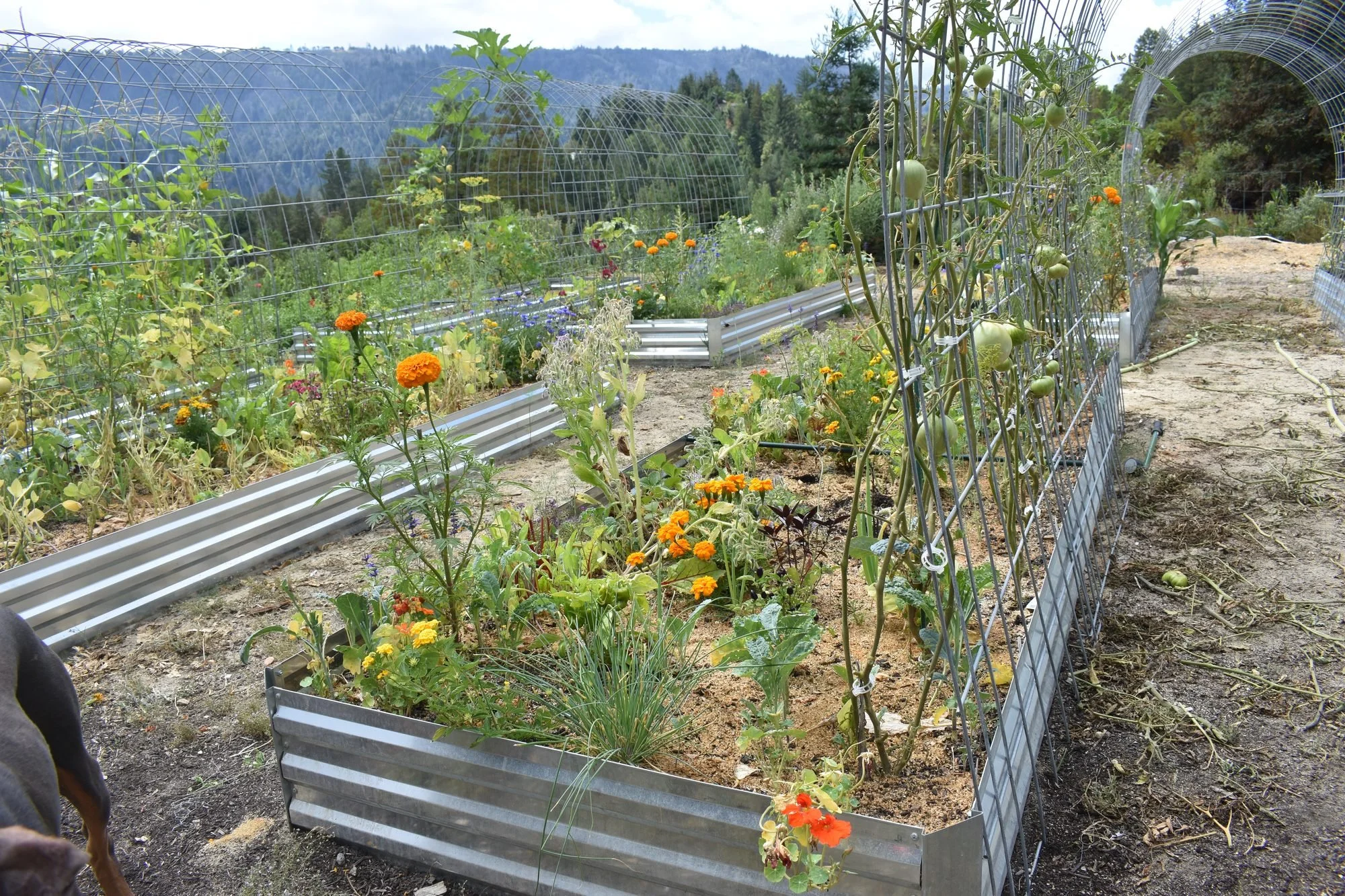
Your August Garden Checklist for Santa Cruz County
Your complete August garden checklist for Santa Cruz County. Fall crop planting, peak summer harvest, seed garlic ordering, and heat management for coastal and inland zones.
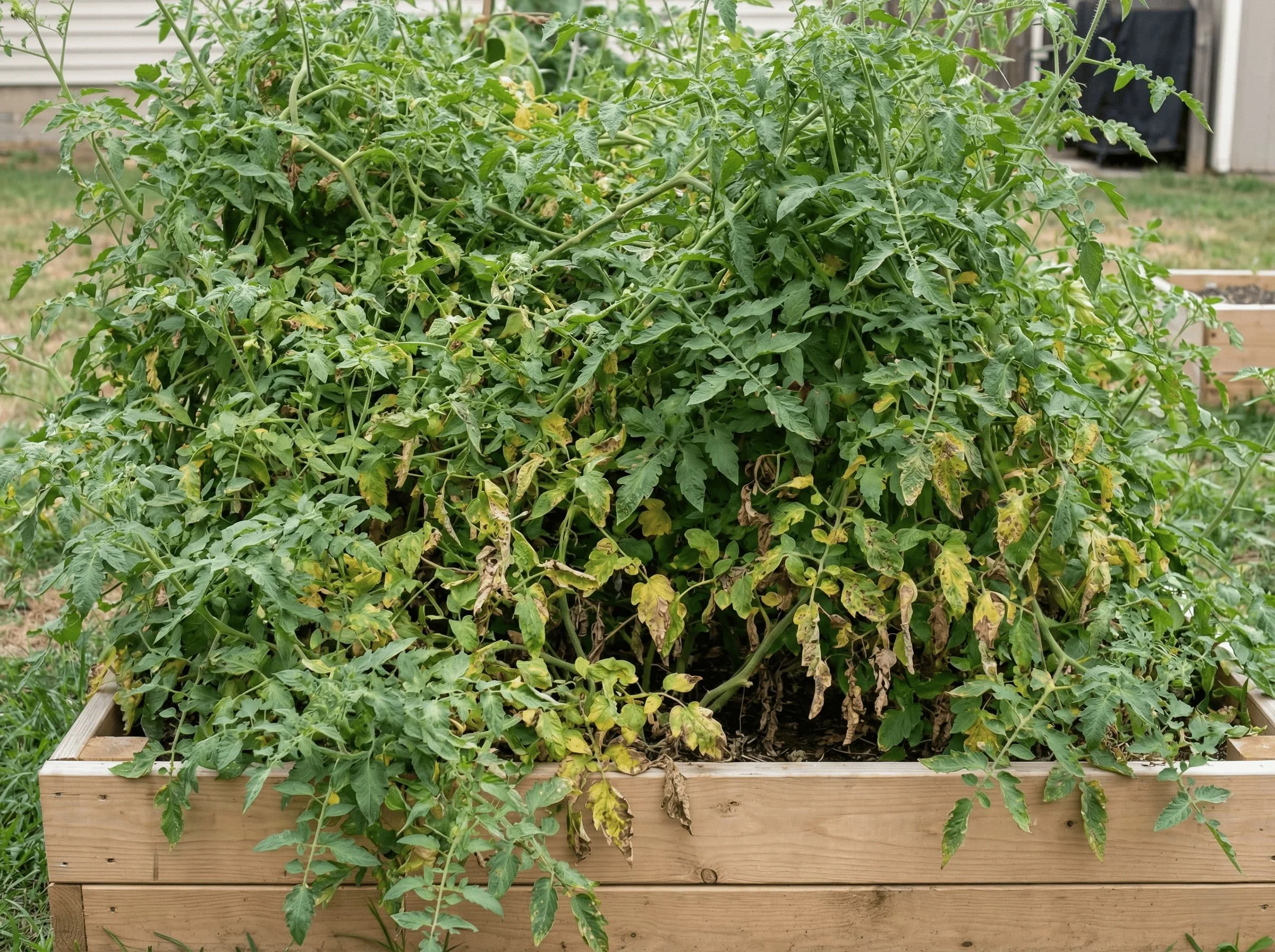
How Do I Deal with Powdery Mildew in My Coastal California Garden?
Powdery mildew loves coastal California's warm days and cool nights. Prevention through spacing and airflow works better than any spray treatment.
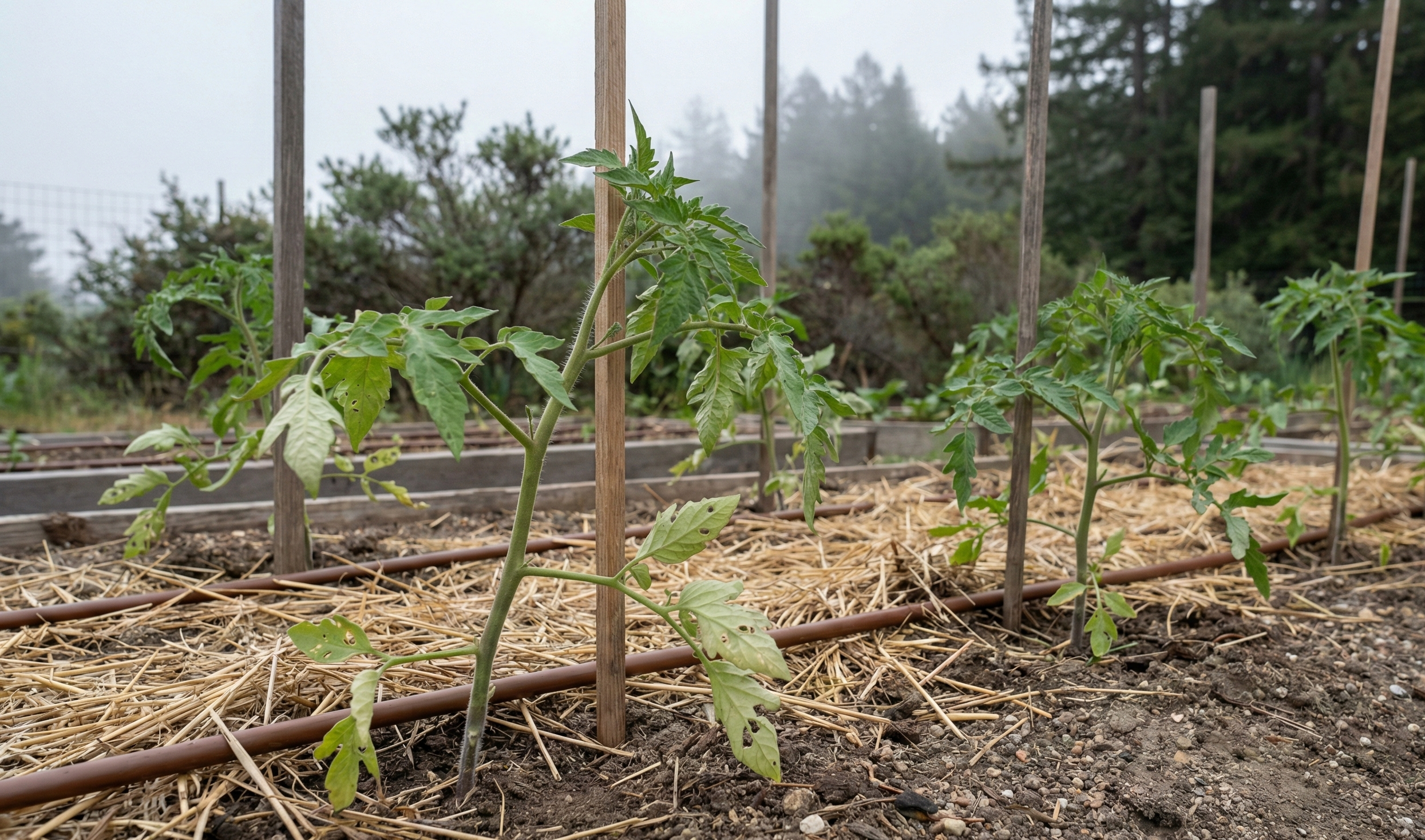
How Do I Keep My Garden Watered During a California Drought?
Mulch and drip irrigation are the two biggest water savers for California gardens. Here is how to set them up and stop wasting water this summer.