

What to Plant in Santa Cruz & the Bay Area in June
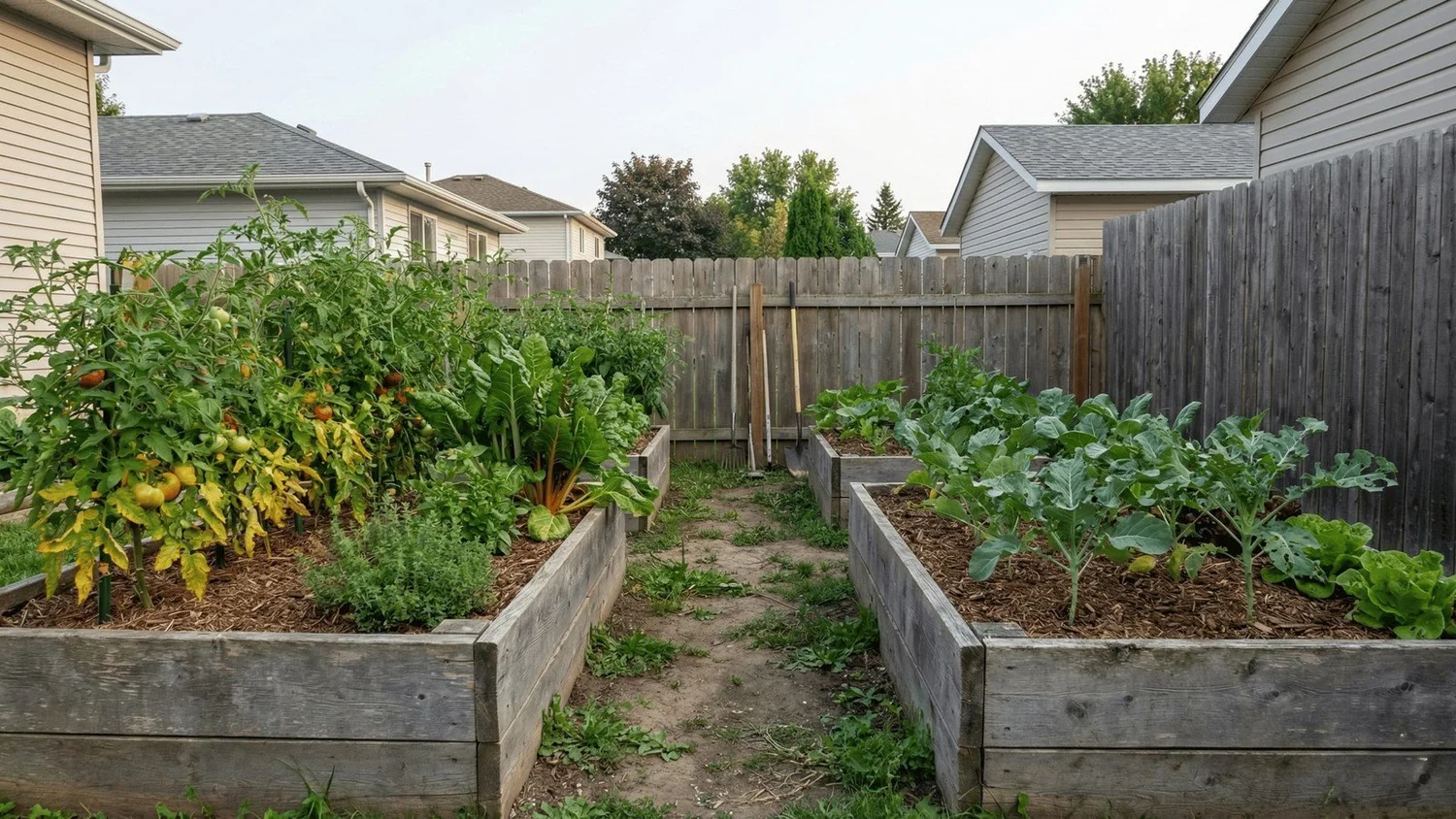
A summer vegetable garden in Scotts Valley, with mixed crops growing in established raised beds. Photo: Adrienne Gaughan / Ambitious Harvest Co
June is when the Santa Cruz County garden hits its stride. Your early plantings are starting to produce, warm-season crops are thriving, and there's still time to squeeze in more summer vegetables.
This is also the month when many gardeners make a critical mistake: they stop planting. Don't! June is still prime planting time for many crops, especially if you're practicing succession planting for continuous harvests.
Why Does June Still Matter for Planting?
Yes, we're well into the growing season. But beans, cucumbers, squash, and many herbs can still go in the ground and produce abundantly before fall. And if you're smart about it, you can start planning and planting for your fall garden while your summer crops are still growing.
June is also the last good month for planting basil, the first good month for starting certain fall crops, and an excellent time to fill any gaps in your summer garden. According to the UC Master Gardener Program, California's unique climate allows many vegetable crops to be grown throughout the year, but planting at the right time for each crop is essential for optimum yield.
What Should You Direct Seed in June?
Warm-Season Crops
Beans (bush and pole): Blue Lake, Kentucky Wonder, Provider. Succession plant every 2 to 3 weeks for continuous harvest through fall. Bush varieties produce faster (50 to 60 days); pole varieties produce longer.
Cucumbers: Marketmore, Lemon, Armenian. Direct seed now for July and August harvest. Provide trellis for best production.
Summer squash and zucchini: Black Beauty, Costata Romanesco, Yellow Crookneck. Plant in succession to replace aging plants as summer progresses. For tips on pairing squash with complementary crops, see our companion planting guide.
Corn (early June only): Early Sunglow, Bodacious, Peaches and Cream. Needs warm soil and long season. Plant in blocks of at least 4 rows for pollination.
Sunflowers: Mammoth, Autumn Beauty, Teddy Bear. Plant for late summer color and pollinator support.
Herbs
Basil: Genovese, Thai, Lemon. Last chance for robust summer harvest. Plant now and pinch regularly for bushy growth.
Cilantro: Slow-bolt varieties like Calypso or Long Standing. Will still bolt in heat, but slower. Plant in afternoon shade.
Dill: Fernleaf, Bouquet. Direct seed for summer harvest. Let some plants flower for beneficial insects.
Fall Crops to Start Now
Beets: Detroit Dark Red, Chioggia, Golden. Direct seed for fall harvest. Beets handle warm soil better than carrots.
Carrots: Nantes, Scarlet Nantes, Danvers. Direct seed in consistently moist soil. Takes 2 to 3 weeks to germinate.
Lettuce: Heat-tolerant varieties only in June: Jericho, Nevada, Muir. Plant in afternoon shade. Standard lettuces will bolt.
Which Crops Should You Transplant in June?
For Most Areas
Tomatoes (early June only): This is your deadline in most microclimates. Determinates like Celebrity finish before cold weather; indeterminates like Early Girl and Sungold produce until frost. For variety recommendations and growing tips specific to our area, see our guide to growing tomatoes in Santa Cruz.
Peppers (early June only): They take 80 to 100+ days from transplant to harvest. Late June planting won't produce well before temperatures drop.
Eggplant (early June only): Ichiban, Black Beauty, Rosa Bianca. Needs consistent warmth. Early June is your deadline.
Basil: Transplants establish faster than seeds. Plant throughout June.
For Warm Microclimates
If you're in sunny mountain ridges (Boulder Creek chaparral, Ben Lomond sunny exposures) or Watsonville, you can push the season:
Fast-maturing tomatoes: Early Girl (50 days), Stupice (55 days), Fourth of July (49 days), Sungold (57 days) can be planted through early July for September and October harvests.
Winter squash: Butternut, Delicata, Acorn. Less frost-sensitive than cucumbers or melons.
Beans: Keep succession planting through July and into August for extended harvest.
Skip Late Planting
Peppers: Too slow to establish and produce. If you missed the window, buy from farmers markets this year and plan for next.
Melons: Too frost-sensitive. Need to be well-established by now.
Cucumbers: Frost-sensitive and declining day length will limit production on late plantings. Winter squash is hardier.
What Seeds Should You Start Indoors in June?
Yes, already! If you want a productive fall garden, start these indoors now:
Broccoli: De Cicco, Calabrese, Waltham. Start indoors now for August transplanting and fall harvest.
Cauliflower: Snow Crown, Amazing. The most finicky brassica. Start now for fall heads.
Cabbage: Copenhagen Market, Red Express, Savoy. Start indoors for August transplanting.
Kale: Lacinato, Red Russian, Winterbor. The most forgiving brassica. Can also direct seed in July.
Brussels sprouts: Long Island Improved, Catskill. Longest season of the brassicas (90 to 100+ days). Start now for winter harvest.
What Can You Harvest in June?
This is harvest heaven:
Strawberries: Still going strong. Everbearing varieties will produce through fall.
Peas: Last of the season. Sugar snap and snow peas finishing up.
Fava beans: Finish harvesting. Plants are declining in heat.
Beets: Spring-planted beets are ready. Harvest when 2 to 3 inches in diameter.
Carrots: Spring-planted carrots reaching maturity. Pull when shoulders show above soil.
Summer squash and zucchini: Just starting. Harvest young (6 to 8 inches) for best texture.
Cucumbers: Just starting. Daily harvest prevents oversized, seedy fruit.
Early tomatoes: In warm areas, early varieties like Sungold and Early Girl are ripening.
Herbs: Basil (harvest heavily to prevent flowering), cilantro (before it bolts), dill, parsley.
Berries: Blackberries, blueberries, raspberries in various stages depending on variety.
What Garden Tasks Should You Tackle in June?
Succession plant beans, cucumbers, and squash for continuous harvest. Every 2 to 3 weeks is ideal.
Start fall brassicas indoors. This is critical for fall garden success.
Mulch heavily. Our dry season is here. Apply 3 to 4 inches around established plants.
Monitor water closely. June can be hot and dry. Established plants need deep watering 2 to 3 times per week. The UC Master Gardener Program recommends fewer deep waterings over more frequent shallow ones, as this encourages stronger root development. For more on efficient watering strategies, see our water-wise gardening guide.
Stake and support growing tomatoes and cucumbers. Cages, stakes, or trellises prevent disease and make harvest easier.
Harvest regularly to encourage more production. Picking squash, beans, and cucumbers signals plants to produce more.
Watch for pests. Aphids, caterpillars, and gophers are active. Hand-pick caterpillars, spray aphids off with water.
Side-dress heavy feeders with compost. Tomatoes, peppers, squash, and corn benefit from mid-season feeding.
Prune tomato suckers on indeterminate varieties to direct energy to fruit production. As the UC Master Gardeners explain, training indeterminate plants to one or two main stems produces bigger tomatoes that ripen earlier.
Order garlic for October planting. Popular varieties sell out by late summer.
How Does Your Microclimate Affect June Planting?
Coastal (Aptos, Capitola, Santa Cruz, Live Oak)
Your tomatoes are finally warming up! Marine layer keeps temperatures in the 65 to 75 degree range, which is comfortable but not ideal for heat-loving crops. Keep succession planting beans and cucumbers through June. Early June is your deadline for tomato transplants. Start thinking about fall brassicas. Your mild temperatures mean you can grow lettuce longer than inland gardeners. To learn more about how your location shapes your growing conditions, read our guide to Santa Cruz microclimates.
Sunny Mountain Areas (Boulder Creek Ridges, Ben Lomond Chaparral, Scotts Valley Hills)
You're in the sweet spot for warm-season crops. Everything thrives now in 80 to 95 degree daytime temperatures. Your long warm season means you can plant fast-maturing tomatoes even into early July, succession plant corn through mid-July, and keep planting beans through August. This extended season is your advantage. Make the most of it.
Under Redwoods (Felton Canyons, Shaded Areas)
Focus on shade-tolerant crops and herbs. This is not your peak tomato zone, but greens, chard, cucumbers, and beans can work in partial sun (4 to 6 hours). Your cooler temperatures (70 to 80 degrees) are good for extending spring crops like lettuce and peas. Consider your shade an asset for greens as inland areas struggle with heat.
Inland Valleys (Scotts Valley, Soquel)
Excellent conditions for almost everything at 75 to 85 degrees. Keep succession planting for continuous harvest. Similar season length to sunny mountain areas. Your moderate conditions are forgiving of both cool-season holdovers and new warm-season plantings.
Watsonville and Pajaro Valley
Peak growing conditions at 75 to 90 degrees with agricultural warmth. You can push the season and plant warm-season crops (including fast-maturing tomatoes) into early July. Succession plant beans, corn, and squash for extended harvests. Your longer warm season means varieties that struggle elsewhere thrive here.
What Is the June Pivot: Summer to Fall Planning?
June is the month when smart gardeners start planning for fall. While you're still harvesting and planting summer crops, you're also starting seeds indoors for fall brassicas and thinking about what you'll plant when tomatoes and peppers wind down.
This is the overlap strategy: never let your garden sit empty.
Your fall brassicas (broccoli, cauliflower, cabbage, Brussels sprouts) need to be started indoors in June for transplanting in August. If you wait until August to start seeds, many won't have time to mature before winter's short days slow growth to a crawl.
Local Resources for June Planting
Transplants and Seeds
Sierra Azul Nursery (2660 E. Lake Avenue, Watsonville) carries warm-season vegetable transplants and is well-stocked in June.
San Lorenzo Garden Center (235 River Street, Santa Cruz) has tomato, pepper, and squash transplants plus seeds for succession planting.
Mountain Feed & Farm Supply (9550 Highway 9, Ben Lomond) stocks seeds and transplants for summer and fall planting.
Dig Gardens (420 Water Street, Santa Cruz and 7765 Soquel Drive, Aptos) carries herb transplants and some vegetable starts.
Renee's Garden Seeds (Felton-based) has excellent bean, cucumber, and fall brassica seeds suited to our climate.
Love Apple Farms Plant Sale
If you're lucky enough to catch Love Apple Farms' annual plant sale (typically spring), their heirloom tomato and pepper starts are specifically selected for our climate. Worth the drive to Scotts Valley.
Farmers Markets
Local farmers markets often sell vegetable starts in June:
Downtown Santa Cruz (Wednesday, Cedar and Cathcart)
Westside Santa Cruz (Saturday, Western Drive and Mission)
Felton (Tuesday, seasonal, 120 Russell Avenue)
Scotts Valley (Saturday, seasonal, 360 Kings Village Road)
UC Cooperative Extension
The UC Master Gardeners of Santa Clara County Vegetable Planting Chart provides month-by-month planting times for warm and cool-season vegetables in the greater Bay Area. The UC Master Gardener Vegetable Planting Guide (PDF) is another excellent reference for timing your summer and fall plantings.
Where to get seeds: For varieties that do well in our climate, we like Seeds Now, a California company selling non-GMO, open-pollinated, and heirloom seed. (Affiliate link, see our disclosure.)
Frequently Asked Questions About June Planting
Is it too late to plant tomatoes in June?
It depends on your microclimate. In coastal and cooler areas, early June is your deadline for most varieties. In warm microclimates (sunny mountain ridges, Watsonville), you can plant fast-maturing varieties (60 to 70 days) like Early Girl, Stupice, Fourth of July, or Sungold through early July. They'll produce in September, October, and into November.
Why is everything in my garden bolting?
Cool-season crops like lettuce, arugula, cilantro, and broccoli bolt (flower and go to seed) when temperatures rise and days get longer. This is a natural response to heat and light, not a sign you did something wrong. Pull bolted plants and replace them with warm-season crops. Save seed from your best performers if you want.
When should I transplant the brassicas I'm starting indoors?
Wait until August or early September. Brassica transplants can't handle June and July heat. You're starting them indoors now so they're ready when conditions cool. They'll grow slowly indoors or in a shaded spot, then take off when temperatures moderate.
How often should I water in June?
Deeply and less frequently is better than shallow and daily. Most established plants need deep watering 2 to 3 times per week, allowing soil to dry between waterings. Newly planted seeds and transplants need more frequent attention, sometimes daily until established. Mulch heavily to conserve moisture.
Can I still plant peppers in June?
Early June is the absolute deadline, and only if you can find good-sized transplants. Peppers need 80 to 100+ days from transplant to harvest. June-planted peppers may produce a few fruits before cold weather, but won't be as productive as earlier plantings. If you missed the window, buy peppers at farmers markets this year and plan earlier next season.
My cucumbers and squash have flowers but no fruit. What's wrong?
You're seeing male flowers, which appear first. Female flowers (with a small fruit behind the bloom) come later. Be patient. Once female flowers appear, pollination happens naturally if you have bees visiting. If fruit still doesn't set, hand-pollinate by transferring pollen from male to female flowers with a small brush.
Should I remove tomato suckers?
For indeterminate (vining) tomatoes, removing suckers directs energy to fruit production rather than vegetative growth. Pinch out suckers that appear in the "armpit" between the main stem and branches when they're small. Determinate (bush) tomatoes don't need suckering as they have a set growth pattern.
What's the best way to succession plant beans?
Plant a new row or section every 2 to 3 weeks throughout June and July (and into August in warm microclimates). This staggers your harvest so you have fresh beans for months rather than a single overwhelming harvest. Bush beans produce for 2 to 3 weeks; pole beans produce longer but are worth succession planting anyway.
Free Gardening Resources
Seasonal Planting Calendar: Month-by-month planting guide with June deadlines and succession planting timing.
Vegetables by Season: Quick reference for which crops to plant in early summer.
Know Your Microclimate Worksheet: Determine whether you're in a warm or cool microclimate for June planting decisions.
Companion Planting Guide: What to plant alongside your tomatoes, beans, and squash.
Keep Planting!
The biggest mistake I see in June is gardeners who think planting season is over. It's not! You have weeks left to succession plant beans, squash, and cucumbers for extended harvests. And you should already be thinking about fall.
Don't coast. Keep planting, keep harvesting, and keep your garden productive.
