

What to Plant in Santa Cruz & the Bay Area in May
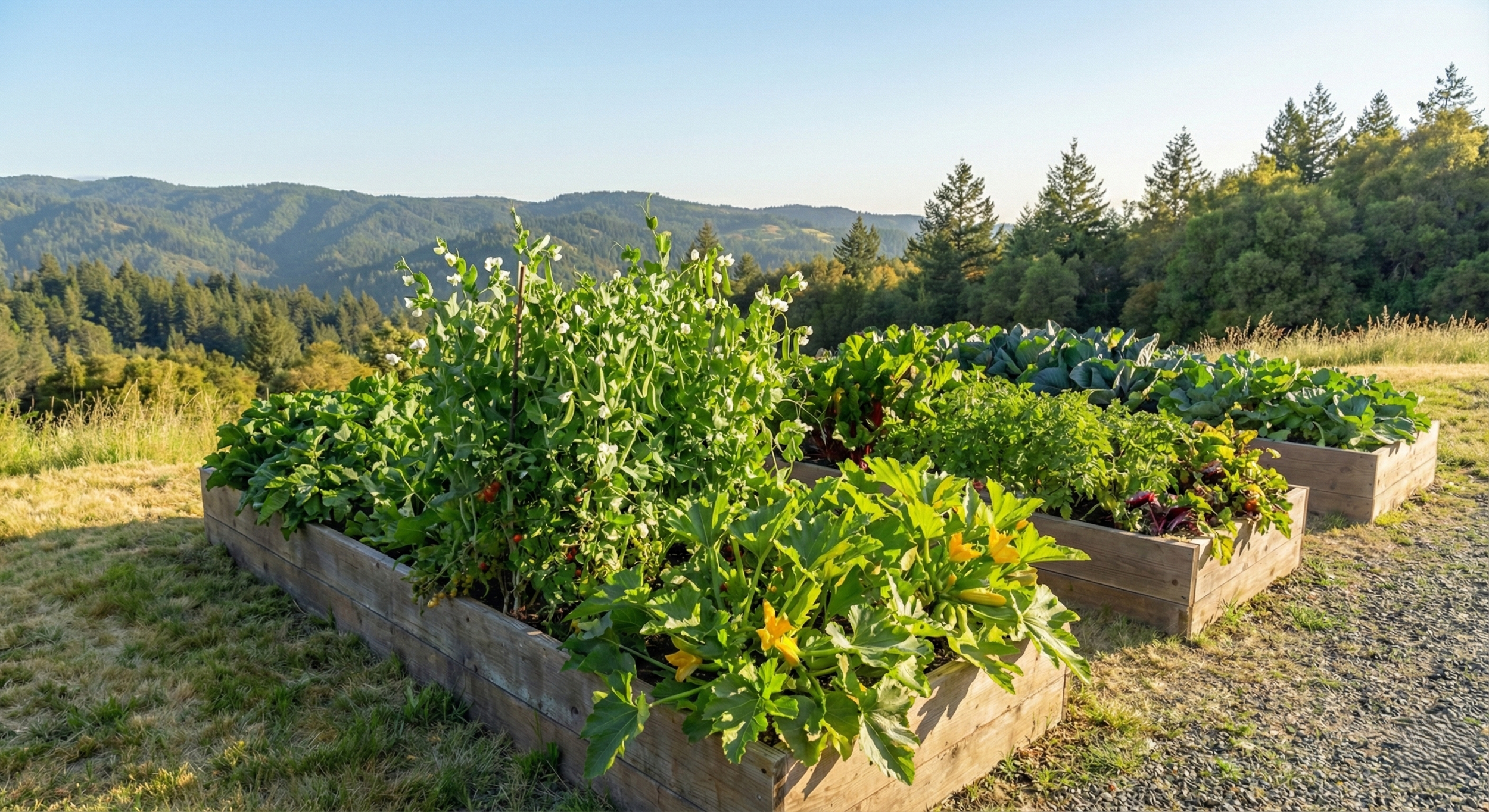
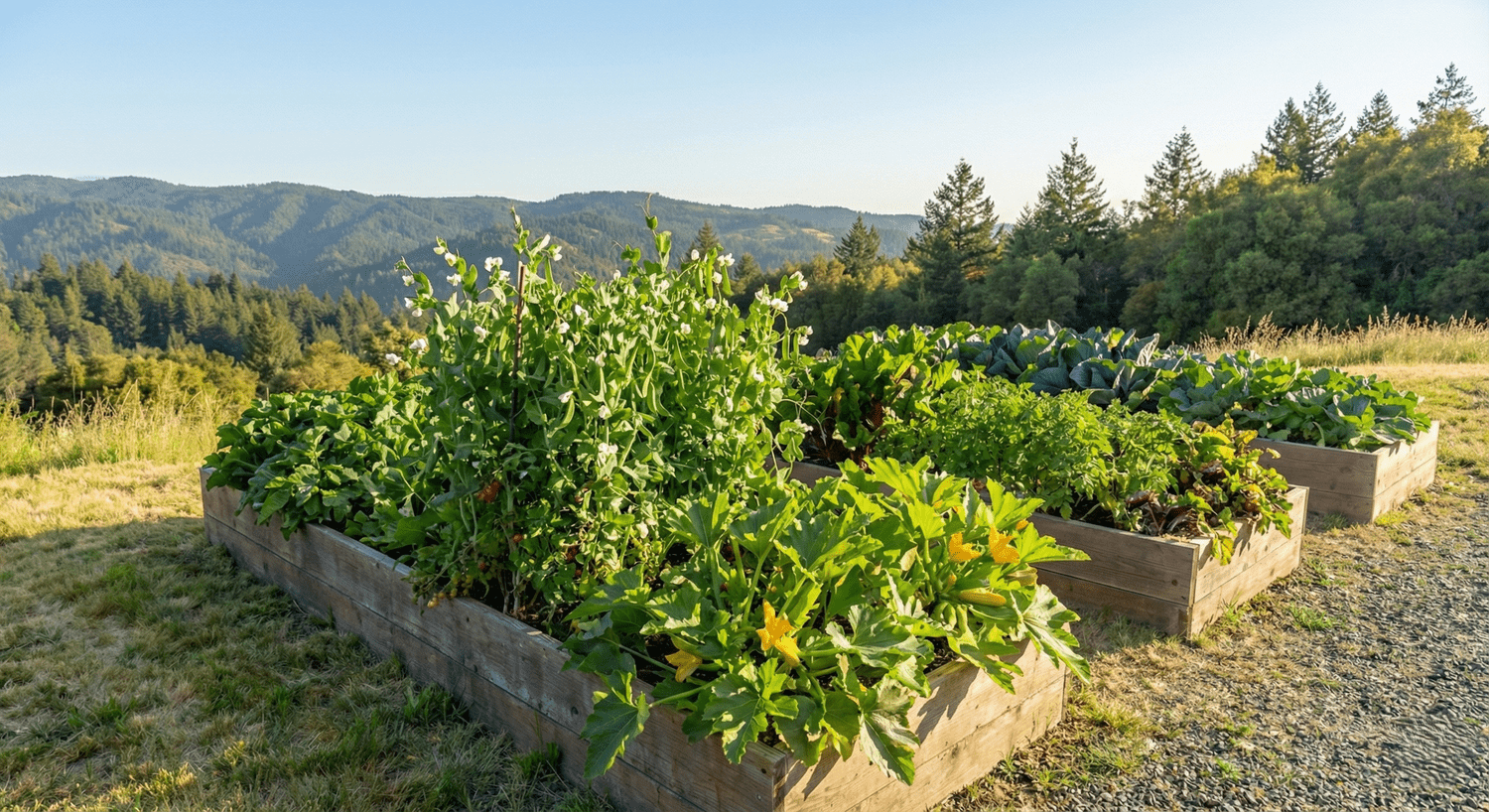
May is peak planting season in Santa Cruz County. The risk of frost is behind us (even in the mountains), the soil is warming up, and it's finally time to get all those warm-season crops you've been dreaming about into the ground.
This is also your last chance to plant many summer vegetables from seed or starts. If you wait much longer, you'll miss the window for a full harvest before fall.
Why May Is Magic
By May, even our coolest microclimates are warm enough for tomatoes, peppers, squash, and beans. The soil temperature has risen above 60°F in most areas, which is critical for warm-season seed germination. And we still have months of growing season ahead before the first fall rains.
If you started seeds indoors in February and March, your tomato and pepper starts should be ready to transplant now. If you didn't start seeds, don't worry-nurseries are fully stocked with warm-season starts in May.
Direct Seed These in May
Warm-Season Vegetables
Beans (bush and pole)
Corn
Cucumbers
Squash (summer and winter)
Zucchini
Pumpkins (early May for Halloween harvest)
Melons (especially in warmer areas)
Sunflowers
Herbs
Basil
Cilantro (last call-it will bolt in June heat)
Dill
Quick Cool-Season Crops
Lettuce (shade it from afternoon sun)
Arugula (choose bolt-resistant varieties)
Transplant These in May
Must-plant now:
Tomatoes (all varieties)
Peppers (hot and sweet)
Eggplant
Tomatillos
Ground cherries
Also good to transplant:
Basil
Cucumbers (if you started indoors)
Squash and zucchini (if you started indoors)
Melons (if you started indoors)
Succession Planting in May
May is the perfect month to start thinking about succession planting-staggering plantings of the same crop so you have continuous harvests instead of everything ripening at once.
For all microclimates:
Bush beans every 2-3 weeks through July (even into August in warm areas)
Zucchini every 3-4 weeks (trust me, you don't need them all at once)
Basil every few weeks for fresh harvests all summer
Corn every 2-3 weeks for continuous harvest
For warm microclimates (sunny mountain areas, Watsonville): You have a longer season! You can succession plant:
Tomatoes: Plant early-season varieties in May, then plant a second round of fast-maturing tomatoes in June or even early July for fall harvest
Winter squash: Can be planted later (June/July) and still mature
Beans: Can succession plant through August
Corn: Can plant through mid-July
What NOT to succession plant late:
Peppers (take too long to establish and produce in late summer)
Melons (frost-sensitive, need early start)
Cucumbers (frost-sensitive, though hardier squash can go later)
What to Harvest in May
Depending on what you planted in winter and early spring:
The last of your cool-season greens (lettuce, arugula, spinach)
Peas (snap and snow)
Radishes
Beets
Carrots
Fava beans
Strawberries (peak season!)
Artichokes
May Garden Tasks
Transplant all warm-season starts (tomatoes, peppers, eggplant)
Direct seed beans, squash, cucumbers, and corn
Install supports for tomatoes, beans, and cucumbers NOW (easier before they're huge)
Mulch everything to conserve water as we head into summer
Set up irrigation if you haven't already-drip is best for summer crops
Side-dress heavy feeders like tomatoes with compost
Pull bolting cool-season crops and replant with warm-season varieties
Microclimate Adjustments
Coastal (Aptos, Capitola, Santa Cruz beaches, Live Oak): You can finally plant warm-season crops! Choose fog-tolerant tomato varieties like 'Early Girl', 'Stupice', or 'San Francisco Fog'. Heat-lovers like melons and basil will be slower here but will work. May is your main tomato planting month.
San Lorenzo Valley & Scotts Valley - Sunny Ridges/Chaparral (Boulder Creek mountains, Ben Lomond sunny exposures, Scotts Valley hills): This is your time to shine! Plant heat-loving crops like melons, eggplant, and hot peppers - they'll thrive in your warmer microclimate. You can succession plant tomatoes (early varieties now, late varieties in June/July for extended harvest). Your long, warm season is a huge advantage.
San Lorenzo Valley & Scotts Valley - Under Redwoods (Felton canyons, Ben Lomond shaded areas): Focus on shade-tolerant crops like lettuce, chard, and herbs. Skip the tomatoes unless you have a sunny clearing with 6+ hours of direct sun. Beans and peas work well in partial shade.
Inland Valleys (Scotts Valley, Soquel): You've got excellent conditions for almost everything. Just watch out for late-afternoon fog creeping in from the coast. Plant everything on this list.
Watsonville/Pajaro Valley: You're in the sweet spot - warm, sunny, agricultural conditions. Plant everything. Consider succession planting tomatoes (early varieties now, more in June) and staggering corn and bean plantings for continuous harvest.
What Are the Most Common May Questions?
Is it too late to plant tomatoes? Nope! May is actually ideal for transplanting tomatoes in most of the county. You have plenty of time for a full harvest.
Can I still direct seed tomatoes and peppers? You can, but you'll get much better results with transplants. Direct-seeded warm-season crops in May won't produce until very late summer or fall.
Why are my transplants wilting? Transplant shock is normal, especially on warm days. Make sure you're watering deeply and consider providing afternoon shade for the first week.
Should I fertilize my tomatoes? Add compost at planting time, then side-dress with compost or a balanced organic fertilizer every 3-4 weeks once they start flowering.
What Is the May Transition?
This is the month when your garden completely changes character. Out go the cool-season greens and brassicas, in come the tomatoes, peppers, squash, and beans that will feed you all summer long.
It's also the month when watering becomes critical. May is when our dry season starts in earnest, and newly transplanted crops need consistent moisture to establish.
Don't Wait-Plant Now!
If you've been putting off planting your summer garden, May is your deadline. The longer you wait, the shorter your harvest window.
Nurseries are fully stocked, the weather is perfect for planting, and your garden is ready. Get those tomatoes in the ground!
Where to get seeds: For varieties that do well in our climate, we like Seeds Now, a California company selling non-GMO, open-pollinated, and heirloom seed. (Affiliate link, see our disclosure.)
