

How Do I Transition My Summer Garden to a Fall/Winter Garden?
Do not wait for everything to finish. The most productive gardens overlap: start pulling spent summer crops and planting fall ones in the same beds, one section at a time. Trying to do a single dramatic changeover usually means missing the fall planting window.
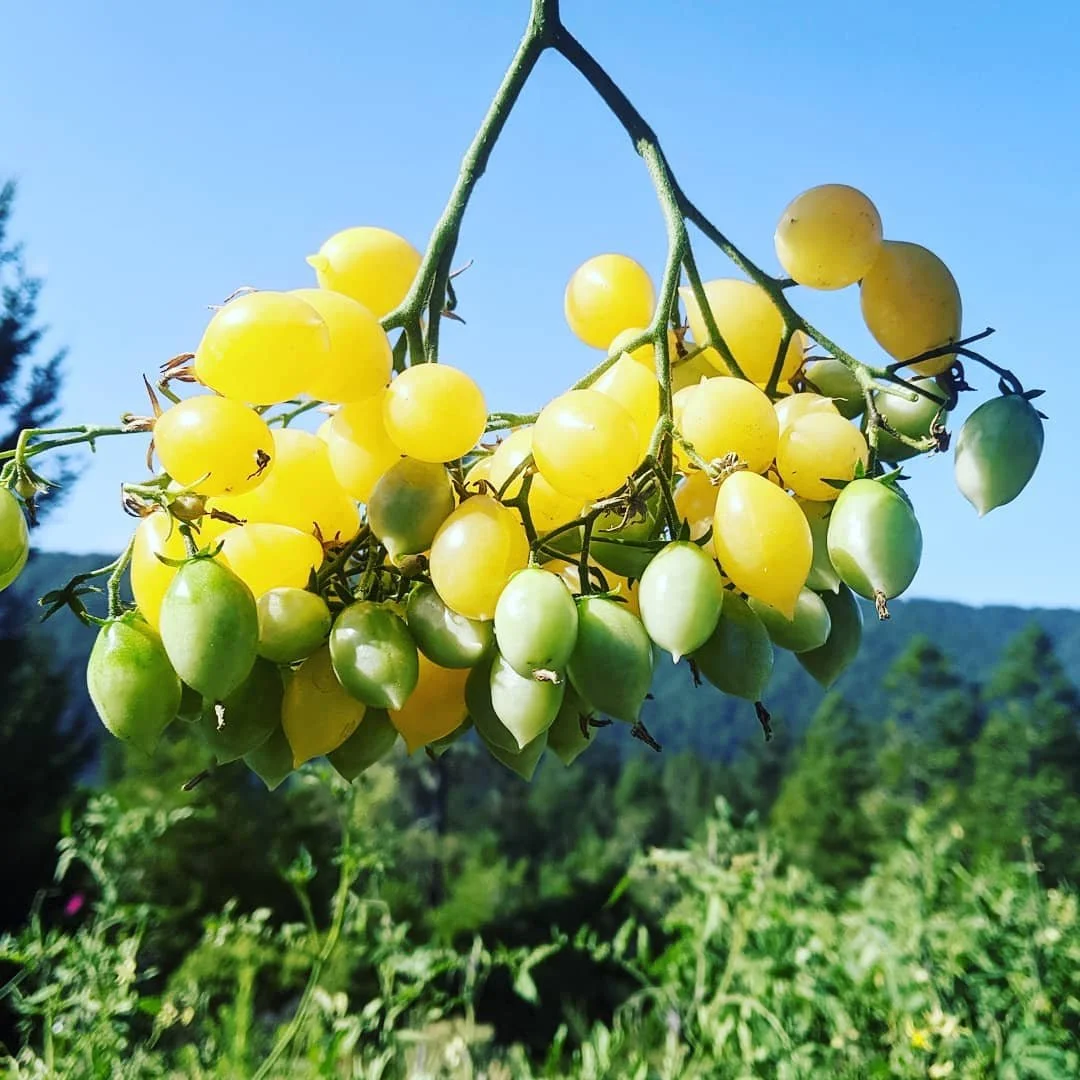
Start with the crops that are clearly done. Spent bean plants, bolted lettuce, and finished cucumber vines can come out now. Chop them up and add them to your compost pile. Tomatoes and peppers are the exception: they are often still producing into October in Santa Cruz, so leave them until they stop or until you need the bed space. UC Master Gardeners of Santa Cruz County suggest a gradual transition starting in September, interplanting cool-season crops alongside still-producing summer ones.
Once you clear a section, add an inch or two of compost, lightly work it into the top few inches of soil, and plant immediately. Direct-seed lettuce, spinach, radishes, peas, and cilantro. Transplant broccoli, kale, and cauliflower starts. If you do not have specific plans for a bed, plant a cover crop (fava beans or crimson clover) to protect the soil through winter.
Timing matters more than most people think. Crops planted in September get enough warmth and daylight to establish before the short days of November and December slow growth significantly. The same lettuce seed planted in September will produce weeks earlier than one planted in October, even though the temperature difference is small. Front-load your fall planting and you will be harvesting through winter.
This week: Walk your garden and tag three plants that are clearly done producing. Pull them, add compost to the cleared spots, and sow a quick crop like radishes or lettuce in the space today.
Our free Seasonal Tasks Checklist covers the full summer-to-fall transition step by step, and the Vegetables by Season Chart shows exactly which crops to plant now.