

Growing Jalapenos in the Coastal Fog Belt
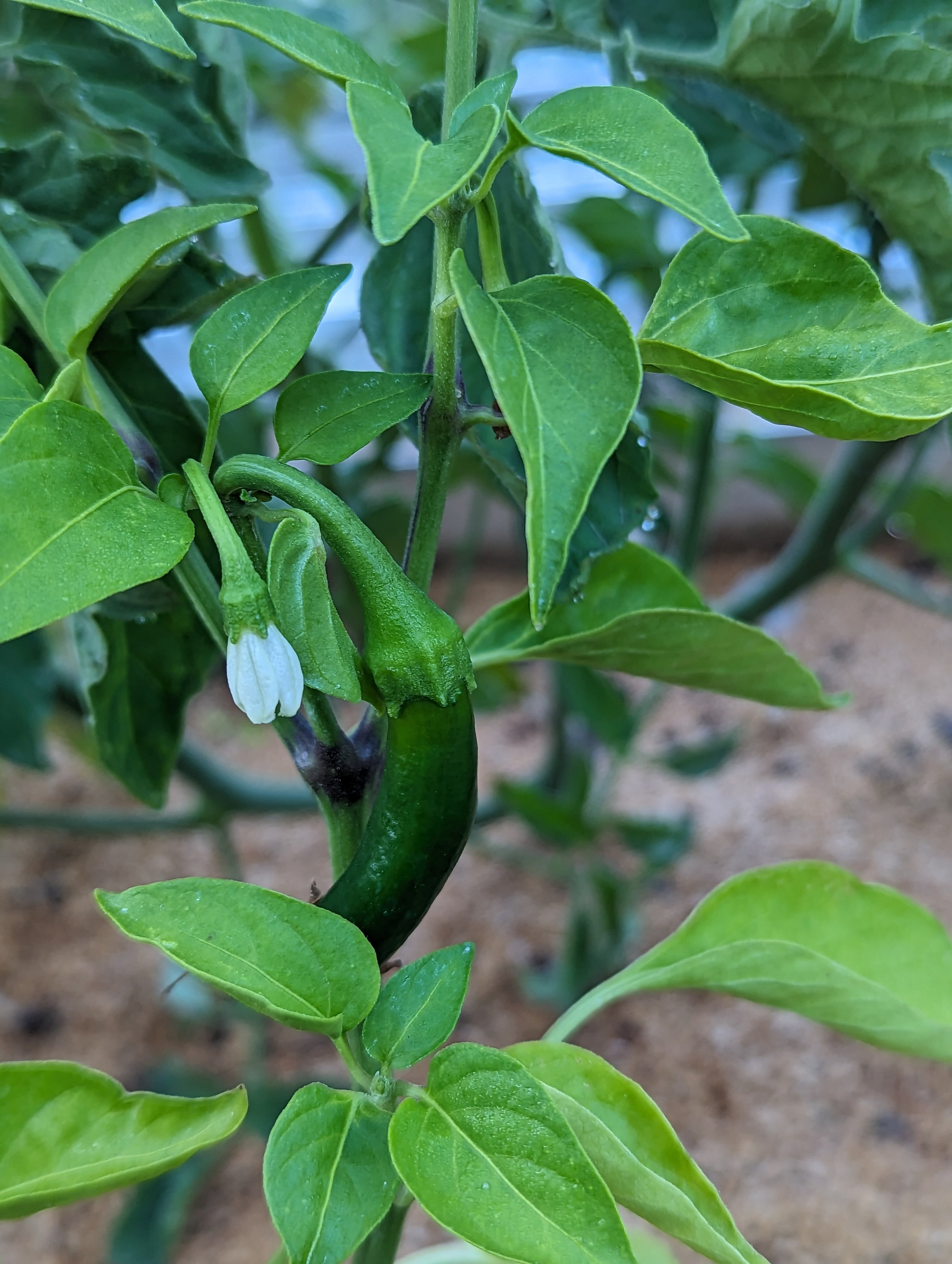
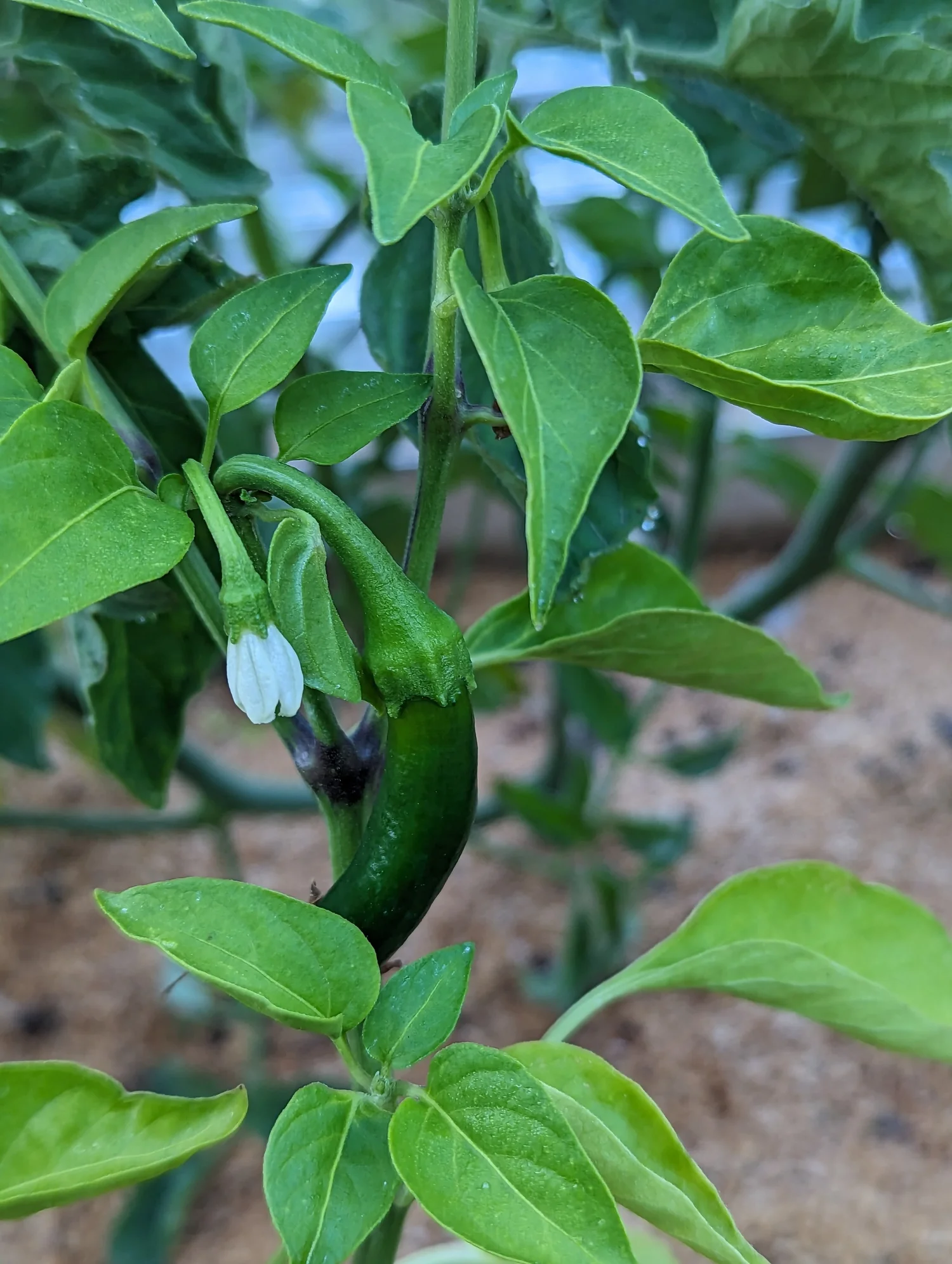
If you garden in the fog belt along Santa Cruz, Capitola, Aptos, or out toward Davenport, jalapenos are a stretch, not a sure thing. You can grow them, but you have to chase every degree of heat the marine layer keeps stealing back.
Quick verdict: Marginal. Jalapenos are a heat-loving crop, and the fog belt withholds exactly the warm nights and accumulated heat units peppers want. With a hot wall, dark mulch, and a movable container, you can pull a respectable green harvest. Expect fewer peppers and most of them picked green.
Why this is the hard zone for jalapenos
Peppers measure their season in heat units, not just frost-free days. The coastal fog belt has plenty of frost-free days but very few hot ones. Summer afternoons that stall in the mid-sixties and cool foggy mornings keep soil temperatures low and slow the plant's metabolism right when it should be flowering and setting fruit. The result is a jalapeno that grows green and leafy, flowers late, and ripens slowly. This is not a failure of your gardening. It is the climate. Knowing that up front lets you garden the gap on purpose instead of being disappointed in August.
Pick the warmest spot you own
In the fog belt, siting matters more than anything else you will do. Find the warmest microclimate on your property: a south or west facing wall, a spot sheltered from the afternoon sea breeze, a corner that the fog clears from first. A light colored masonry or stucco wall behind the plant reflects sun and radiates stored heat into the evening, which is precisely when fog-belt nights turn cold. Dark mulch, landscape fabric, or a sheet of black plastic over the root zone warms the soil several degrees and holds that warmth past sundown. Every one of those small gains compounds across a season this cool.
Grow in a container you can move
A jalapeno in a dark fifteen gallon container is your best fog-belt strategy. The soil in a pot warms faster than ground soil, and you can wheel the plant to follow the sun, pull it against a warm wall on cold nights, or move it under cover when a marine push rolls in. Mobility is the single biggest advantage a fog-belt pepper grower has. Use a dark pot, not a light one, and keep it on pavement or gravel that banks daytime heat.
When to plant
Frost is rarely the limiter in the fog belt. Cold soil and cool nights are. Do not rush a pepper into chilly May ground just because the calendar says so. A transplant set out into 65F soil in June will overtake one that sulked in cold soil since April.
Plan to harvest green
In the fog belt, most of your jalapenos will be picked green, and that is fine. Green jalapenos are fully usable, firm, and bright. Red simply means fully ripe and a touch sweeter, but the extra weeks of heat needed to turn red are exactly what this climate does not reliably provide. Picking green also pushes the plant to set more fruit. If you want a few red ones, leave your earliest, best-positioned peppers on the warmest plant and accept that only a handful will finish.
Realistic yields and milder heat
Expect a modest harvest: a healthy fog-belt plant may give a dozen to two dozen pods over the season, well under what an inland plant produces.
Fog-belt jalapenos often taste milder. Capsaicin builds with heat and stress, so cool, well-watered plants make gentler peppers.
Choose early, compact, container-friendly varieties over big slow heirloom types. Earliness beats size in this climate.
Local tip: Treat your jalapeno like a houseplant that summers outside. Dark pot, warmest wall, black mulch, and a willingness to move it. The gardeners who succeed here are the ones who hunt for heat all season instead of waiting for the weather to deliver it.
Frequently asked questions
Will my jalapenos ever turn red in the Santa Cruz fog belt?
A few might, on your warmest, earliest plant against a sunny wall. Most will not. Plan your cooking around green jalapenos and treat any red ones as a bonus.
Why is my fog-belt plant tall and leafy but barely fruiting?
Cool nights and low soil heat push leafy growth over fruit set. Warm the root zone with dark mulch, move the plant to your hottest spot, and ease off nitrogen-heavy feeding.
Should I even bother growing jalapenos this close to the coast?
If you love them, yes, but go in clear-eyed. A container on wheels against a warm wall will reward you with a green harvest. If you want big red yields, the Banana Belt or Pajaro Valley are far better bets.
Does the marine layer cause any disease problems?
Persistent damp and cool air can invite gray mold on flowers and fruit. Space plants for airflow, water at the base in the morning, and keep foliage from staying wet overnight.
