

Why Is My Cilantro Bolting Already?
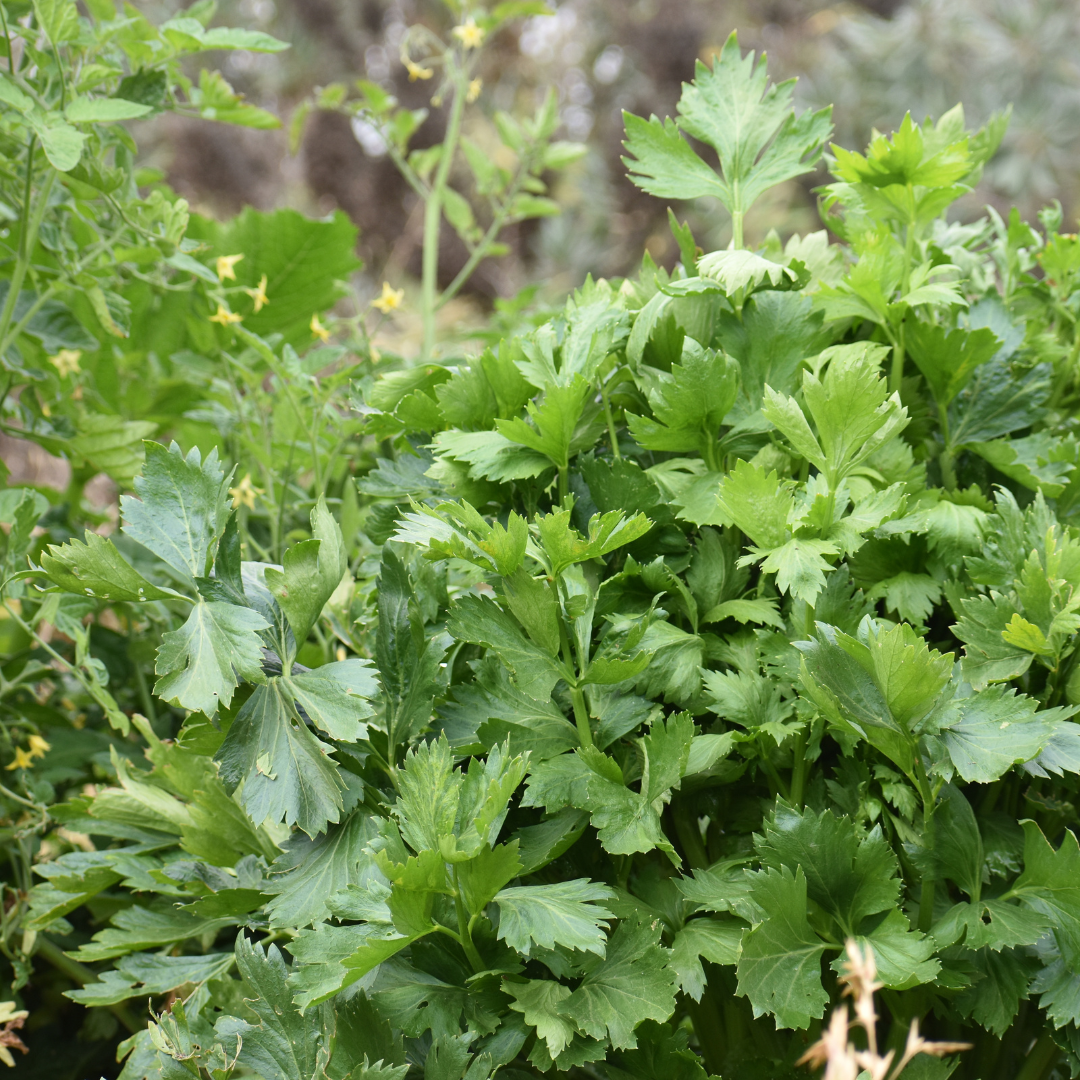
Cilantro bolts (sends up flower stalks and goes to seed) when temperatures warm up, and in Santa Cruz's mild climate, that can happen surprisingly early. It is not something you did wrong; cilantro is genetically programmed to bolt quickly as days lengthen and temperatures rise above 75F.
Cilantro is a cool-season herb that prefers temperatures between 50F and 70F. Once daytime highs regularly exceed 75F, the plant shifts from leaf production to flowering and seed-setting. In the fog belt, you may get a few extra weeks compared to gardeners in Watsonville or Scotts Valley, but eventually every cilantro plant bolts. UC Master Gardeners of Santa Clara County advise choosing slow-to-bolt varieties and sowing a new patch every 2 to 3 weeks to keep a continuous supply of leaves.
The best strategy is succession planting: sow a small patch of cilantro every 2 to 3 weeks from early March through May, then again in September through November. This way, you always have a fresh batch in its prime leaf-producing stage while older plants are bolting. Slow-bolt varieties like Calypso or Leisure do give you a longer harvest window per planting, so they are worth choosing.
A few tricks help extend the harvest. Plant cilantro in a spot that gets afternoon shade, especially if you garden inland. Keep the soil consistently moist (dry stress accelerates bolting). And do not pull bolted plants immediately. The flowers attract beneficial insects like hoverflies and lacewings, and the seeds are coriander, which you can harvest and use in the kitchen once they dry on the plant.
This week: Sow a fresh row of slow-bolt cilantro (Calypso or Leisure) in a spot with afternoon shade. Set a reminder to sow another round in 3 weeks.
Our free Planting Calendar shows the best sowing windows for cilantro and other short-lived herbs in Santa Cruz's climate. For more on growing cilantro year-round, see our full guide to Growing Cilantro in Santa Cruz. For timing, see What Can I Plant in My Garden in January in Santa Cruz.
Keep Reading
Frequently Asked Questions
Is bolting cilantro a sign I did something wrong?
No. Cilantro is genetically programmed to flower and set seed once daytime highs regularly pass 75 degrees and days grow longer. It prefers cooler conditions between 50 and 70 degrees, so warm weather, not a mistake, is the cause.
How do I keep cilantro coming all season?
Succession planting is the most effective approach: sow small patches every two to three weeks from March through May and again from September through November. Slow-bolt varieties like Calypso or Leisure can add a couple of extra weeks per planting.
Should I pull cilantro as soon as it bolts?
Not necessarily. The flowers attract beneficial insects, and if you let the plant finish, the seeds become coriander you can use in the kitchen. Afternoon shade and consistently moist soil can also slow bolting in the meantime.
