

Growing Jalapenos in the Pajaro Valley
A few of the product links in this guide are affiliate links. If you buy through one, Ambitious Harvest may earn a small commission at no extra cost to you, which helps keep these guides free. We only point to gear we would use in our own Santa Cruz garden. As an Amazon Associate, we earn from qualifying purchases. Read our full disclosure.
If you garden in Watsonville, Corralitos, or south county, you have the best jalapeno climate in Santa Cruz County. The fog burns off early, the days run genuinely hot, and the rich valley soil grows big, productive pepper plants.
Quick verdict: Excellent fit, the county's top jalapeno zone. The Pajaro Valley's warm, sunny, inland-influenced season gives jalapenos everything they want: heat to set fruit, length to ripen red, and deep fertile ground to grow on. Your main jobs are steady water, mulch, and shielding fruit during peak heat.
Why this is the county's best pepper zone
The Pajaro Valley is the warmest microclimate in Santa Cruz County. Sheltered inland and opening toward the south, it sees the marine fog burn off earlier than the coast and accumulates far more summer heat. That heat is exactly what jalapenos run on. Where a fog-belt gardener fights for every degree, here the climate does the work. Plants set fruit heavily, peppers size up fast, and the long warm season gives you time to ripen a real red harvest, not just green. Add the valley's famously rich agricultural soil and you have ideal pepper ground.
When to plant
The Pajaro Valley's earlier-clearing fog means you can transplant ahead of the coastal flats and bank a long, hot growing window. Getting plants established before the summer heat arrives lets them carry a heavy fruit load through July and August.
Water and mulch for the heat
Water: Heat means thirst. In the warm Pajaro Valley summer, jalapenos need deep, regular watering, two to three times a week and more during a heat wave. Inconsistent watering in this heat invites blossom drop and split fruit. Drip irrigation on a timer keeps moisture even and saves water.
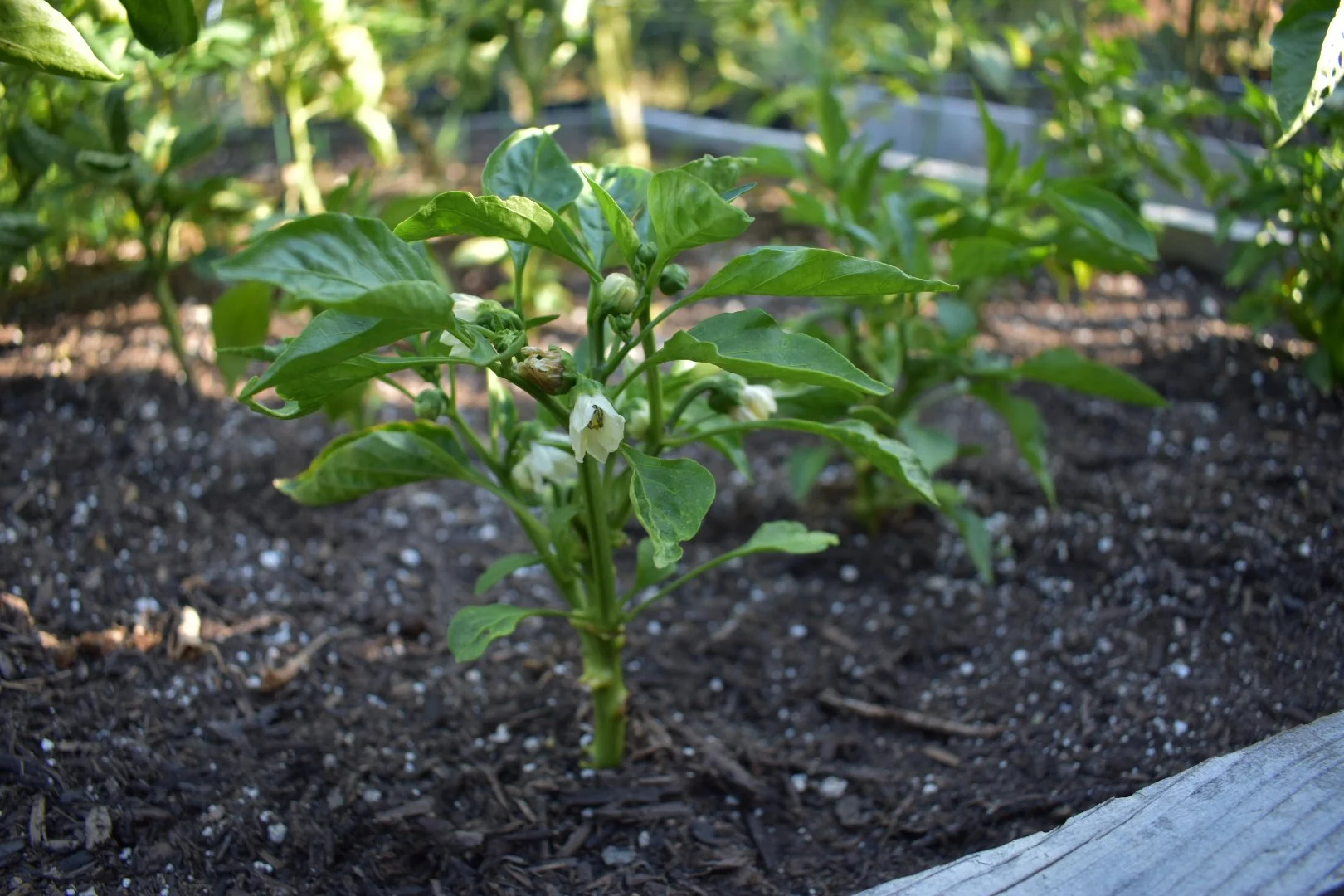
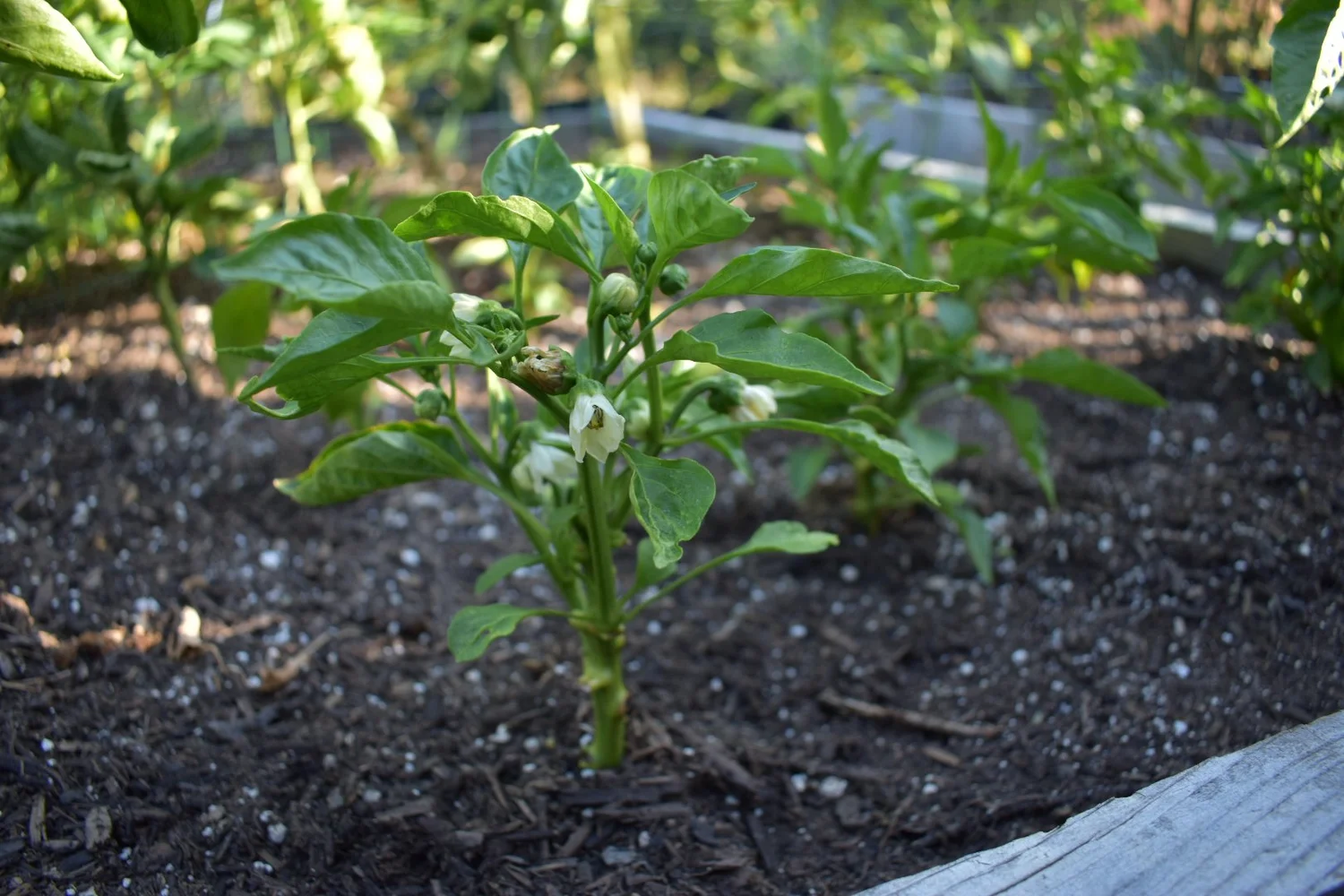
Mulch: A thick organic mulch is your best friend here. It holds soil moisture through hot afternoons, buffers root-zone temperature swings, and cuts your watering frequency. In the valley's warmest stretches, mulch is the difference between a stressed plant and a steady producer.
Sunscald during peak heat
The one risk that comes with all this heat is sunscald: pale, leathery patches on exposed peppers struck by intense afternoon sun, usually after a stretch over the mid-nineties. The fix is leaf cover. Do not over-prune your plants; the canopy shades the fruit. If a serious heat wave is forecast, a length of 30 to 40 percent shade cloth over the bed through the hottest afternoons protects both fruit and blossoms. Keeping plants well watered also helps them hold their leaves and shade their own crop.
Soil and big yields
Work the rich valley soil. Pajaro Valley ground is fertile but can run heavy. Mix in compost before planting so roots get both nutrition and drainage.
Feed for fruit, not just leaves. Ease off heavy nitrogen once flowering begins so the plant pours energy into peppers.
Expect real production. A healthy valley jalapeno can outyield a fog-belt plant several times over, with plenty of fruit ripening red if you leave it on the plant.
Stake the plants. Heavy fruit set and a long season produce big plants; support keeps them upright and the fruit off hot soil.
Local tip: Your climate gives you yield and ripeness for free, so spend your effort on water and mulch. A drip line on a timer plus a thick mulch layer keeps the root zone cool and moist through the valley's hottest weeks, which is when an unmulched plant drops its blossoms and yours keeps setting fruit.
Frequently asked questions
Can I reliably ripen red jalapenos in the Pajaro Valley?
Yes. This is the county's warmest, longest pepper season, so leaving fruit on the plant to redden is realistic. Many valley gardeners harvest both green and red from the same plant.
Why are some of my peppers getting pale, sunken patches?
That is sunscald from intense afternoon heat on exposed fruit. Keep the leaf canopy intact, water consistently, and use shade cloth through a heat wave to protect the crop.
How often should I water jalapenos in the Watsonville heat?
Deeply two to three times a week in normal summer weather, more during a heat wave. Mulch heavily to hold that moisture and cut how often you need to water.
Will my valley jalapenos be hotter than coastal ones?
Often, yes. Capsaicin builds with heat and a little water stress, so the warm Pajaro Valley tends to produce jalapenos with more bite than cool fog-belt plants.
