

Slug and Snail Control in Foggy Santa Cruz Gardens
A few product links in this guide are affiliate links. If you buy through one, Ambitious Harvest may earn a small commission at no extra cost to you, helping keep these guides free. As an Amazon Associate, we earn from qualifying purchases. Read our full disclosure.
Start with the missing seedling
Yesterday's lettuce start has become a short green stump. Before blaming slugs, look for a slime trail and check the bed after dark. If slugs or snails are feeding there, combine hand-picking, fewer damp hiding places, and protection for the next seedlings. A single product rarely solves the whole problem.
Along the Santa Cruz coast, fog can keep a bed damp long after the rest of the yard looks dry. Look under the pot rim or the board beside the bed: those small sheltered places often explain why damage keeps returning to the same row.
Shaded inland gardens can have the same problem, especially after rain. Let conditions in your own bed set the level of attention. A sunny, drying slope and an irrigated canyon garden will not follow an identical calendar.
The aim is to get plants through their vulnerable stage with manageable damage. Start where the losses are happening, then widen your search to the nearby shelters.
Know what is doing the feeding
Slugs and snails are mollusks, not insects. Their need for moisture helps you choose when to look for them and where to focus control.
What They Need
Moisture: Slugs and snails are soft-bodied and lose water rapidly through their skin. They must stay moist to survive. This is why they're active on foggy mornings, rainy days, and at night when humidity is high. Dry, sunny conditions drive them into hiding.
Shelter: During the day and in dry weather, they hide in cool, moist places: under boards, in dense groundcover, beneath mulch, in cracks in walls, under pots, in irrigation boxes. Any protected spot that stays damp becomes slug habitat.
Food: They're generalist feeders, eating tender plant tissue, decaying organic matter, fungi, and even each other. Young seedlings, lettuce, hostas, strawberries, and tender herbs are favorites, but they'll eat almost any soft plant material.
Check moist cracks around walls and containers too. A snail tucked out of sight during the day can reach a nearby seedling at night; the useful clue is the shelter, not a guess about your soil's calcium level.
Their Life Cycle
Eggs develop in protected places, which is one reason removing visible adults does not end the problem. Timing and egg numbers differ by species, so do not expect a single garden-wide hatch date.
Look for egg clusters beneath debris and in sheltered soil crevices while you inspect known feeding areas. Identify what you find before removing it; a pale egg in the garden is not automatically a pest egg.
Small slugs can do noticeable damage before you spot them. Check the underside of low leaves and the damp gap between a pot and the ground.
Keep watching the bed after the first successful collection. New feeding damage tells you more about the next step than counting one night's catch alone.
Common garden visitors
Brown garden snail (Cornu aspersum): The most common snail in California gardens. Introduced from Europe, now thoroughly established. Medium-sized with a brown spiral shell. Active primarily at night and on foggy mornings. (UC IPM Pest Note #7427)
Gray garden slug (Deroceras reticulatum): a small gray or brown slug that can damage tender growth. Its size makes it easy to overlook beside the larger snails and slugs.
Banana slugs (Ariolimax species) belong to our native forest community. Leave them in woodland habitat and do not assume the largest slug nearby caused the holes in your lettuce. Confirm the feeding animal before choosing a control.
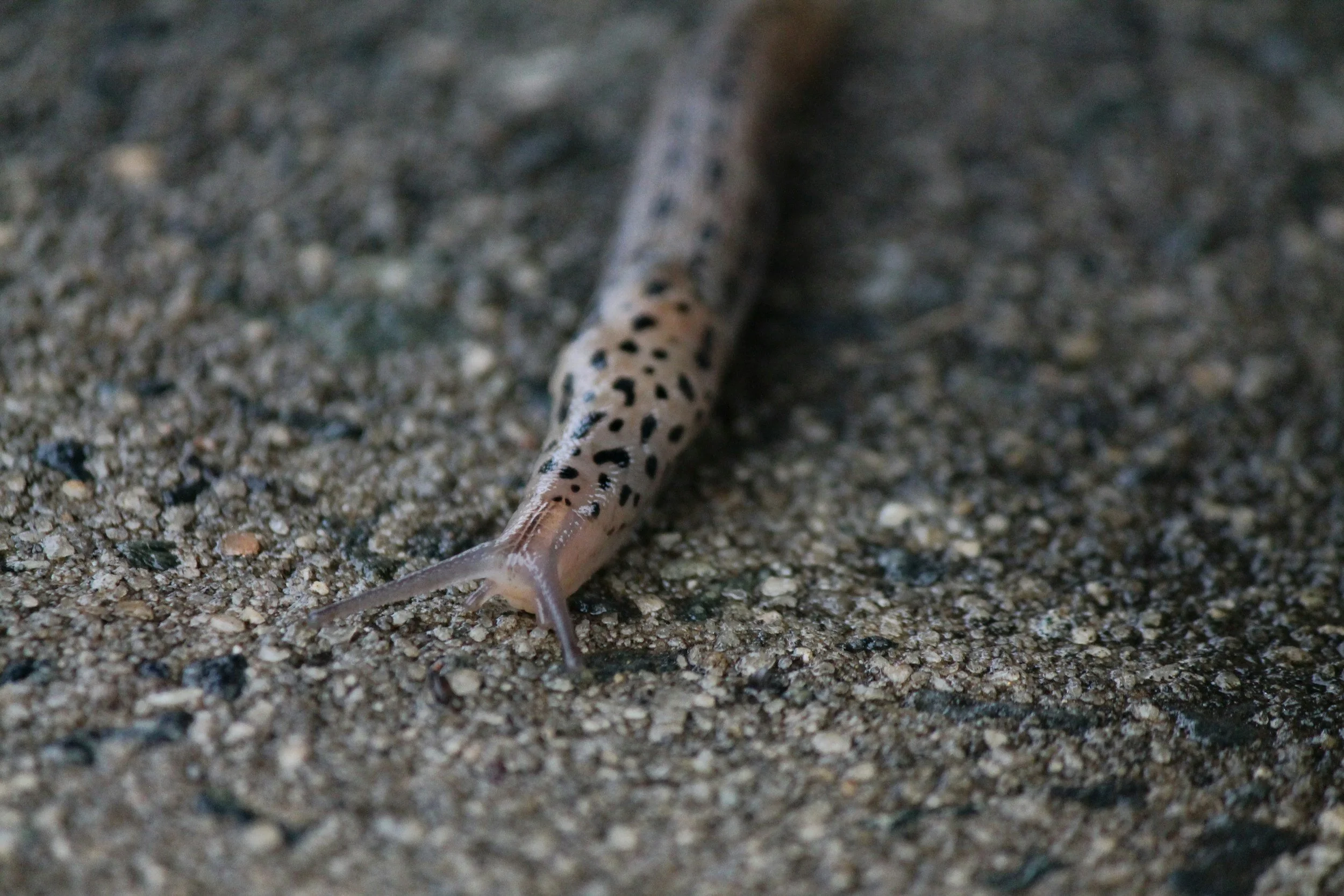
Leopard slug (Limax maximus): a large, spotted slug. Size and markings help with identification, but watching what is feeding is more useful than assigning every large slug a harmless or harmful label.
Various smaller slugs: Several small slug species cause significant damage, often going unnoticed because they're not as dramatic as the big ones.
Why Common Advice Often Fails
If a method seems to work for two nights and then fails, look at what changed around it. The missing piece is often a nearby refuge or a new period of damp weather.
Inconsistent Application
Check repeatedly while fresh damage continues. A short run of evening collections can reveal the worst spots, but those spots need another look when rain or irrigation brings activity back.
Treating Symptoms, Not Sources
A cleared lettuce bed can sit inches from an occupied pot, board, or patch of groundcover. Reduce those nearby refuges or inspect them regularly so new arrivals are easier to find.
Wrong Timing
Go out when the animals are active: after dark, in the early morning, or during damp weather. A dry-afternoon search may tell you little about what ate the plants overnight.
Unrealistic Expectations
Judge success by the plants. A few holes in established leaves may be tolerable; the loss of every new transplant calls for more protection. You do not need a slug-free property to grow food.
Build a routine around the vulnerable bed
Begin with observation and hand-picking, adjust the nearby habitat, and add a barrier or labeled bait if damage warrants it. Keep checking which part is helping.
Hand Picking
Hand-picking is direct and gives you a close look at the problem. Take a flashlight and a collection container to the affected bed.
Choose a damp evening or early morning. Check the damaged plants first, then their nearby hiding places.
Collect confirmed pest slugs and snails with gloves or a tool. UC IPM describes disposing of collected pests in soapy water. Do not relocate introduced garden pests into parks, woodland, or another garden.
Where to look: Under leaves of low-growing plants, on the undersides of boards and pots, climbing walls and fences, on the soil surface in beds. Check the same spots repeatedly since slugs return to favored hiding places.
Repeat while new damage continues. You may find that one damp corner needs most of the attention, which is useful information for moving pots or protecting the next planting.
Hand-picking works best when the bed is not continually replenished from unchecked shelter beside it.
Iron Phosphate Baits
Iron-phosphate bait is one option when other steps are not enough. UC IPM: Snails and Slugs describes it as less hazardous than metaldehyde around people and animals, but that does not mean it is harmless if eaten. Check the particular product's label and its suitability for organic gardening; a brand name or a naturally occurring ingredient is not a blanket safety assurance.
After eating bait, slugs may stop feeding and retreat out of sight. Measure success by reduced fresh damage rather than expecting to find dead slugs on the surface.
How to use it:
Scatter thinly around vulnerable plants (don't pile it up)
Apply in evening when slugs will be active
- Reapply only as the product label directs; rain alone is not an instruction to add another application.
- Use the label's rate and interval, together with observed pest activity.
Keep bait as one part of the routine. It cannot remove the shelter and moisture that allow more slugs to reach the bed.
Important notes:
Follow label directions (more isn't better)
- Prevent children, pets, and wildlife from eating bait; store the package securely.
- Check the label's weather and reapplication instructions.
Works best as part of an integrated approach, not as a sole solution
Ask San Lorenzo Garden Center, Dig Gardens, or another local garden supplier about current stock, then read the actual product label before buying. Similar packaging does not guarantee the same ingredients or uses.
Copper Barriers
Copper can help exclude slugs and snails from a contained area when it forms a continuous barrier. Clear pests from inside first, and check for stems or debris that let them bypass it.
How to use it:
Copper tape around pots and raised bed edges
Copper mesh or screen around bed perimeters
- UC IPM recommends a 4- to 6-inch-wide copper band; follow its installation guidance for the site.
Keep clean since oxidation and dirt reduce effectiveness
Check that plants don't create bridges over the copper
Check width before buying: the linked Gonzo roll is 1.75 inches wide, narrower than the 4- to 6-inch band in UC IPM guidance. A single strip does not provide that recommended width.
Pots and raised-bed edges are easier to enclose than a large open garden. Inspect the barrier after plant growth or maintenance creates a possible bridge.
Limitations:
Determined slugs will sometimes cross copper anyway
Expensive for large areas
Must be kept clean
Plants touching the ground outside the barrier create bypass routes
Beer Traps
A beer trap can catch some nearby slugs and snails, but it protects only a small area. Treat it as a supplement, not proof that the whole bed is clear.
How to set them:
- Choose a stable container and a placement you can inspect easily.
- Keep the rim slightly above soil level to reduce accidental catches of crawling insects.
Fill halfway with beer (cheap beer works fine)
Place near vulnerable plants
- Check daily, remove catches, and refresh as needed.
A catch confirms nearby activity. An empty trap does not show that all slugs are gone, so keep checking the plants and their shelters.
A board trap is another option: place a board on short runners, then inspect underneath daily and remove confirmed pest slugs and snails. It gives you a repeatable place to look without relying on an attractant recipe.
Limitations:
- Only expect a trap to affect its immediate surroundings.
Requires frequent maintenance
- Continue looking for snails in sheltered places as well as checking the trap.
Ground beetles (beneficial predators) can drown in poorly designed traps
Habitat Reduction
Begin with the movable shelter closest to damaged plants. Lift pots, remove an unused board, and check the bed edge. You do not need to strip wildlife habitat from the whole garden.
What to do:
Remove boards, debris, and clutter from around garden beds
Thin dense groundcover near vegetables
Clean up fallen leaves and plant debris
Reduce mulch depth in problem areas (or switch to less hospitable mulch)
Inspect dense vegetation immediately beside damaged crops; clear only the shelter contributing to the problem
Move pots and containers periodically (check underneath)
- Reduce dense hiding cover immediately beside vulnerable crops where practical; retain useful habitat elsewhere.
Mulch helps soil hold moisture, but it can also shelter slugs. Adjust it around the damaged plants rather than abandoning its benefits throughout the garden:
- Thin excessive mulch beside vulnerable seedlings.
- Check any replacement material for sheltered gaps; gravel is not automatically slug-proof.
Pull mulch back from seedlings and transplants
Or accept that mulch benefits (moisture retention, soil building) are worth the slug tradeoff and compensate with more active control
Timing and Plant Protection
A seedling with only two leaves has little to spare. Give that short establishment period more attention than a mature plant with a few holes.
Use healthy, sturdy transplants where the crop transplants well. Larger plants can tolerate some loss of leaf area, but size does not make them immune.
A cloche or floating row cover can help only if pests are excluded first and cannot enter at the edges. Ordinary wire mesh is not a reliable slug barrier. Check beneath covers and ventilate cloches to prevent overheating.
Inspect new transplants the first evening after planting. Planting in the morning alone does not protect them from feeding that night.
Water in the morning: Evening irrigation keeps surfaces wet during prime slug activity. Morning watering allows soil surface to dry somewhat before nightfall.
Prepare protection before a damp period brings activity back. Do not skip a crop's suitable planting season solely to avoid slugs; protect the vulnerable starts instead.
Encouraging Predators
Ground beetles, birds, and other predators are part of a healthy garden, but their presence does not guarantee protection for a particular row of seedlings.
Ground beetles include predators of slugs and snails and are among the natural pest control allies in Santa Cruz gardens. Retain some undisturbed habitat away from vulnerable crop edges and avoid unnecessary broad-spectrum insecticide use. Our guide to attracting beneficial insects to your Santa Cruz garden explains how to support these helpers.
Birds: Many birds eat slugs, especially thrushes, robins, and jays. Provide habitat and don't discourage birds from the garden.
Snakes: Garter snakes eat slugs. Tolerate them.
Ducks can eat slugs, but keeping poultry brings its own care, manure, and crop-protection needs. Do not add animals solely as a quick pest treatment, and keep them away from pesticide bait.
Keep undisturbed habitat away from the most vulnerable crop edges where possible. Balance useful shelter for wildlife with regular checks around the plants taking damage.
Methods That Don't Work Well
Some commonly recommended slug controls are less effective than their reputation suggests.
Salt
Keep salt off the garden soil. It can injure plants and add salts to the root zone, while doing nothing about the animals still hidden nearby.
Diatomaceous Earth
Diatomaceous earth is a powder made from fossilized diatoms. It is often suggested as a dry barrier, but damp conditions make that approach unreliable.
For a foggy or irrigated bed, choose a method that can keep working in the conditions you actually have. The UC Marin Master Gardeners: Slugs & Snails guide discusses management options. Do not depend on a powder line that disappears or becomes wet after application.
Crushed Eggshells
Crushed shells are not a dependable barrier. Put the effort into a continuous barrier and regular checks instead of surrounding every seedling with kitchen scraps.
Coffee Grounds
Used coffee grounds are not a dependable slug control. Do not substitute a homemade caffeine treatment for a labeled product or assume adding more grounds is harmless to plants.
Wood Ash
Wood ash is a poor choice around these beds. Dampness undermines a dry barrier, and repeated additions can alter soil chemistry.
Ultrasonic Devices
Spend the time and money on methods with established garden use, such as monitoring, hand-picking, habitat changes, and properly installed barriers.
A Seasonal Approach to Slug Control
Use the weather as the cue, with the calendar as a reminder. Irrigated and foggy corners can stay active while the rest of the garden dries.
Dry Season (June Through September)
During dry spells, concentrate on the places that still hold moisture:
Reduce habitat while slugs are concentrated in remaining moist spots
Hand-pick from daytime hiding places where they're concentrated
Clean up areas that will become problems when rain returns
- Inspect vulnerable crops even if the wider garden is dry.
When the first rains arrive
Renew the checks when damp weather returns, whenever that happens in your garden:
- Assess fresh feeding and use labeled bait only if it is needed.
- Hand-pick during active, damp periods.
Protect new fall transplants with barriers
Set out traps to monitor population levels
Wet Season (December Through March)
During a run of wet weather, keep the routine simple enough to repeat:
- If using bait, follow its label rather than automatically reapplying after every rain.
Hand-pick on mild, damp evenings
Keep barriers in place around vulnerable plants
Accept that some damage will occur despite efforts
Spring (April Through May)
As surfaces dry, adjust effort to actual damage rather than stopping on a fixed date:
Maintain protection on spring seedlings
- Reassess whether bait is still needed; keep within label directions.
Focus hand-picking on foggy mornings
Prepare for reduced pressure in summer
Protecting Specific Crops
Focus the most protection on tender growth and fruit near the soil. These crop notes help you decide where to look first.
Lettuce and Leafy Greens
Slug favorites. Protect with:
- Inspect seedlings beneath any cloches or row cover; covers are not proof against pests already inside.
- If needed, apply a bait labeled for the crop and site, following its rate and directions.
Hand-picking on humid evenings
Growing in containers with copper barriers
Harvesting outer leaves promptly (slugs hide under large leaves)
In a suitable summer microclimate, greens may face less slug pressure, but heat changes which varieties will do well. Use our comprehensive guide to growing greens to match the crop to the season, then monitor the bed itself.
Strawberries
Ripening strawberries sit close to the soil, so inspect beneath the foliage as fruit colors up.
- Keep fruit off wet soil with suitable support or clean mulch, while checking beneath it for sheltering pests.
- Use labeled bait only if needed, following crop and site directions.
Copper tape around raised bed edges
Pick fruit promptly when ripe
Remove damaged fruit (it attracts more slugs)
Growing in raised beds or containers gives you better control options.
Basil and Tender Herbs
Give young basil particular attention while its leaves are still small and tender.
Choose sturdy, healthy transplants where practical, and protect them during establishment
- If using cloches, inspect beneath them and ventilate them in warm weather.
- Use labeled bait only if needed, according to the product directions.
- Established plants may tolerate more damage, but still need inspection.
Brassica Seedlings
Cabbage, broccoli, kale, and Brussels sprouts have little spare foliage as seedlings. Protect the establishment period and reassess as they grow.
Protect with barriers until plants are well established
Transplant larger starts
Collar individual plants with copper or barrier material
- If bait is needed during establishment, follow the label for the crop and site.
Beans and Peas
Check newly emerging beans and peas before a missing plant leaves a gap in the row.
- Where practical for the crop, raise starts carefully and transplant before roots become crowded.
- Check beneath row cover and secure edges; slugs already in the bed can still feed.
- Use bait only if needed and labeled for the crop and site.
Once plants are several inches tall, they tolerate minor damage
And before you reach for crushed eggshells, read why eggshells do not actually stop slugs.
Frequently Asked Questions About Slugs and Snails
What's eating my plants overnight if I never see slugs?
Slugs and snails are possibilities, but earwigs, caterpillars, and other animals can also feed overnight. Look for slime trails and watch the damaged plants after dark. Use our organic pest identification guide to narrow the cause before choosing a treatment.
Is Sluggo (iron phosphate) really safe around my pets and kids?
Do not let pets or children eat it. Iron-phosphate products can be less hazardous than metaldehyde, but animals can still become ill after ingestion. Follow the product label, scatter rather than pile, and store bait out of reach. Contact a veterinarian promptly if a pet eats bait, keeping the package available. The National Pesticide Information Center explains why these products are not risk-free.
Should I kill banana slugs?
Leave native banana slugs in woodland habitat. Identify the animal actually feeding before assuming a nearby banana slug is responsible. Protect the crop rather than indiscriminately removing every slug from the property.
Do coffee grounds really repel slugs?
Do not rely on them. Used grounds are not a dependable barrier or treatment, and adding larger amounts creates a separate soil-management problem.
How do I keep slugs out of my raised beds?
A continuous copper barrier can help, provided no stems or debris bridge it and pests are cleared from inside. Raised beds give you a defined edge to inspect. Combine that inspection with hand-picking, shelter reduction, and labeled bait only if needed.
Why do I have so many more slugs than my inland friends?
Fog and irrigation can keep your surfaces moist while an inland bed dries. Compare the conditions at plant level rather than the towns alone. A shaded inland corner can also have persistent slug activity.
Can I use metaldehyde slug bait?
Metaldehyde poses serious poisoning risks, especially to dogs. Review alternatives first and follow all label restrictions for any pesticide you use. The guidance from UC Master Gardeners: IPM for Slugs and Snails discusses control options; a less hazardous option still needs careful storage and application.
Will chickens eat my slugs?
Some poultry eat slugs, but they also need daily care and can damage crops. Do not rely on chickens or ducks to protect new seedlings, and keep birds away from baited areas.
How do I keep slugs and snails off my plants without poison?
Start with hand-picking, board traps, fewer nearby shelters, and a well-installed copper barrier. These are different from pesticide bait, even when the bait is sold for organic use. Guidance at UC IPM describes the combination of methods; no barrier should be treated as impossible to cross.
Free Gardening Resources
Download these guides to help manage your Santa Cruz garden:
Garden Troubleshooting Guide : Solutions for common garden problems including pest damage diagnosis.
Seasonal Planting Calendar : Timing plantings to work around slug pressure and other seasonal factors.
Know Your Microclimate Worksheet : Understanding your garden's specific conditions, including fog exposure.
Companion Planting Guide : Building diverse plantings that support natural pest control.
Make the next planting easier to protect
Choose the bed that has lost the most seedlings and give it a few deliberate checks after dark. Notice where the pests emerge and where they hide when you lift a pot or a low leaf.
Use that information to make one or two changes you can maintain: move the spare board, clear a barrier edge, or protect the next transplants more carefully.
Keep the routine going while fresh damage continues, and return to it when damp weather arrives. If bait is part of the plan, let the label govern its use.
A few holes in an established lettuce leaf are a different problem from a row that never gets started. Spend the most effort where it will get the next crop past that vulnerable stage.
The useful result is a bed that keeps growing, with a clearer idea of what to check tomorrow.
