

Your February Garden Checklist for Santa Cruz County
A few of the product links in this guide are affiliate links. If you buy through one, Ambitious Harvest may earn a small commission at no extra cost to you, which helps keep these guides free. We only point to gear we would use in our own Santa Cruz garden. As an Amazon Associate, we earn from qualifying purchases. Read our full disclosure.
February is when Santa Cruz gardens start to wake up. Soil temperatures along the coast climb past 50F by mid-month, and the earliest wildflowers begin blooming on the hillsides. UC ANR's California frost date table lists no median spring frost date for the nearest coastal stations at all, and gives Monterey 365 frost-free days with only a 10 percent chance of frost as late as January 27, which means February on the Santa Cruz coast is about starting seeds indoors and preparing beds for an early start rather than waiting out a March frost.
What to Plant in February
Start tomato and pepper seeds indoors under grow lights during the first two weeks. For tomatoes, Early Girl, Sun Gold, and Cherokee Purple are proven performers across the county. Peppers need bottom heat to germinate well (aim for 80F soil temperature on your heat mat).
Direct-sow peas (Sugar Snap, Oregon Sugar Pod) and radishes (French Breakfast, Cherry Belle) in coastal and inland valley gardens. Plant seed potatoes (Yukon Gold, Red Pontiac) by mid-month in raised beds with loose, well-drained soil. Coastal gardeners can start setting out transplants of broccoli, cabbage, and cauliflower under row cover.
Mountain gardeners in Bonny Doon and Boulder Creek should focus on indoor seed starting only. Your last frost date is still four to six weeks away, and soil temperatures remain too low for direct sowing.
What to Harvest in February
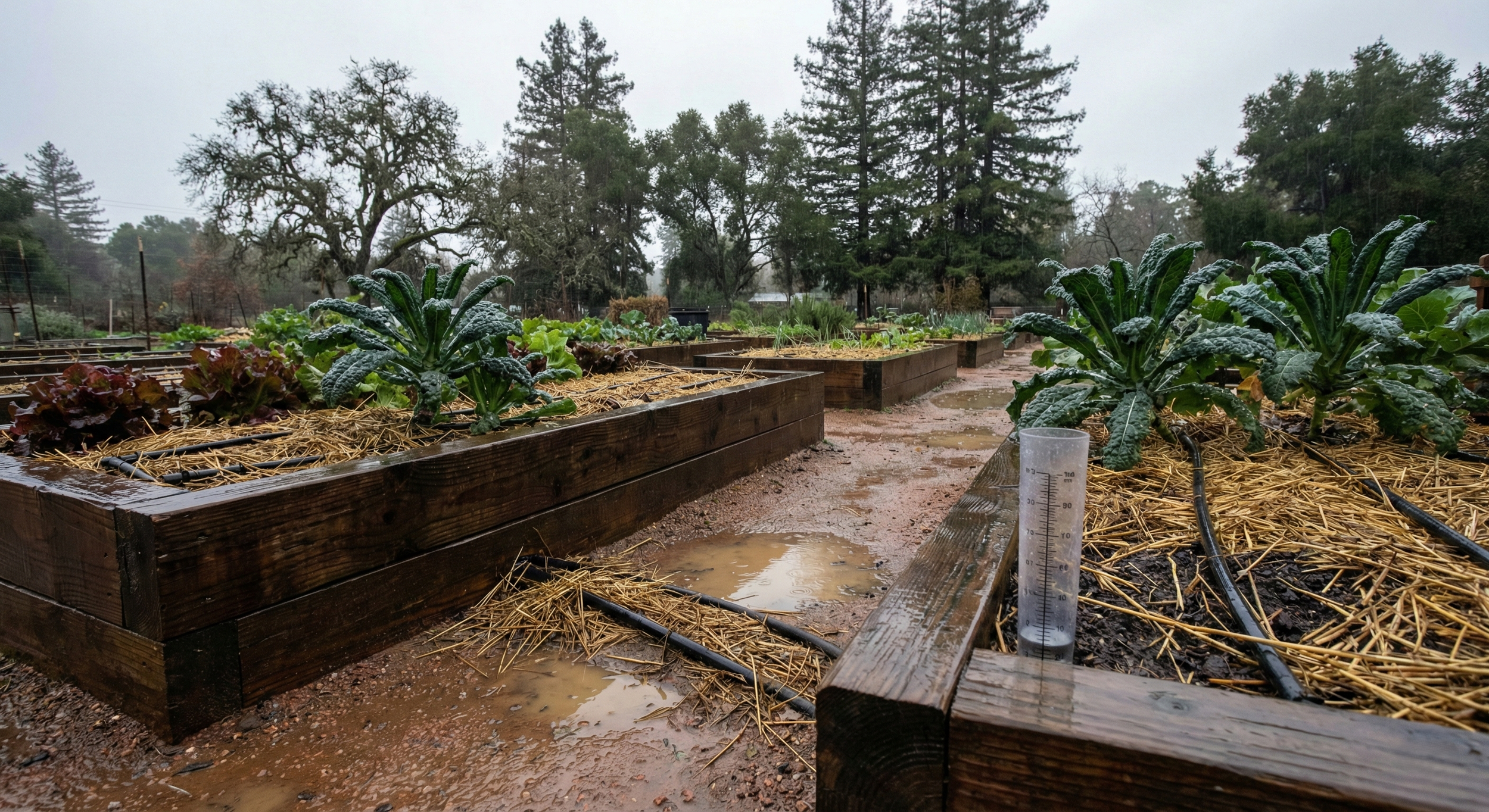
Continue harvesting overwintered greens: kale, chard, spinach, and lettuce. Fava bean tips can be pinched and eaten as a gourmet green once plants reach 12 inches. Leeks and parsnips are still in good shape. The last of the Meyer lemons and mandarins should come off the tree this month before quality declines.
What to Maintain and Protect
Finish any dormant pruning of fruit trees and roses by mid-February. Once buds begin to swell, the pruning window is closed. Apply a second dormant spray if rain washed away your January application. The UC Master Gardeners' February tips confirm this timing for our region.
Prepare beds for spring planting. Pull winter weeds before they set seed (one year of seeds equals seven years of weeds, as the old saying goes). Work in a 2-inch layer of finished compost. If your soil is heavy clay, which is common in parts of Watsonville and the Pajaro Valley, add gypsum to improve drainage without changing pH.
UC Master Gardeners recommend testing your soil every three to five years, and fall is the best time to do it so there is room to correct deficiencies before spring planting. February is an ideal time to send samples to the UC Davis Analytical Lab before the spring rush.
Check irrigation systems. Replace cracked drip lines, flush emitters, and test timer batteries before you need them in the dry season.
What to Watch Out For
Peach leaf curl shows up this month as puckered, reddish leaves on peach and nectarine trees. If you see it, the window for prevention has passed, but remove and dispose of affected leaves (do not compost them). Aphids begin appearing on new growth, especially on roses and fava beans. A strong blast of water from the hose is the first and best response. Avoid broad-spectrum pesticides that kill beneficial insects arriving to help.
Watch for gopher activity in freshly loosened beds. Trapping is a safe and effective control method, according to UC IPM.
This month: Get your tomato and pepper seeds started indoors by February 15. They need 6 to 8 weeks before transplanting, and late starters mean late harvests.
Frequently Asked Questions
Should I start tomatoes and peppers in February?
Yes, start them indoors in early February. Good tomato choices include Early Girl, Sun Gold, and Cherokee Purple, and peppers germinate best with bottom heat around 80 degrees.
What can I plant outside in February?
Coastal and valley gardeners can direct-sow peas, radishes, and seed potatoes, and transplant broccoli, cabbage, and cauliflower under row cover. Mountain gardeners should wait, since frost risk lingers four to six weeks longer at higher elevations.
What maintenance should I finish before spring?
Complete dormant pruning of fruit trees and roses by mid-month and apply a second dormant spray if needed. It is also a good time to remove winter weeds before they set seed, work in about two inches of compost, and check your irrigation system.
