

Growing Satsuma Mandarins in the Santa Cruz Coastal Fog Belt
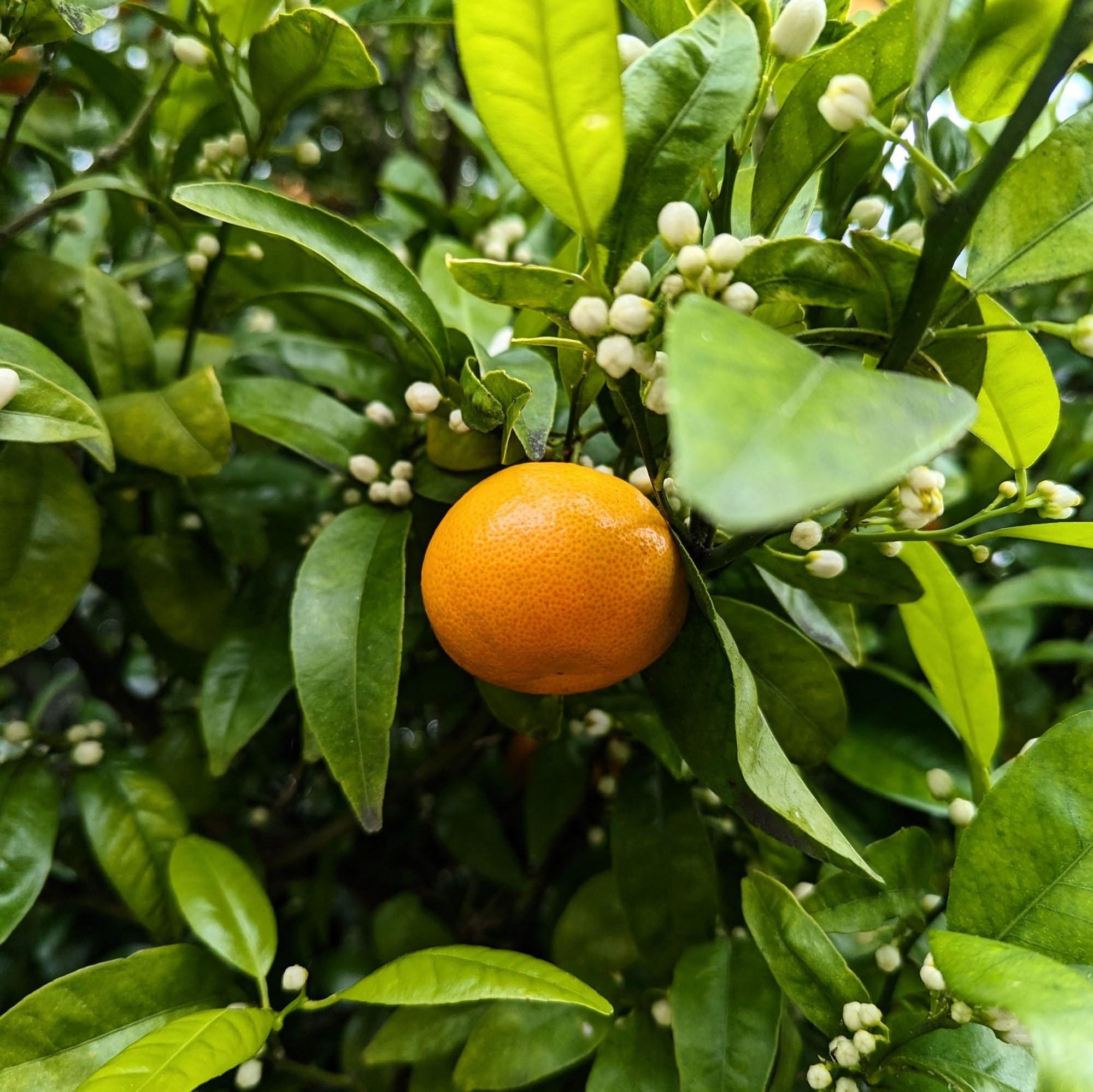
If you garden in the foggy coastal strip of Santa Cruz County and you have always assumed citrus is not for you, the satsuma mandarin is the tree that proves you wrong. It is the most cold-hardy and most coast-friendly citrus there is, and it ripens in the cool of fall rather than waiting on summer heat the way most oranges do. If everyone in the fog belt grew one citrus tree, this should be the one.
Quick verdict: Good, and genuinely the easiest citrus for the coast. A satsuma asks for less heat than any other citrus, shrugs off cold down into the high 20s, and colors up in October and November when fog is finally easing. Give it your sunniest, best-drained corner and a south wall if you can, and you will get sweet, easy-peel fruit where a true orange would sulk.
This page focuses on satsuma mandarins in the coastal fog belt. For how citrus performs across the whole county, start with the hub, best citrus varieties for Santa Cruz microclimates.
Why the satsuma suits the fog belt when other citrus struggles
Most citrus needs a long run of summer heat to size and sweeten its fruit, which is exactly what the coastal fog belt withholds. Marine layer mornings and cool afternoons leave oranges sour and slow. The satsuma is built differently. It has the lowest heat requirement of any common citrus, so it can color and sweeten on the modest warmth our coast does provide, and it is the most cold-tolerant citrus of all, hardy down into the high 20s Fahrenheit once established. That combination of low heat demand and high cold tolerance is precisely what a fog belt garden needs. The county overview at gardening in coastal Aptos, Capitola, and Santa Cruz explains why heat-hungry crops fight the marine layer here. The satsuma sidesteps that fight.
When to plant in the fog belt
Plant in spring, after the worst of the cold has passed, so the young tree has the whole warm season to establish before its first coastal winter. A potted nursery tree can go in any frost-free stretch, but spring gives the strongest start. Avoid planting into cold wet soil in midwinter.
Sun, soil, and water
Sun: Every hour of sun counts on the coast. Give a satsuma the most open, all-day sun position you have, ideally backed by a south or west facing wall that banks daytime warmth and releases it overnight. Fences, hedges, and the shade of the house all steal heat units the tree can scarcely spare here.
Soil: Citrus wants sharp drainage, and coastal soils that stay damp under the fog can drown roots. Plant slightly high, on a low mound if your ground holds water, and keep mulch a few inches clear of the trunk. Feed two or three times across the growing season with a citrus fertilizer, since cool soil slows nutrient uptake.
Water: The fog belt does much of your watering through summer humidity and dew, so a coastal satsuma drinks far less than an inland one. Water deeply but let the top few inches dry between soaks. Soggy cool roots are the fastest way to lose a coastal citrus.
Reading your own coastal lot
On the coast you are hunting for warmth, so put the satsuma in the warmest pocket you own. A south-facing wall, a sheltered courtyard, or a paved corner that holds afternoon heat will all push the tree toward better fruit. Avoid the bottom of a slope, low frost-prone hollows, and any spot the fog sits in longest. Even a few extra degrees of reflected warmth from a wall can be the difference between fruit that sweetens by Thanksgiving and fruit that stays tart. Because the satsuma is so cold-tolerant, frost is rarely the limiting factor here. Heat is, so chase it.
What to expect from the fruit
Easy-peel, loose-skinned fruit that slips out of its jacket and segments cleanly, ideal for kids and snacking.
Early ripening, generally October into December, often the first ripe citrus of the year in the county.
Sweet, low-acid, often seedless flesh even from a coastal tree, because the satsuma needs so little heat to sweeten.
Modest tree size and tidy growth, well suited to a small coastal yard or a large container.
Common problems in the fog belt
Slow sweetening in a shady spot: the most common coastal complaint. The fix is light and warmth, not patience. Move a potted tree or limb up shading branches.
Root rot from cool damp soil: coastal moisture plus heavy ground rots roots. Plant high, drain well, and water less than you think.
Pale, hungry leaves: cool soil slows feeding. Use a citrus fertilizer on schedule and consider a foliar feed in the cool months.
Aphids and citrus leafminer on new growth: tender flush attracts both. Mature trees tolerate it; protect young flush if it gets heavy.
Local tip: On the foggy coast, treat your satsuma like a heat-seeker. Plant it against a south or west wall, in your sunniest and best-drained corner, and water sparingly. The satsuma's gift is that it does not need a hot summer to ripen, so it rewards a coastal gardener more reliably than any orange or true lemon ever will. This is the citrus to start with.
Frequently asked questions
Is a satsuma really the best citrus for the foggy coast?
Yes. It has the lowest heat requirement and highest cold tolerance of any common citrus, so it sweetens on the modest warmth the coast provides and shrugs off our mild frosts. For most fog belt gardeners it is the one citrus that works reliably.
How cold can a satsuma take?
Established trees tolerate cold down into the high 20s Fahrenheit, which is well below anything a typical coastal Santa Cruz winter delivers. Frost is rarely the limiting factor here. Lack of heat is, which is why siting for warmth matters more than frost protection.
When will the fruit ripen on the coast?
Generally October into December, sometimes into early winter. Satsumas color up in cool fall weather, so they are often the first ripe citrus of the year even in the fog belt. Wait until the fruit tastes sweet rather than just looking orange.
Can I grow a satsuma in a pot on the coast?
Very well. The tree stays compact, and a pot lets you wheel it into the sunniest, most sheltered spot and against a warm wall in winter. A large container with sharp-draining mix and regular feeding suits coastal satsumas perfectly.
