
What Are the First Five Vegetables a Beginner Should Grow in Santa Cruz?
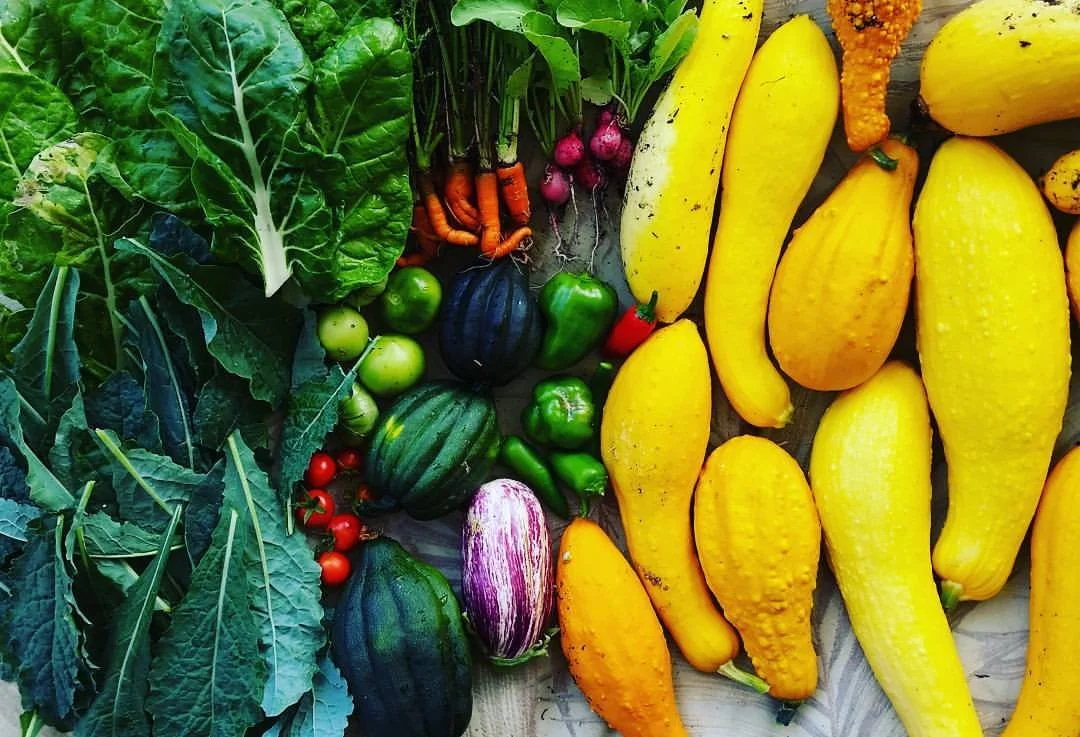
A salad from a few lettuce leaves, a handful of snap peas, basil for dinner: a first garden can contribute before it fills every corner of the yard. Start with lettuce, snap peas, zucchini and cherry tomatoes, plus basil for an easy-to-use herb. Plant them in their seasons rather than trying to fit all five into the ground at once.
Lettuce: harvest a little at a time
Loose-leaf lettuce lets you pick outer leaves while the center keeps growing, as UC IPM's lettuce guide explains. Sow a short row or plant a few starts, keep the seedbed moist and make another small planting as the season allows.
Cool coastal gardens offer a long lettuce season. In a hotter inland spot, choose a cooler part of the year or a suitable summer location. Our guide to winter lettuce and greens in Santa Cruz helps with the cool-season side.
Snap peas: a reason to check the garden often
Sow snap peas directly into well-drained soil during cool weather, and provide support suited to the variety. UC IPM's pea guidance gives January through April and September through October as approximate planting windows for Monterey County northward. Adjust for your site and current conditions.
Check moisture rather than relying on occasional rain. Pick pods when they become plump and still tender; regular harvesting keeps you from finding a whole row of overmature peas at once.
Zucchini: start with one plant
One zucchini is a sensible first trial. Give it the spacing on the packet, a sunny location and warm growing conditions. Starting small leaves room to learn how much you actually want to cook.
Watch for young fruit and harvest regularly. The local UC summer gardening guide recommends regular summer-squash picking to prolong the harvest. Production still depends on the plant, its care and the season.
Cherry tomatoes: choose an early coastal candidate
Sun Gold is a useful starting point on UC's coastal tomato list. If you're considering Sweet 100, ask about its performance in gardens with similar sun and exposure. Choose by maturity and local suitability as well as fruit size.
A sturdy start can simplify your first season. If you'd rather sow your own, plan backward using when to start tomato seeds on the California coast. Have its support ready when you plant.
Basil: learn to harvest for new growth
Give basil a warm, sunny spot when cool nights have eased. Local UC guidance treats spring planting dates as flexible, particularly between inland and coastal gardens. A tomato-ready afternoon can still be followed by a chilly night.
Once the plant is growing well, pinch stems back to a pair of leaves and harvest regularly. The local UC summer guide describes cutting below developing flowers to encourage more leaf growth. A small plant near the kitchen path makes remembering to pick it easier.
Make the first planting manageable
Choose one or two of these crops for the current season. Check the Monterey Bay planting resources, then look at your own microclimate. If the ground stays sticky after rain, our heavy-clay soil guide can help with preparation.
Do I need to grow all five?
No. Two crops you have time to water and harvest are a good beginning. Add another as you learn what fits your space and meals.
Where can I ask about a struggling plant?
The UC Master Gardeners of Monterey, San Benito and Santa Cruz Counties accept questions through their Gardening Advice Line. Include the plant, your location, how you're caring for it and clear photographs.
This week: choose one crop suited to the current weather, mark out its space and make a watering plan. Our first vegetable-garden guide and Your Garden Toolkit can help you get organized.
For seed shopping, browse Seeds Now and compare each variety's planting and spacing information. This is an affiliate link; purchases may earn Ambitious Harvest a commission at no extra cost to you. See our disclosure.