

Best Duck Breeds for the Santa Cruz Fog Belt
Best Duck Breeds for the Santa Cruz Fog Belt
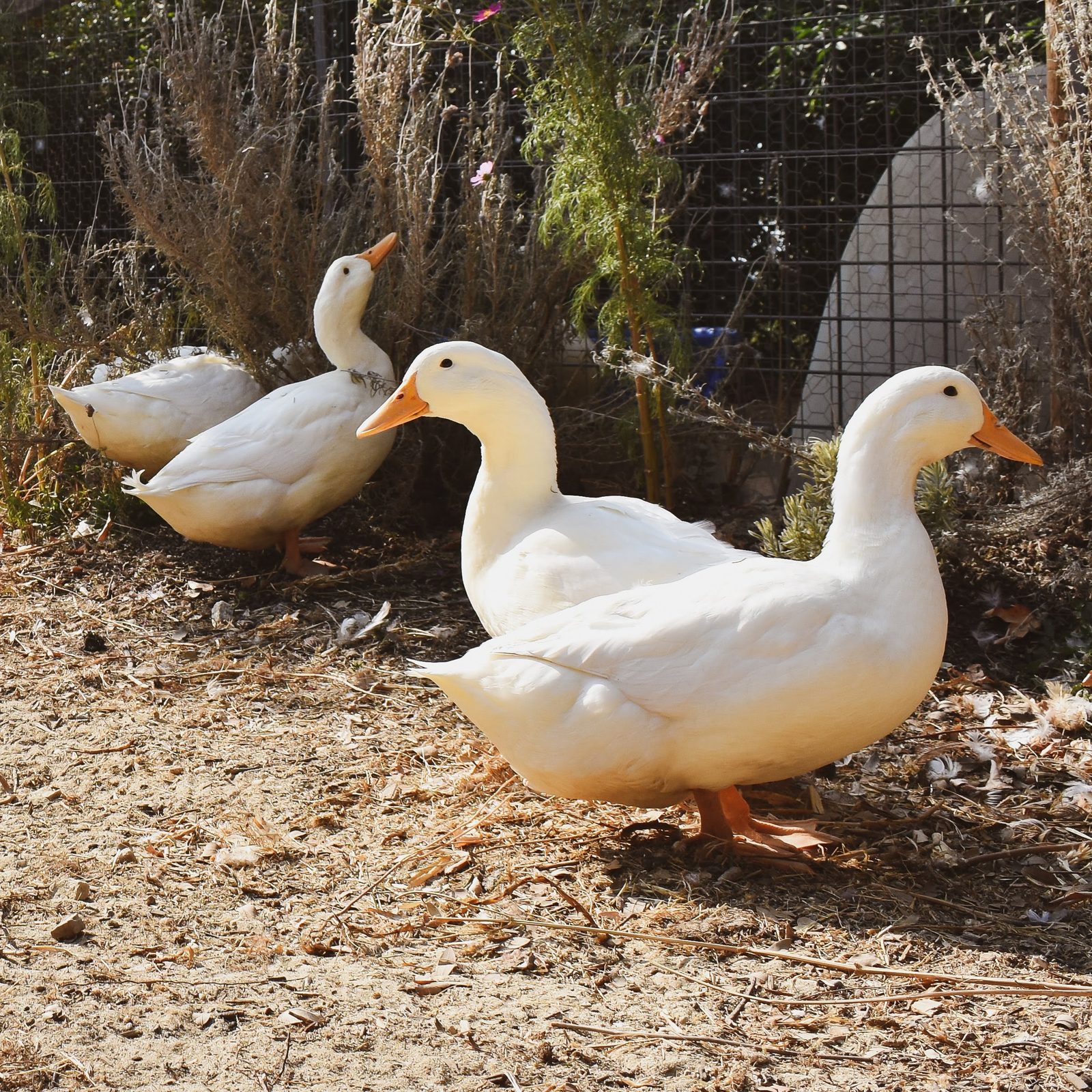
For the cool, damp, fog-belt conditions around Santa Cruz County, the best duck breeds are the Khaki Campbell, the Indian Runner, and the Welsh Harlequin. All three are lightweight, active foragers that lay 200 or more eggs a year, eat slugs eagerly, and shrug off wet weather that would leave chickens miserable. Ducks are simply built for damp ground, and their oily, insulating feathers keep them comfortable through gray coastal winters.
If you garden anywhere from Davenport down through the city of Santa Cruz, across to Soquel, Aptos, and the inland edge of Watsonville, you already know the rhythm here. Marine fog rolls in most mornings, the soil stays cool and moist, and slugs and snails treat your seedlings like a buffet. Chickens handle this climate well enough, but ducks were practically made for it. This guide walks through the duck breeds that thrive in fog-belt conditions, with a close look at egg output, temperament, noise, and slug appetite for each one. It also covers the breeds to skip, and a note on noise for anyone with neighbors close by.
This is the duck companion to our guide on the best chicken breeds for the Santa Cruz fog belt. If you are weighing ducks against chickens, or thinking about keeping both, read the two together.
Why Do Ducks Suit the Fog Belt Better Than Chickens?
Ducks have a real advantage in a cool, wet climate. Their feathers are coated with a natural oil that sheds water, and the dense down underneath traps warmth even when the air is damp. As a rule, ducks are more cold-hardy than chickens, and they tolerate wet conditions that can lead to respiratory trouble or frostbitten combs in chickens. They also tend to have sturdy immune systems against the organisms that thrive in wet ground. In a place where the marine layer keeps everything moist for weeks at a stretch, that resilience matters.
The other advantage is pest control. Ducks are voracious slug and snail eaters, and the fog belt grows slugs and snails by the bucketful. A small flock patrolling your beds will clear pests that no amount of hand-picking keeps up with. We dig into this in detail in our piece on natural pest control with a flock in a coastal Santa Cruz garden, but the short version is that ducks are gentler on established plants than chickens. They do not scratch and dig the way chickens do, so they can forage among growing crops without tearing up the bed, though they will trample seedlings and love tender greens, so fence young plantings.
The tradeoffs are mud and water. Ducks make mud wherever they have water, and they need clean drinking water deep enough to dunk their heads and rinse their eyes and bills. They do not, however, need a pond. We cover this fully in do I need a pond for backyard ducks, and the short answer is no. A shallow tub or kiddie pool that you can dump and refill is plenty, and it is far easier to keep clean than a standing pond. For day-to-day care and setup in our climate, see keeping ducks in your California garden.
Which Duck Lays the Most Eggs in Cool Coastal Conditions?
If your main goal is a steady supply of rich, large eggs, the Khaki Campbell is the breed to beat. Developed in England as the working layer of the duck world, Campbells commonly produce somewhere between 250 and 340 eggs a year, which rivals or beats the most productive laying chickens. They start laying around five to seven months old and keep going through the cool, short days of a coastal winter better than many breeds.
The Khaki Campbell is a lightweight, high-energy bird and a tireless forager. Owners often describe them as active and a little high-strung, so they want room to roam and will not be happy crammed into a tight run. Give them space to range, and they will repay you with eggs and with diligent slug control. On noise, they are on the quieter end of the laying breeds. Their everyday sounds tend more toward grunts than the sharp, carrying quack of louder ducks, though a hungry or startled Campbell will still speak up. For a fog-belt garden where the goal is eggs plus pest patrol, the Khaki Campbell is hard to top.
Which Duck Is the Best Slug Eater for a Santa Cruz Garden?
For sheer slug-hunting drive, the Indian Runner is the standout. Runners stand nearly upright and move at a brisk, comic pace, running rather than waddling. They are widely considered the most active foragers of all duck breeds, covering a large area in search of slugs, snails, insects, and larvae. In a fog-belt garden battling slugs and snails, a few Runners working the beds are a genuine form of pest control.
Runners are also solid layers, with good strains producing 200 to 300 eggs a year, mostly white. They are lean, light birds and not really meat ducks, but that is not what you keep them for. Their personalities are alert, curious, and a touch nervous, so they appreciate calm handling. Because they are so light and tall, they are easy to herd around the garden, which makes them practical for rotating through different beds. One caution on noise: Runner hens can be vocal when excited or alarmed, so factor that in if neighbors are close. Pair Runners with our notes on flock-based pest control and you have a working slug-control system that also lays breakfast.
Which Duck Has the Calmest Temperament?
The Welsh Harlequin is the breed people reach for when they want productivity without the high-strung energy of a Campbell. Harlequins are descended from Khaki Campbells but were bred toward a calmer, more docile temperament while keeping much of the laying ability. Good strains lay roughly 240 to 330 white eggs a year, though it is worth knowing that some hatchery lines lay considerably less, in the 100 to 200 range, so source from a breeder who selects for production if eggs are your priority.
Harlequins are curious, active foragers that are not easily alarmed, which makes them pleasant to have underfoot in the garden. They are a true dual-purpose breed, useful for both eggs and meat, and they are listed on the watch list of the Livestock Conservancy, so keeping them supports a heritage breed. They are also more inclined than Campbells to go broody and raise their own ducklings, which is a bonus if you want to grow your flock naturally. For a calm, all-around fog-belt duck, the Welsh Harlequin is an excellent first choice.
What Are the Quietest Ducks for Close Neighbors?
This is the question that decides duck-keeping for a lot of Santa Cruz lots, where houses sit close together and a loud flock can strain a friendship fast. The single most important thing to understand is that the loud quack everyone pictures comes from female ducks. Drakes, the males, do not really quack at all. They make a soft, raspy whisper of a sound that barely carries past your own yard. Hens are the ones that sound off, sometimes loudly and sometimes in unison, when they are excited, alarmed, or asking to be let out in the morning.
So the quietest possible duck setup is a small group of drakes, or a flock kept mostly for the garden rather than for eggs. If you want eggs and you have close neighbors, lean toward the quieter laying breeds and keep the flock small. The Cayuga is the standout quiet hen, often recommended specifically for urban and suburban settings. Khaki Campbells and Welsh Harlequins are moderate and manageable. Where you want to be careful is with Indian Runner hens, which can be vocal, and especially with Pekin hens, which have a loud, piercing call that carries and tends to fire off at night when something startles them.
One practical note: avoid flock sex ratios that cause harassment and keep noise, sanitation, and space in mind. Before buying ducks, Santa Cruz County Animal Shelter links to the animal code for each local jurisdiction. For unincorporated property, the County zoning code sets parcel size, zoning, density, enclosure, sanitation, and noisy-fowl rules. Also check any lease or HOA restrictions.
Which Heritage Ducks Are Worth Considering?
Beyond the top three layers, a few heritage breeds earn a place in a fog-belt flock, especially if you value temperament, quiet, or a dual-purpose bird.
The Cayuga is a beautiful, hardy heritage duck with iridescent beetle-green-black plumage. It is the quiet member of the group and well suited to cooler climates, which makes it a natural fit for the coast. Cayugas lay fewer eggs, roughly 130 to 180 a year, and they have a fun quirk: early in the laying season their eggs can be very dark, almost black, lightening toward gray and white as the season goes on. They are calm, poor fliers, and one of the better choices for keepers who prioritize quiet over volume of eggs.
The Saxony is a striking dual-purpose breed developed in Germany, laying up to about 240 eggs a year. Saxonys are docile, curious, and bold foragers, and they put on enough size to serve as a meat bird as well. The Buff Orpington duck, also called simply the Buff, is another easygoing dual-purpose option. Buffs lay roughly 150 to 220 large eggs a year, carry the same sweet, docile temperament as their chicken namesake, and forage actively without being flighty. Both Saxony and Buff are listed by the Livestock Conservancy, so keeping them helps preserve breeds with shrinking numbers. For a coastal homesteader who wants calm birds, eggs, and the option of meat, either is a sound pick.
Which Ducks Should You Skip or Think Twice About?
Not every popular duck suits a close-quartered, foggy coastal lot. A few breeds are worth a second thought.
The Pekin is the familiar big white duck and a fine bird in the right setting, but it is the wrong choice if you have neighbors nearby. Pekin hens are loud, with a carrying call that goes off in fear, excitement, and at night, and a small flock can sound off together and amplify the racket. Pekins are also bred primarily for meat, growing to seven to ten pounds, so they are heavier, less agile foragers and less efficient slug patrols than the lightweight layers. If you have space, want meat, and noise is not a concern, a Pekin is friendly and hardy. On a tight suburban lot, it is a hard sell.
Muscovy ducks deserve a mention because they are genuinely quiet, since they hiss rather than quack, and they are excellent foragers and pest eaters. The catch is that they are a different species, they are strong fliers unless their wings are managed, they can be territorial, and the drakes get large with sharp claws. They are a worthwhile bird for some keepers, but they are enough of a departure from standard ducks that we would not put them on a beginner's fog-belt list.
Finally, match breed and flock size to your actual shelter, water, drainage, neighbor distance, and care capacity. Do not assume that two to four ducks automatically comply with local law; verify the parcel's jurisdiction and zoning before purchase.
How Do You Get Started With Ducks in Santa Cruz County?
Once you have settled on a breed, the next step is sourcing healthy ducklings. We are fortunate to have one of the country's best-known waterfowl hatcheries close to home: Metzer Farms in Gonzales, just down Highway 101 in the Salinas Valley, has been hatching ducks and geese since 1972 and carries all the breeds in this guide. Buying from a reputable hatchery or a local breeder who selects for laying ability and good temperament makes a real difference, especially for breeds like the Welsh Harlequin where hatchery quality varies.
To compare breeds side by side and find nearby sources, use our Build Your Flock tool, which includes hatcheries like Metzer Farms along with local options. When your ducklings arrive, raising them well in our cool, damp climate has its own quirks, and we walk through brooder setup, warmth, and the move outdoors in raising chicks and ducklings in Santa Cruz.
Ducks are one of the most rewarding additions you can make to a fog-belt garden. They turn your slug problem into eggs, they stay cheerful through gray, drippy winters, and a small flock of the right breed fits comfortably even on a modest lot. Choose a calm, productive layer, give them clean water and a dry place to sleep, mind the mud, and they will earn their keep season after season.
Planning out your whole backyard system, from beds to birds to season timing? Our Garden Toolkit pulls together the planting calendars, zone guides, and planning resources that make a productive coastal garden a lot less guesswork.
Frequently Asked Questions
Do ducks need a pond to be healthy?
No. Ducks need clean water deep enough to submerge their heads and rinse their bills and eyes, but a shallow tub or kiddie pool you can empty and refill is plenty. A dump-and-refill setup is actually easier to keep clean and safer than a standing pond, which can grow algae and harbor pathogens. See our full guide on whether you need a pond for backyard ducks.
Which duck breed is quietest for a suburban backyard?
Drakes of any breed are the quietest, since males do not truly quack and instead make a soft, raspy sound. Among hens, the Cayuga is widely recommended as a quiet breed for urban and suburban settings. Khaki Campbells and Welsh Harlequins are moderate. Avoid Pekin hens if noise is a concern, as their call is loud and carrying.
How many eggs will a duck lay in the fog belt?
It depends on the breed. Khaki Campbells can lay 250 to 340 eggs a year, Welsh Harlequins 240 to 330 from good strains, and Indian Runners 200 to 300. Heritage breeds like the Cayuga lay fewer, around 130 to 180. Ducks tend to keep laying through cool, short coastal winters better than many chickens.
Are ducks better than chickens for slug control?
For slugs and snails, yes. Ducks are voracious slug and snail eaters and forage gently among established plants without the heavy scratching chickens do. Indian Runners are the most active foragers and the top choice for slug patrol, though they will still trample seedlings, so fence young plantings.
Can ducks handle Santa Cruz winters outdoors?
Easily. Ducks are more cold-hardy and far more tolerant of wet conditions than chickens, thanks to their oily, water-shedding feathers and dense down. Our mild, damp coastal winters are well within their comfort range. They still need a clean, dry, draft-free shelter to sleep and lay in, but the gray and the wet do not bother them.
Do I need a permit to keep ducks in Santa Cruz County?
It depends on the jurisdiction, zoning, parcel, and enclosure. The Santa Cruz County Animal Shelter page links the current municipal animal codes, and the unincorporated County code provides zone-specific poultry standards. Check the applicable code and any lease or HOA rules before bringing ducks home.
