

Best Chicken Breeds for the Santa Cruz Fog Belt
Some links in this guide are affiliate links. If you buy through them, we may earn a small commission at no extra cost to you. Read our full disclosure.
Best Chicken Breeds for the Santa Cruz Fog Belt
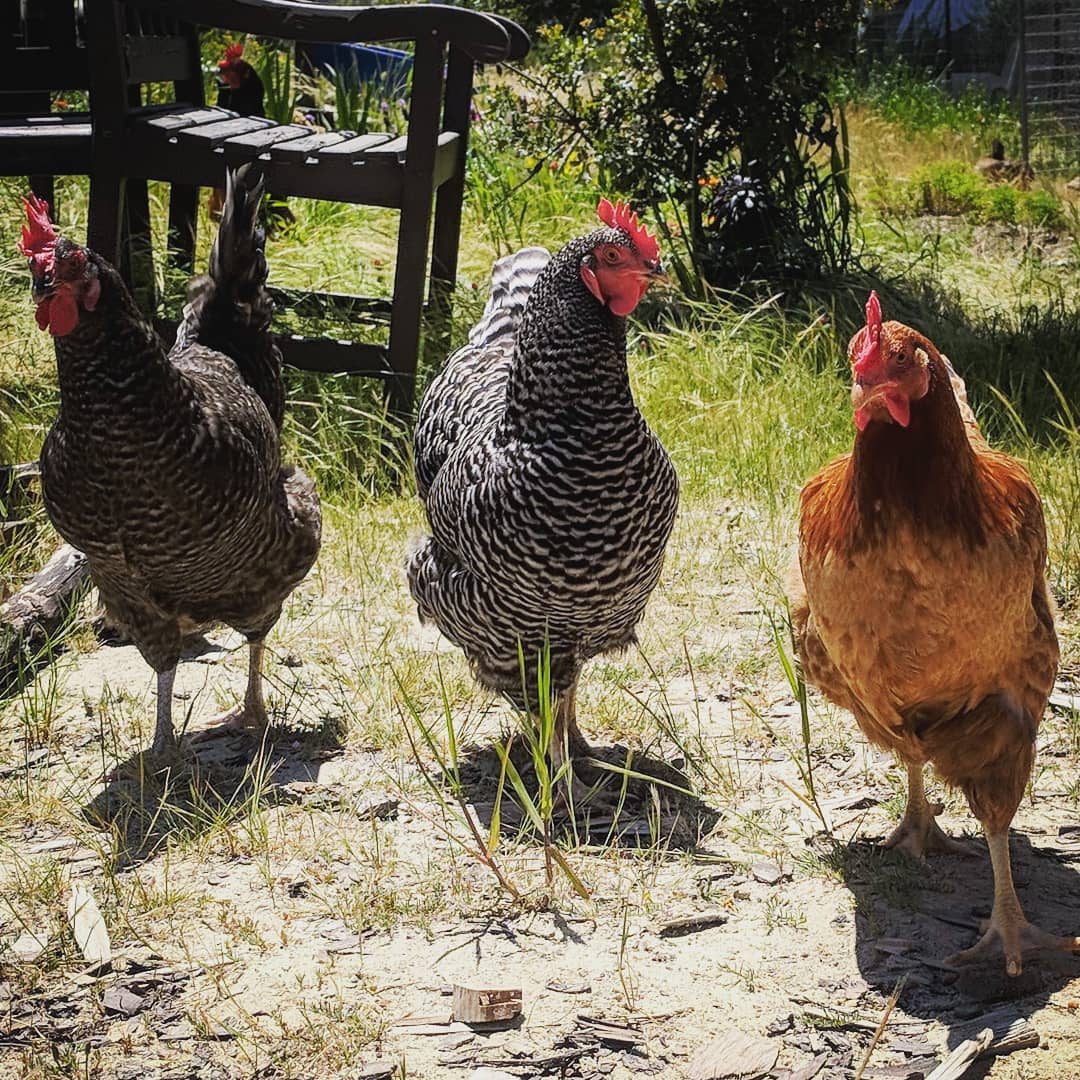
The best chicken breeds for Santa Cruz County's fog belt are Black Australorps, Rhode Island Reds, Speckled Sussex, Easter Eggers, and Buff Orpingtons. These breeds share traits that matter most in our coastal conditions: rose or pea combs that resist moisture-related frostbite, reliable laying through the low-light gray months of June and July, and calm temperaments suited to smaller urban and suburban lots. According to the Livestock Conservancy, comb type and feather density are the primary structural factors determining how well a breed handles cold, wet conditions, making them the right starting point for any fog-belt flock selection.
Why Does the Santa Cruz Fog Belt Require a Different Breed Approach?
Most national breed guides organize their recommendations around two extremes: cold-hardy breeds for Minnesota winters and heat-tolerant breeds for Texas summers. Santa Cruz County sits in neither category. Our coastal climate is defined by cool, damp summers with persistent June and July fog, mild wet winters that rarely freeze, and year-round relative humidity that runs high by California standards.
The practical consequences for your flock are specific. Fog-belt chickens deal with damp conditions almost daily, which matters most for comb health. Large single combs, the tall, serrated combs you see on Leghorns and Rhode Island Whites, have narrow tissue points that absorb moisture and become frostbitten even in mild temperatures when wet overnight. A comb that is frostbitten once becomes scarred and damaged, which affects laying consistency and makes the bird more prone to future injury. Rose combs and pea combs, which are flatter and more compact, present far less surface area for moisture to accumulate and are considered substantially more frost and damp tolerant by the American Poultry Association.
Low light is a second fog-belt consideration that most breed guides underweight. Chickens lay in response to day length. During our overcast June and early July, Santa Cruz County can go two to three weeks with almost no direct sun. Breeds that are sensitive to reduced light drop production sharply. Breeds that are more robust layers, those bred for consistent production rather than peak output, sustain laying better through gray stretches.
Finally, many Santa Cruz County flock keepers are working with smaller urban and suburban lots, with neighbors within earshot. Noise tolerance in a neighborhood context narrows the breed field meaningfully. Some breeds are notoriously loud. Others are quiet enough that most neighbors never notice they are there.
If you are deciding whether to start a flock at all, Starting a Backyard Flock in Santa Cruz County covers permits, coop requirements, and what to expect in your first year.
Which Breeds Are the Best All-Around Layers for the Fog Belt?
The breeds below have the right combination of comb structure, laying resilience, and temperament for Santa Cruz County conditions. Egg production figures come from the Livestock Conservancy and university extension sources and represent consistent averages for well-managed flocks, not idealized maximums.
Black Australorp. Consistently the top recommendation for coastal California. Australorps hold the world record for egg production (364 eggs in 365 days, set in Australia in the 1920s, documented by the Livestock Conservancy), but more relevant to fog-belt keepers is their consistent production through low-light months. Expect 250 to 300 large brown eggs per year in a well-fed flock. They have a single comb, which is the one caveat, but their comb is moderate in size, not the tall, narrow serrations of a Leghorn. In mild coastal winters, this is manageable with a dry coop. Australorps are calm, steady, and quiet. They do well in smaller spaces, integrate smoothly into mixed flocks, and are reliably gentle with children. One of the few breeds where nearly every trait lines up for our conditions.
Speckled Sussex. A heritage breed with a single comb, excellent temperament, and good production in the range of 200 to 250 large brown eggs per year according to the Livestock Conservancy. The single comb on a Sussex is moderate in size and manageable in a well-maintained dry coop. Speckled Sussex are curious, friendly birds that forage actively, which makes them ideal if you want breeds that integrate into the garden. They tolerate confinement well when free-range access is limited, and they are quieter than most dual-purpose breeds. The feathering is dense and medium-weight, appropriate for damp coastal conditions without becoming waterlogged the way heavily feathered breeds can.
Easter Egger. Easter Eggers (not to be confused with the recognized Ameraucana or Araucana breeds) carry a pea comb and lay blue, green, or sometimes pink-tinted eggs at a rate of 200 to 280 per year, depending on the hen. The pea comb is one of the best structural choices for the fog belt. Easter Eggers are generally friendly, are rarely aggressive, and tend to be quiet birds. Their production is not quite as consistent as Australorps through low-light stretches, but their comb type and temperament make them a strong fog-belt choice. Hatchery Easter Eggers are widely available and relatively inexpensive to start with.
Buff Orpington. The quintessential "friendly" chicken breed. Buff Orpingtons produce 200 to 250 large brown eggs per year, which is lower than the pure production breeds, but they are exceptionally calm, frequently go broody (which matters if you ever want to raise chicks naturally), and are remarkably tolerant of children and handling. Their single comb is moderate in size. In a fog-belt coop that stays dry, this is not a problem. Orpingtons have dense, fluffy feathering that retains warmth, which is a genuine benefit through our wet winters. They are not the fastest foragers, but they will range contentedly if given space.
Rhode Island Red. A production-bred dual-purpose bird with strong laying numbers, typically 250 to 300 large brown eggs per year according to Penn State Extension. Rhode Island Reds are dependable through low-light periods and are not sensitive foragers that require ideal conditions to perform. They have a single comb, and the production-bred lines have been selected heavily enough that the comb can run tall. In the fog belt, watch for moisture in their comb during wet spells and dry with a cloth if needed. Some Rhode Island Red hens trend toward assertive behavior in a mixed flock, so they are better suited to experienced keepers or flocks without particularly docile breeds in the mix.
What Are the Quietest Breeds for Tight Urban and Suburban Lots?
Noise is the most common reason backyard flock keepers lose neighbor goodwill or face city complaints. Hens are not as loud as roosters (most Santa Cruz County cities prohibit roosters), but some breeds are meaningfully louder than others. The "egg song," the vocal announcement hens make after laying, varies in volume and duration by breed and individual bird.
The quietest breeds consistently identified in UC ANR's small-scale poultry resources and extension publications are Easter Eggers, Buff Orpingtons, Speckled Sussex, and Wyandottes. These breeds tend to cluck and murmur rather than broadcast their activities. Individual variation exists within any breed, but these are the safest choices when a neighbor is close enough to hear a bird in the yard.
Breeds known to be louder on average include Rhode Island Reds, Barred Rocks (while excellent layers with good comb profiles, they tend to be vocal), and Leghorns. This does not make these breeds bad, but in a dense Santa Cruz neighborhood where your coop is eight feet from a shared fence, the quieter breeds are a more considerate choice.
Wyandottes deserve particular mention for urban lots. They are reliably calm, tend to stay close to home rather than ranging aggressively, and are quiet enough that most neighbors in residential areas never raise an objection. The rose comb is an added structural bonus for the fog belt.
If your lot is especially constrained or your neighbor situation is delicate, see Standard or Bantam Chicken Breeds for a Small Backyard for a fuller discussion of whether bantam-sized birds might serve your situation better.
Which Breeds Handle Wet Combs and Damp Conditions Best?
Comb type is the most important structural consideration for fog-belt breed selection. This is where Santa Cruz County diverges most sharply from standard national breed guides, which prioritize cold hardiness (which often focuses on feather density and body mass) over moisture resistance.
A single comb, the type most people picture when they think of a chicken, has a row of upright points along a ridge from forehead to the back of the skull. In damp overnight conditions, moisture settles into these points. In mild but wet temperatures, this causes frostbite, which first appears as blackening and shriveling of the comb tips. The American Poultry Association notes that single-combed breeds from Mediterranean climates (Leghorns, Anconas, Minorcas) are the most susceptible because they were selected for large combs as a heat-dissipation mechanism, not for cold or wet tolerance.
Rose combs and pea combs lay flat against the head with minimal surface area and are significantly more resistant to moisture injury. The breeds with the best comb profiles for the fog belt are:
Wyandotte (rose comb). The Wyandotte's rose comb is perhaps the most practical choice for the fog belt. The comb is nearly flat to the skull, sheds moisture rather than collecting it, and is essentially frost and damp resistant under all conditions our coastal winters will produce. Wyandottes produce 200 to 240 large brown eggs per year, are calm and adaptable, and tolerate confinement well. The Silver Laced and Golden Laced color varieties are the most widely available, but all Wyandotte varieties carry the rose comb. According to the Livestock Conservancy, Wyandottes were developed in the northeastern United States specifically for year-round production in variable weather conditions, which maps well to Santa Cruz County's variability.
Dominique (rose comb). America's oldest recognized breed, the Dominique also carries a rose comb and was developed for self-sufficient farm production in the Northeast, where damp cold was common. According to the Livestock Conservancy breed profile, they produce 230 to 275 light-to-dark brown, medium-size eggs per year, are calm and somewhat independent, and are good foragers. The Dominique is on the Livestock Conservancy's Watch List, which means keeping them supports breed conservation. If you want a fog-belt appropriate breed with heritage significance, the Dominique is a good choice.
Easter Egger (pea comb). The pea comb is a three-ridged, low-profile comb that presents almost no surface for moisture accumulation. Easter Eggers' Ameraucana heritage gives them one of the most fog-belt practical comb structures of any common backyard breed. They also tend to have slightly heavier feathering around the face (muffs and beard) that provides some additional moisture buffering.
For heritage and conservation breeds with rose combs that also do well in Santa Cruz County conditions, Heritage and Rescue Chicken Breeds in Santa Cruz covers the full landscape including local rescue options.
What Are the Best Breeds for Garden Integration and Foraging?
Many Santa Cruz County flock keepers want birds that contribute to the garden ecosystem, working through beds after harvest, reducing pest pressure, and integrating with the garden rather than simply occupying a run. Not all breeds forage with the same enthusiasm or intelligence.
Active foragers include Speckled Sussex, Dominiques, Easter Eggers, and most heritage breeds. These birds will range purposefully when given access, cover significant ground, and scratch and pick actively rather than standing near the feeder. According to UC Davis research on pastured poultry, active foraging can reduce commercial feed consumption by 10 to 20% while improving egg yolk color and omega-3 content through the diverse diet that foraging provides.
Speckled Sussex are particularly good garden companions because they are curious without being destructive in the aggressive way that some breeds are. They will follow you through the garden and respond to disturbance, picking up insects you unearth. They are less likely than some breeds to target young seedlings if given adequate feed and foraging access elsewhere.
Buff Orpingtons and Wyandottes will forage, but they tend to be less energetic rangers than the lighter heritage breeds. They are more content to stay near the coop, which is either a benefit (they are easier to keep within a designated area) or a limitation depending on your garden setup.
If you integrate birds with ducks in a mixed garden flock, Keeping Ducks in Your California Garden explains how to manage the combination effectively, including how the two species' foraging patterns complement each other.
What Breeds Should You Avoid in the Santa Cruz Fog Belt?
Several popular breeds recommended on national lists are a poor fit for our specific conditions. This is not a criticism of the breeds themselves, just an account of the mismatch.
The general pattern is clear: avoid breeds with very tall single combs, breeds with feathered feet, and breeds whose feather structure absorbs rather than repels moisture. These traits are manageable in dry climates, but in the fog belt they create recurring welfare and health problems that a simple breed choice can eliminate.
How Do You Choose Between a Family-Friendly Breed and a Production Breed?
This is the practical tension for most first-time flock keepers: do you optimize for eggs or for birds that children can interact with safely? The good news in the fog belt is that several breeds do both reasonably well.
Buff Orpingtons are the standard recommendation when a family with young children is the primary audience. They are large enough that small children do not frighten them, they rarely peck aggressively, and they tolerate handling without the wing-flapping and panic that more nervous breeds display. Their egg production is lower than the pure layers, but 200 to 250 eggs per year still represents a meaningful supply for most households.
Easter Eggers are a close second for family flocks. The color variety in their eggs (blue, green, olive, pink) is genuinely exciting for children. They tend to be friendly and curious, and while they are not as uniformly docile as Orpingtons, they are more reliably calm than Rhode Island Reds.
If you want to prioritize production and are comfortable with birds that are less handleable, Rhode Island Reds or Black Australorps will give you the most eggs per dollar of feed cost. Australorps edge out Rhode Island Reds on temperament without giving up much in production numbers, which is why they appear near the top of most fog-belt recommendations.
For families considering whether a smaller bird might suit the household better, Standard or Bantam Chicken Breeds for a Small Backyard compares full-size and bantam production and space requirements side by side.
How Many Hens Do You Actually Need for a Fog Belt Flock?
This question is partly about production and partly about the realities of coastal California egg-laying patterns. During our grayer stretches, even the best layers reduce production. Planning for some seasonal variation in your egg supply is practical.
A rough guide based on production averages: if you want approximately one dozen eggs per week year-round in the fog belt, plan for four to five hens of a high-production breed (Australorp, Rhode Island Red, Easter Egger, Dominique) or five to six of a lower-production breed (Orpington). These numbers assume good feed, adequate coop conditions, and the natural low-light production dip that coastal flock keepers experience from roughly mid-June through mid-July.
Hens' production peaks in their first and second laying year, then declines gradually. A three-year-old hen typically produces 60 to 70% of her peak-year output. Building in a rotation plan, either by adding pullets every two to three years or by accepting reduced production from older birds you keep for other reasons, gives you a more consistent supply over time.
For a full orientation to starting and sizing your first Santa Cruz County flock, see Starting a Backyard Flock in Santa Cruz County, which covers sizing, coop requirements, and what to expect from the county permit process.
Once you have your breed list narrowed, the /build-your-flock section of this site has sourcing guides for reputable California hatcheries and local feed stores that carry day-old chicks in spring.
What Do Coastal Conditions Mean for Coop Design and Breed Performance?
Breed selection and coop design are connected. A breed that struggles in the fog belt in a poorly designed coop can thrive in the fog belt in a well-ventilated, dry coop. This matters because some of the fog-belt concerns about specific breeds can be mitigated by management.
The most important coop feature for coastal Santa Cruz County is ventilation combined with draft protection. High humidity in a closed coop with inadequate airflow creates ammonia buildup, respiratory problems, and damp bedding that dramatically increases comb frostbite risk. According to UC ANR's small-scale poultry housing guidance, coops need at minimum one square foot of ventilation per bird, placed high on the wall above the roost so air moves through without creating a direct draft on roosting birds.
Dry bedding matters more in our climate than in dry regions. Deep litter management (building up dry organic bedding material that composts in place and generates slight heat) works well in Santa Cruz County's mild temperatures. The compost activity keeps the floor dry and warm without heating elements. Check and refresh bedding more frequently during extended rainy periods in December through February.
For any breed with a single comb, keeping the coop dry and the roost area draft-free effectively reduces fog-belt comb vulnerability. This is why a breed like the Black Australorp, which technically has a single comb, performs well here when housed correctly. The comb issue is real, but it is manageable with appropriate housing, and Australorps' other traits make them worth that management step.
If you are also considering ducks as part of a garden flock, Keeping Ducks in Your California Garden explains how the housing requirements differ and how to set up shared spaces that work for both species without creating mud and moisture problems that harm your chicken flock.
Where Can You Source Fog Belt Appropriate Breeds in California?
Most of the breeds recommended here are available from major California-accessible hatcheries that ship to the state, including Murray McMurray, Meyer Hatchery, and Cackle Hatchery. The Livestock Conservancy maintains a directory of heritage breed breeders, which is useful if you are specifically seeking Dominiques or heritage-strain Sussex rather than production-bred hatchery stock.
Local feed stores in Santa Cruz County carry day-old chicks seasonally, typically from late February through May. Santa Cruz Feed and Supply typically receives chicks in spring and can tell you which breeds they are stocking each season. Availability varies year to year, but breeds like Easter Eggers, Buff Orpingtons, and Black Australorps are commonly available locally. Calling ahead in January to ask what is coming for the season is worth the effort.
Choosing locally sourced chicks when possible reduces shipping stress and supports local agricultural businesses. A chick that arrives from a local feed store rather than a multi-day shipping box starts its life in better condition. For heritage breeds not available locally, mail-order hatcheries that guarantee live delivery and offer sexed pullets are a reliable option.
For everything you need to get your flock off to a strong start, including housing plans, record-keeping sheets, and seasonal checklists, visit Your Garden Toolkit for downloadable resources developed specifically for California backyard flock keepers.
Frequently Asked Questions
What is the best chicken breed for Santa Cruz County's foggy climate?
The Black Australorp is the best all-around breed for Santa Cruz County's fog belt. It produces 250 to 300 large brown eggs per year, has a moderate single comb that is manageable in a dry coop, and is consistently calm and quiet. Easter Eggers and Wyandottes are close behind because their pea and rose combs provide better moisture resistance, reducing fog-belt comb management concerns. According to the Livestock Conservancy, Wyandottes were specifically developed for year-round production in variable-weather climates.
Why is comb type important for chickens in the Santa Cruz fog belt?
Comb type determines moisture vulnerability. Large single combs collect condensation in damp coastal conditions, which leads to frostbite of the comb tips even in mild temperatures. Rose combs and pea combs are flat against the skull, shed moisture, and are considered substantially more damp and frost tolerant by the American Poultry Association. In the fog belt, where humidity runs high most of the year, comb structure is as important as feather density for overall bird health and laying consistency.
Do chickens lay well during Santa Cruz County's foggy June and July?
Production dips during the gray stretches of late June and early July when overcast skies reduce perceived day length, which is the primary laying trigger for hens. Breeds selected for consistent production rather than peak output, including Black Australorps, Easter Eggers, and Rhode Island Reds, handle low-light periods better than breeds that are more day-length sensitive. Supplemental lighting (14 to 16 hours per day total) can maintain production if needed. UC Cooperative Extension notes that light sets the start and end of the laying cycle, and that adding supplemental light to reach about 14 hours a day extends the laying season through winter.
Are Silkies a good choice for the Santa Cruz fog belt?
Silkies are not well suited to the Santa Cruz fog belt. Their unusual feather structure, which lacks the interlocking barbs of normal feathers, absorbs moisture rather than shedding it. In damp coastal conditions, Silkies can become thoroughly wet to the skin, creating genuine hypothermia risk. They are excellent birds for dry climates or covered, protected runs, but the fog belt's persistent moisture makes them a welfare concern without very careful housing and management. The Livestock Conservancy breed profile notes that Silkie feathering requires protection from wet conditions.
Which chicken breeds are quietest for small urban lots in Santa Cruz?
Buff Orpingtons, Easter Eggers, Wyandottes, and Speckled Sussex are consistently identified as among the quieter backyard breeds by UC ANR small-flock resources and experienced keeper communities. They tend to vocalize softly and briefly rather than sustaining loud egg songs. Rhode Island Reds, Barred Rocks, and Leghorns tend to be louder on average. No breed guarantee exists because individual variation is significant, but starting with the quieter breeds reduces neighbor conflict risk meaningfully for tight urban and suburban lots.
What chicken breeds have feathered feet and why should you avoid them in the fog belt?
Breeds with feathered feet include Cochins, Brahmas, Faverolles, and Sultans. In the fog belt's damp soil conditions, foot feathering collects mud and moisture, leading to chronic wetness around the legs, increased risk of bumblefoot (a bacterial foot infection), and frostbite of the feathered toes. These breeds are manageable in dry climates with covered runs and dry substrate but require significantly more active management in coastal California's wet ground. The American Poultry Association and poultry extension publications consistently advise clean-legged breeds for wet climate situations.
Can I keep heritage breeds in the Santa Cruz fog belt?
Yes. Several heritage breeds are well suited to fog-belt conditions. The Dominique, America's oldest recognized breed, carries a rose comb and was developed for variable-weather production in the northeastern United States. Speckled Sussex are a heritage breed with good production and active foraging traits. The Livestock Conservancy's Watch and Recovering lists include several breeds that perform well in coastal conditions, and keeping heritage breeds supports genetic diversity and conservation. Contact the Livestock Conservancy at livestockconservancy.org for a directory of heritage breed breeders in California.
