

How to Plant a Moonlight Garden with Kids
How to Plant a Moonlight Garden with Kids
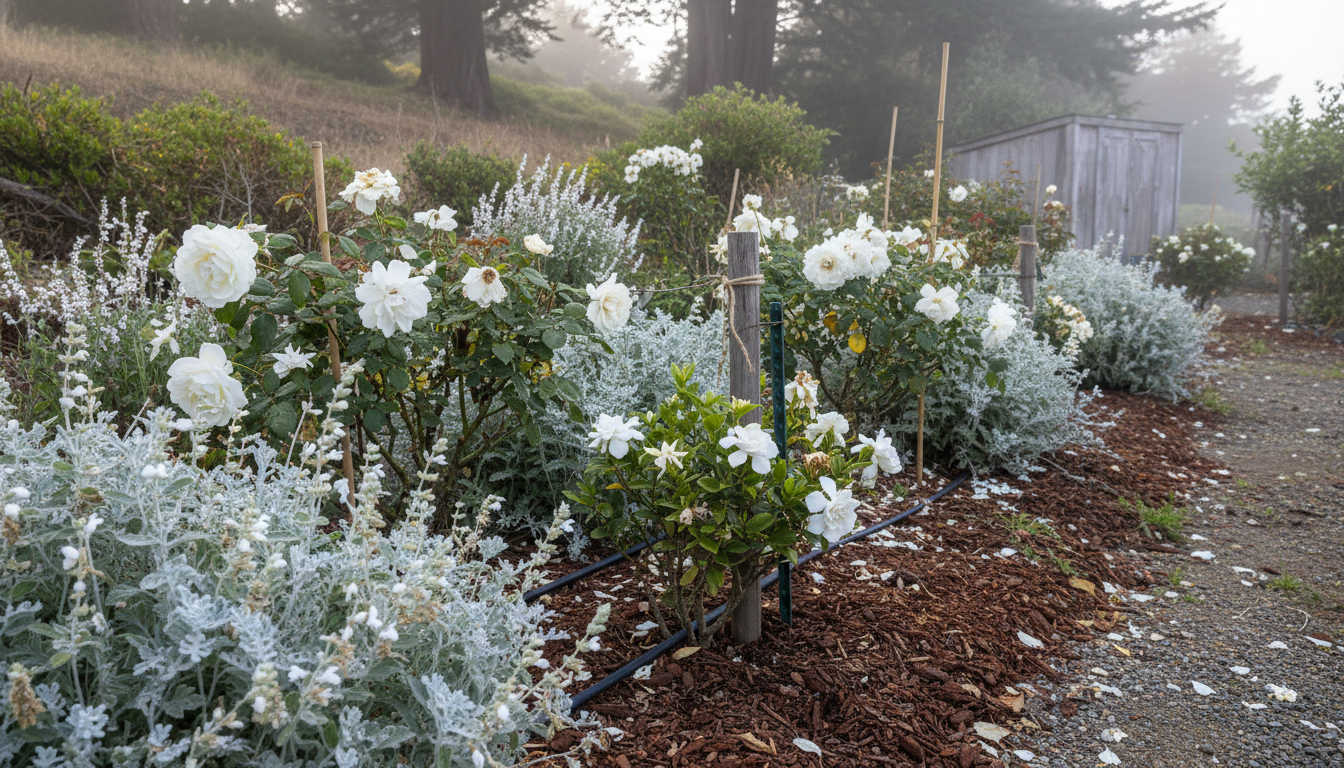
A moonlight garden uses white flowers and silver foliage to catch the light as evening settles in. You do not need rare night-blooming plants or a large yard. A few pots beside a seat can give your family a reason to step outside, notice the changing light, and spend a quiet ten minutes together.
For a garden children will help tend, start with a short, clearly labeled plant list and activities that do not involve tasting plants. Several flowers often recommended for moonlight gardens are poisonous. This family project leaves those plants out.
Which Plants Belong in a Family Moonlight Garden?
Choose plants for the sunlight, drainage, and space you actually have. White-flowered varieties bloom during the day too; the moonlight effect comes from their pale surfaces reflecting available light, rather than the flowers producing light themselves.
White Cosmos
White cosmos, such as Cosmos bipinnatus 'Purity', adds open flowers and fine foliage to a sunny bed. Check the seed packet for mature height before placing it beside a path. Taller varieties belong behind shorter plants, with room to grow without leaning across the walkway. NC State Extension's cosmos profile describes its growing conditions and varieties.
White Zinnias
Choose a variety labeled white, and use its listed height to decide between a pot and a bed. Zinnias suit a warm, sunny spot with good drainage. In a foggy Santa Cruz garden, allow space between plants and water the soil rather than repeatedly wetting the leaves. Their summer flowers give children something easy to sketch and count. See NC State Extension's zinnia growing guide.
Lamb's Ear
Lamb's ear (Stachys byzantina) supplies silver-gray leaves even when it is not flowering. Give it a well-drained location and avoid keeping its crown wet. An adult can identify the plant before a supervised texture activity; children should wash their hands afterward. NC State Extension's lamb's ear profile explains its care and sensitivity to wet conditions.
Which Moonlight-Garden Plants Should We Leave Out?
Do not include angel's trumpet (Brugmansia), night-blooming jessamine (Cestrum nocturnum), or flowering tobacco (Nicotiana) in this children's planting project. Calling them “look-and-smell plants” does not remove the risk of a child picking or tasting them.
- Angel's trumpet: UC ANR identifies the entire plant, including its nectar, as toxic if ingested.
- Night-blooming jessamine: despite its common name, Cestrum is not a harmless jasmine substitute. NC State Extension states that all parts are toxic if eaten.
- Flowering tobacco: NC State Extension identifies ingestion toxicity and possible skin irritation.
We also leave moonflower vines, dusty miller, and caladiums out of this project. You can achieve a white-and-silver garden without adding these plants. Common names can refer to different species, so keep the botanical name from each nursery label and check unfamiliar plants before buying them.
No ornamental plant in this guide is an invitation to eat flowers, leaves, or seeds. Keep seed packets, fertilizers, and garden products with an adult. If a young child routinely puts plants in their mouth, choose a supervised looking-and-drawing activity instead of hands-on planting.
How Do You Lay Out a Small Moonlight Garden?
- Choose a viewing spot first. A patio chair or bench with a clear, level route from the house works well. Check steps, irrigation hoses, and pot edges in daylight.
- Check daytime sun. An evening garden still needs daytime light to grow. Place cosmos and zinnias in a sunny area. A shady porch can be your viewing seat, with the flowers in a sunnier bed nearby.
- Plant in small groups. Repeat white flowers rather than buying one of many unfamiliar species. Put taller varieties behind low foliage and leave room for their mature spread.
- Keep care needs separate. Lamb's ear needs good drainage. A separate pot can make watering easier if the flower bed stays moist.
- Keep the route usable. Do not depend on moonlight to see steps or other hazards. Use enough downward-directed light to move safely, then enjoy the garden from your seat.
For containers, start with one pot of white zinnias or cosmos and a separate pot of lamb's ear. Use containers with drainage holes and follow the plant label for spacing. Two healthy pots are a useful first project; you can expand after seeing how they handle your garden's sun, wind, and watering routine.
What Can Kids Do in the Garden at Dusk?
Choose activities to fit the child rather than a fixed age. An adult stays with the group, identifies any plant that will be touched, and keeps everyone on the clear path or in the seating area. No blindfolds, closed-eye walks, plant tasting, or picking unidentified flowers are needed.
Compare Colors
Before sunset, ask each child to sketch the brightest flower. Return to the same seat at dusk and compare what is easiest to see. A white flower that stood out in daylight may look different under cloud or nearby lighting. Record what you notice instead of expecting the garden to glow every night.
Make an Evening Garden Map
Draw the pots, path, seat, and a few recognizable plants. Mark where light falls and where shadows collect. An adult can use the map to spot a hose or pot that needs moving before the next visit.
Watch Visiting Insects
Sit quietly and observe any visitors without catching them or shining a bright light directly at them. Some evenings may be busy and others quiet. Note the time, weather, and flowers being visited. You do not need to plant toxic night-blooming flowers to practice careful observation.
Keep a Moon and Weather Journal
Draw the visible moon shape, or record that clouds or fog hid it. Add a note about wind, temperature, and how the garden looked. In Santa Cruz County, comparing a foggy coastal evening with a clear one can be more interesting than waiting for a perfect full moon.
When Should You Plant in Santa Cruz County?
Plan the layout whenever you like, but plant according to the species and your own frost conditions. Start warm-season cosmos and zinnias when frost risk has passed and conditions are warm enough for the seed packet's directions. A sheltered coastal garden and a cold Santa Cruz Mountains hollow can have very different spring timing.
For nursery-grown lamb's ear, choose a planting window when you can keep the roots watered while maintaining good drainage. Avoid setting it into persistently soggy ground. Check pots regularly through the dry season, and water according to the soil and plant needs rather than a fixed calendar.
The California Planting Calendar can help you explore seasonal garden tasks. Its broad regions are a starting point; plant labels and conditions in your own garden still matter.
Frequently Asked Questions
Does a moonlight garden need a full moon?
No. Pale flowers can catch other available light, especially around dusk. The effect depends on cloud cover, the moon, surrounding lights, and your viewpoint. On a dark night, the garden may be difficult to see. Keep safe path lighting available.
Is night-blooming jessamine a safe alternative to angel's trumpet?
No. Cestrum nocturnum is a toxic plant too. Neither belongs in this children's planting plan. Use the white flowers and silver foliage above for the visual effect.
Can we make this garden in deep shade?
The cosmos and zinnias in this plan need sun. Move their pots to a brighter position and enjoy them from a nearby shaded seat. If your only growing space is deep shade, build a separate plant list with your local nursery or Master Gardeners and check each species before involving children.
What if we have room for only one pot?
Choose a compact white-flowered zinnia suited to the container size. Keep its label, plant at the recommended spacing, and make the evening drawing or observation activity the main event.
Plan Your Next Family Garden Project
Begin with a small planting, a clear path, and one evening activity. The useful part is returning together and noticing what changes.
Find free planting guides and planning worksheets in Your Garden Toolkit.
