

How Long Do Backyard Hens Keep Laying Eggs?
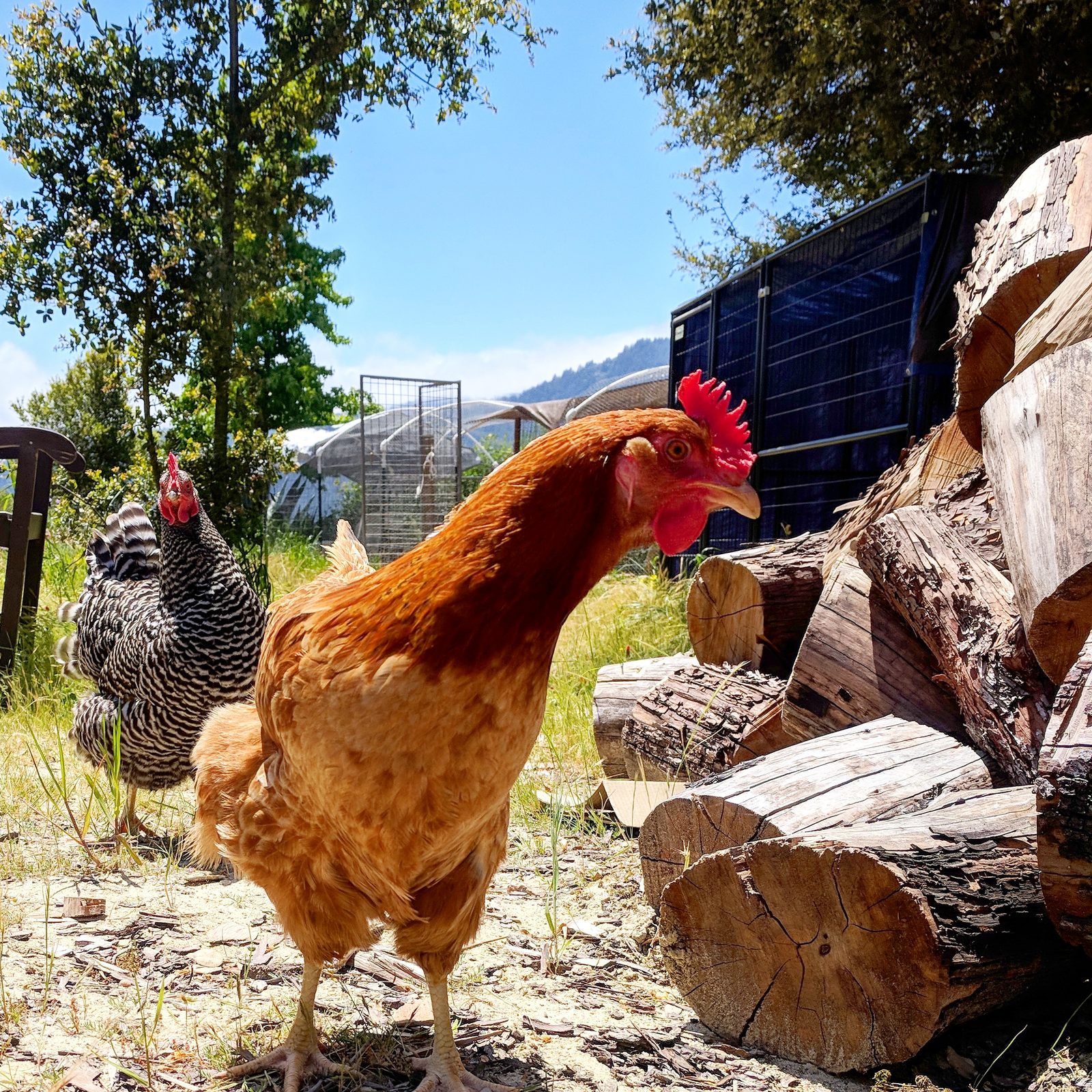
How Long Do Backyard Hens Keep Laying Eggs?
Backyard hens generally lay most prolifically when young, then production declines over time. University of Minnesota Extension says hens begin laying at around six months, peak in the first two years, and may continue laying for five to ten years. Individual production varies with breed, age, health, nutrition, molt, and daylight.
The Year by Year Decline
University of Minnesota Extension says hens begin laying around six months and peak during their first two years. There is no universal 10-to-20% yearly decline or dependable 80%/70% schedule for every backyard hen; breed, management, season, health, and individual variation all matter.
Molts and Seasonal Pauses
The yearly decline is not the only reason the egg basket gets lighter. Each fall, mature hens go through a molt, dropping and regrowing feathers, and they typically stop laying for several weeks to a couple of months while they do. Shorter winter days slow laying too. So even a productive hen will have natural pauses built into her year. If you want more on seasonal slowdowns, see why your chickens stopped laying eggs.
Fewer Eggs, Often Larger
Here is a small consolation: as hens age, the eggs they do lay often get bigger. Older hens lay less frequently but tend to produce larger eggs than they did as pullets, so what you lose in count you partly gain in size.
Breed Makes a Difference
How long the good laying lasts depends heavily on breed. High-output production breeds, the ones bred to lay nearly every day, tend to burn through their egg supply faster and may slow noticeably after just two or three strong years. Hardy heritage breeds usually lay fewer eggs per year but keep going more steadily over a longer life. If you are choosing a flock, that tradeoff is worth weighing. Our guide on how many eggs to expect from a small flock walks through the numbers.
Keeping Older Hens
A hen that has slowed down is not finished being useful. Older hens still scratch up pests, turn compost, fertilize beds, and make calm, friendly companions. For most backyard keepers, retired layers earn a comfortable spot in the flock as garden helpers and pets, and supporting them with a good year-round diet keeps them healthy. See what to feed your backyard flock year-round in California for the details.
Frequently Asked Questions
Why did my hen suddenly stop laying in the fall?
A fall molt is the usual culprit. Hens redirect energy from eggs to growing new feathers and can stop laying for several weeks to a couple of months. Shorter winter days slow production further, so a pause from October into winter is normal, not a sign your hen is done for good.
Do some breeds keep laying longer than others?
Yes. Production breeds bred for maximum output often slow noticeably after two or three strong years, while hardy heritage breeds lay fewer eggs per year but keep going more steadily over a longer life. If you want a smaller but longer-lasting egg supply, heritage breeds are the better fit for a backyard flock.
Are older hens still worth keeping once eggs slow down?
Many keepers think so. University of Minnesota Extension says hens may continue laying for five to ten years, with peak production in the first two. Older hens can also remain valued flock companions and garden helpers even as egg production becomes less frequent.
