

How Do I Keep My Flock Cool in Inland California Heat?
A few of the product links in this guide are affiliate links. If you buy through one, Ambitious Harvest may earn a small commission at no extra cost to you, which helps keep these guides free. We only point to gear we would use in our own Santa Cruz garden. As an Amazon Associate, we earn from Read our full disclosure.
How Do I Keep My Flock Cool During Inland California Heat?
Shade, water, and airflow are the three essentials. According to UC ANR's poultry management resources, chickens begin experiencing heat stress at temperatures above 85 to 90 degrees Fahrenheit, and sustained temperatures above 100 degrees can be fatal, especially for heavier breeds.
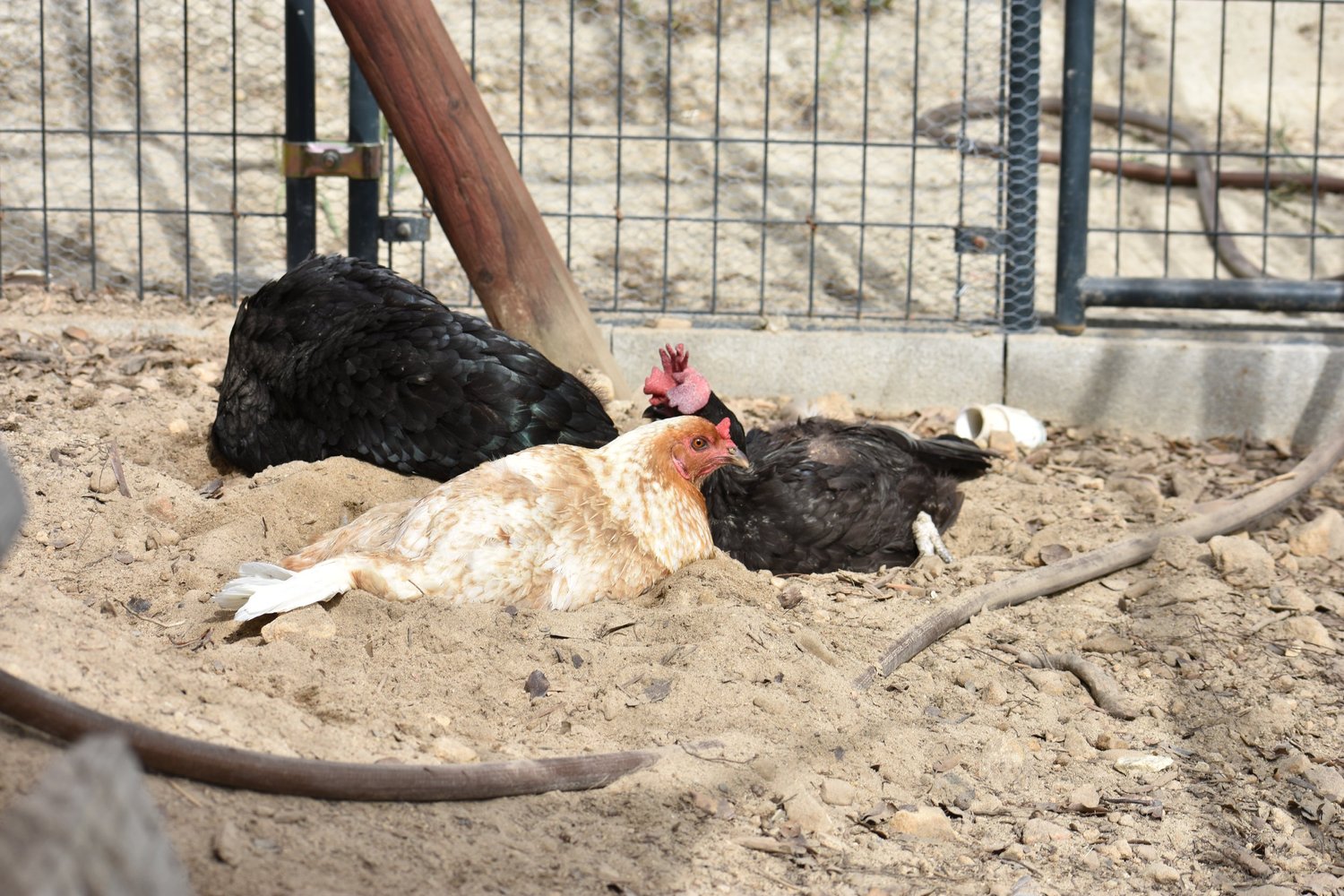
Inland California valleys regularly hit 100 to 110 degrees in summer, and those temperatures are far more dangerous for poultry than the mild coastal conditions we experience in Santa Cruz County. Birds do not sweat. Chickens cool themselves by panting and holding their wings away from their bodies. Ducks and geese handle heat somewhat better because they can submerge in water, but they are still vulnerable in extreme conditions.
Start with shade. Your run needs solid shade coverage during the hottest part of the day (roughly 11 a.m. to 5 p.m.). Shade cloth rated at 70 to 80 percent is effective and inexpensive. If your coop is in direct sun, consider adding a shade structure over it or relocating the coop to a naturally shaded area under a tree.
Water is critical. Provide multiple water stations so birds do not have to compete or walk far in the heat. University of Minnesota Extension notes that chickens can drink up to twice their normal water intake on hot days. Add ice blocks to water containers during peak heat. For ducks and geese, a shallow wading pool or basin they can stand in makes a significant difference, since they cool themselves through their feet and bills.
Airflow matters more than most people realize. A coop that is closed on three sides with poor ventilation can trap heat and become dangerously hot even when outside temperatures are manageable. Make sure your coop has cross-ventilation (openings on at least two sides, covered with hardware cloth). A small fan positioned to move air through the coop can help on the worst days, but make sure cords are protected from curious beaks.
Avoid feeding scratch grains or corn during heat waves. Digesting high-energy grains generates internal body heat. Stick to regular layer feed and offer hydrating treats like watermelon, cucumber, or frozen fruit.
Watch for signs of heat stress: heavy panting, wings held far from the body, lethargy, pale combs, and loss of appetite. If a bird is showing severe distress, move it to a cool, shaded area immediately and place its feet in cool (not cold) water.
This week: Check that your run has adequate shade coverage for afternoon sun, confirm you have at least two water stations, and plan to add shade cloth or a wading basin before the first heat wave hits.
Keep Reading
- Seasonal Flock Care: Spring and Summer in Coastal California
- What to Feed Your Backyard Flock Year-Round in California
- Designing a Predator-Proof Run for Your Garden Flock
Frequently Asked Questions
At what temperature do my birds start to struggle with heat?
Poultry begin experiencing heat stress above 85 to 90 degrees, and temperatures over 100 degrees can be fatal, especially for heavier chicken breeds. Since birds cannot sweat, they cool themselves by panting and holding their wings away from their bodies.
What is the fastest way to cool my flock on a hot day?
Provide ample shade with 70 to 80 percent shade cloth over the run during peak afternoon hours, and offer multiple water stations, since chickens can drink up to twice their normal amount in the heat. Adding ice blocks to waterers and shallow wading pools for ducks and geese helps further.
Should I change what I feed my flock during a heat wave?
Yes. Skip scratch grains and corn during hot spells, since digesting them generates internal body heat. Offer hydrating treats like watermelon and frozen fruit instead.
