

How Do I Know If My Chicken Has Worms?
How Do I Know If My Chicken Has Worms?
Symptoms alone cannot confirm worms. UC Davis CAHFS lists direct fecal examination and flotation for parasite eggs using fresh droppings. A veterinarian or diagnostic laboratory can interpret the result alongside the bird's signs and flock history.
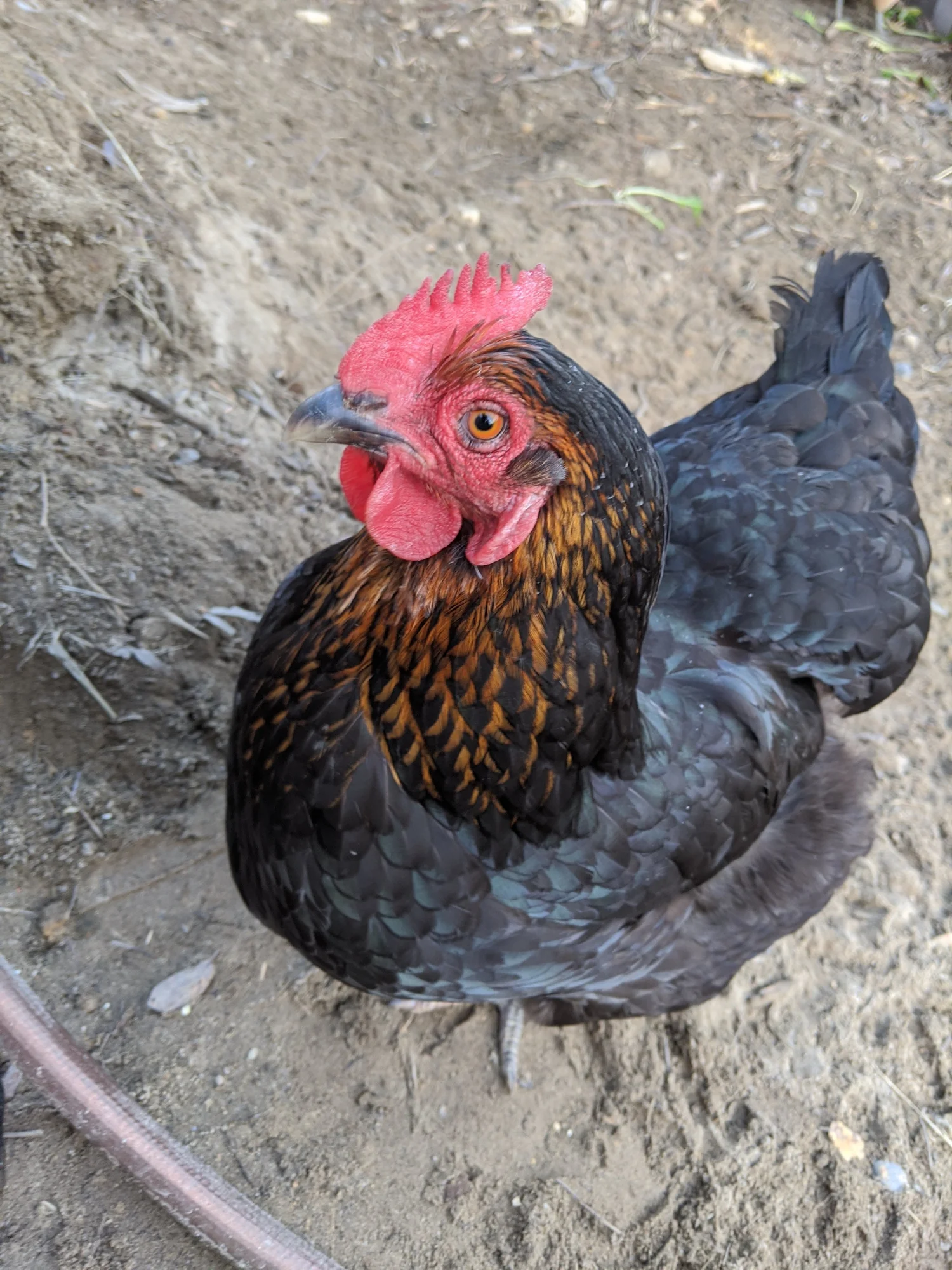
Visible signs that suggest a worm problem include weight loss despite good appetite, pale combs, decreased egg production, diarrhea (sometimes with visible worms in droppings), and a generally dull or hunched appearance. In heavy infestations, you may see long, white roundworms in droppings or even in eggs, though this means the parasite load is already significant.
Here in Santa Cruz County, our damp coastal winters create ideal conditions for worm eggs to survive in soil. Free-range flocks are at higher risk because they forage across a larger area and pick up parasite eggs from the ground. My flock in Boulder Creek has access to a 35-by-15-foot enclosed run plus supervised garden time, and I still do fecal checks twice a year, usually in spring and fall.
Ask your veterinarian or diagnostic laboratory how to collect and submit a fresh sample. CAHFS's California backyard-flock test list specifies cooled fresh droppings for fecal examination or flotation. Results can show parasite eggs and help a veterinarian decide whether treatment is warranted.
If testing shows a clinically important worm burden, use a product and dose appropriate to the species under veterinary guidance. Penn State Extension states that fenbendazole is the only product currently approved in the United States for roundworms and cecal worms in chickens and turkeys; labeled formulations and directions differ, and a prescription is required for extra-label use. Follow the exact label and ask a veterinarian about egg or meat withdrawal for the product and use pattern.
For prevention, rotate your birds off the same ground when possible, keep the run well drained, and remove droppings from the coop regularly. Worm eggs survive longest in moist, shaded soil, so improving drainage and sunlight exposure in your run helps break the cycle.
This week: Collect a fresh dropping from your flock and bring it to your vet for a fecal float test. It takes minutes and costs very little.
Keep Reading
- Common Health Issues in Backyard Chickens, Ducks, and Geese
- What to Feed Your Backyard Flock Year-Round in California
- Adopting Rescue Birds: Quarantine, Deworming, and Flock Introduction
Frequently Asked Questions
What is the most reliable way to confirm worms?
UC Davis CAHFS lists fecal examination and flotation for parasite eggs using fresh, cooled droppings. Ask a veterinarian or diagnostic laboratory how to collect the sample and interpret the result before treating.
What symptoms should make me suspicious?
Watch for weight loss despite a good appetite, pale combs, lower egg production, diarrhea that may contain visible worms, and a hunched, lethargic bird. Roundworms, cecal worms, and capillary worms are the most common in California backyard flocks.
Why are coastal flocks more at risk?
Damp coastal soil helps worm eggs survive, and free-ranging birds pick them up across a wide area. Rotating ground when you can, improving run drainage, removing droppings, and letting in sunlight all help break the cycle.
