

Beyond Onions: Growing Shallots and Leeks in Santa Cruz
A few of the product links in this guide are affiliate links. If you buy through one, Ambitious Harvest may earn a small commission at no extra cost to you, which helps keep these guides free. We only point to gear we would use in our own Santa Cruz garden. As an Amazon Associate, we earn from qualifying purchases. Read our full disclosure.
If you've mastered garlic and onions, shallots and leeks are the natural next step in your allium adventures. These kitchen favorites grow beautifully in Santa Cruz County, offering flavors and textures that regular onions can't match. Shallots bring subtle, sophisticated sweetness to sauces and dressings, while leeks provide the mild, melting texture essential to soups, gratins, and braises.
Both crops fit well into our Mediterranean climate, though they follow different timelines. Shallots grow much like garlic, planted in fall and harvested in early summer. Leeks need a longer runway, started from seed in late winter and harvested from fall through early spring of the following year. Understanding these rhythms helps you plan and plant at the right times.
This guide covers everything you need to successfully grow shallots and leeks in Santa Cruz County, from variety selection to harvest.
For detailed growing instructions, the UC Master Gardener guide to growing garlic, leeks, and shallots covers planting depth, spacing, and seasonal care for California gardens.
How Do You Grow Shallots?
Shallots (Allium cepa var. aggregatum) are essentially multiplier onions. You plant one bulb and harvest a cluster of 4-10 new bulbs at season's end. Their flavor is often described as a cross between garlic and onion, but milder and more complex than either. Shallots are indispensable in French cooking and have become standard in professional kitchens everywhere.
Shallot Types
Traditional shallots (French shallots, gray shallots) are grown from bulbs planted in fall, like garlic. They produce clusters of elongated, copper-skinned bulbs with gray-pink flesh. These are what most gardeners grow and what this guide focuses on.
Seed-grown shallots (sometimes called "true shallots") are started from seed and produce round bulbs more similar to small onions. They're easier for commercial production but less common in home gardens. If you're starting from seed, follow the same process as onions.
Best Shallot Varieties for Santa Cruz
'Dutch Yellow' to The most widely available variety, with golden-brown skin and mild, sweet flavor. Stores well (6-8 months) and multiplies reliably. A good starting point for beginners.
'French Gray' (Griselle) to Considered the finest culinary shallot with complex, nuanced flavor. Gray skin, elongated shape. Shorter storage life (4-5 months) but worth growing for flavor alone.
'Ambition' to A seed-grown type if you want to try that route. Round shape, good yields, 5-6 month storage.
'Conservor' to Red-skinned variety with excellent storage (8+ months). Slightly stronger flavor than yellow types.
Planting Shallots
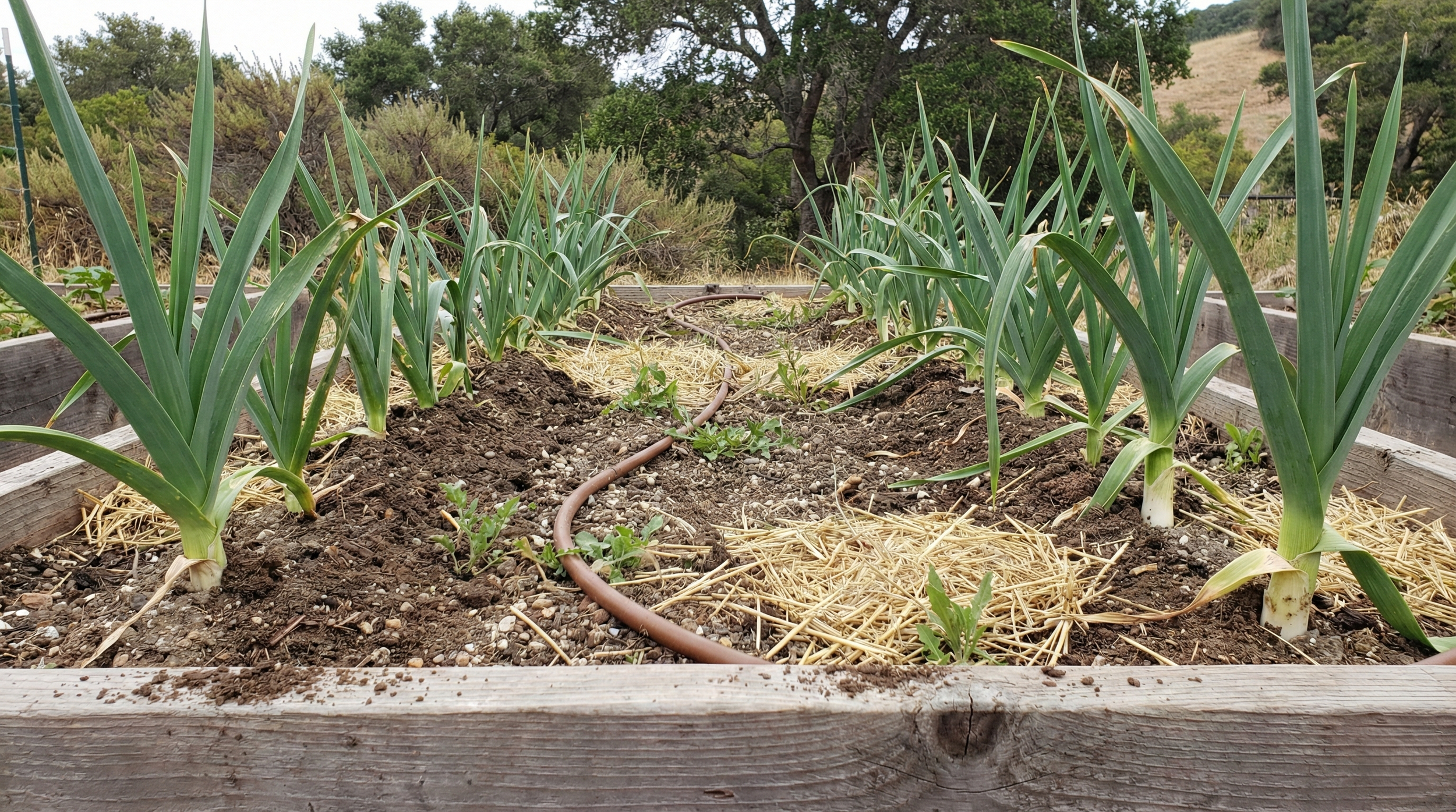
Shallot planting follows the same timing and technique as garlic.
When to plant: October through November, the same fall window as garlic. Shallots need vernalization to bulb properly, and fall planting provides this naturally through our cool winter months.
Preparing bulbs: Separate clusters into individual bulbs just before planting. Use the largest, healthiest bulbs for planting (save small ones for cooking). Each bulb planted will multiply into a new cluster.
Planting depth and spacing: Plant bulbs 2 inches deep with the pointed end up, spaced 6-8 inches apart. Shallots multiply outward, so they need slightly more room than garlic. Rows should be 12 inches apart.
Soil and site: Same requirements as garlic: loose, well-draining soil with good fertility (see our soil amendments guide), full sun preferred, pH 6.0-7.0. Shallots are slightly less fussy about soil than garlic but still need decent drainage.
Mulching: Apply 3-4 inches of mulch after planting to moderate soil temperature, retain moisture, and suppress weeds.
Shallot Care Through the Season
Shallot care mirrors garlic care closely.
Winter: Keep beds weeded, maintain mulch, and water only during extended dry spells. Growth is slow through winter but roots are developing below ground.
Spring: As growth accelerates in March-April, side-dress with balanced organic fertilizer or compost. Keep consistently watered, about 1 inch per week. Watch for the clusters of leaves to emerge, indicating multiplication is happening below ground.
Late spring: Reduce watering as foliage begins to yellow, typically late May. Stop watering entirely about 2-3 weeks before harvest.
Harvesting and Storing Shallots
Harvest timing: Shallots are ready when tops yellow and fall over, usually late May through June. Don't wait too long or the bulb wrappers may deteriorate.
Harvesting: Lift clusters gently with a digging fork. Brush off loose soil but don't wash.
Curing: Cure shallots for 2-3 weeks in a dry, shaded, well-ventilated location, exactly like garlic. Once wrappers are papery and necks completely dry, separate clusters into individual bulbs and store.
Storage: Properly cured shallots store 6-8 months in a cool (50-60°F), dry location with good air circulation. Save your largest bulbs from each cluster to replant next fall.
How Do You Grow Leeks?
Leeks (Allium ampeloprasum var. porrum) are the gentle giants of the allium family. Unlike onions, leeks don't form bulbs. Instead, you harvest the long, blanched white stem, which has a mild, sweet, onion-like flavor that becomes silky when cooked. Leeks are essential for classic dishes like vichyssoise, potato leek soup, and countless French preparations.
Leek Growing Timeline
Leeks need time, typically 90-120 days from transplant. Here's the typical timeline for Santa Cruz:
Late January-February: Start seeds indoors
April: Transplant seedlings to garden
November-March: Harvest window
This means leeks occupy garden space for most of the year, which is worth considering in your garden planning. However, they grow steadily without much attention and tolerate our cool, foggy conditions beautifully.
Leek Varieties for Santa Cruz
'King Richard' to Fast-maturing (75 days from transplant), excellent for summer harvest or baby leeks. Doesn't overwinter as well as others.
'Bandit' to The standard winter leek, extremely cold-hardy and long-standing. Blue-green leaves, thick stems. Harvest fall through spring.
'Giant Musselburgh' to Scottish heirloom with excellent flavor and impressive size. Cold-hardy and long-standing.
'Lancelot' to Reliable performer with good disease resistance. Thick white stems, medium maturity.
'American Flag' to Classic American variety, medium maturity, good cold tolerance.
Starting Leeks from Seed
Leeks are almost always grown from seed rather than transplants (though some nurseries carry leek starts in spring).
When to start: Sow seeds indoors in late January to mid-February, about 10-12 weeks before transplanting.
Seed starting: Use cell trays or small containers with seed starting mix. Sow seeds 1/4 inch deep. Keep soil moist and warm (65-75°F). Germination takes 10-14 days.
Seedling care: Leek seedlings look like thick grass blades. Like onions, they benefit from trimming. When seedlings reach 4-5 inches, trim back to 2-3 inches to encourage thickening. Feed with diluted liquid fertilizer every 2-3 weeks.
Hardening off: Beginning in late March, gradually expose seedlings to outdoor conditions over 7-10 days.
Transplanting Leeks
The transplanting technique for leeks is unique and helps produce those long white stems.
When to transplant: April, when seedlings are pencil-thick and about 6-8 inches tall after their final trim.
Site preparation: Leeks prefer loose, fertile soil high in organic matter. Work in 2-3 inches of compost before planting. Full sun is ideal, but leeks tolerate partial shade better than most alliums.
Planting technique options:
Trench method: Dig a trench 6 inches deep. Set transplants 6 inches apart in the bottom of the trench. As leeks grow, gradually fill in the trench with soil, blanching the stems. This is the traditional method.
Hole method: Use a dibble or thick dowel to make holes 6 inches deep and 6 inches apart. Drop one seedling into each hole, letting it rest at the bottom without filling the hole with soil. Water into the hole, which settles soil around roots. The hole gradually fills in as you water and cultivate.
Surface method (simplest): Plant seedlings 1 inch deep, 6 inches apart. As leeks grow, hill soil up around stems every few weeks to blanch them. This requires more attention but works fine.
Leek Care Through the Season
Watering: Leeks need consistent moisture throughout their long growing season. Apply 1-1.5 inches per week, especially during dry summer months. Mulch helps retain moisture and keeps roots cool.
Fertilizing: Side-dress with balanced fertilizer or compost tea monthly during active growth (May-September). Leeks are moderate feeders.
Blanching: If you didn't plant in trenches or holes, hill soil or mulch up around stems every few weeks to extend the white portion. Some gardeners wrap paper or cardboard tubes around stems instead.
Pest management: Leeks are relatively pest-free. Occasional aphid infestations can be managed with strong water spray or insecticidal soap. Watch for thrips during hot weather.
Harvesting Leeks
When to harvest: Leeks are ready when stems are at least 1 inch in diameter, though they can be harvested smaller as "baby leeks." In Santa Cruz, the main harvest window runs from November through March, depending on variety and planting time.
Harvesting technique: Leeks don't pull easily from firm soil. Use a digging fork to loosen soil beside the row, then lift leeks out. Shake off loose soil.
Storage: Unlike garlic and onions, leeks don't store well after harvest. They keep 1-2 weeks in the refrigerator. The best storage is leaving them in the ground and harvesting as needed through winter, one of the advantages of our mild climate.
How Do Microclimates Affect Shallots and Leeks?
Coastal areas (learn about Santa Cruz microclimates): Both shallots and leeks thrive in coastal conditions. The mild temperatures and summer fog create ideal growing conditions. Leeks especially appreciate the cooler summer temperatures and consistent moisture.
San Lorenzo Valley: Excellent for both crops. Shallots get good vernalization in winter. Leeks may need extra water during dry summers on sunny exposures.
Under redwoods: Leeks actually do quite well in partial shade and tolerate acidic soil better than most alliums. Consider adding lime but don't rule out leeks if you have shade challenges. Shallots prefer more sun but can produce in dappled light.
Pajaro Valley: Warmest conditions mean vigorous growth but watch for heat stress on leeks during summer. Shallots perform well.
Frequently Asked Questions
Can I plant grocery store shallots?
Unlike grocery store garlic, grocery store shallots are less likely to be treated against sprouting. They may work, though purpose-grown seed shallots from nurseries or seed companies typically perform better and offer disease-free stock.
Why are my leeks thin and weak?
Leeks need consistent moisture, regular feeding, and long growing season. Thin leeks usually result from dry conditions, insufficient nutrition, or harvesting too early. Be patient and keep them watered and fed.
Can I eat the green parts of leeks?
Yes, though they're tougher than the white portion. Use the dark green leaves in stocks, soups, or braises where they'll have time to soften. Some cooks discard them, but they're full of flavor.
Do shallots multiply every year if I leave them in the ground?
Shallots can be grown as perennial multipliers if you leave some clusters in the ground, but this can lead to crowding, smaller bulbs, and disease buildup over time. Most gardeners harvest all bulbs and replant the largest ones in a new location each fall.
My leeks are flowering. Can I still eat them?
Bolted leeks develop a tough central core that's unpleasant to eat. If your leeks bolt (usually due to temperature stress), harvest immediately, remove the core, and use the remaining edible parts. Prevent bolting by providing consistent conditions and choosing bolt-resistant varieties.
What's the difference between leeks and green onions?
Leeks are a distinct species grown for their blanched white stems, which are much thicker than green onions (typically 1-2 inches diameter vs. pencil-thin). Leeks take much longer to grow (4-6 months vs. 60 days) and have a milder, sweeter flavor.
Can I grow leeks in containers?
Yes, using containers at least 12 inches deep. Plant one leek per 6 inches of container diameter. Container leeks tend to be smaller but still flavorful. Keep well-watered since containers dry faster.
When can I find shallot bulbs for planting locally? Fall is the season. Check Mountain Feed & Farm Supply, San Lorenzo Garden Center, and other local nurseries from late September through November. Availability varies, so call ahead.
Free Resources
Seasonal Planting Calendar: Includes shallot and leek timing for Santa Cruz
Know Your Microclimate Worksheet: Document your growing conditions
