

How to Create a Dr. Seuss Inspired Garden with Kids
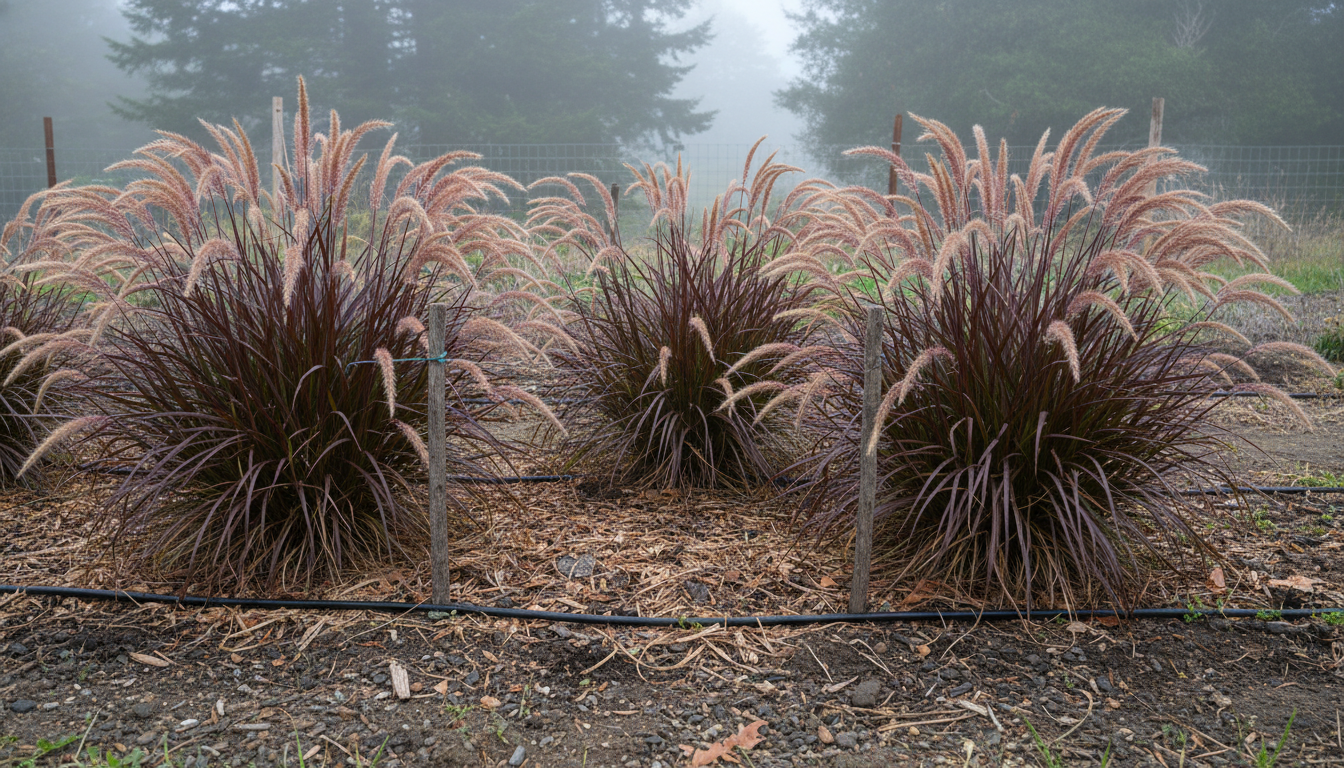
If you have ever read "The Lorax" to your kids and wished you could step into those illustrations, you are closer than you think. Real plants exist that look like they belong in a Dr. Seuss book: fluffy-topped grasses that pass for Truffula Trees, succulents with spiraling geometry that seem computer-generated, and flowers so oddly shaped they could be props from "Oh, the Places You'll Go!"
A Dr. Seuss garden is a project that blends imagination with botany. Kids learn about real plant science (why grasses have fluffy seedheads, how succulents store water, why some flowers evolved bizarre shapes) while creating a space that feels like fiction come to life. And because Dr. Seuss was a vocal conservationist ("The Lorax" is fundamentally a book about environmental stewardship), this garden naturally leads to conversations about native plants, habitat protection, and caring for the natural world.
Everything in this guide grows in California. Most of these plants are drought-tolerant, many are California natives, and all of them will make your garden look like something Theodor Geisel himself might have dreamed up.
Key Takeaway: A Dr. Seuss garden is built around plants that look fantastical but are completely real. It combines creative play with genuine botanical learning and connects to themes of environmental care that run through Seuss's work.
How Do You Grow Real Truffula Trees?
The Truffula Tree from "The Lorax" has a long, thin trunk topped with a round, fluffy pom-pom of color. Several real plants capture this look remarkably well.
Ornamental Grasses (The Best Truffula Stand-Ins)
Mexican Feather Grass (Nassella tenuissima) - Fine, wispy blonde seedheads that wave in the breeze exactly like Truffula tufts. Grows 2 feet tall. Extremely drought-tolerant. Full sun. Important note: this grass can self-seed aggressively in some coastal California areas. The California Invasive Plant Council has received many reports of Mexican feather grass seeding itself next to landscaped areas and trails, so keep it in pots or a contained bed if your garden borders wildland. Contain it in pots or a raised bed to prevent spread.
Purple Fountain Grass (Pennisetum setaceum 'Rubrum') - Deep burgundy-purple foliage with fuzzy purple-pink seedheads. Grows 3 to 5 feet tall. Looks like a Truffula Tree in a moody, purple Seuss illustration. Treat as an annual or short-lived perennial in coastal California. Sterile cultivar, so it will not spread.
Pink Muhly Grass (Muhlenbergia capillaris) - Produces clouds of cotton-candy-pink seedheads in fall. Grows 3 feet tall and wide. Drought-tolerant. The pink haze effect is genuinely otherworldly.
Pampas Grass, Dwarf (Cortaderia selloana 'Pumila') - White, fluffy plumes on 4 to 6 foot stems. Use the dwarf cultivar (the full-sized species is invasive in California coastal areas). Plant in a contained area.
Trees and Shrubs (Larger Truffula Effects)
Lollipop Tree form standards - Many nurseries sell shrubs pruned into lollipop or "standard" form (a single trunk with a round ball of foliage on top). Bay laurel, myrtle, and rosemary are commonly available in this form and genuinely look like Truffula Trees.
Dwarf Bottlebrush (Callistemon 'Little John') - Deep red, fuzzy flower brushes on a compact 3-foot shrub. The blooms look like Seussian decorations. Drought-tolerant and hummingbird-friendly.
The Truffula Tree Activity
Here is a hands-on project for ages 4 and up: create a "Truffula Forest" corner of your garden. Plant three to five ornamental grasses in a cluster. Between them, push tall bamboo stakes into the ground and attach pom-poms made from tissue paper or yarn to the tops. Over time, as the grasses grow and produce their natural plumes, the handmade Truffula Trees can come down and the real ones take over. Kids love watching the transition from craft to nature.
Materials needed:
3 to 5 ornamental grass starts (1-gallon size)
Bamboo stakes (4 to 6 feet tall)
Tissue paper or yarn in bright colors
Scissors, string
Garden soil and mulch
What Goes in a Lorax Conservation Garden?
"The Lorax" is a story about what happens when we take from the environment without giving back. A Lorax garden takes that message and turns it into action by planting California native plants that support local wildlife. This is conservation education disguised as a garden project.
Native Plants the Lorax Would Approve Of
Narrow-leaf Milkweed (Asclepias fascicularis) - Host plant for monarch butterfly caterpillars. This single species supports an entire threatened migration. Plant in full sun.
California Buckwheat (Eriogonum fasciculatum) - Supports over 50 species of native bees, according to research from UC Riverside and UC ANR. White-to-pink flower clusters dry to a rusty brown that feeds birds through winter.
Toyon (Heteromeles arbutifolia) - The plant Hollywood is named after. Red berries feed birds in winter. White flowers feed pollinators in summer. Fire-resistant.
Coast Live Oak (Quercus agrifolia) - Oaks support 350 species of insects, birds, amphibians, reptiles, and mammals that evolved alongside them, according to the California Native Plant Society. Plant an acorn with your kids and watch it grow for years.
California Poppy (Eschscholzia californica) - Our state flower. Direct-sow in fall. Zero water needed once established.
Coyote Brush (Baccharis pilularis) - Groundcover form provides food for pollinators in fall when almost nothing else is blooming.
The Lorax Garden Activity
Read "The Lorax" together, then go outside and plant. Help kids connect each plant to the animals it supports: "This milkweed feeds monarch caterpillars. This buckwheat feeds native bees. This oak will feed squirrels, jays, woodpeckers, and hundreds of insects." Make a sign for the garden that reads "I speak for the trees" (a line from the book) and let kids decorate it.
For older kids (ages 8 and up), calculate the ecological impact: if one buckwheat plant supports 50 bee species, and you plant 5, how many species could find food in your yard? This connects reading, math, and ecology in a single project.
What Real Plants Look Like They Belong in a Dr. Seuss Book?
Beyond Truffula Trees, many plants have shapes, textures, and growth habits so unusual that kids will swear they are fictional. All of the following grow in California.
Spiraling and Geometric Plants
Spiral Aloe (Aloe polyphylla) - Leaves spiral in a perfect Fibonacci sequence. Grows well in containers in coastal California (needs protection from hot afternoon sun inland). A living math lesson.
Echeveria 'Lola' or 'Perle von Nurnberg' - Perfect rosette succulents in purple-pink tones. Look like they were designed by an artist, not evolution. Kids can propagate them from single leaves (an amazing science activity).
Aeonium 'Schwarzkopf' - Nearly black rosettes on tall, branching stems. Looks alien. Thrives in coastal California. Goes dormant in summer (which is a great teaching moment about different growth strategies).
Fuzzy, Bumpy, and Weird-Textured Plants
Lamb's Ear (Stachys byzantina) - Incredibly soft, silvery-white fuzzy leaves that kids cannot stop touching. Tall purple flower spikes in summer. Drought-tolerant groundcover.
Old Man Cactus (Cephalocereus senilis) - Covered in long white "hair." Grows slowly in pots. A favorite of kids who find it hilarious that a plant has a hairdo.
Teddy Bear Cholla (Cylindropuntia bigelovii) - Looks cuddly but absolutely is not (those are sharp spines). Good for teaching that appearances can be deceiving. Best as a look-but-do-not-touch specimen. Plant in a safe, out-of-reach spot.
Impossibly Tall or Oddly Shaped Plants
Mammoth Sunflower (Helianthus annuus 'Mammoth') - Can reach 10 to 14 feet tall. Kids can race sunflowers to see whose grows tallest. Perfect for "Oh, the Places You'll Go!" themes.
Dragon Fruit Cactus (Hylocereus undatus) - Sprawling, spiny, reptilian-looking cactus that produces neon-pink fruit with white polka-dot flesh inside. Grows well on a trellis in coastal and inland California.
Artichoke (Cynara cardunculus var. scolymus) - Let one go to flower. The enormous, electric-purple thistle bloom looks like something from another planet. Bees go wild for it.
How Do You Design a Seuss Garden with Different Zones?
If you have the space (a corner of a yard, a side garden, or even a wide patio), you can create themed zones inspired by different Seuss books. Here is a layout that works well.
Zone 1: The Truffula Forest
A cluster of ornamental grasses (see above) with a winding path through them. Add a small bench or stump for reading. This is the "quiet zone" for reading Seuss books outdoors.
Zone 2: The Lorax Native Garden
Native California plants (milkweed, buckwheat, toyon, coyote brush) arranged around a handmade "I speak for the trees" sign. Add a shallow water dish for butterflies and bees. This is the conservation zone.
Zone 3: The Garden of Imagination
The weirdest plants you can find: spiral aloe, black aeoniums, lamb's ear, artichokes allowed to bloom, dragon fruit cactus. Let kids add their own creative touches: painted rocks, handmade plant signs with invented Seussian names, or small sculptures made from garden materials.
Zone 4: The Growing Contest Corner
Inspired by "Oh, the Places You'll Go!" and the competitive spirit in many Seuss stories, this zone is for tall-growing plants: mammoth sunflowers, runner beans on a teepee trellis, corn, and any other plants that race skyward. Kids can measure growth weekly and chart it on a poster.
Materials for the full garden:
Plants from the lists above (choose 2 to 3 per zone to start)
Stepping stones or pavers for a winding path
A small bench, stump, or blanket for outdoor reading
Paint and brushes for signs and rock decorations
Bamboo stakes and string for the growing contest measurement wall
Dr. Seuss books to read in the garden (a weatherproof basket is a nice touch)
Garden journal and colored pencils for kids to draw the "strange plants"
When Should You Start a Dr. Seuss Garden in California?
The best time to start depends on which elements you prioritize.
Fall (October through November)
Plant native shrubs and perennials (milkweed, buckwheat, toyon, coyote brush). Fall planting takes advantage of winter rains for root establishment. UC ANR school garden programs recommend this same timing for teaching kids about seasonal planting cycles (UC ANR School Gardens).
Plant California poppies (direct-sow seeds).
Plant succulents and aloes (they establish best in cool, moist weather).
Install hardscape: paths, benches, signs.
Spring (March through May)
Plant ornamental grasses. They establish quickly in warming spring soil and will produce their Truffula-like plumes by late summer or fall.
Plant sunflower seeds, bean tepees, and corn for the growing contest zone.
Transplant dragon fruit cactus, artichokes, and warm-season oddities.
Year-Round
Add painted rocks, handmade signs, and decorative elements anytime. These are great rainy-day indoor projects that connect to the outdoor garden.
Read Seuss books outdoors whenever the weather allows.
What Do Kids Actually Learn from a Dr. Seuss Garden?
Beyond the sheer fun of it, a Seuss-themed garden teaches concepts that stick because they are tied to real, living things.
Environmental stewardship. "The Lorax" is one of the most effective environmental education tools ever written. Planting a Lorax garden turns its message into physical action. Research from the North American Association for Environmental Education confirms that hands-on outdoor learning creates deeper, longer-lasting environmental awareness than classroom instruction alone. UC ANR Master Gardener programs reinforce this finding, noting that gardening makes a measurable difference in children's physical, mental, and emotional health while building lasting connections to the natural world (UC Master Gardeners).
Biodiversity. Kids learn that a healthy garden (like a healthy ecosystem) needs many different types of plants, not just one. This mirrors the monoculture warning in "The Lorax."
Plant adaptations. Why is lamb's ear fuzzy? (To reflect sunlight and reduce water loss.) Why do succulents spiral? (To maximize light capture.) Every strange plant feature has a survival explanation.
Growth and patience. The sunflower growing contest teaches that growth takes time, and that different organisms grow at different rates. Just like in "Oh, the Places You'll Go!" the journey matters more than the destination.
Creativity and self-expression. Naming plants with Seussian names, painting rocks, and designing garden zones give kids ownership over a creative project grounded in the natural world.
Frequently Asked Questions
What age group is a Dr. Seuss garden best for?
The concept works for ages 3 through 12 and beyond. Younger kids love the visual weirdness of unusual plants and the connection to familiar books. Older kids engage more deeply with the conservation themes, the botany, and the design process. Families with mixed-age kids find that different children gravitate to different zones.
Is Mexican Feather Grass invasive in California?
It can be. Cal-IPC (California Invasive Plant Council) gives Mexican feather grass a statewide "Limited" rating, having moved it up from "Watch" after concern about it seeding itself next to landscaping and other disturbed sites. If you garden near wildlands, grow it in containers to prevent seed spread, or substitute pink muhly grass or purple fountain grass (sterile cultivar), which do not pose the same risk.
Can I do this in a small space or apartment patio?
Yes. The container-friendly plants include ornamental grasses, succulents and aloes, lamb's ear, and dwarf sunflowers. Three to five pots of unusual plants, plus painted signs and some Dr. Seuss books, create a charming miniature Seuss garden on any patio or balcony.
Do I need to buy all these plants at once?
No. Start with one zone (the Truffula Forest is the quickest to create) and expand over time. A phased approach is actually better for kids because it gives them something new to anticipate and build each season.
Where can I buy unusual plants like spiral aloe and dragon fruit cactus locally?
In the Santa Cruz area, check Succulent Gardens (Castroville), the UCSC Arboretum plant sales, and local farmers' markets where specialty growers sometimes sell unusual succulents and cacti. For ornamental grasses, San Lorenzo Garden Center and Scarborough Gardens both carry good selections seasonally.
Why Does "Unless Someone Like You Cares" Matter in the Garden?
That line from "The Lorax" is as true in the garden as it is in the book. A Seuss garden is more than decoration. It is a place where kids learn to care about the natural world by being part of it, planting things, watching them grow, and seeing the wildlife that shows up when you give it a reason to come.
Looking for more ways to get your kids into the garden? Visit our Your Garden Toolkit page for free planting guides, seasonal activity ideas, and garden planning worksheets designed for California families.
Get Your Free Garden Resources
