

Crop Rotation vs. Companion Planting: Which Matters?
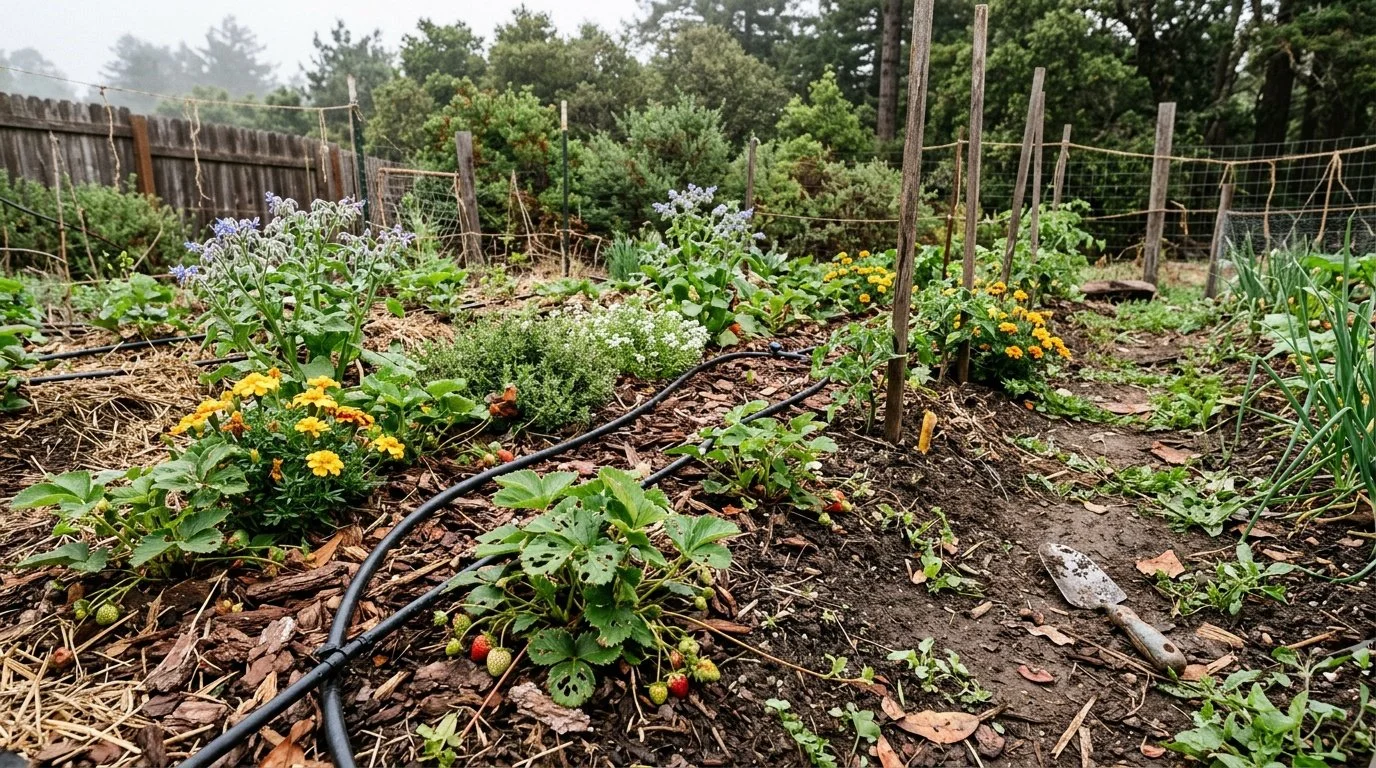
Crop rotation matters more than companion planting for long-term garden health. While companion planting gets more attention on social media, the science behind crop rotation is far more established. Research from the USDA and multiple land-grant universities consistently shows that rotating crop families reduces soilborne disease pressure and breaks pest life cycles that build up when the same plants grow in the same spot year after year. Companion planting has some proven benefits, but many popular pairings are based more on tradition than data.
When to Prioritize Crop Rotation
Crop rotation should be your default practice if you grow vegetables in the same beds year after year. The basic rule is simple: do not plant the same family in the same spot for at least three years. That means if you grew tomatoes (Solanaceae) in bed one this year, plant beans or squash there next year, and do not put tomatoes, peppers, or eggplant back in that bed until year four.
This is especially critical in Santa Cruz's climate for two reasons. First, our mild winters do not get cold enough to kill many soilborne pathogens (like fusarium and verticillium wilt) that plague tomatoes and peppers. Second, our warm, stable soil supports year-round pest populations, so rotating crops disrupts the cycles of pests like root-knot nematodes that can devastate nightshades planted in the same spot repeatedly. Even with just three or four raised beds, you can run a simple rotation that makes a real difference.
When to Use Companion Planting
Companion planting is a useful supplemental strategy, not a replacement for rotation. The pairings with the best research support include planting basil near tomatoes (studies from Purdue University show basil can repel certain aphids and whiteflies), interplanting marigolds to suppress root-knot nematodes, and growing nitrogen-fixing beans near heavy feeders.
Use companion planting to make the most of your space within each bed. Plant quick-maturing lettuce in the shade of taller tomato plants, tuck basil between peppers, or ring your squash bed with nasturtiums as a trap crop for aphids. These pairings can help with pest management and space efficiency, but they will not prevent the soilborne disease problems that only rotation addresses.
The Bottom Line for Santa Cruz Gardeners
Prioritize crop rotation above companion planting. If you only do one, rotate your crops. A simple three-year plan (year one: nightshades, year two: legumes and roots, year three: brassicas and squash) will do more for your garden's long-term health than any companion planting chart. Then add proven companion pairings within each bed as a bonus. Keep a simple garden journal, even just a phone note, recording what you planted where each season. Your future self will thank you.
This week: Draw a simple map of your garden beds and note what you planted in each one this year. Use that map to plan next year's rotation so no crop family goes back to the same spot.
For more on planning a productive vegetable garden, check out our free Seasonal Planting Guide at [/your-garden-toolkit].
Frequently Asked Questions
Which matters more, crop rotation or companion planting?
Crop rotation matters more for long-term garden health. Research from the USDA and land-grant universities shows that rotating crop families reduces soilborne disease pressure and breaks pest life cycles, while many companion pairings are based more on tradition than data.
What is the basic rule for rotating crops?
Do not plant the same family in the same spot for at least three years. If you grew tomatoes (Solanaceae) in a bed this year, plant beans or squash there next year and avoid putting tomatoes, peppers, or eggplant back in that bed until year four.
Why is crop rotation especially important in Santa Cruz?
Our mild winters do not get cold enough to kill many soilborne pathogens like fusarium and verticillium wilt, and our warm, stable soil supports year-round pests such as root-knot nematodes. Rotating disrupts those cycles even across just three or four raised beds.
Is companion planting still worth doing?
Yes, as a supplemental strategy rather than a replacement. The best-supported pairings include basil near tomatoes, marigolds to suppress root-knot nematodes, and nitrogen-fixing beans near heavy feeders, mainly to improve pest management and space efficiency within a bed.
