

Zucchini vs. Yellow Squash: What Is the Difference?
Some links in this guide are affiliate links. If you buy through them, we may earn a small commission at no extra cost to you. Read our full disclosure.
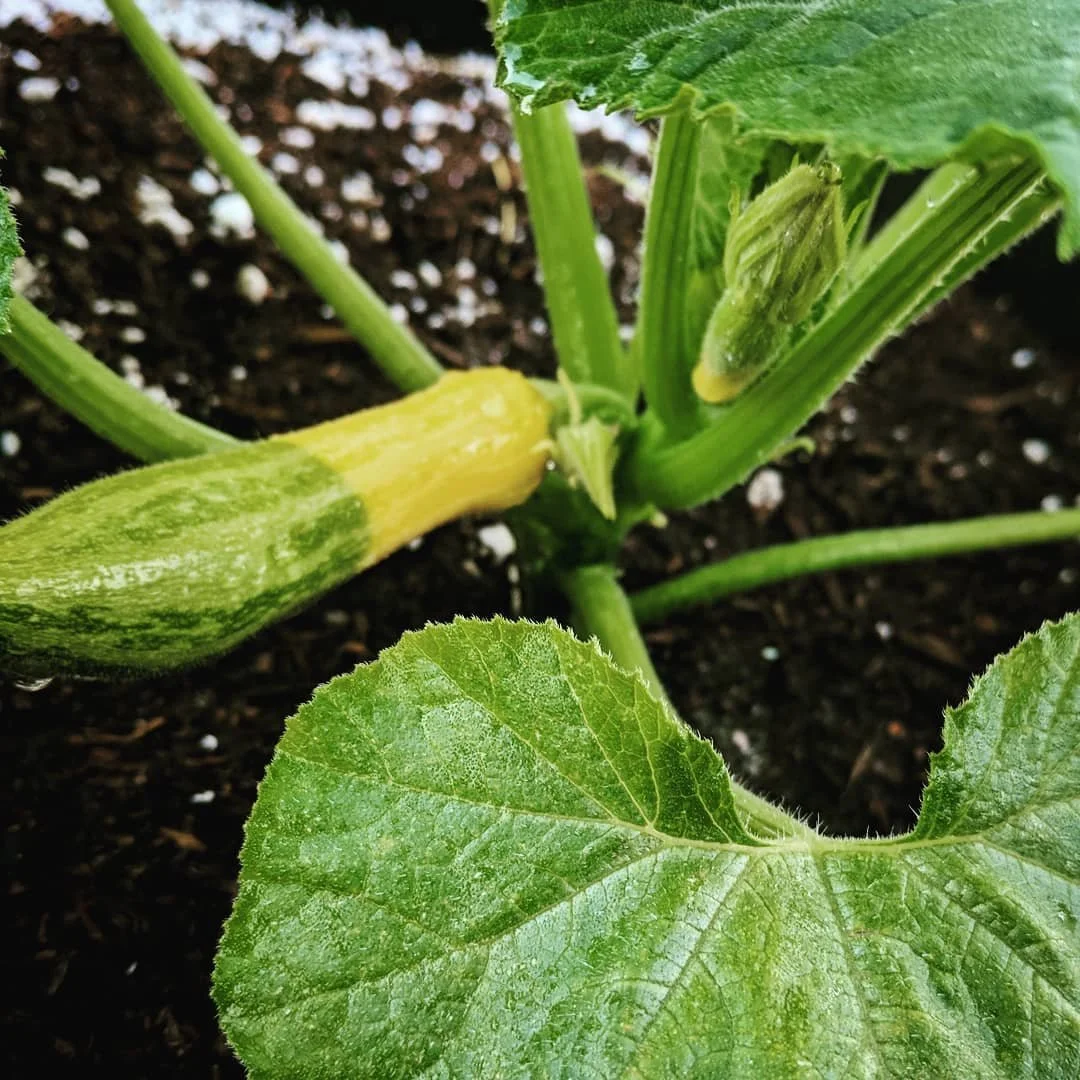
The short answer is that zucchini and yellow summer squash are more alike than they are different. Both are Cucurbita pepo, both grow fast, and both will bury you in fruit by midsummer. But zucchini is the more practical choice for most gardeners because it is more versatile in the kitchen and easier to find in proven, disease-resistant varieties.
When to Choose Zucchini
Zucchini is the default summer squash for good reason. Its firm, straight shape makes it ideal for spiralizing into noodles, grilling in planks, grating into bread, and slicing into raw salads. The skin is thin enough to leave on, and varieties like Dark Star (bred in Humboldt County, California, by Bill Reynolds and Donna Ferguson with the Organic Seed Alliance) and Dunja (with excellent powdery mildew resistance) handle our coastal conditions beautifully.
Zucchini also holds up better on the plant when you miss a harvest. A yellow crookneck that gets too big becomes watery and seedy, while an oversized zucchini, while not ideal, is still perfectly usable shredded into zucchini bread or fritters. In coastal gardens like ours, where powdery mildew is almost inevitable by late summer, planting a mildew-resistant zucchini variety gives you extra weeks of production.
When to Choose Yellow Summer Squash
Yellow summer squash brings visual variety to your garden and plate. The bright golden color looks beautiful alongside green zucchini in a saute or on a grilled vegetable platter. Yellow crookneck and straightneck varieties have a slightly sweeter, more buttery flavor that some cooks prefer, especially for casseroles and soups.
Grow yellow squash when you want color diversity or when you are sharing produce with neighbors (a bag of mixed green and yellow squash is more appealing than all green). Straightneck varieties like Zephyr (a beautiful bicolor hybrid) are easier to slice than crooknecks. Just be aware that yellow squash tends to show powdery mildew damage more quickly, and the softer flesh gets waterlogged faster when overcooked.
The Bottom Line for Santa Cruz Gardeners
If you only have room for one summer squash plant, make it a zucchini. Choose a powdery-mildew-resistant variety like Dunja or Dark Star, and in most Santa Cruz gardens you can expect production from June into October. If you have space for two plants, add a yellow straightneck for color contrast and a sweeter flavor option. Either way, one plant of each is more than enough for a household of four. UC puts it plainly: the secret with summer squash is restraint, one or two plants. Do not plant six squash plants unless you have very generous neighbors.
This week: Direct-sow two or three zucchini seeds in a mound of compost-enriched soil in your sunniest bed. Thin to the strongest seedling after they sprout. Wait until soil temperatures are consistently above 60 degrees (usually May in Santa Cruz).
For more on growing squash and summer vegetables, see our free Seasonal Planting Guide.
Frequently Asked Questions
Is there really a difference between zucchini and yellow summer squash?
They are more alike than different. Both are Cucurbita pepo and both are prolific, but zucchini is more versatile in the kitchen and easier to find in proven, disease-resistant varieties.
Which summer squash should I plant if I only have room for one?
Make it a zucchini, and choose a powdery-mildew-resistant variety like Dunja or Dark Star. In most Santa Cruz gardens you can expect production from June into October, which matters here where powdery mildew is almost inevitable by late summer.
How do the flavors and textures compare?
Zucchini has a mild, slightly nutty flavor with firm texture, making it great for grilling, spiralizing, baking, and eating raw. Yellow summer squash is slightly sweeter and softer, which some cooks prefer for casseroles and soups, but it gets waterlogged faster when overcooked.
When should I plant summer squash in Santa Cruz?
Direct-sow two or three seeds in a mound of compost-enriched soil in your sunniest bed once soil temperatures are consistently above 60 degrees, usually May in Santa Cruz. Thin to the strongest seedling after they sprout.
Keep Reading
- How to Prevent Powdery Mildew on Squash
- Best Summer Vegetables for Santa Cruz Gardens
- How to Use Up a Giant Zucchini
- Companion Planting for Squash and Cucumbers
