

Zone 0 Makeover: Creating an Ember-Resistant Space Around Your Home
The Most Important 5 Feet
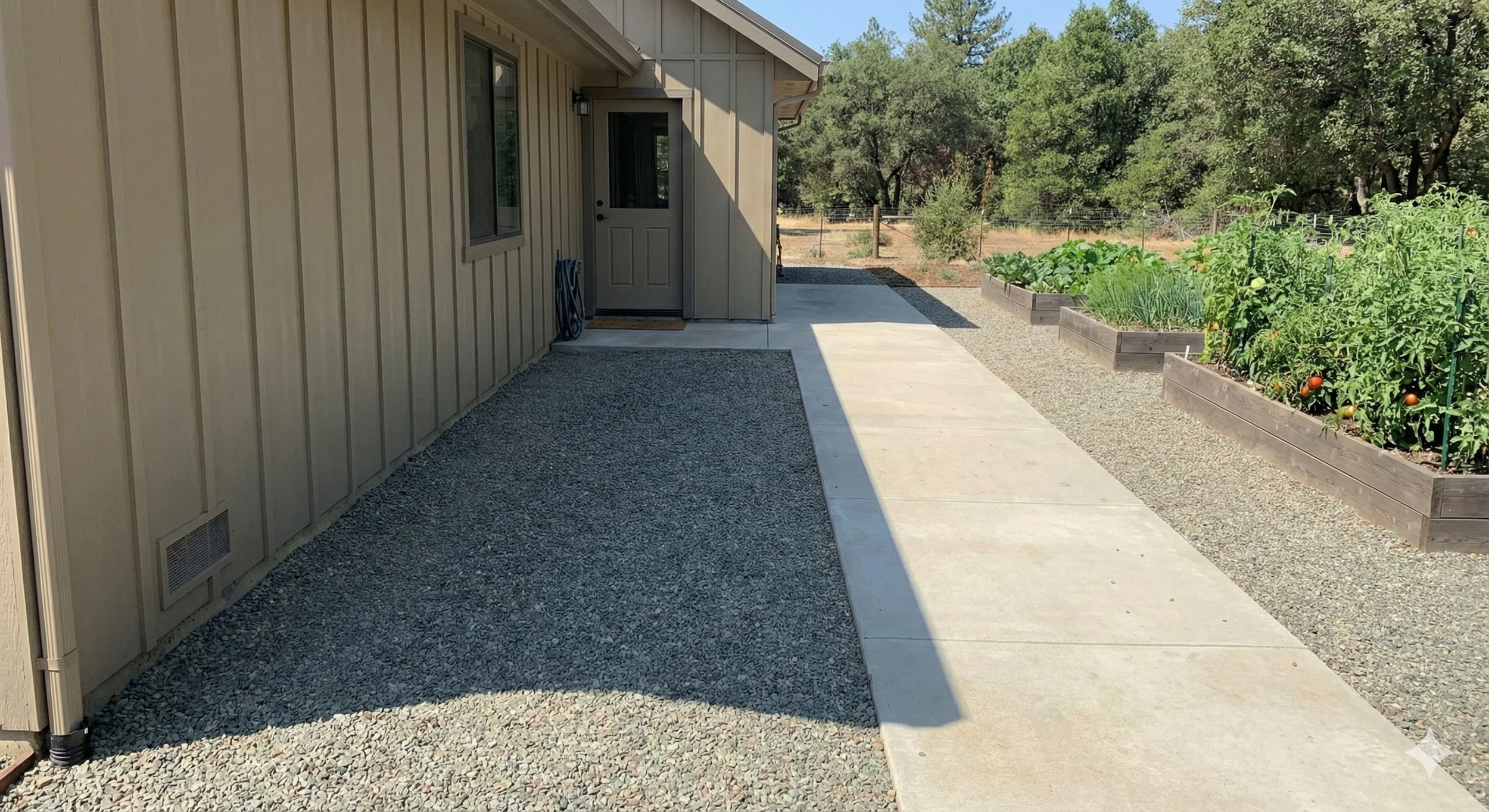
When wildfire experts talk about protecting homes, they focus on one area more than any other: the first 5 feet around your house. This is where embers land, where fire makes contact, and where the battle is often won or lost.
The good news is that this small zone is completely within your control. You don't need acres of clearance or a major landscape overhaul. A few strategic changes to the area immediately surrounding your home can dramatically reduce your fire risk.
Why Zone 0 Matters So Much
Most homes lost to wildfire don't burn because flames reached them directly. They ignite from embers, sometimes blown from more than a mile away. These embers land on roofs, in gutters, against siding, and in the plants and materials right next to the house.
When combustible materials are in direct contact with your home or within that first 5 feet, a single ember can start a fire that spreads to your structure. Remove the fuel from this zone, and embers have nothing to ignite.
The Zero Zone: 0 to 5 Feet
CAL FIRE now emphasizes this innermost area as a distinct zone, called the "ember-resistant zone" or "Zone 0." The goal is simple: create a space where embers can land and die out without finding fuel.
What to remove:
All plants directly against the house
Bark mulch and wood chips within 5 feet of walls
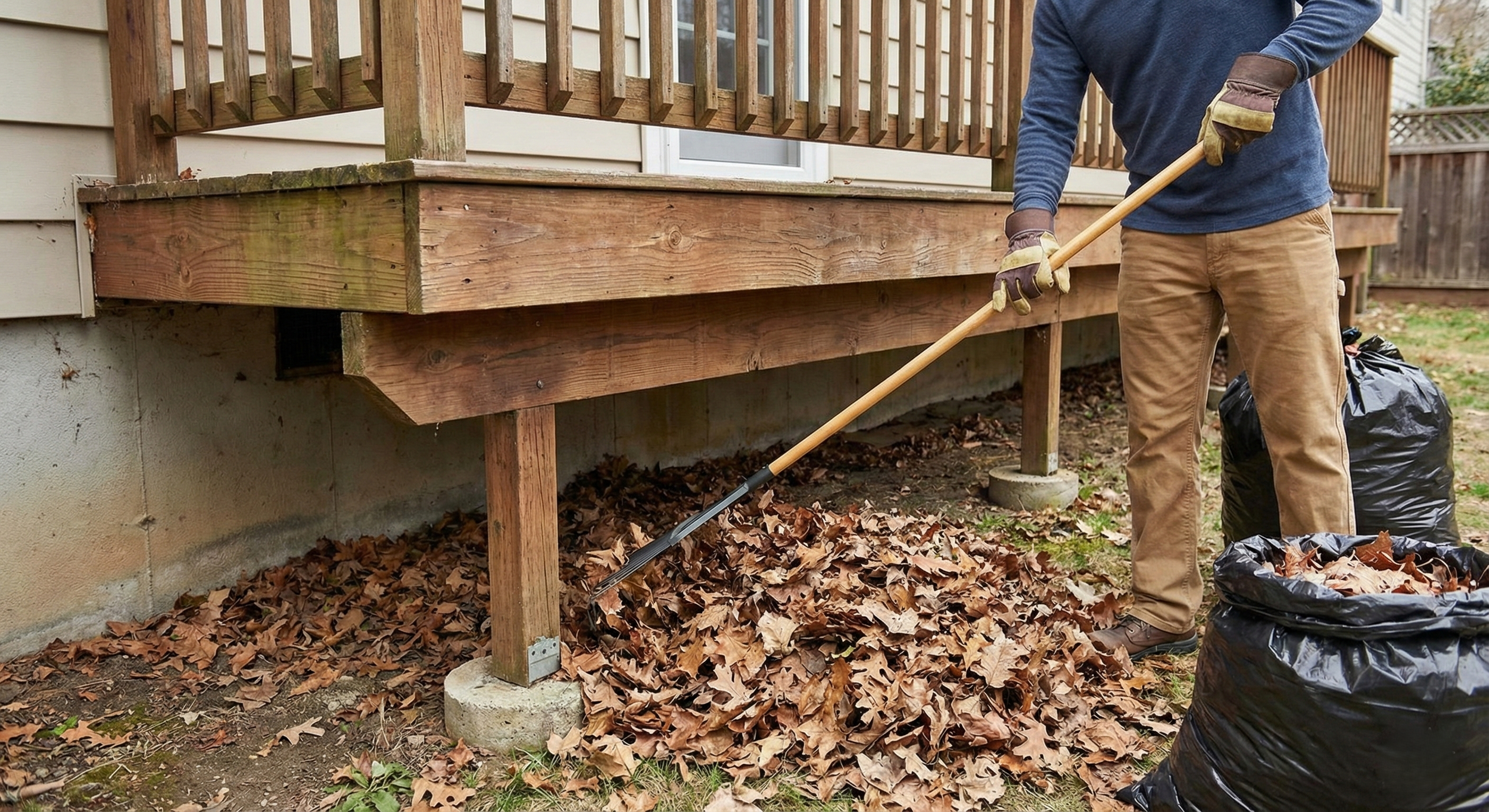
Dead leaves and debris in corners, along foundations, and under decks
Firewood stacked against the house
Wooden trellises attached to walls
Dried flower arrangements in outdoor containers
Combustible patio furniture stored against the house
What to keep or add:
Gravel, decomposed granite, or stone
Concrete, brick, or stone pavers
Metal or stone planters (placed away from walls)
High-moisture, low-growing plants in limited quantities (see below)
Drip irrigation to keep any plants well-watered
Hardscape Is Your Friend
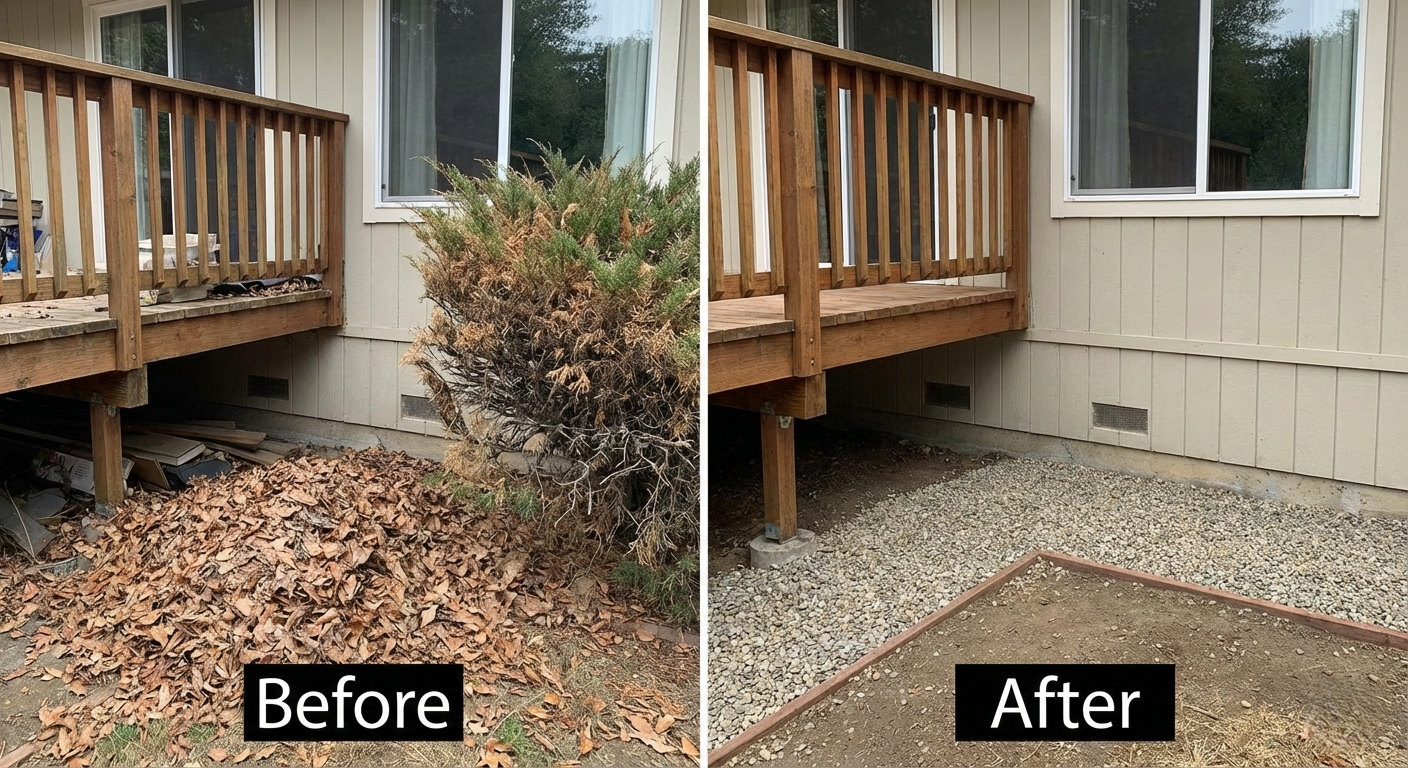
The most effective Zone 0 strategy is replacing plants and organic mulch with non-combustible hardscape. This doesn't have to look stark or industrial. Thoughtful hardscaping can be beautiful.
Gravel and decomposed granite:
Come in a range of natural colors (tan, gray, brown, gold)
Create a clean, finished look
Allow water to drain through
No maintenance required
Pavers and flagstone:
Define pathways and patios
Create visual interest with patterns
Can be combined with gravel for variety
Increase usable outdoor living space
River rock and cobbles:
Add texture and visual weight
Work well in dry creek beds or as accents
Come in many sizes and colors
Excellent ember barriers
Concrete:
Poured concrete, exposed aggregate, or stamped patterns
Most durable option
Can extend existing patios or walkways
If You Want Plants in Zone 0
A completely plant-free zone is safest, but if you want some greenery close to the house, choose carefully and maintain diligently.
Choose plants that are:
Low-growing (under 18 inches)
High in moisture content
Not directly touching walls, windows, or rooflines
Easy to water consistently
Good options:
Succulents like stonecrop or hens and chicks (in gravel, not bark mulch)
Creeping thyme (low, aromatic, but not oily)
Dymondia (silver carpet)
Ornamental strawberries
Ice plant (very high moisture)
Keep them:
At least 18 inches from walls
Separated from each other (no continuous plantings)
Well-watered during fire season
Free of dead leaves and debris
Windows, Vents, and Attachments
Your Zone 0 makeover should also address vulnerable points on your home.
Under windows: Remove all plants, especially taller shrubs that could allow flames or heat to break glass. Use gravel or stone here.
Around vents: Attic vents, crawl space vents, and dryer vents can allow embers to enter your home. Clear all debris and vegetation from around them. Consider ember-resistant vent screens.
Along fences: If a wooden fence attaches directly to your house, fire can travel along it right to your siding. Create a non-combustible section (metal, stone, or a gap) where the fence meets the house.
Under decks: The space under decks collects leaves and debris and is a major ember trap. Clear it completely. Consider enclosing it with fine metal mesh. Remove any storage of combustible materials.
Attached pergolas and trellises: Wooden structures attached to the house can carry fire directly to your roof or walls. Consider removing them or replacing with metal. If you keep them, don't grow plants on them.
Addressing Mulch
This is where many homeowners struggle. Mulch is great for water retention and soil health, but wood mulch within Zone 0 is a fire risk.
Replace wood mulch with:
Gravel or decomposed granite
River rock
Crusite or crusite-rock blends
Stone chips
If you must use organic mulch:
Keep it at least 5 feet from the house
Use larger bark chunks (slower to ignite than fine shreds)
Keep it well-watered
Never let it pile against siding or walls
A Zone 0 Makeover: Step by Step
Ready to get started? Here's a practical approach:
Step 1: Document what's there Walk around your house and photograph each side. Note all plants, mulch, stored items, and potential problems.
Step 2: Remove the easy stuff Clear away firewood, debris, dead plants, and stored combustibles. This alone makes a big difference.
Step 3: Remove or relocate plants Transplant shrubs and plants you love to Zone 1 or Zone 2 (5-100 feet from the house). Remove anything dead, dying, or too close to windows.
Step 4: Clear mulch Rake out all organic mulch within 5 feet of the house. Bag it and use it elsewhere in your garden.
Step 5: Add hardscape Lay landscape fabric (optional) and add gravel, decomposed granite, or pavers. Extend at least 5 feet from the foundation.
Step 6: Address problem areas Check under decks, around vents, at fence connections, and under windows. Clear debris and add gravel where needed.
Step 7: Maintain it Zone 0 isn't a one-time project. Plan to clear leaves and debris at least twice a year, more often if you have nearby trees.
Making It Look Good
An ember-resistant zone doesn't have to look like a parking lot. Here are some design ideas:
Create a courtyard feel: Use gravel with stepping stones, add a few large boulders, and place potted succulents (in non-combustible containers) as accents.
Define with edging: Steel, stone, or concrete edging creates a clean line between your Zone 0 hardscape and the planted areas beyond.
Add a seating area: Metal or stone furniture on a gravel pad creates functional outdoor space that's also fire-safe.
Use color and texture: Mix gravel colors, add flagstone accents, or use patterned pavers to create visual interest without plants.
Light it well: Solar or low-voltage path lighting adds ambiance and helps you see debris that needs clearing.
Worth the Effort
Creating an ember-resistant zone takes some work and initial investment, but it's one of the most effective things you can do to protect your home. In a fire event, these 5 feet could make all the difference.
And once it's done, Zone 0 is low maintenance. No watering, no weeding, no pruning. Just a quick sweep or rake a few times a year.
Related guides:
