

Where to Buy Seeds for Your California Garden
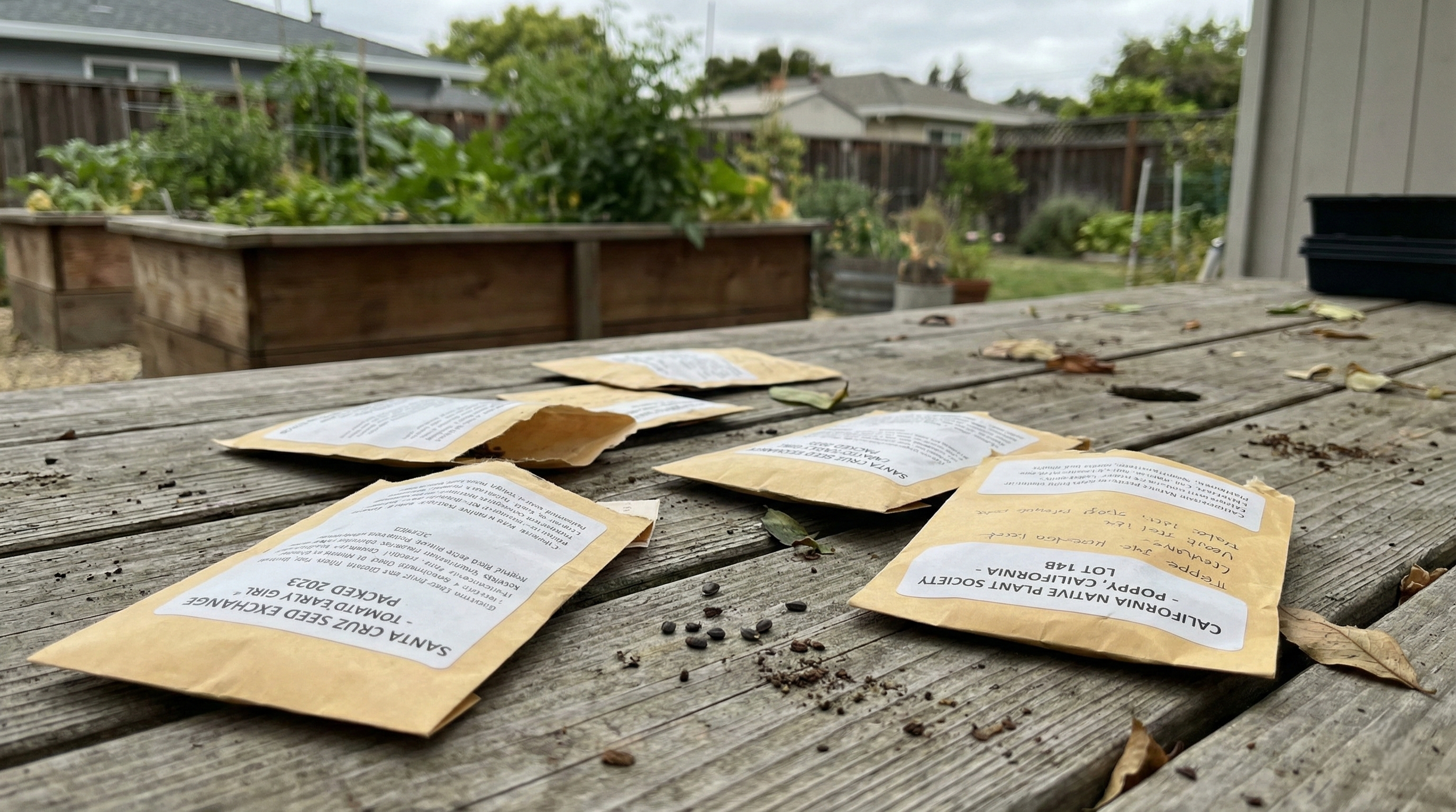
Some links below are affiliate links. If you buy through them, Ambitious Harvest may earn a small commission at no extra cost to you. We only point to companies we would actually buy from. See our full disclosure.
The seed rack at a big-box store is full of varieties bred for the Midwest and the Southeast, not for our cool coastal summers or hot inland valleys. Where you buy your seed, and which varieties you choose, makes a real difference in what actually thrives on the Central Coast. Here is how we think about buying seed for a California garden, and where we get ours.
Why where you buy your seed matters in California
California is not one climate. The foggy coast, the inland valleys, and the mountains each reward different varieties. A tomato bred for short, hot Midwest summers may never ripen in the Santa Cruz fog belt, while a heat-loving melon can sulk on the coast and thrive in Watsonville. Buying from companies that sell regionally adapted, open-pollinated seed gives you varieties with a real chance here, and lets you save your own seed year after year.
What to look for in a seed company
- Open-pollinated and heirloom seed you can save and replant, rather than hybrids you must rebuy every year.
- Non-GMO seed, which is standard for any reputable garden seed company.
- Regionally relevant varieties, especially low-chill, coastal, and heat-adapted types suited to our microclimates.
- A clear seed packet: days to maturity, sun needs, spacing, and sowing depth. (Not sure how to read one? See our guide to reading seed packets.)
Where we buy seeds
For most of our vegetable, herb, and flower seed, we buy from Seeds Now, a California company that sells only non-GMO, open-pollinated, and heirloom seed. Being California-based, their catalog leans toward varieties that suit our growing conditions, and open-pollinated seed means you can save your own from year to year. Their seeds also come packed for our long season, which matters when you are succession sowing greens or cut flowers from late winter into fall.
We round that out with two free or low-cost local options worth knowing:
- Seed libraries. Several California library branches lend seed: you take a few packets at the start of the season and return saved seed at the end, at no cost. Ask at your local branch.
- Seed swaps and local exchanges. Garden clubs and community gardens hold swaps where you trade your extra seed for varieties your neighbors already grow successfully here, the best possible local proof.
For the full local directory of nurseries, seed sources, and markets, see our Santa Cruz gardening resources page.
What to sow when on the Central Coast
A quick guide to keep your seed orders on schedule:
- Cool season (late summer through winter): lettuce and salad greens, kale, chard, spinach, peas, fava beans, cilantro, and hardy flowers like sweet peas and calendula.
- Warm season (after the last frost, roughly April to May): tomatoes, peppers, beans, squash, cucumbers, basil, and warm-season cut flowers like zinnias, cosmos, and sunflowers.
For month-by-month timing, our California planting calendar lays it out by zone.
Stretch your seed budget
You do not need to buy new seed every year. Save your own from open-pollinated crops (this is exactly why open-pollinated matters), split a seed order with a gardening friend, and lean on seed libraries and swaps for varieties you only need a few of. A single packet often holds far more seed than one household can sow in a season.
Frequently Asked Questions
What is the best place to buy seeds for a California garden?
Look for a company that sells non-GMO, open-pollinated, and regionally relevant seed. We buy most of ours from Seeds Now, a California company, and supplement with local seed libraries and swaps for free or low-cost varieties.
Are heirloom or open-pollinated seeds better than hybrids?
For a home garden, open-pollinated and heirloom seeds have a big advantage: you can save and replant them year after year, and they often carry better flavor and regional history. Hybrids can offer disease resistance or uniformity, but you have to rebuy them each season.
Can I really get free seeds locally?
Yes. Many California library branches run seed lending libraries, and garden clubs and community gardens hold seed swaps. Both are excellent ways to get locally proven varieties at no cost.
When should I order my seeds?
Order cool-season seed in mid to late summer for fall and winter sowing, and warm-season seed in winter so you are ready to start tomatoes and peppers indoors by February. Popular varieties sell out, so ordering a few weeks ahead of when you plan to sow is wise.
