

Where Can I Buy Chicks and Ducklings Near Santa Cruz?
A few of the product links in this guide are affiliate links. If you buy through one, Ambitious Harvest may earn a small commission at no extra cost to you, which helps keep these guides free. We only point to gear we would use in our own Santa Cruz garden. As an Amazon Associate, we earn from qualifying purchases. Read our full disclosure.
Where Can I Buy Chicks and Ducklings Near Santa Cruz?
Santa Cruz County has several sources for chicks and ducklings, with local feed stores typically stocking birds seasonally. USDA describes NPIP as a voluntary federal-state testing and certification program for poultry breeding flocks, chicks, hatcheries, dealers, and specified diseases including pullorum and fowl typhoid. Buying from a source participating in the appropriate NPIP program provides documented program status, but it is not a guarantee against every poultry disease.
Your best local options include feed stores in the Santa Cruz area that carry chicks seasonally. Call ahead to ask about breed availability, because popular breeds sell out fast in spring. These stores typically source from large hatcheries and can tell you whether the birds have been vaccinated for Marek's disease, which UC Davis Veterinary Medicine recommends for backyard flocks.
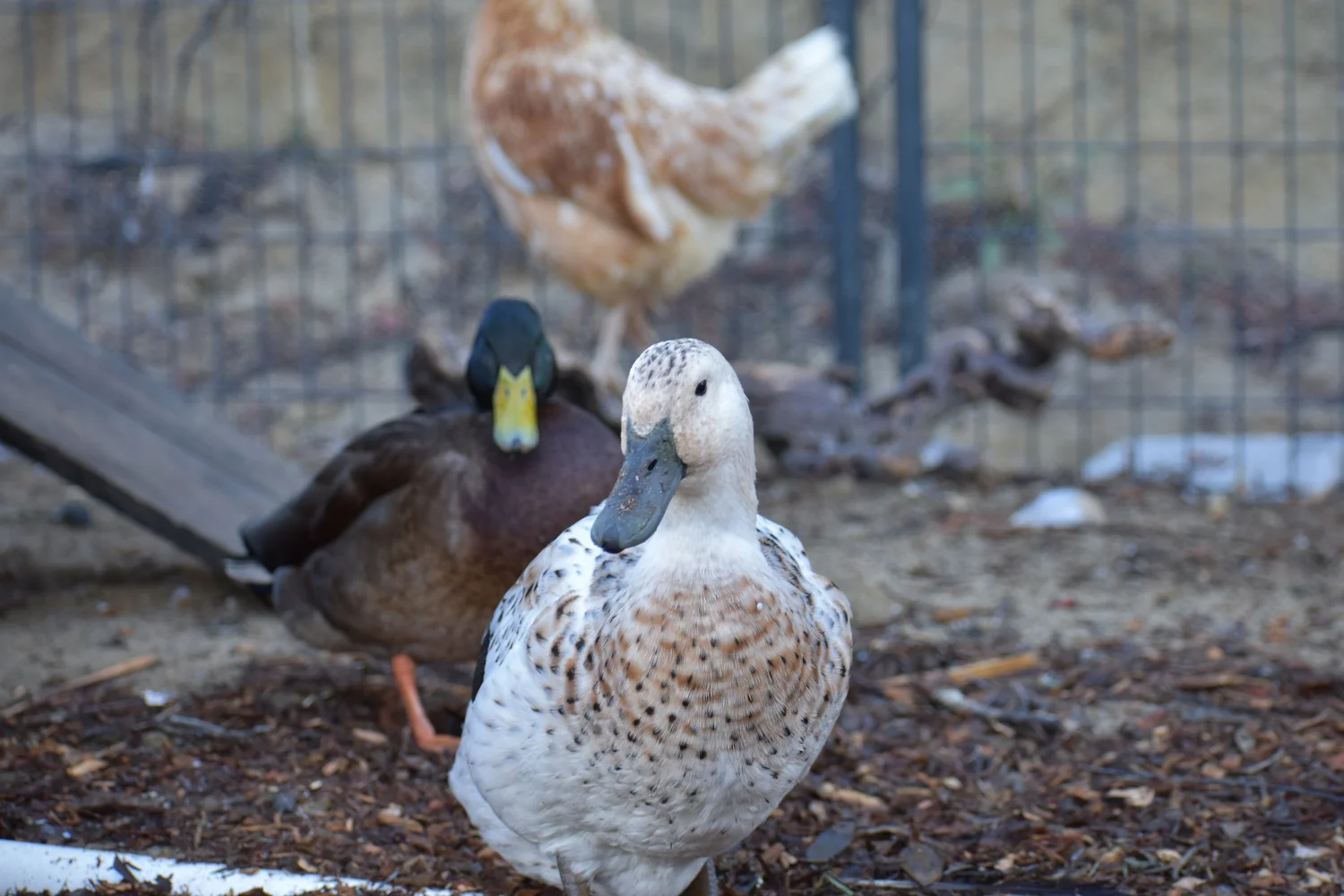
For ducklings, local selection is more limited. Feed stores sometimes carry Pekin or Khaki Campbell ducklings, but if you want specific breeds like Black Runners (which I keep in my Boulder Creek flock), you will likely need to order from a hatchery. Metzer Farms in Gonzales is a California-based waterfowl hatchery about an hour south of Santa Cruz, and they ship day-old ducklings and goslings. For chickens, Murray McMurray and Cackle Hatchery both ship via USPS with reliable arrival times to our area.
Another option worth considering is rescue and rehoming. Santa Cruz County has an active poultry community, and birds come up for rehoming regularly on local community boards and through organizations that rescue former commercial laying hens. Rescue birds can be wonderful additions to a flock, though they need a quarantine period (at least 30 days, separated from your existing birds) and often benefit from deworming. I have taken in rescue chickens myself, and while they sometimes arrive in rough shape, they adapt well with good care.
A few tips for bringing new birds home. If you are picking up chicks from a store, bring a ventilated box with a towel in the bottom. For shipped birds, have your brooder warm and water ready before you open the box. Check each bird for alertness and clear eyes.
This week: Call two or three local feed stores to ask what breeds they have in stock, and set up your brooder before you bring any birds home.
Keep Reading
- Raising Chicks and Ducklings in Santa Cruz
- Choosing the Right Breeds for Coastal California Gardens
- When Should I Start Chicks in Santa Cruz County?
Frequently Asked Questions
When can I find chicks at local feed stores?
Feed stores in the area typically stock chicks and ducklings from late February through May, with the best selection in March and April. Popular breeds sell out fast, so call ahead and check two or three stores.
What should I ask about before buying chickens?
Ask the seller which NPIP classification applies to the flock or hatchery and request documentation; “NPIP participant” does not mean every bird was tested for every disease. Ask a poultry veterinarian about Marek's vaccination and feed choices for your specific chicks rather than relying on a blanket medicated-feed rule.
Are ducklings harder to find than chicks?
Yes, local duckling availability is limited and often restricted to common breeds. For specific varieties you can order from a California waterfowl hatchery or a mail-order hatchery that ships day-old birds reliably to the area.
