

Maximize Your California Greenhouse: Seed Starting Tips for Spring Success
A few of the product links in this guide are affiliate links. If you buy through one, Ambitious Harvest may earn a small commission at no extra cost to you, which helps keep these guides free. We only point to gear we would use in our own Santa Cruz garden. As an Amazon Associate, we earn from qualifying purchases. Read our full disclosure.
A Guide to Setting the Stage for Seed-Starting Success
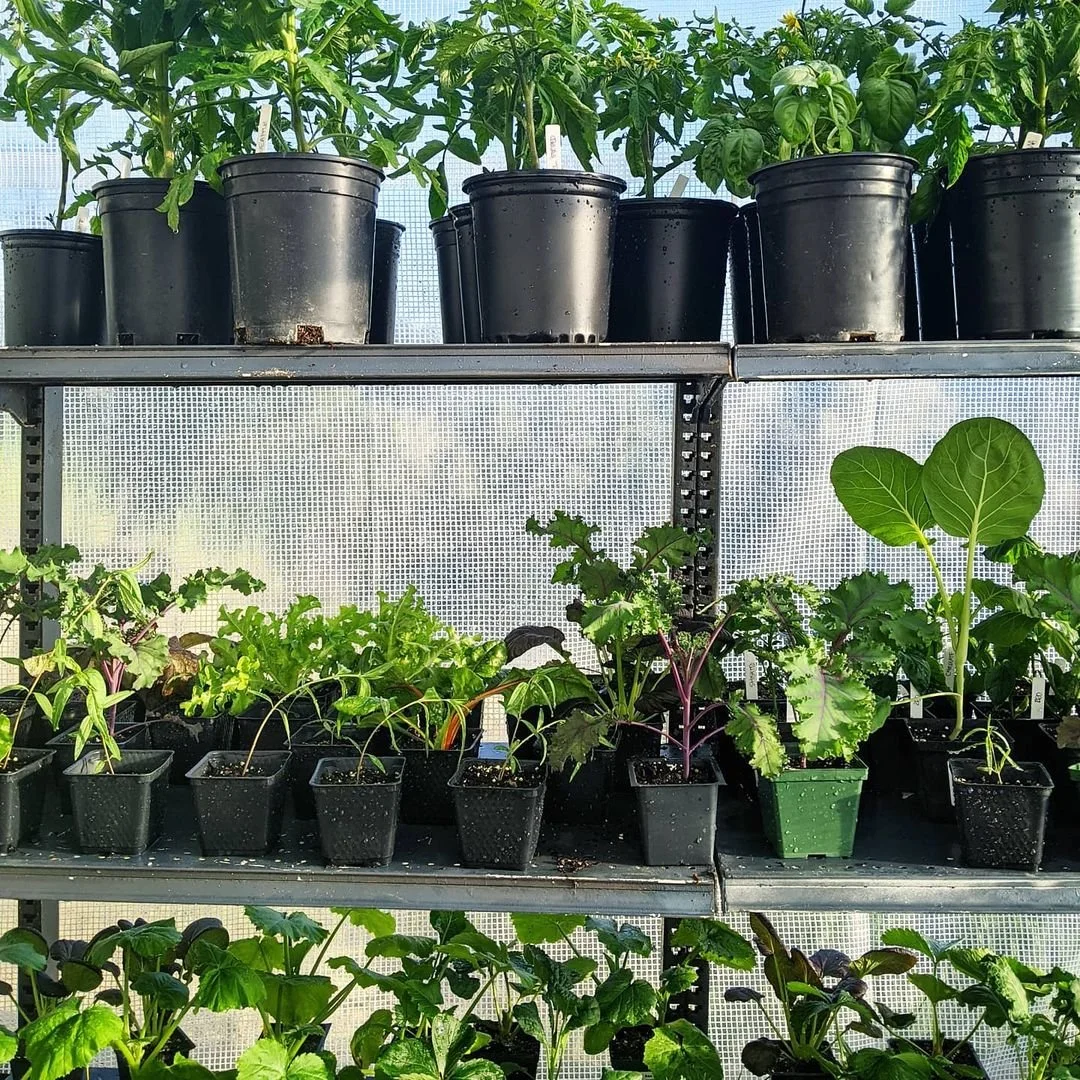
Spring in California brings a burst of energy to the garden. It's the perfect season to start seeds in your greenhouse, where controlled conditions help young plants thrive before they move outdoors. Whether you garden along the foggy coast, in sunny valleys, or the cooler mountain zones, a little preparation will set your seedlings up for success.
How Should You Prepare Your Greenhouse for Spring?
Start by giving your greenhouse a thorough spring cleaning. Remove old plant material, sweep up debris, and clear out unused pots or tools. A clean greenhouse prevents the spread of pests and diseases and provides more space for healthy seedlings.
If you're in a fire-prone area, take extra care to remove dry leaves or weeds from around the exterior. Sanitize used pots with a mild bleach solution (one part bleach to nine parts water), rinse well, and allow them to dry completely before reuse. This simple step helps prevent fungal diseases like powdery mildew and botrytis. The UC Master Gardener Program recommends sterilizing all reused containers to eliminate the risk of soilborne diseases.
What Are the Best Ways to Control Pests in a California Greenhouse?
California's varied microclimates can bring different pest pressures, but prevention and balance are the keys to maintaining a healthy greenhouse.
Start with regular inspections. Look closely at leaves and soil for early signs of trouble. Prompt action keeps pests from spreading.
Encourage beneficial insects. Ladybugs control aphids, lacewings eat thrips and whiteflies, and predatory mites manage spider mites. Always identify your pest before introducing beneficials so you can match the right predator to the problem. The UC IPM Program offers detailed guidance on selecting and releasing natural enemies for greenhouse pest management.
Use companion planting. Marigolds deter aphids and whiteflies, nasturtiums act as trap crops, and alliums such as onions or garlic help repel multiple pests.
Apply organic products thoughtfully. Neem oil, insecticidal soaps, or Bacillus thuringiensis (Bt) are effective against many soft-bodied pests. Use diatomaceous earth sparingly, as it can harm beneficial insects.
Each region has unique challenges. Coastal gardeners may struggle with whiteflies and fungus gnats, while inland and desert gardeners face thrips or mealybugs. Mountain gardeners should watch for aphids and spider mites. A balanced, integrated approach combining sanitation, crop rotation, and biological control works best.
How Do You Optimize Temperature and Lighting for Seedlings?
Seedlings depend on consistent warmth and light to thrive. Most vegetable and flower seeds germinate best between 65 and 75 degrees Fahrenheit.
Coastal regions: Supplement with heating mats or small heaters on cool nights.
Inland valleys: Provide shade cloth or ventilation to prevent overheating.
Mountain areas: Be prepared for larger temperature swings; use heaters and vents as needed.
Maximize natural sunlight by orienting your greenhouse for southern exposure and keeping glass or panels clean. If natural light is limited, invest in energy-efficient LED grow lights. The UC Master Gardeners of Santa Clara County recommend providing 12 to 16 hours of light per day for most seedlings.
A small fan improves air circulation, prevents fungal issues, and strengthens young stems.
What Containers Work Best for Starting Seeds?
The right containers help seedlings establish strong roots.
Choose appropriate sizes. Use smaller pots for early seed starting and larger ones for fast-growing plants.
Ensure good drainage. Waterlogged soil leads to root rot. Always confirm pots have adequate holes.
Sanitize before reuse. Clean and disinfect old containers with a mild bleach solution to prevent disease spread.
Consider California-friendly options like biodegradable peat pots for transplanting, fabric pots for hot climates, or seed trays with humidity domes to retain moisture in drier regions. Label every container with the plant name and sowing date to stay organized.
What Soil Mix Should You Use for Seed Starting?
A high-quality, well-draining seed starting mix is essential. Choose a mix designed for containers that holds moisture without becoming compacted. According to the UC Master Gardener Program, seed-starting mixes are finer and lighter than regular potting soil, providing ideal drainage and water-holding capacity for germination.
In drier California areas, add materials like perlite, vermiculite, or coco coir to help soil retain water. In coastal regions, where humidity is higher, prioritize drainage to avoid soggy conditions.
An organic seed starting mix with mycorrhizal fungi or composted materials supports healthy root development and long-term growth.
When Should You Plant Seeds in a California Greenhouse?
Always follow the guidelines on your seed packet. It provides vital information about planting depth, spacing, and timing.
Sow seeds at the recommended depth and gently cover them with soil.
Water carefully using a spray bottle or fine-nozzle watering can to avoid disturbing the soil.
Maintain even moisture until seeds germinate.
California timing tips:
Coastal and mountain regions may start seeds slightly later due to cooler temperatures, while valley and desert gardeners can begin earlier. Staggering plantings throughout the spring, known as succession planting, ensures continuous harvests.
How Do You Care for Seedlings After Germination?
After germination, steady attention helps seedlings develop into strong transplants.
Check soil moisture daily and water lightly when the surface feels dry.
Rotate trays regularly to ensure even light exposure and prevent legginess.
Use a small fan or open vents for airflow to reduce disease risk.
Thin overcrowded seedlings once true leaves appear.
A diluted organic fertilizer can be applied once seedlings have two sets of true leaves. Always follow label directions for strength and frequency.
Adapt your care to local conditions. Coastal gardeners may need extra warmth, while inland gardeners should shield tender seedlings from midday sun. For more on water-wise gardening techniques, see our dedicated guide.
How Should You Harden Off and Transplant Seedlings?
Before moving seedlings outside, harden them off. This is a gradual process that prepares them for outdoor conditions. The UC Master Gardeners recommend starting about two weeks before your planned transplant date.
Start slowly: Place seedlings outdoors for a few hours in filtered sunlight.
Increase exposure: Each day, extend the time and light exposure.
Protect at night: Bring them inside or cover them if temperatures drop.
Coastal gardeners should shield young plants from strong winds, valley gardeners should avoid harsh sun during hardening off, and mountain gardeners must watch for sudden cold snaps.
When seedlings are sturdy and have several sets of leaves, they're ready for transplanting into the garden.
Why Is a Greenhouse a Great Investment for California Gardeners?
A well-prepared greenhouse gives California gardeners a head start on the growing season. By combining cleanliness, pest awareness, temperature control, and consistent care, you'll raise healthy, resilient seedlings ready for the outdoors.
Greenhouse gardening lets you extend your growing season, experiment with new varieties, and enjoy fresh produce earlier each year. With a little preparation and attention, your greenhouse becomes the heart of your spring gardening success.
Frequently Asked Questions
What is the best time to start seeds in a California greenhouse?
The best time depends on your region. Valley and desert gardeners can begin earlier in the spring, while coastal and mountain gardeners should wait until temperatures are more consistently warm. Check your seed packets for specific timing and consider your local last frost date.
How do I keep my greenhouse from overheating in spring?
Use shade cloth, open vents or windows, and run a small fan to circulate air. Inland valley gardeners especially need to monitor midday temperatures, as greenhouses can heat up quickly. Automated vent openers are an affordable solution for consistent temperature control.
Can I reuse pots and trays from last season?
Yes, but always sanitize them first. Soak containers in a solution of one part bleach to nine parts water, rinse thoroughly, and let them dry completely. This prevents the spread of fungal diseases like powdery mildew and botrytis.
What grow lights work best for seedlings?
Energy-efficient LED grow lights are the most popular choice for greenhouse seed starting. Position them close to seedlings and aim for 12 to 16 hours of light per day. LEDs produce less heat than older fluorescent options, which helps prevent overheating in smaller greenhouses.
How long does hardening off take?
Plan for about 10 days to two weeks. Start by placing seedlings outdoors for just an hour or two in filtered light, then gradually increase the time and sun exposure each day. By the end of the hardening period, seedlings should be spending full days outside before you transplant them into the garden.
