

Your July Garden Checklist for Santa Cruz County
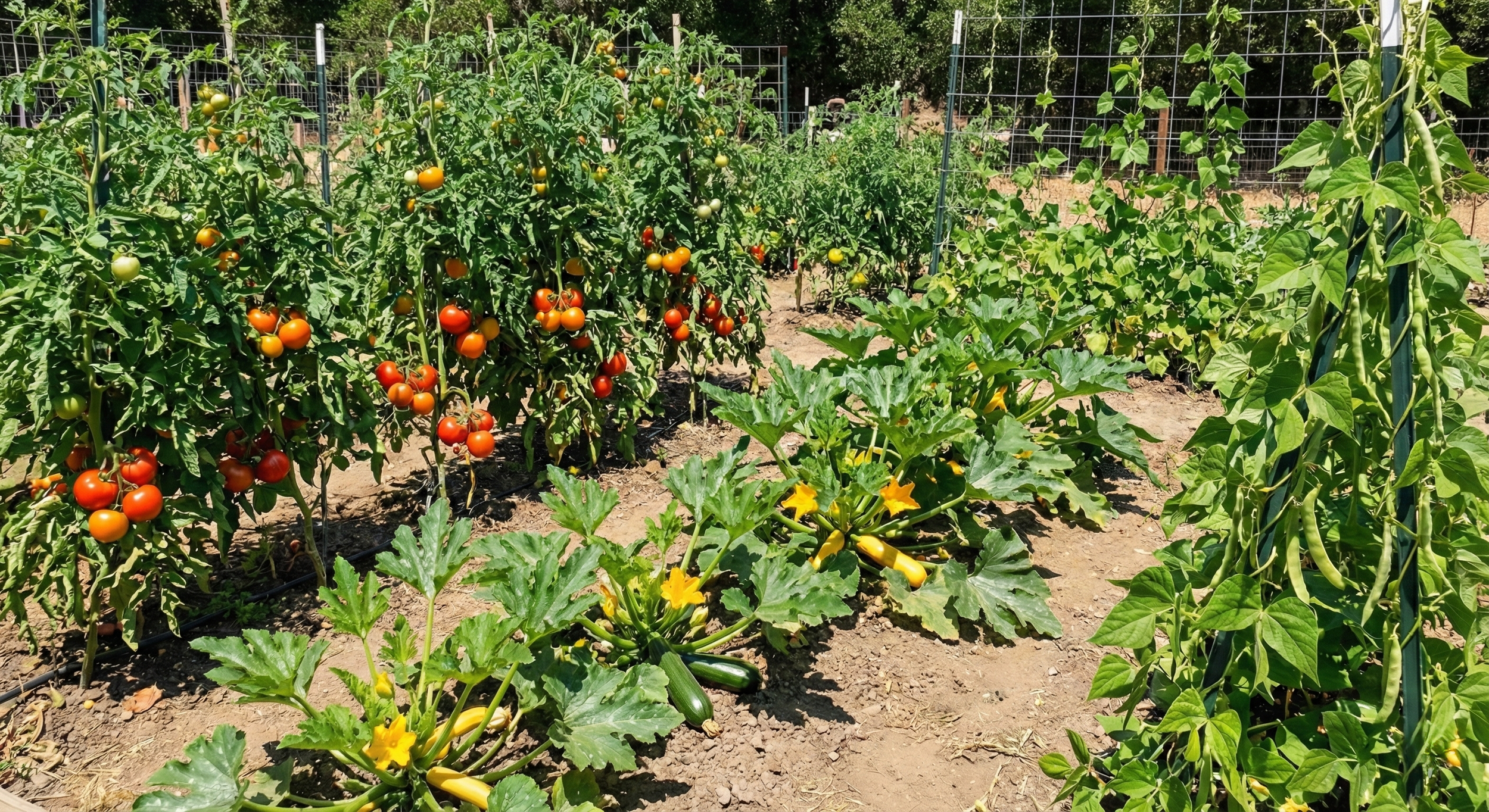
July is harvest season in full swing across Santa Cruz County. Tomatoes, peppers, beans, and squash are producing at peak volume, and the garden demands daily attention. Coastal fog continues to moderate temperatures along the Westside and in Aptos, while inland valleys regularly hit the 90s. UC Master Gardeners of Santa Cruz County note that July irrigation management is the single biggest factor in summer garden success, since rainfall is effectively zero from now through October.
What to Plant in July
July is not a major planting month, but smart gardeners use it for strategic succession planting and fall crop preparation. Sow a final round of bush beans (Provider, Jade) for a September harvest. Direct-sow fall carrots (Bolero, Napoli) and beets (Cylindra, Golden) in afternoon shade or under shade cloth.
Transplant fall brassica seedlings started in June into the garden by late July. Broccoli, cauliflower, and Brussels sprouts need to be in the ground by early August to produce before winter.
Inland valley and mountain gardeners can direct-sow a late planting of summer squash for a fall crop. Coastal gardeners should sow fall peas (they will germinate better in August but July sowing works if you keep the soil moist).
Plant heat-loving flowers: marigolds, zinnias, and celosia fill gaps in the garden and attract pollinators when you need them most.
What to Harvest in July
Tomatoes hit their stride. Pick when fruit is fully colored and slightly soft to the touch. For the best flavor, harvest in the morning before the sun heats the fruit. Do not refrigerate tomatoes; it destroys their flavor and texture.
Summer squash and zucchini need daily picking. Peppers (both sweet and hot) begin ripening. Leave hot peppers on the plant longer for more heat. Cucumbers should be picked before they turn yellow and seedy.
Blueberries are in peak production. Blackberries begin ripening in inland valleys and mountain areas. Stone fruit (peaches, plums, apricots planted as bare-root in January) are ready in warmer locations.
Basil, cilantro (if you planted slow-bolt varieties in succession), and other herbs are abundant. Harvest herbs in the morning for the highest essential oil content.
What to Maintain and Protect
Water deeply and consistently. Increase irrigation frequency during heat waves (temperatures above 90F in inland valleys). Tomatoes, squash, and peppers may need water every other day during extreme heat. Mulch is critical now. If your mulch layer has thinned, refresh it to 3 inches.
Remove lower leaves on tomato plants that touch the soil. This reduces splash-borne diseases like early blight and Septoria leaf spot. Continue pinching suckers on indeterminate varieties.
Side-dress heavy-producing crops (tomatoes, peppers, squash) with compost or a balanced organic fertilizer every three weeks. Plants producing fruit at this rate are hungry.
Keep up with weeding, especially in pathways where weeds compete for water. A stirrup hoe makes quick work of small weeds on dry soil.
What to Watch Out For
Tomato hornworms are at peak activity. Check plants in the evening and hand-pick these large green caterpillars. Look for dark droppings on leaves below as a sign they are present.
Spider mites intensify in hot, dry weather. Inland valley gardens are especially vulnerable. Spray the undersides of leaves with water every few days to disrupt colonies. UC IPM notes that miticide sprays often worsen infestations by killing predatory mites.
Blossom drop on tomatoes and peppers occurs when night temperatures stay above 70F (inland valleys) or when daytime temperatures exceed 95F. This is temporary and the plants will resume setting fruit when conditions moderate. Coastal fog, frustrating as it can be, actually prevents this problem.
Watch for late blight on tomatoes during foggy, cool spells. It appears as large, dark, water-soaked lesions on leaves and stems. Remove affected material immediately and do not compost it.
This month: Harvest something from the garden every single day. At peak production, letting crops over-ripen on the plant signals the plant to slow down.
For more help with tomato care, check out our free Tomato Growing MasterKit at Your Garden Toolkit.
